







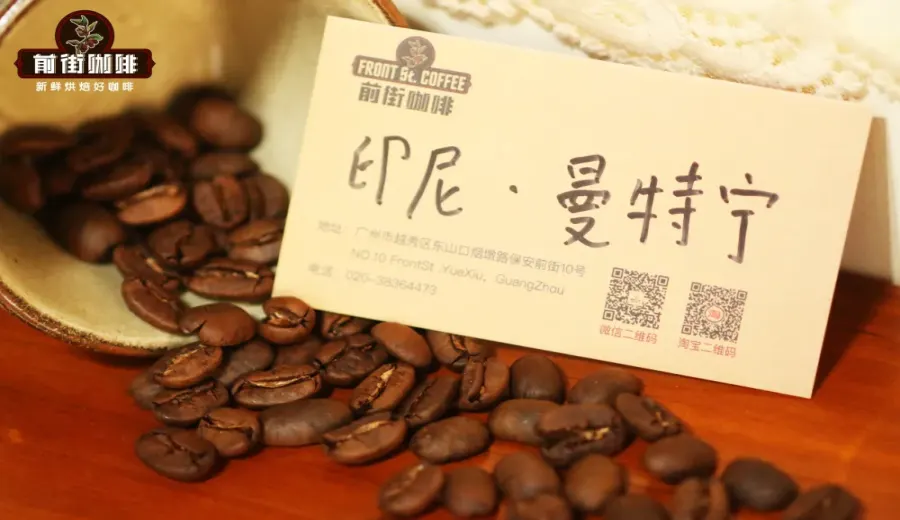
Introduction:Mandheling coffee from Sumatra, Indonesia, is renowned for its full-bodied flavor, and the Golden Mandheling produced by PWN is a standout in the premium market. What exactly sets Golden Mandheling apart from regular G1 Mandheling? This article delves into the key differences between the two—from bean selection criteria, processing methods to brewing techniques—and provides practical three-stage pour over parameters to help you brew a clean, balanced, and layered Mandheling coffee at home.
Mandheling coffee is one of the most iconic offerings from Sumatra, Indonesia, with PWN’s Golden Mandheling being regarded as a symbol of high-quality beans from the region. This article will take an in-depth look at how Golden Mandheling compares with common G1 Mandheling, breaking down everything from regional background, grade differences, to processing characteristics. We’ll also share expert brewing advice, including filter choice, grind size, and water temperature control, to help you better understand how to bring out the unique aroma and rich taste of Mandheling.
Understanding the Origins of Sumatran Mandheling
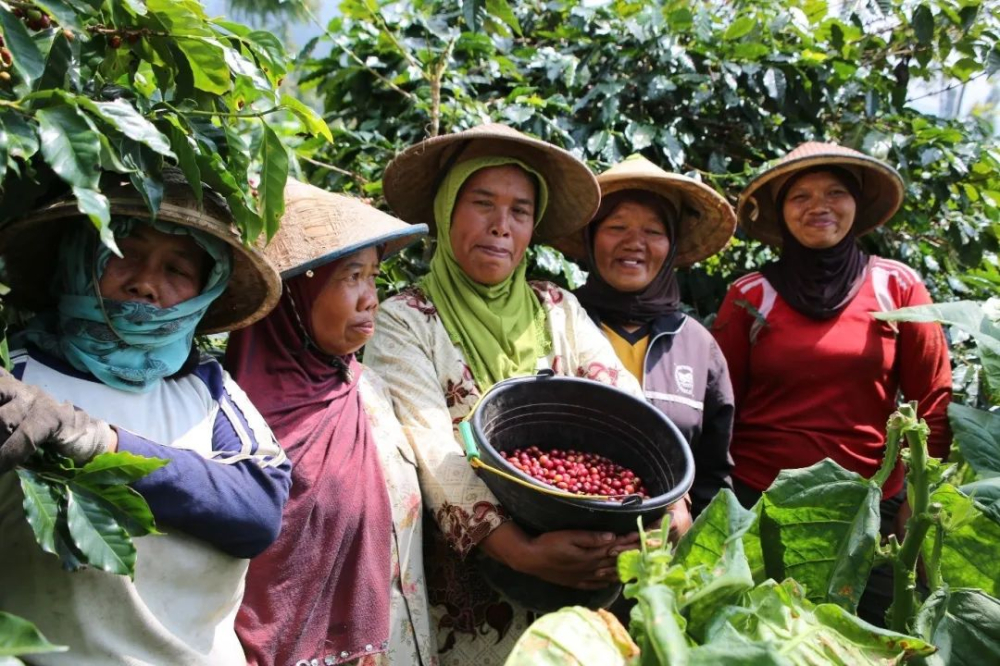
The regions around Lake Toba and Lake Towuti in Sumatra are the primary growing areas for Mandheling coffee. While Indonesia predominantly cultivates Robusta, Mandheling is one of the few premium Arabica varieties from the area. Interestingly, the term “Mandheling” actually stems from the mispronunciation of the name of the Mandailing ethnic group from northern Sumatra, not from a specific region or coffee variety. Legend has it that during World War II, a Japanese soldier was so impressed by a cup of local coffee that he mistakenly thought the grower’s mentioned hometown, “Mandailing,” was the name of the coffee. After bringing some back to Japan, it became highly popular, leading to Mandheling’s international recognition.
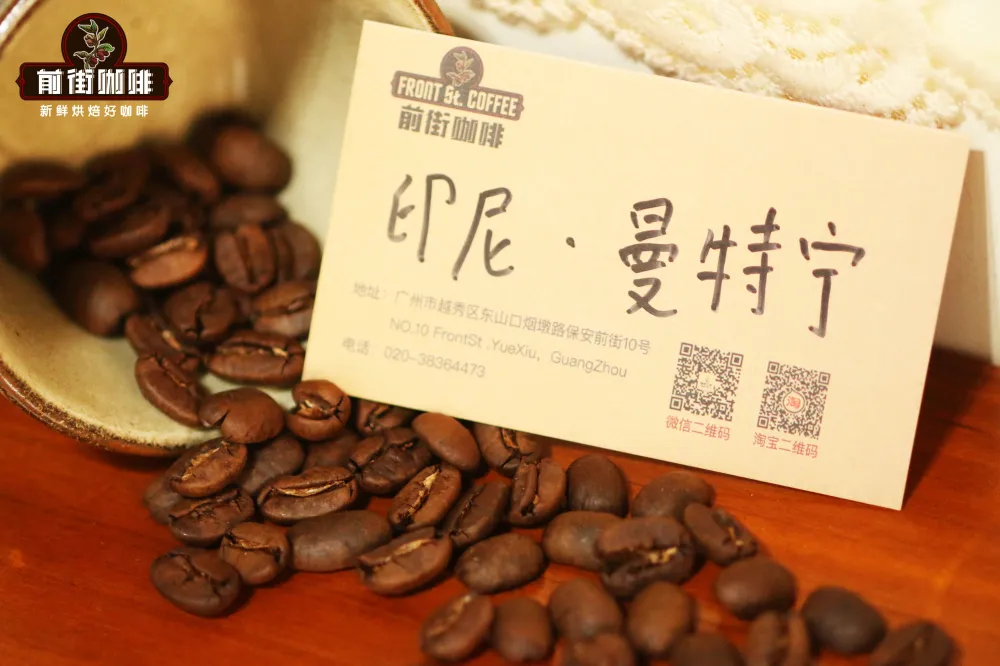
The person who first introduced Mandheling to the Japanese market was the owner of that very café, who established PWN (Pwani Coffee Company) in 1957, focusing on selecting and exporting high-quality Mandheling green beans. Golden Mandheling is the brand’s flagship product.
What’s the Difference Between Golden Mandheling and G1 Mandheling?
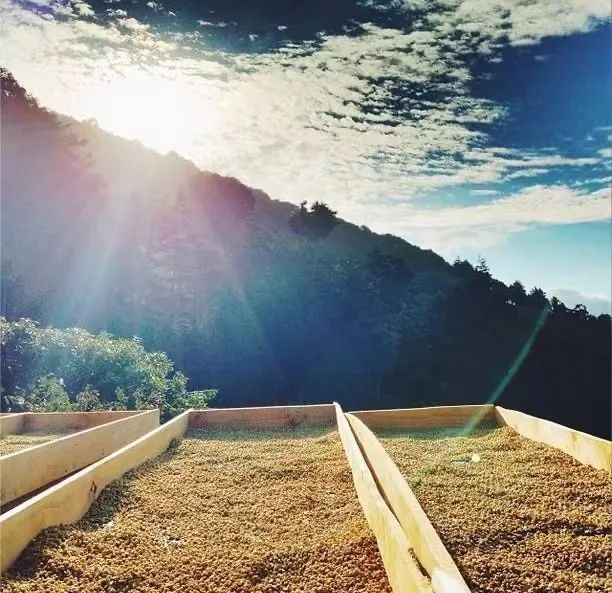
Many coffee enthusiasts often wonder: what exactly is the difference between the Golden Mandheling from a well-known coffee brand and regular G1 Mandheling? The answer lies in the bean selection standards and processing details. Early on, the Japanese market noticed inconsistencies in the quality of Sumatran coffee, which led to the implementation of strict defect sorting processes. The beans must go through one machine sort and four rounds of manual hand-picking to ensure uniform size, no impurities, and reduced earthy flavors. Legend has it that the meticulously selected beans glisten with a golden sheen under sunlight, hence the name “Golden Mandheling.”
PWN took it a step further by registering “Golden Mandheling” as an exclusive trademark, meaning only beans produced by PWN can be considered authentic. Golden Mandheling packaging usually features the PWN logo and origin certification, helping consumers identify genuine products.
What Grade is Golden Mandheling?
The burlap sacks of Golden Mandheling green beans are labeled with “Triple pick” and “GRADE 1,” indicating they belong to Indonesia’s top-tier G1 grade. In fact, PWN goes beyond the standard G1 criteria by performing an additional three rounds of manual hand-selection to ensure even higher consistency in bean quality. Indonesian green bean grading primarily focuses on defect rates. For G1 grade, a 300-gram sample must contain no more than 11 defective beans, along with strict regulations on moisture content, impurity rate, and bean size.
In comparison, another well-known brand’s Lintong Mandheling is also G1 grade but lacks the triple hand-selection process by PWN, resulting in slight differences in price and flavor profile. It also uses the wet-hulled method, showcasing notes of dark chocolate, nuts, and herbal aromas.
What is the Wet-Hulled Process?
The wet-hulled process is a typical method used in Indonesian coffee production. Compared to the washed process, it is faster and better suited to high-humidity environments. Traditional washed processing takes 1–3 weeks, while the wet-hulled method only takes a few days. The steps include removing the skin and pulp, brief fermentation, initial drying, then hulling off the parchment layer when the beans are still semi-dry, followed by continued sun drying until the moisture content reaches 12%. Although this method is efficient, it is prone to producing musty and funky flavors under humid conditions, contributing to Mandheling’s distinctive herbal, woody, and spicy profiles.
To balance these characteristics, roasters often opt for medium to dark roasts to enhance body and reduce excessive acidity. In cupping, Golden Mandheling often exhibits layers of spice, pine, caramel, and dark chocolate, with a sweet fruity finish lingering on the aftertaste.
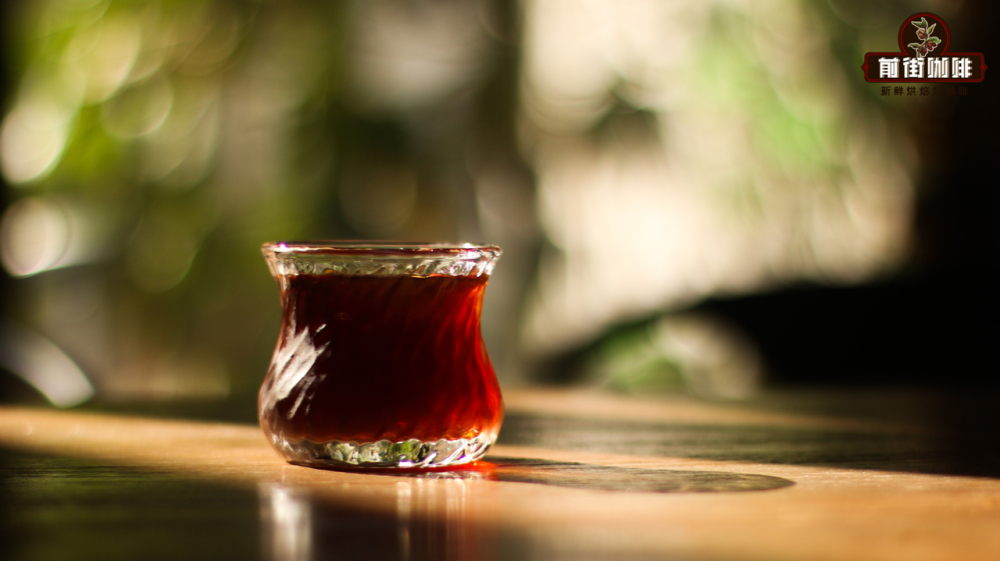
Brewing Recommendations and Parameters for Golden Mandheling
To brew a cup of Golden Mandheling with distinct flavors at home, choosing the right equipment and parameters is crucial. It is recommended to use a KONO filter, which features weaker airflow and concentrated ribs that extend extraction time, highlighting the coffee’s full body and rounded mouthfeel—especially well-suited for medium to dark roasted Mandheling.
For grind size, it is advised to use a Chinese No. 20 sieve with a screening rate of around 70%, considered a medium-coarse grind. This grind level helps avoid over-extraction that could lead to bitterness, while fully releasing caramel and nutty flavors. The water temperature is recommended to be set at87~88°C, slightly lower than that for light roasts, to help control the release of unwanted flavors.
The suggested coffee-to-water ratio is1:15, meaning 15 grams of coffee grounds to 225 milliliters of water. Use a three-stage pouring method: start with a bloom pour30mlto activate the coffee grounds; then pour100mlto bring out the golden crema and primary aromas; finally, pour95mlin the center to enhance sweetness and a rich, full-bodied finish, creating a more balanced and complex overall flavor.
Mastering these details allows you to enjoy a professional-grade Mandheling coffee experience at home, and to appreciate the unique charm of Sumatran coffee.
The above content is compiled by CoffeeHunters, a coffee news website.


