







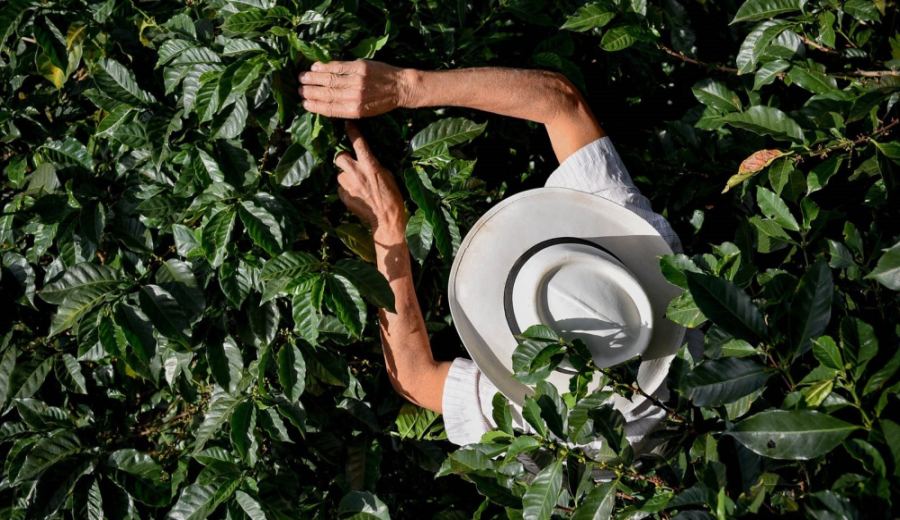
Introduction:Colombian coffee is renowned for its balanced and delicate flavors, making it a top choice for many coffee enthusiasts starting their single-origin bean journey. This article delves into five popular pour-over beans from the country, analyzing their processing methods, flavor profiles, and ideal brewing parameters—including grind size, water temperature, coffee-to-water ratio, and three-phase pouring techniques. It also guides you step-by-step on how to adjust your brewing strategy based on different processing methods to highlight each bean’s unique characteristics.
Colombia consistently ranks as the world’s third-largest coffee producer. Its exceptional geographical and climatic conditions nurture coffee beans with balanced flavors and layered complexity, whether enjoyed as single-origin or in blends. To brew a cup that showcases Colombian coffee’s refined acidity, rich body, and sweet aftertaste, the key lies in understanding the traits of different processing methods and pairing them with the appropriate pour-over extraction approach.
For medium-roast beans from Colombia’s mainstream producing regions, it is recommended to use a medium-fine grind, roughly similar to granulated white sugar in coarseness (about 75% passing rate through a Chinese No. 20 sieve), with water temperature controlled at around 90°C and a coffee-to-water ratio set at 1:15. This combination helps fully bring out the coffee’s fruity, nutty notes, and caramel sweetness, while avoiding over-extraction that could lead to bitterness.
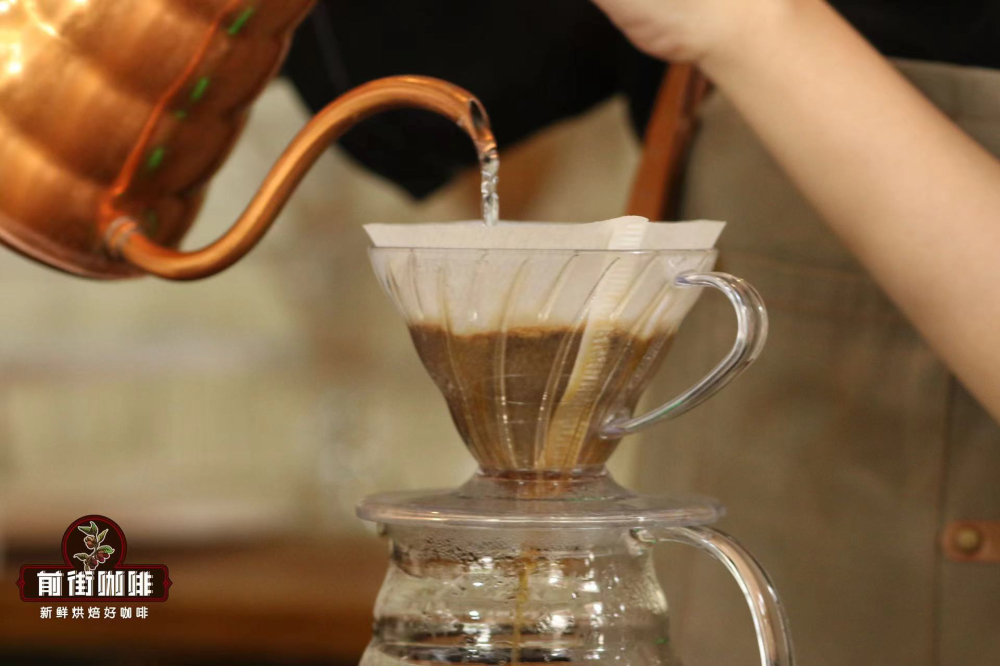
In terms of brewing technique, the three-phase pouring method is the preferred choice. Begin with a 30-second bloom by pouring approximately 30 grams of hot water to allow the coffee grounds to fully expand and release aroma. Then, pour in a small, circular motion; when the total water volume reaches 130 grams, pause briefly and wait for the water level to drop just before exposing the coffee bed. Continue pouring up to 240 grams, with the overall extraction time kept between 2 minutes and 2 minutes 15 seconds. This ensures even extraction and highlights the full spectrum of flavors.
Among the currently popular Colombian pour-over beans on the market, there are five standout options, each with distinct flavors and processing methods. The first comes from the Huila region and is a Caturra variety, processed using the washed method. It serves as an everyday-grade option, offering clear flavors that reflect the classic balance typical of Colombian beans. It boasts excellent cost-performance and is ideal for beginners exploring pour-over brewing.
The second is the Hanami coffee bean, grown at the Mont Blanc Estate in Huila. It is a blend of three varieties—Caturra, Catuai, and Geisha—and undergoes washed processing. It presents aromas of mugwort, berries, light fermentation notes, and subtle strawberry jam sweetness, with distinct flavor layers, making it suitable for those who prefer fruit-forward profiles.
The third is the Moonlit Blossom, sourced from the Esquivel Gaitán Farm in Huila, and processed using the anaerobic natural (anaerobic sun-dried) method. This technique involves fermenting the coffee cherries in an oxygen-free environment before sun-drying, resulting in intense strawberry jam aromas, pronounced fermentation character, and a soft chocolatey sweetness. It is highly appealing to coffee enthusiasts who enjoy unique processing styles.
The fourth is the Sakura coffee bean, from the Paradise Estate in the Cauca region, using the recently acclaimed double anaerobic washed process. It undergoes a first anaerobic fermentation and mucilage removal, followed by a second anaerobic treatment, ultimately yielding herbal notes such as mugwort, mint, and eucalyptus, blended with the sweetness of berries and strawberry candy. The cup is refreshing yet complex in flavor.
The fifth is the Rose Valley, hailing from the Santander region, and processed using the anaerobic enzyme washed method. This method involves rigorous floatation to remove defective beans, and the use of carbon dioxide to replace oxygen, creating a low-oxygen environment. This slows down the breakdown of sugars in the mucilage, leading to a more stable pH drop and extended fermentation time. The brewed cup delivers rose floral notes, strawberry jam, and a finish reminiscent of peach oolong tea—truly distinctive and unforgettable.
No matter which one you choose, remember to fine-tune water temperature and pouring rhythm according to the processing method and roast level. For example, beans processed anaerobically, due to their intense flavors, can have the water temperature slightly lowered to 88–89°C to avoid over-extraction. Mastering these details allows you to fully unlock the diverse potential of Colombian coffee beans and enjoy the pleasure and surprises of the pour-over process.
The above content is compiled by CoffeeHunters, a coffee news website.


