








Introduction:Yirgacheffe coffee is renowned for its bright, floral-fruity aroma and vibrant acidity, making it a top choice for many pour-over enthusiasts. This article delves into the unique characteristics of this famous Ethiopian bean—its growing regions, how washed processing shapes its clean citrus notes, and detailed advanced three-stage pour-over techniques for beginners. These include grind size, water temperature, brew ratio, and pouring methods to help you accurately replicate professional-grade flavors.
Yirgacheffe coffee, with its distinctive citrusy floral notes and refreshing fruit acidity, has long been one of the most iconic flavor profiles in specialty coffee worldwide. If you want to brew a cup at home that rivals those from professional cafés, beyond mastering basic pour-over steps, it’s essential to understand the origin, processing method, and ideal extraction logic of this coffee. This article starts with Yirgacheffe’s geographical and terroir features, explores how washed processing highlights its bright, clean citrus tones, and guides you step-by-step on how to recreate that captivating tea-like body and layered complexity using pour-over.

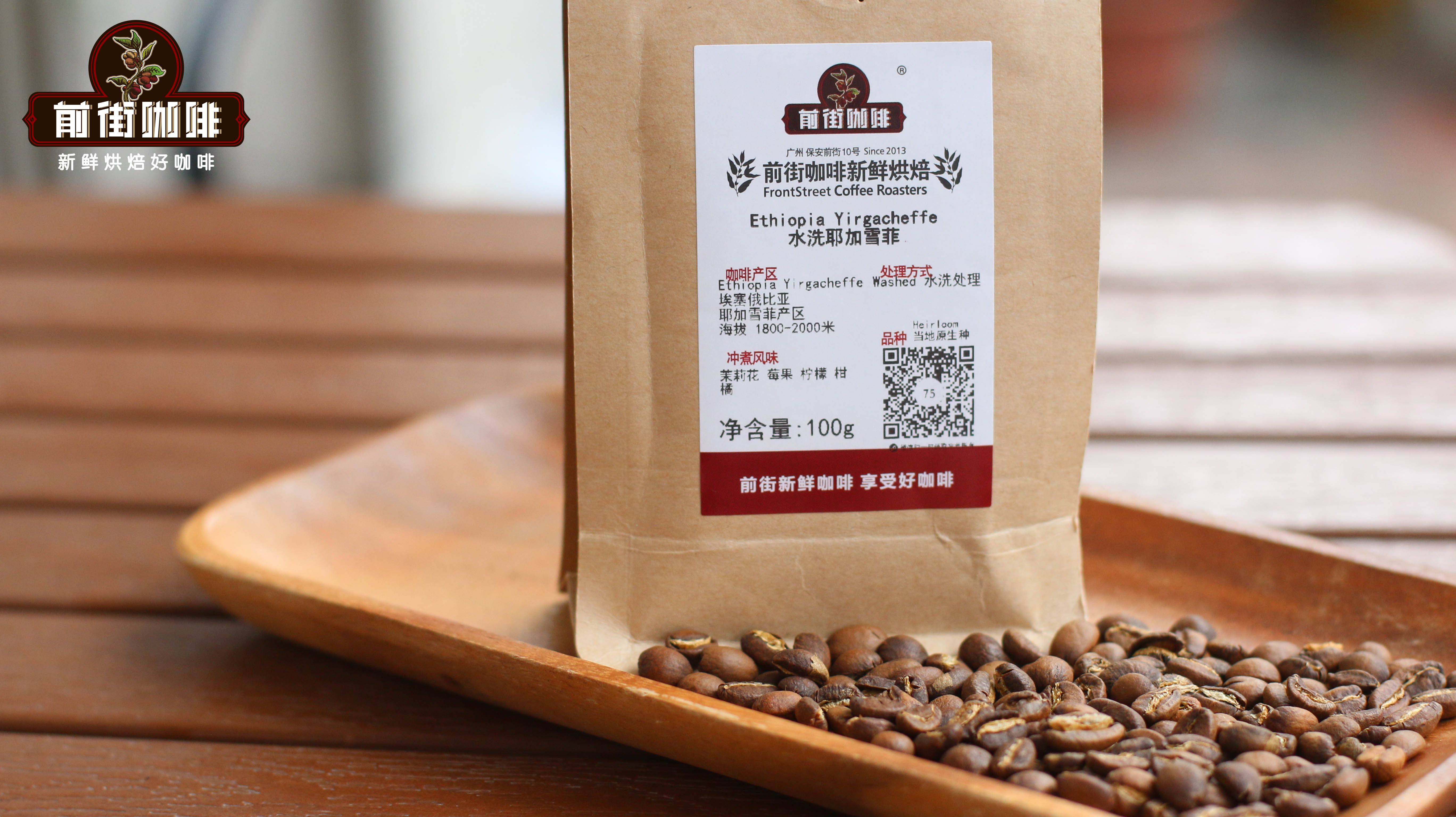
Originally just a small town within Ethiopia’s Sidamo region, Yirgacheffe stood out due to the uniquely identifiable flavors of its coffee and eventually became its own distinct producing area. Today, Yirgacheffe stands alongside Sidamo and Harrar as one of Ethiopia’s three officially registered trademarked coffee regions. This also means that the “Yirgacheffe flavor” has become a market-recognized symbol of high quality. The typical flavor profile of Yirgacheffe includes bright lemon and berry acidity, delicate white floral notes, and a tea-like clean finish. Fully expressing these traits requires precise control—from green bean selection and processing method, to roast level, and finally the brewing process.
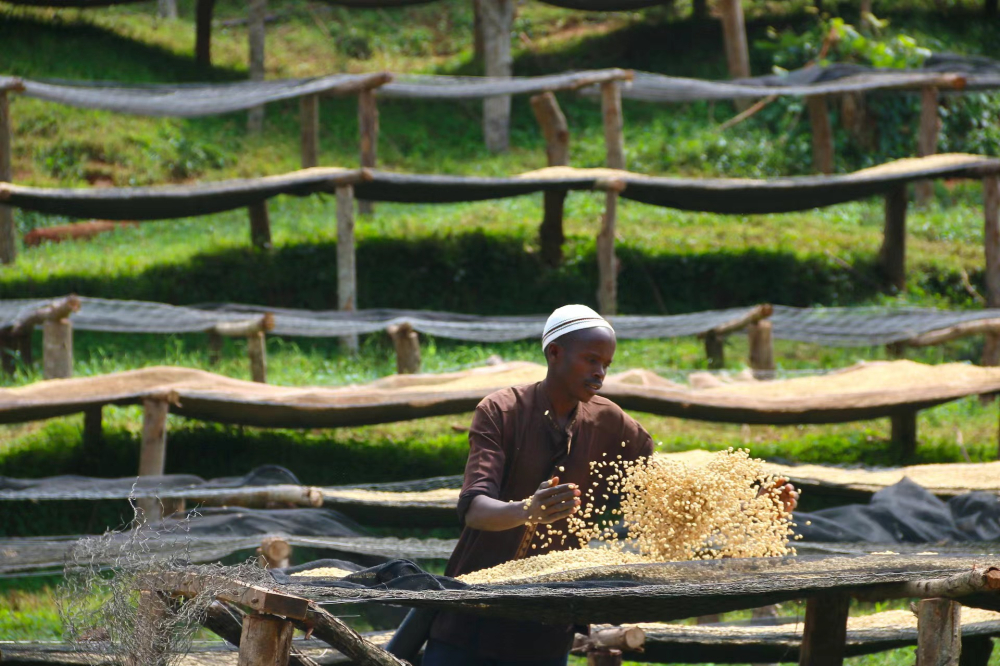
The reason Yirgacheffe can deliver such a clean and layered cup lies largely in the widely adopted washed processing method. Compared to the traditional natural (sun-dried) method, which often brings impurities and uncontrollable fermentation, washed processing uses precisely controlled water flow and fermentation tanks to effectively remove pulp and impurities, significantly reducing defect rates. As early as 1972, Ethiopia introduced advanced washed processing techniques from Central and South America, requiring processing facilities to be equipped with continuously supplied washing channels. Through the friction between water flow and coffee beans, the sticky mucilage layer is thoroughly removed. This technique not only results in more uniform appearance of green beans but also directly creates the distinctive fresh citrus and delicate floral notes in Yirgacheffe’s flavor. Washed Yirgacheffe is generally suitable for various brewing methods, especially pour-over, cold brew, and French press, all of which can showcase its versatile yet harmonious character.
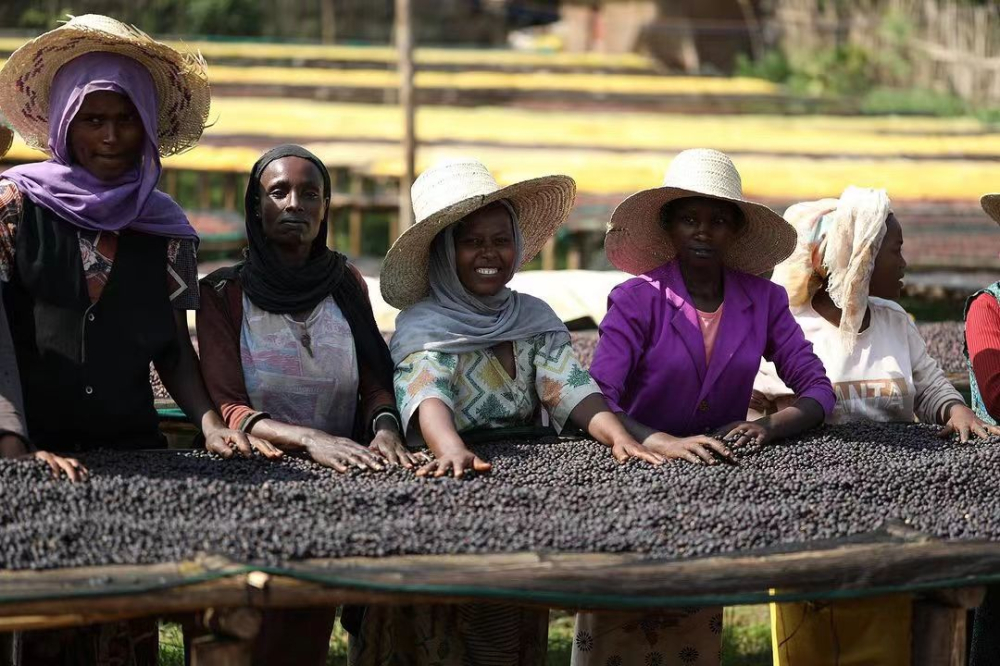
Why has Yirgacheffe managed to stand out among so many coffee-growing regions? A major reason is its groundbreaking approach to roasting and flavor expression. In the past, the mainstream preference leaned toward dark roasts that emphasized intense, bitter richness—like the heavy notes of nuts and dark chocolate. However, because Yirgacheffe beans are relatively small, dark roasting can easily lead to uneven heating and even burnt bitterness. As a result, most roasters switched to medium-light roasting, which unexpectedly highlighted its high-quality fruit acidity and fruity tones, giving rise to the so-called “fruit-acid coffee” trend. These flavors align more closely with the public’s preference for sweetness and a refreshing taste, rapidly propelling Yirgacheffe to global popularity.
Currently, many coffee beans marketed as having a “Yirgacheffe flavor” actually come from different micro-regions across Ethiopia, yet they all share similar processing approaches and flavor profiles. For instance, some carefully crafted natural (sun-dried) versions may carry more intense tropical fruit and fermented sweetness, while washed versions emphasize citrus, lemon, and clear floral notes, with a more pronounced tea-like body. To preserve these delicate aromas, these beans are mostly medium-light roasted and are best brewed using pour-over to allow precise control over extraction conditions and to showcase their optimal flavor performance.
If you’re preparing to try pour-over Yirgacheffe at home, first make sure you have the basic equipment: a pour-over kettle, filter cone, server, grinder, filter paper, digital scale, and thermometer. Among these, the choice of grinder is particularly crucial—whether hand-cranked or electric, the goal is to produce uniformly ground coffee. Grind size directly affects extraction rate and flavor expression—too coarse may lead to under-extraction and flat flavors; too fine may cause over-extraction, resulting in bitterness. Professional shops often use a Chinese No. 20, 0.85mm sieve as the standard, with a recommended sieve retention rate of about 75–80% for medium-light roasted beans, equivalent to the setting of 10 on the commonly used EK43s grinder. For temperature, light roasts are recommended to use a higher water temperature of 91–93°C to enhance aroma, while medium-dark roasts should use 87–90°C to avoid extracting excessive impurities.
The choice of filter cone also affects flow rate and extraction evenness. Common options include V60 and KONO. The V60, with its unique spiral ribs and large center hole design, extends the contact time between water and coffee grounds and enhances layering, making it especially suitable for medium-light roasted Yirgacheffe. The KONO, with a different internal structure, is better suited for the extraction needs of dark roasts. For the Yirgacheffe featured here, it is recommended to use a resin V60 filter cone, which helps stabilize flow rate and bring out clear flavor profiles.
Regarding pour-over techniques, common methods in the market include single-pour (one-shot), three-stage, or four-to-six pour styles. For beginners, the three-stage method is the easiest to master while balancing flavor layers and extraction efficiency. Taking 15 grams of coffee grounds with a 1:15 brew ratio (total water volume 225ml) as an example, the three-stage pouring is divided as follows: the first stage is 30ml for a 30-second bloom; the second stage pours up to 125ml (approximately 95ml); the third stage pours up to 225ml (an additional 100ml). This segmented pouring ensures the coffee grounds absorb water evenly, gradually releasing flavors, and avoids over-extraction in any single stage.
In actual operation, start by folding and fitting the filter paper into the cone, then pre-wet it with a small amount of hot water to eliminate odors. After adding the coffee grounds, gently tap to level the surface. The first stage involves pouring 30 grams of hot water for a 30-second bloom to activate the coffee; next, the second stage involves steadily pouring in a circular motion up to 125 grams, and when the dripping liquid decreases to about half, proceed with the final pour up to 225 grams. The total extraction time is best kept around 2 minutes. Stable water flow and even distribution of coffee grounds are key to success, and a gooseneck pour-over kettle can help you more precisely control the shape and landing point of the water stream.
The charm of pour-over coffee lies in the ability to freely adjust grind size, water temperature, water flow, and pouring rhythm according to each bean’s characteristics, exploring your own optimal extraction balance. As a highly expressive coffee variety, Yirgacheffe allows you to deeply experience the joy and depth of pour-over through its intricate flavor details and extraction feedback. From regional terroir to the cup in your hand, every step is an elevation in your understanding of coffee.
The above content is compiled by CoffeeHunters, a coffee news website.


