








Introduction:Yirgacheffe is the most representative specialty coffee region in Ethiopia, renowned for its bright lemony acidity and vibrant floral and fruity aromas. This article delves into the region’s grading system, the key differences between washed and natural processing methods, and provides practical roasting and pour over parameters to help you fully grasp the diverse profiles and brewing techniques of this classic coffee—from its origin to its cup characteristics.
Yirgacheffe is not only a significant coffee-growing region in Ethiopia but has also become synonymous with a unique flavor profile. Located at a high-altitude plateau of approximately 2000 meters, the area was once part of the Sidamo region but was later designated as a separate zone due to its distinctly unique flavors. Comprising over 40 cooperatives, primarily smallholder family farms, the coffee beans produced here are celebrated for their bright acidity and rich floral and fruity notes. For those new to specialty coffee, Yirgacheffe is undoubtedly one of the most worthwhile classic options to try.
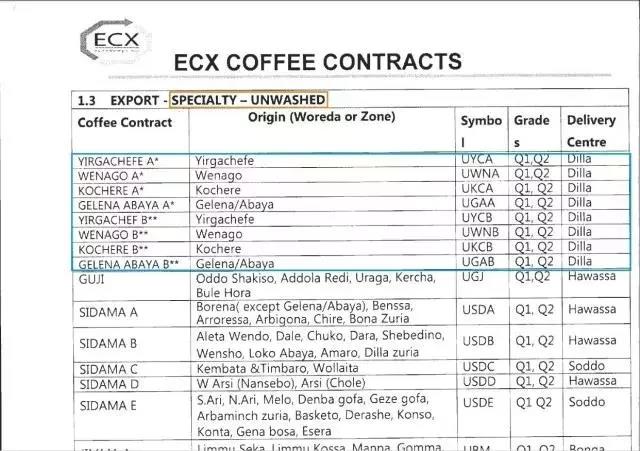
The various micro-regions under the Yirgacheffe umbrella—such as Kochere, Guji, and Gedeb—each have their own representative cooperatives. Due to differences in microclimates and processing methods, each region produces coffee with distinct personalities. For example, Kochere is known for its fresh floral and fruity notes, Guji often features intense fermentation flavors, while regions like Gedeb and Worka also have their own unique characteristics, making them excellent starting points for exploring the layered flavors of Yirgacheffe.
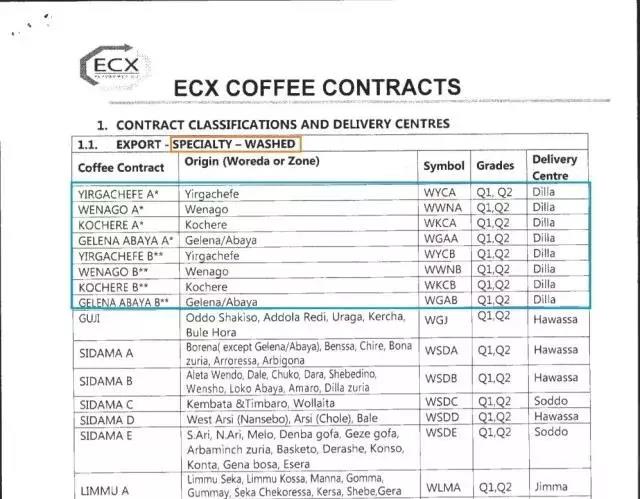
In terms of coffee bean grading, the Ethiopian Commodity Exchange (ECX) has established two sets of standards. The first is based on defect rates: 300 grams of green beans with fewer than 3 defects qualify as Grade 1 (G1), while 4 to 12 defects classify as Grade 2 (G2). The second is based on cupping flavor performance, evaluated according to SCA (Specialty Coffee Association) standards, with scores above 85 classified as Grade Q1 and scores between 80 and 84.75 as Grade Q2. Generally, most specialty Yirgacheffe coffees on the market fall under Grade G1 or Q1, making them the preferred choices for most coffee enthusiasts trying it for the first time.
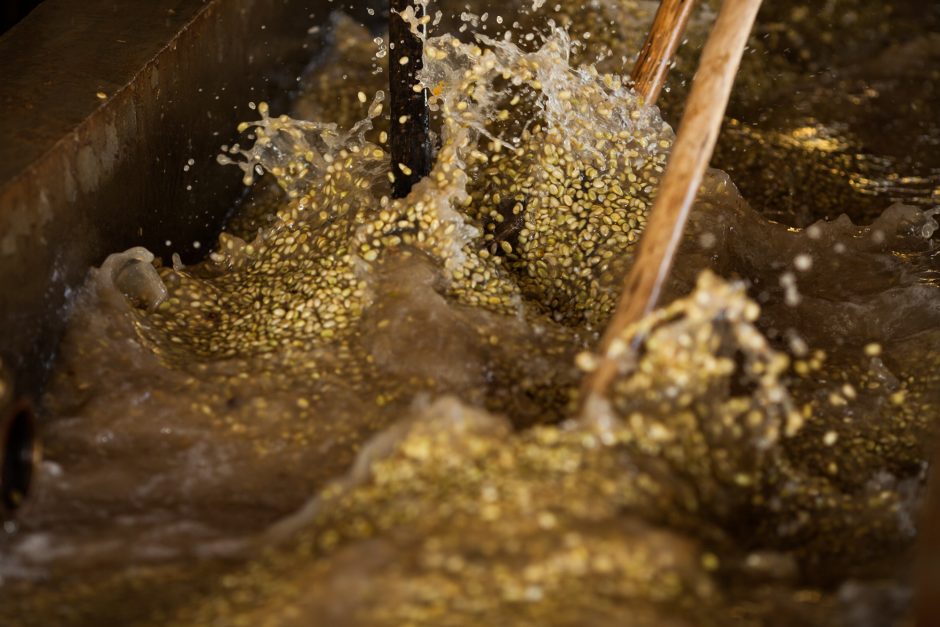
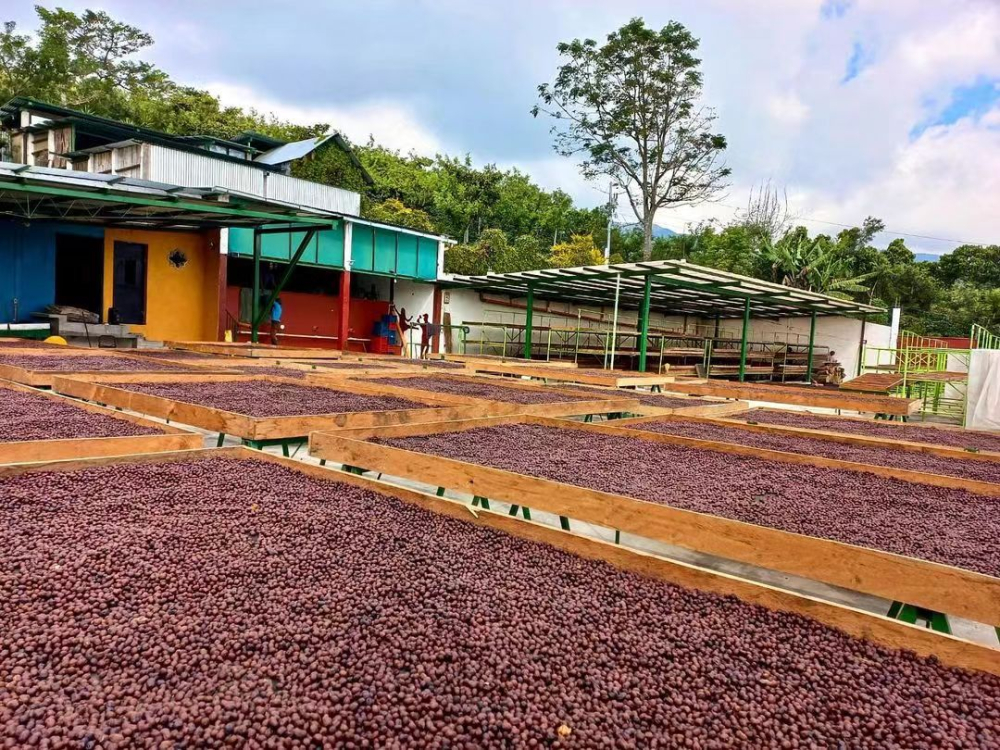
In processing methods, Yirgacheffe employs both traditional washed and natural (sun-dried) processes, each yielding unique flavor profiles. The washed process, introduced in 1972, has gradually become the mainstream method. Its characteristic lies in removing the fruit pulp during fermentation, resulting in cleaner and brighter acidity with a more defined flavor profile. While the natural process is more traditional, recent technological improvements—such as in the Guji region—have successfully controlled the fermentation process, reducing defect rates and enhancing sweetness and fruity notes, thus regaining market attention.
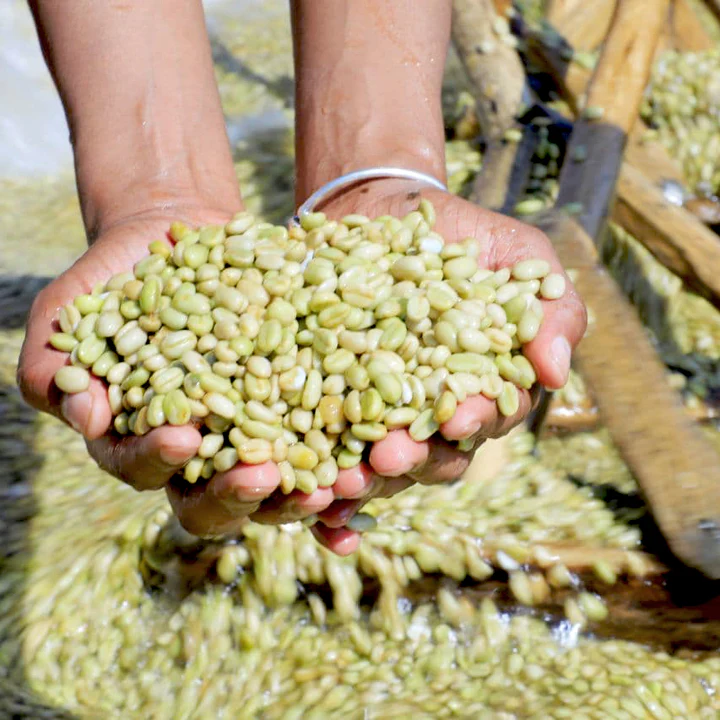
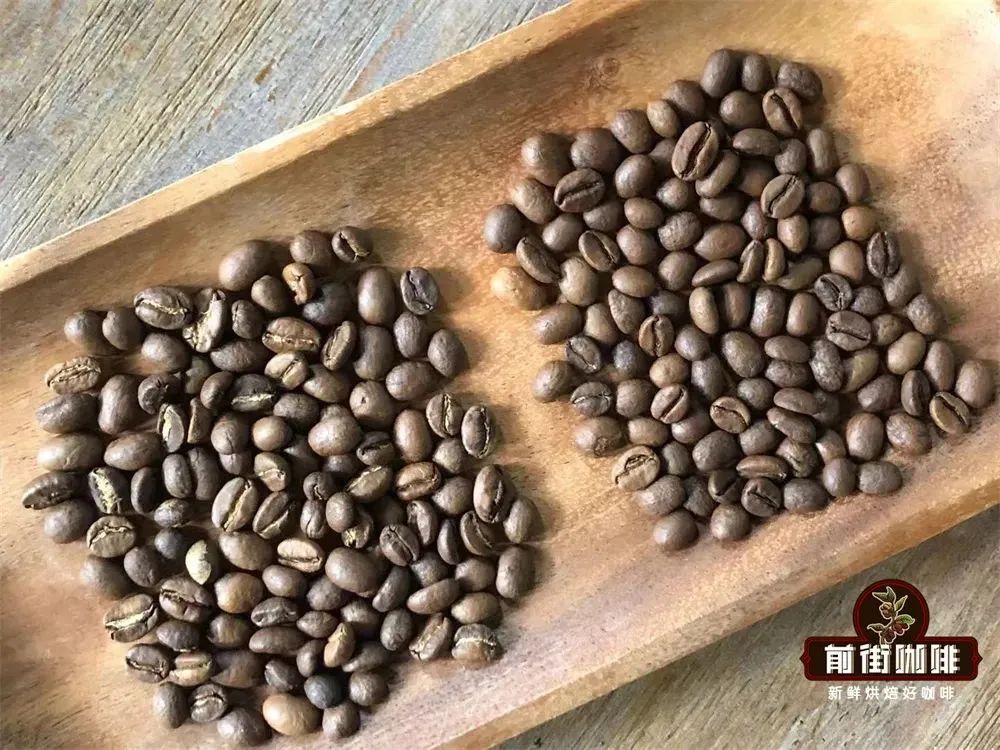
Observing the appearance of green beans, washed beans are typically bluish-green with clearly visible silver skins that are easy to identify, while natural beans tend to be yellowish-green with fewer silver skins and a smoother surface. After roasting, the silver skins of washed beans remain clearly visible, whereas natural beans show almost none. In terms of taste, washed Yirgacheffe generally features bright acidity, a clean mouthfeel, and notes of citrus and flowers, while natural Yirgacheffe offers more fermented layers and sweetness, often accompanied by complex flavors like honey, berries, and even wine-like notes.
For roasting, light roasting is the most common choice to highlight the delicate acidity and floral and fruity aromas of Yirgacheffe. This level of roasting preserves the maximum amount of the beans' inherent flavor characteristics, whether washed or natural, showcasing their unique terroir expressions. Of course, some consumers prefer medium-dark roasts, which transform the acidity into a richer tone and introduce chocolate and nutty notes. However, the mainstream market still favors light roasting to present Yirgacheffe’s most classic bright flavors.
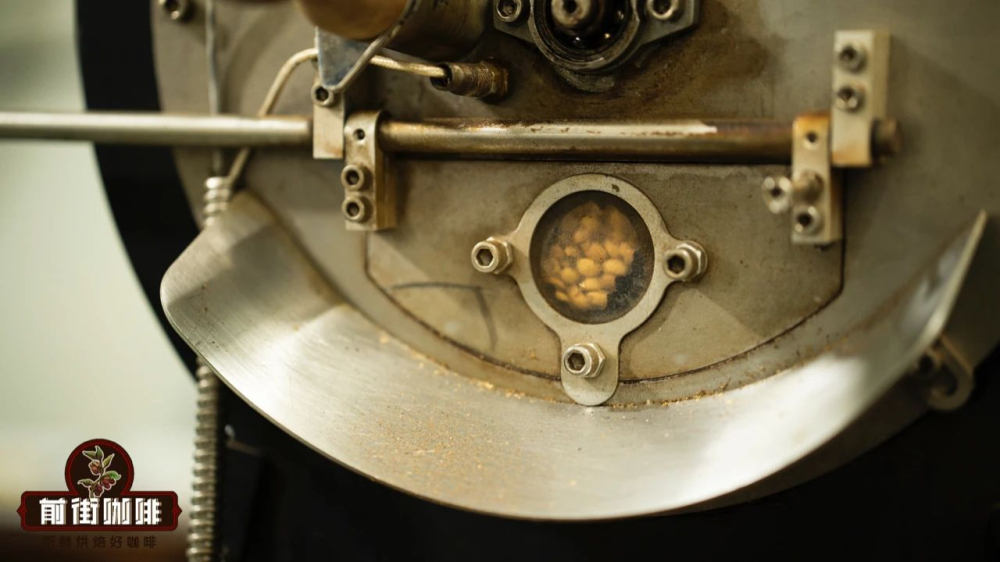
Below are two classic roast profiles for reference: a certain café’s natural Yirgacheffe (such as Red Cherry) uses the following roast settings: charge at 200°C, with a fan speed of 3 and heat at 150; turning point at 1’35”, when bean temperature reaches 140°C, increase heat to 180 and fan speed to 4; at 170°C, reduce heat to 150; at 9’01”, when bean surface shows wrinkles and dark spots, entering the first crack pre-stage, first crack begins at 9’25”, then reduce heat to 120 and fan speed to 5, develop the first crack for 1’40” before dropping at 196°C.
For washed Yirgacheffe (such as Guddu), the roast settings are: charge at 200°C, fan speed 3, heat 160; turning point at 1’32”, adjust heat to 180 at 140°C; at 8’35”, when the bean surface turns yellow and grassy notes fade, entering the pre-first crack stage, first crack starts at 8’53”, maintain heat at 180 and fan speed at 4, develop the first crack for 1’45” before dropping at 195°C. Both profiles are designed for V60 filter brewing, aiming to enhance flavor clarity and layering.
For brewing recommendations, to fully showcase Yirgacheffe’s fruity acidity and floral notes, it is suggested to use a V60 filter with a water temperature of 90°C and a 1:15 coffee-to-water ratio (e.g., 15 grams of coffee to 225 milliliters of water), with a grind size of about 80% through a Chinese No. 20 sieve (equivalent to BG#5F). Use a pulsed pouring method: start with a 30-second bloom using double the coffee dose (about 30 grams) of water, then pour in a small circular motion up to 125 grams, pause as the water level drops, and continue pouring up to 225 grams. Total brew time should be around 2 minutes. The V60’s 60-degree cone shape and clockwise spiral ribs promote even water flow through the coffee bed, improving extraction efficiency and flavor expression.
In terms of flavor, natural Yirgacheffe often exhibits fermented wine-like notes and rich fruitiness, such as citrus, honey, cocoa, and even grape juice sensations, with a long-lasting and layered aftertaste. Washed Yirgacheffe, on the other hand, presents a refreshing lemony acidity and citrus aroma, with a clean mouthfeel and a soft black tea-like finish, offering an overall more transparent and clear profile. Both share similarities in fruity acidity and juice-like qualities, but the natural version is more intense and sweet, while the washed version is lighter and more vibrant.
To better understand the flavor characteristics of Yirgacheffe’s various micro-regions, consider starting with a few representative washed beans. For example, Yirgacheffe from the Kochere region, grown at altitudes of 1650–1800 meters, features flavors of jasmine, lemon acidity, caramel, and berries; Yirgacheffe from Konga Washing Station, grown at 1300–2000 meters, offers a fresh combination of jasmine, citrus, lemon, honey, and green tea. Guddu, produced in the Gedeo Zone at 1900–2300 meters, has a varied flavor profile ranging from citrus and black tea to cream, caramel, and almonds, with a sweet and clean aftertaste. Yirgacheffe from the Worka region highlights lemon, plum, and Tieguanyin aromas, with caramel notes emerging as temperature changes, bright acidity, and a pronounced sweet finish.
For the natural series, Yirgacheffe from the Aricha region, processed at the Adorsi station at 1900–2000 meters, features mature fruit aromas and fermentation notes, with green grape and lemon acidity on entry, and grape juice sensations in the finish. Meanwhile, the popular Red Cherry Yirgacheffe, produced at the Altura station at 2300 meters, includes flavors of lemon, licorice, citrus, berries, and sweet orange, with high sweetness and an aftertaste of black tea and cream—making it a beloved classic natural flavor representation among many coffee enthusiasts.
The above content is compiled by CoffeeHunters, a coffee news website.


