







Introduction:Delve into Brazil’s unique status as the world’s largest coffee-producing country. From grading standards and the dominant Bourbon variety to the terroir differences across its three major specialty regions, this article systematically analyzes the origin characteristics and cup profile of Brazilian coffee beans. It also extends practical advice on roasting and pour over brewing to help coffee enthusiasts master comprehensive knowledge from bean selection to brewing.
Brazil is the world’s top coffee-producing nation, renowned for its low-acidity beans with nutty notes, chocolatey sweetness, and full-bodied mouthfeel. Its vast coffee-growing areas deliver consistently stable quality, though limited by terrain and climate, they generally lack the complex floral and fruity notes often found in high-altitude regions. Understanding Brazil’s coffee grading system and main varieties is the first step toward appreciating its flavor profile.
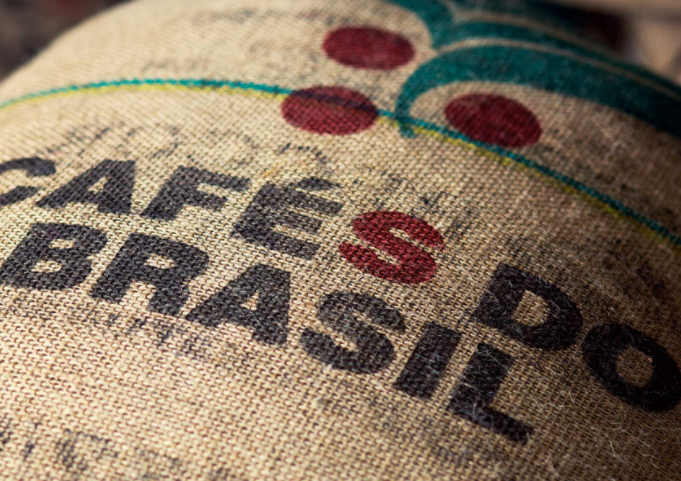
Brazil’s coffee grading system employs a unique “three-tier” labeling method, such as the common Brazil NY.2 SC 17/18 FC, which includes key information like defect rate, bean size, cup quality, and origin. This grading approach stems from the country’s massive production and export demands, requiring scientific cupping to classify different batches for consistent export quality.
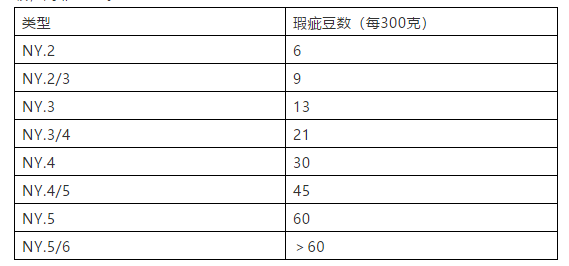
First is the defect rate grading, where Brazil uses a “deduction system” based on the number of defective beans per 300g of green coffee, divided into seven grades from No.2 to No.8. No.2 is the market-recognized high-quality grade, as No.1 (zero defects) lacks the stability needed for large-scale supply. Next is bean size, screened using 1/64-inch mesh, with the common 17/18 size being a relatively high-grade standard in the market.
Cup quality is often indicated by terms like FC (Fine Cup) and GC (Good Cup), along with processing method and origin details. For example, GC combined with natural or honey processing can further predict the flavor profile. Finally, there’s the flavor grade, where Brazilian coffee is categorized by mouthfeel into five levels: Strictly Soft (very smooth), Soft (smooth), Softish (slightly smooth), Hardish (harsh), and Rioy (iodine-like). Among these, Cerrado region coffees are often rated Strictly Soft Fine Cup, signifying exceptional quality and smoothness.
The main variety of Brazilian coffee beans is Bourbon, a mutation of the African Typica that was cultivated on the Bourbon Island in the Indian Ocean (now Réunion) before being introduced to Central and South America. Compared to Typica, Bourbon has broader leaves, smaller and denser fruit clusters, and is a frequent contender in specialty coffee competitions. In Brazil, the most notable Bourbon branches are Yellow Bourbon and Red Bourbon.
Yellow Bourbon is characterized by its ripe yellow fruit and accounts for less than 1% of plantings in Brazil, making it a rare variety. It typically offers a dry sweetness with nutty and chocolatey aromas, suiting semi-washed or natural processing. Due to its low yield and high cultivation barriers, it’s often seen as a symbol of premium specialty beans. Red Bourbon, a more common variety, bears red fruit when ripe and often exhibits brighter acidity and wine-like complexity when grown at higher altitudes.
Brazil’s three major specialty coffee regions are Sul de Minas, Cerrado, and Mogiana. Sul de Minas is located in the southern part of Minas Gerais state, mostly above 1100 meters in elevation, with diverse terrain and microclimates, significant day-night temperature variations, making it ideal for cultivating Bourbon and Yellow Bourbon, and a primary source of specialty coffee. Cerrado lies on the Brazilian central plateau, where only coffee grown between 1100 and 1300 meters can be labeled as “Cerrado coffee.” This region is known for its fertile soil, sweet and full-bodied flavors, and absence of earthy notes.
Mogiana, adjacent to Sul de Minas, features diverse terrain and cultivation environments, with planting models ranging from traditional large farms to small modern estates. Combining modern techniques with traditional culture, its coffee often delivers a distinct sugarcane-like sweetness. These three regions each have unique traits, key to understanding the diversity of Brazilian coffee.
Brazil’s coffee processing methods have evolved significantly over the past thirty years. Before 1990, nearly all coffee was processed using the natural (dry) method, but due to the dry climate and unstable weather, issues like moldy or earthy flavors were common. To address this, Brazil developed the pulped natural (semi-washed) method, which removes the skin and pulp while retaining some mucilage before sun-drying. This reduces processing time, minimizes flavor impurities, and improves consistency in bean cleanliness and ripeness. Some parts of Cerrado still adhere to traditional natural processing, but many high-quality farms now use pulped natural to enhance quality.
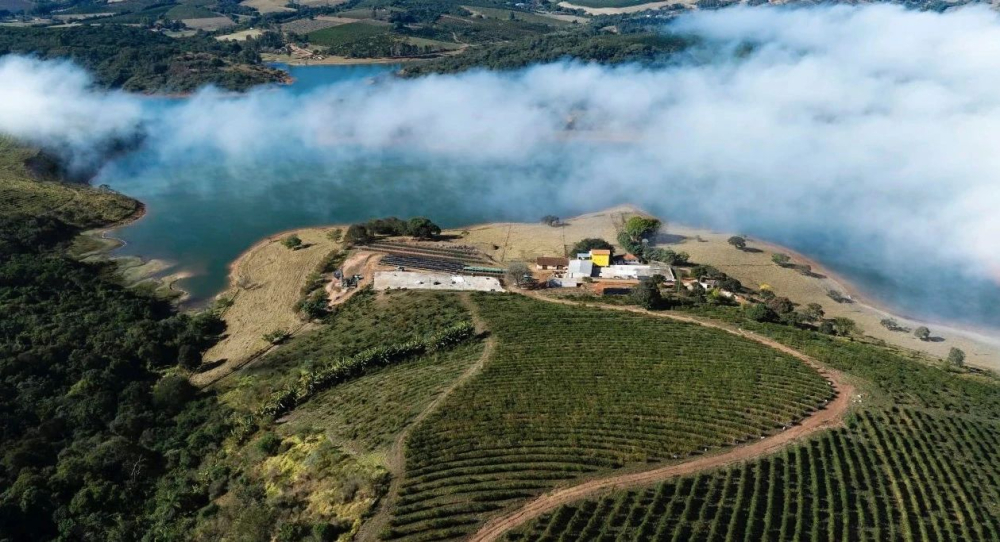
Take the Yellow Bourbon from Fazenda Rainha (Brazil Queen Estate) as an example. This coffee from the Mogiana region, grown at 1400–1950 meters, is processed using the natural method, with green bean moisture content around 9.9%. It exhibits pronounced citrus peel and spice aromas. For roasting, it’s recommended to start at 200°C, enhance the dehydration phase before entering Maillard reaction, and drop the beans at the end of first crack to preserve its sweetness and aromatic layers.
For cupping, it’s advised to proceed within 8–24 hours post-roast, using a 200ml ceramic cupping bowl, water temperature controlled at 94°C, a 1:18.18 coffee-to-water ratio, grind size at approximately 70%–75% passing through a 20-mesh sieve, with 11g of coffee powder and 200ml of hot water, extracting for about 4 minutes to fully showcase its flavor characteristics.
In actual cupping, the dry aroma of Fazenda Rainha Yellow Bourbon features roasted nuts and cinnamon, while the wet aroma shows roasted nuts and peanut notes. The flavor profile includes roasted nuts, peanut butter, fermented fruit, and distinct sugarcane-like sweetness, delivering a full-bodied and layered experience.
For brewing recommendations, the Kono filter is a good choice, with water temperature at 89°C, 15g of coffee, a 1:15 coffee-to-water ratio, and medium-fine grind (75% passing through a Chinese 20-mesh sieve). The pour over technique suggests a 30-second bloom with 30g of water, followed by a slow circular pour to 125g for the first stage. After the water level drops, continue pouring to 225g, with a total extraction time of about 2 minutes. This highlights its sweetness and soft acidity, accompanied by tropical fruit aromas and a chocolatey aftertaste, ideal for coffee lovers who prefer balanced profiles.
The above content is compiled by CoffeeHunters, a coffee news website.


