







Category: Coffee Knowledge

A Comprehensive Guide to Indonesian Mandheling Flavors: The Taste Secrets of Dark Roast and Golden Mandheling
Want to understand why Mandheling is regarded as the representative coffee of Asia? This article delves into the growing environment of Indonesian Mandheling, the uniqueness of the wet-hulled processing method, and how dark roasting affects its acidity and flavor profile. It also compares the differences between Golden Mandheling and regular Mandheling, and explains in detail the brewing methods suited to each, helping you choose the coffee beans that best match your taste. [more…]

How to brew Indonesian Mandheling coffee? Wet-hulled processing + medium-dark roast flavor profile analysis and pour over recommendations
Sumatran Mandheling coffee is renowned for its full-bodied, rich flavor with distinctive spicy notes, a result of its low-altitude cultivation and unique wet-hulling processing method. This article delves into the various factors influencing Mandheling’s flavor profile, including variety characteristics, processing methods, and roast levels. It also provides practical pour over parameters and a three-stage pouring technique, enabling you to brew classic Sumatran-style coffee with herbal, dark chocolate, and caramel aromas at home. [more…]
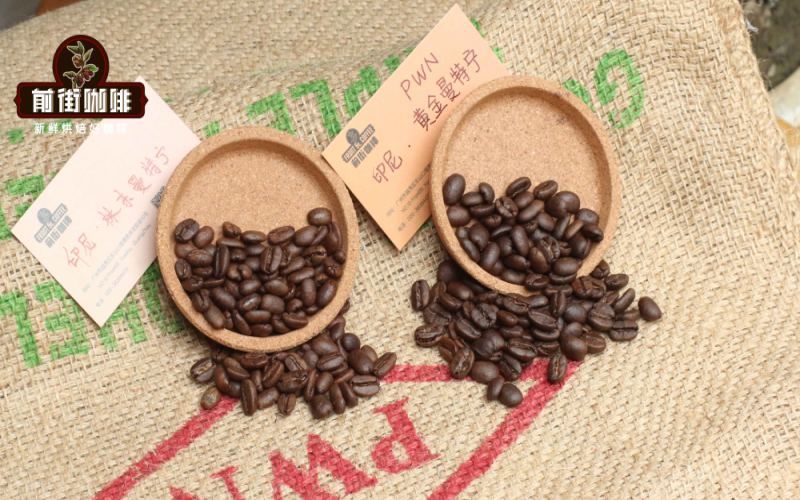
Analysis of Sumatra Mandheling Flavors: A Complete Guide to Origin, Wet-Hulled Processing, and Pour Over Techniques
Sumatra Mandheling coffee is renowned for its full body, low acidity, and distinctive herbal and spicy notes, making it a classic favorite among many coffee enthusiasts. This article delves into the environmental conditions of the Sumatra region, the primary coffee varieties grown, and the impact of wet-hulled processing, analyzing the factors behind its unique flavor profile. It also provides practical pour over parameters and techniques to help you brew a cup of Mandheling with clear flavors, natural sweetness, and a lingering aftertaste—offering useful inspiration for both beginners and seasoned coffee lovers. [more…]
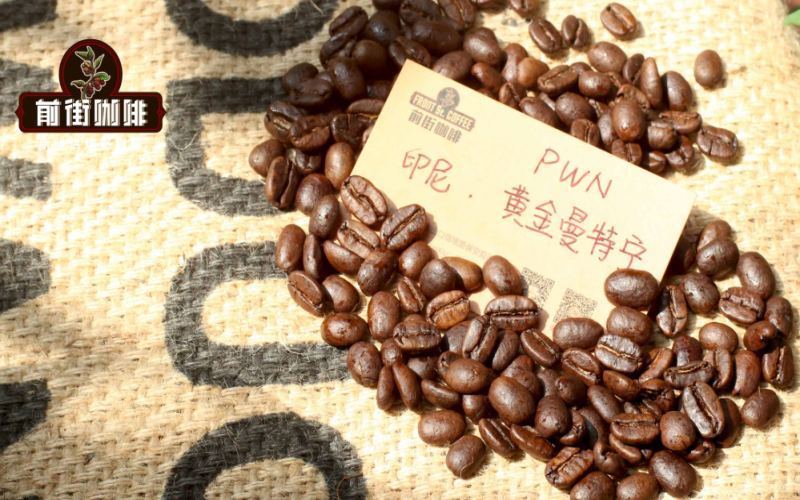
The Ultimate Guide to Pour Over with Dark Roast Mandheling: Bean Selection, Grinding, and Three-Stage Pouring Techniques
The common bitterness and off-flavors in dark roast Mandheling often stem from improper brewing methods. This article starts with an introduction to the bean variety, helping you understand the origin of the Mandheling name, and then dives into how to achieve a clean cup with rich caramel and chocolate notes through filter choice, brew ratio, grind size, and three-stage pouring techniques. Whether you're new to pour over or a seasoned brewer, you'll learn key details to refine your cup's flavor profile. [more…]
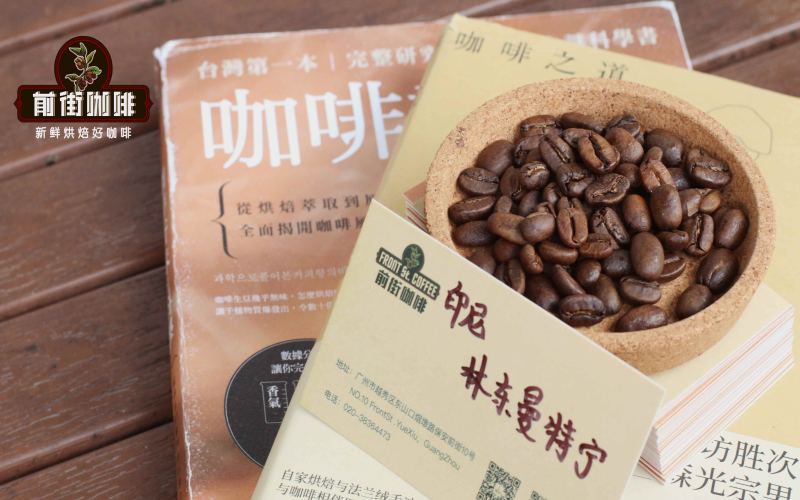
How to choose between Indonesian Mandheling single-origin beans and Italian-style blends? Extraction parameters and flavor analysis
Indonesian Mandheling is often the first dark-roasted bean that many coffee beginners encounter, but it's frequently misunderstood as being synonymous with espresso. This article will deeply analyze the fundamental differences between single-origin coffee and Italian espresso, explain whether Mandheling is suitable for single-origin brewing, how extraction conditions should be set, and provide a detailed introduction to several Indonesian beans from a well-known roasting brand—including PWN Golden Mandheling, Lintong Mandheling—and some popular Italian-style blends, helping readers make the right choice based on brewing methods and flavor preferences. [more…]

A Comprehensive Guide to Indonesian Mandheling Coffee: Name Origins, Regional Characteristics, and Pour Over Parameters for Golden Mandheling
Mandheling coffee is renowned for its rich, full-bodied flavor and distinctive spicy, herbal aroma, often referred to as the "gentleman of coffees." This article delves into the origins of the name "Mandheling," explores the geographical and climatic features of Sumatra’s growing regions, examines the impact of the wet hulling (Giling Basah) processing method, and details the grading and selection criteria for PWN Golden Mandheling. It also provides expert pour over recommendations, including the choice of KONO filter, water temperature control, grind size, and a three-stage pouring technique—helping you brew a well-balanced cup at home. [more…]
Indonesian Mandheling Coffee: A Complete Guide to Its Origins, Wet-Hulling Process, and Flavor Profile
Mandheling coffee is world-renowned for its rich, bold flavor and unique spicy notes, yet the name itself stems from a historical misunderstanding. Sourced from the Lintong and Aceh regions of Sumatra, Indonesia, it is processed using the distinctive wet-hulling method to produce uniquely flavored Arabica beans. This article will take you on an in-depth exploration of the origins of the Mandheling name, the regional environment, the processing techniques, as well as the classic Golden Mandheling flavor profile and pour over brewing recommendations—helping you better understand this iconic Asian coffee. [more…]
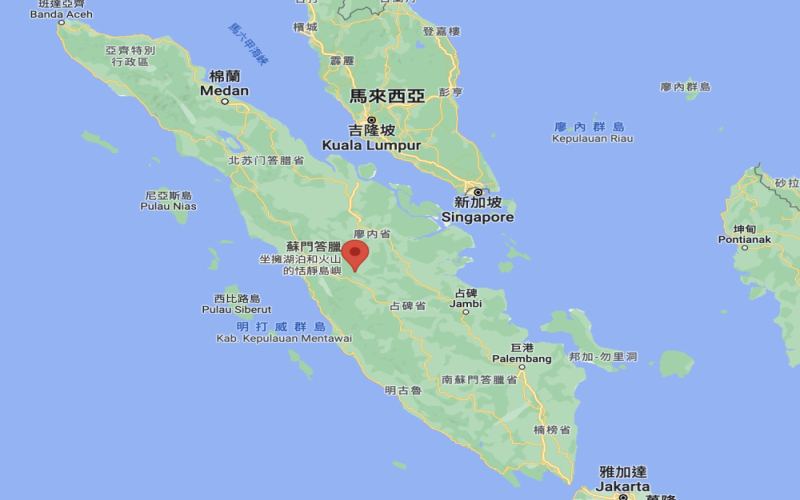
Analysis of Indonesia's Sumatra Mandheling Region | Complete Guide to Golden Mandheling Flavors and Pour Over Brewing
An in-depth exploration of the geographical environment and cultivation conditions of Sumatra's two premium Mandheling regions—Lintong and Gayo. Learn how PWN’s Golden Mandheling achieves Indonesia’s highest coffee bean grade through rigorous selection. This guide also details the medium-dark roast flavor profile ideal for pour over brewing, along with practical extraction parameters to help coffee enthusiasts master a rich and balanced brewing technique. [more…]
Panamanian Boquete Coffee Bean Tasting: Flavor Profile of the Casa Ruiz Cooperative and Regional Characteristics
The Boquete region in Panama is renowned for its high altitudes and traditional cultivation methods, producing premium coffee beans that boast both refreshing floral notes and rich, lingering finishes. This article provides an in-depth look at the unique terroir of the Boquete region, with a focus on the Casa Ruiz Cooperative, established in 1979. Discover how this family-led union, now in its third generation, consistently produces competitive Best of Panama-level coffee beans through rigorous quality control and environmentally friendly farming practices. [more…]

Complete Guide to Ethiopian Huacai Coffee: Terroir, Roasting Curve & Pour Over Parameters
This article provides an in-depth analysis of Ethiopia’s Guji-Hambella Huacai coffee, starting with its journey from winning the 2017 TOH competition to becoming a global sensation. It details how the volcanic soil and high-altitude environment of the Hambella sub-region shape its unique flavor profile, explores the sun-drying process at the Buku washing station and the characteristics of the Heirloom native variety, and offers expert insights on roasting curve design and V60 pour over golden parameters—helping you fully master this popular bean with prominent fruity and floral notes. [more…]

Analysis of Yunnan Arabica Coffee Varieties: Flavor Differences Between Typica and Catimor & Brewing Recommendations
Yunnan is China’s primary specialty coffee producing region, where the Arabica varieties grown are predominantly Typica and Catimor. This article provides an in-depth analysis of the origins, appearances, flavor profiles, and suitable processing methods of these two major varieties, along with practical brewing parameters for both washed and natural processed beans. It aims to help you better understand the potential and characteristics of Yunnan coffee and find the bean that suits your taste. [more…]
An In-depth Look at Arabica vs. Robusta: Ideal for Pour Over or Espresso? All You Need to Know About Blending
Arabica and Robusta are the two most prominent coffee varieties in the world, each with unique flavor profiles and suitable brewing scenarios. Understanding their differences can help you choose the right beans based on your taste preferences, and also explain why these two types are often skillfully blended in professional espresso recipes. This article provides a comprehensive comparison of the two varieties—from appearance and flavor to growing conditions and practical applications—and explains why Robusta plays an indispensable role in blends. [more…]
How to Brew Coffee Beans from Colombia's La Esperanza Estate? Complete Region Introduction & Flavor Analysis
La Esperanza Estate in Colombia is one of the country’s representatives of high-altitude specialty coffee, renowned for its delicate acidity, bright aromas, and diverse processing methods. This article delves into the geographical features of Huila, where La Esperanza is located, the differences among its four sub-estates, the unique characteristics of flagship varieties such as Geisha and Pacamara, and analyzes the flavor profiles under both light and dark roasting. It also provides practical pour over brewing recommendations to help you find [more…]

The Ultimate Guide to Honey Process Coffee: Differences Between Yellow, Red, and Black Honey & Pour Over Parameters
Honey processing is a refined technique that sits between washed and natural methods. By retaining varying levels of the fruit mucilage, it imparts richer sweetness and a fuller body to the coffee. This article delves into the classification logic of honey processing, its key differences from semi-washed methods, and uses renowned coffee regions in Costa Rica as examples. Alongside the actual flavor profiles of yellow honey, red honey, and black honey, we provide detailed pour over parameter recommendations to help you better understand the sources of sweetness and key extraction points. [more…]
Unveiling the Flavors of Yunnan Small-Bean Coffee: The Catimor Variety & Pour Over Starter Recommendations
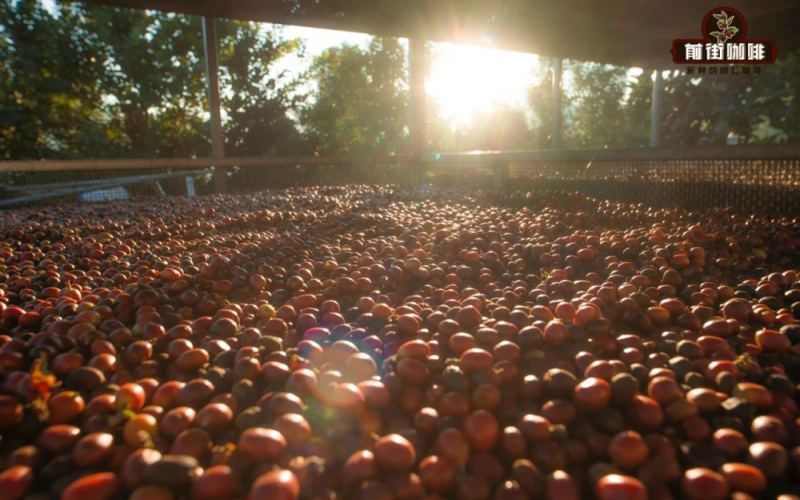
An in-depth exploration of the varietal origins and regional characteristics of Yunnan small-bean coffee—from the early introductions of Typica and Bourbon to today’s dominant Catimor—this article analyzes the conditions that shape its flavor profile. Discover how Yunnan coffee has evolved from the demands of disease resistance and high yield, and explore two classic washed and natural-processed bean options to provide flavor references and buying guidance for pour over beginners. [more…]
A Complete Guide to Yunnan Small-Bean Coffee Regions and Flavor Differences in Three Processing Methods
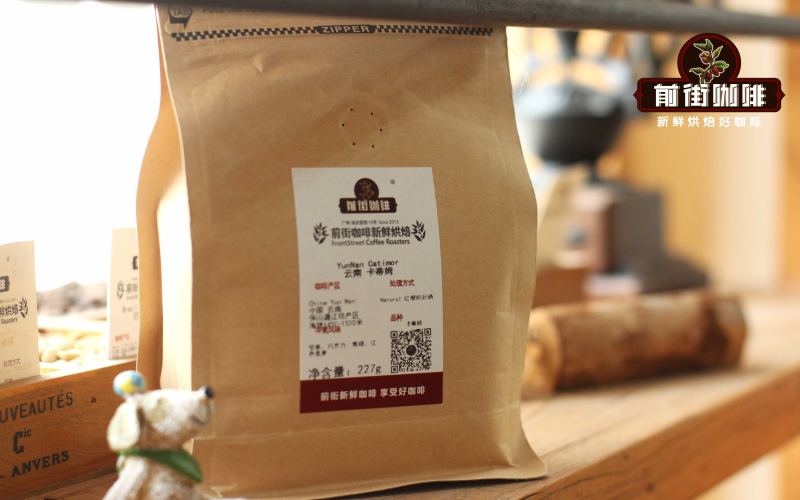
In recent years, Yunnan small-bean coffee has repeatedly made its mark on the international stage, becoming a focal point for specialty coffee enthusiasts. This article delves into the definition of Yunnan small-bean coffee, its main growing regions and geographical advantages, reviews the historical background and flavor characteristics of the dominant Catimor variety, and introduces the experimental cultivation results of the Typica variety. It also provides a detailed comparison of the flavor profiles and optimal brewing recommendations of three popular Yunnan coffee beans under natural sun-dried, washed, and blended processing methods, helping you fully grasp the essence of Yunnan-grown coffee. [more…]
Full Guide to the Flavor Profile and Pour Over Parameters of Yirgacheffe Kochere Washed Beans
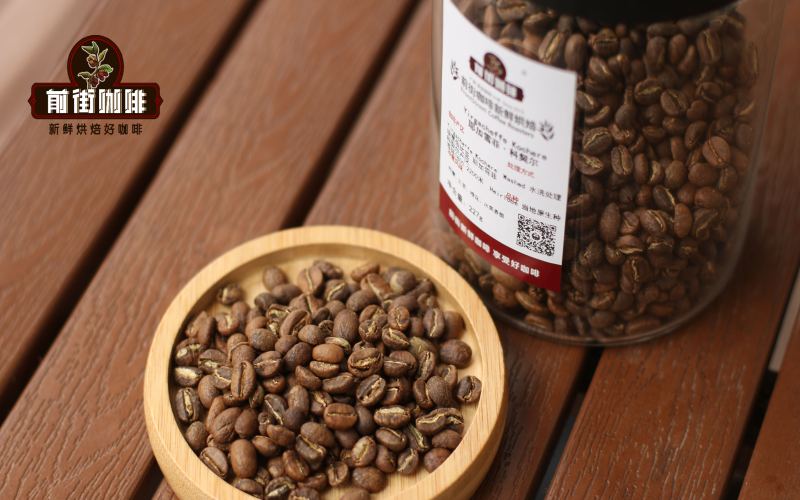
Delve into the geographic advantages of Ethiopia’s Yirgacheffe Kochere micro-region, the characteristics of its native coffee varieties, and the washed processing method. Analyze its unique flavor profile featuring citrus, floral notes, and a honey-like finish. Includes professional pour over recommendations to help you master the brewing essentials of this specialty coffee. [more…]
A Complete Guide to Panama Geisha from Hacienda La Esmeralda: Boquete Terrain, Red & Green Label Grading, and Pour Over Techniques
Discover how Panama Esmeralda Estate Geisha stands out from its high-altitude microclimate, understand the differences among its three main growing regions and the logic behind Red and Green label classifications, and learn expert pour over recommendations and V60 parameters—so you can brew a classic Geisha with intense floral aroma and layered complexity at home. [more…]
The Ultimate Guide to Panama Geisha from Finca El Velo: Altitude, Red vs. Green Label Differences, and Pour Over Tips
Want to dive deep into the mysteries of Panama Finca El Velo’s Geisha coffee? This article explores the region’s geography and microclimates, explains the distribution logic of its three main Geisha-growing blocks, and compares the differences in altitude, processing methods, and flavor profiles between the Red and Green labels. It also provides expert pour over recommendations and step-by-step instructions to help you fully showcase the floral, fruity notes and clear layers of Geisha. [more…]
In-depth Visit to Don Juan Coffee Farm in Costa Rica: What Flavors Does the Cloud Forest Belt Produce?
Delve into the Don Juan Coffee Farm nestled within the Monteverde Cloud Forest of Costa Rica. From its geographical environment and varietal characteristics to harvesting and initial processing, we comprehensively uncover the cultivation secrets of rainforest coffee. Learn how altitude and microclimate shape unique flavors, and explore the rigorous processes behind a specialty coffee—taking you from origin to cup to rediscover the value of coffee. [more…]