







Introduction:Yunnan is China’s primary specialty coffee-producing region, where the Arabica varieties planted are mainly Typica and Catimor. This article provides an in-depth analysis of the origins, appearances, flavor profiles, and suitable processing methods of these two major varieties, along with practical brewing parameters for both washed and natural processed beans. It aims to help you better understand the potential and characteristics of Yunnan coffee and find the beans that suit your taste.
Among the many coffee-growing regions, Yunnan has gradually secured its place on the map of China’s specialty coffee due to its unique geographical and climatic conditions. The Arabica varieties primarily grown there have transitioned from the classic Typica to the high-yield Catimor. This article will detail the historical background, appearance, flavor characteristics, and differences in processing and brewing methods of these two main varieties, enabling coffee enthusiasts to gain a more comprehensive understanding of the quality features of Yunnan coffee.
Variety can be said to be one of the most critical factors influencing coffee flavor. Arabica, known for its delicate flavors and bright acidity, is generally regarded as the representative of specialty coffee; in contrast, Robusta tends to have a stronger, more bitter flavor profile and is typically used in commercial blends or instant coffee. In Yunnan, the earliest introduced variety was the small-seeded Arabica, among which Typica is the most representative. However, due to Typica’s low disease resistance and yield, farmers gradually replaced it with Catimor, which offers stronger disease resistance and higher yields, making it the dominant variety in the market today.
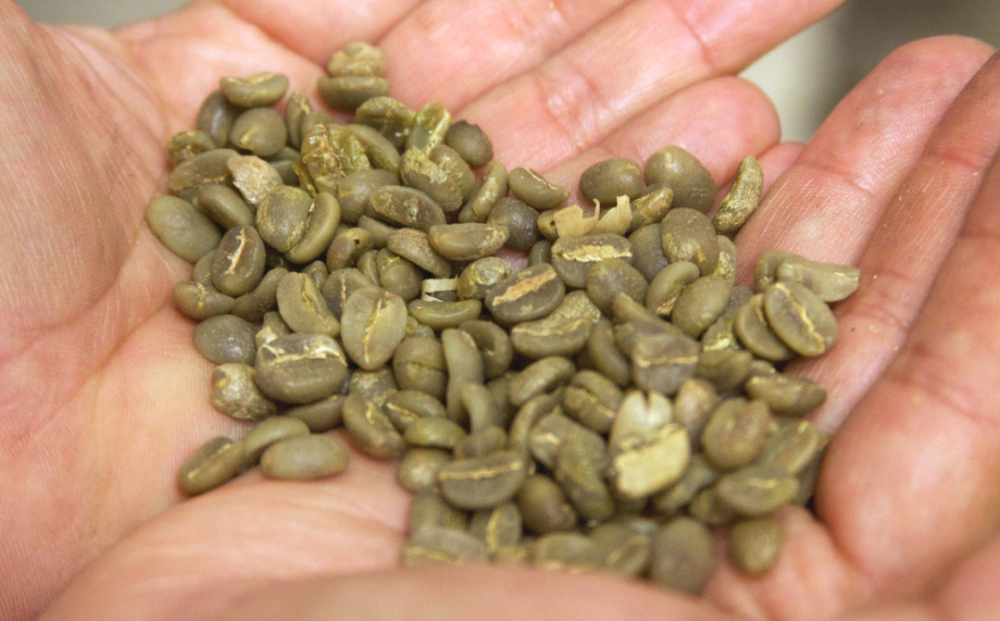
Speaking of Typica, it is one of the oldest original varieties from Ethiopia, discovered around the 15th to 16th centuries. Its tree type is relatively tall, with bronze-colored top leaves, and the coffee beans are slender with pointed ends, resembling an egg shape. This variety often exhibits clear citrus acidity with a sweet aftertaste, delivering an overall clean and elegant cup, and is considered a representation of high-quality coffee. However, its drawbacks are also obvious: low yield and susceptibility to leaf rust, leading farmers to gradually replace it with other varieties. For example, Jamaican Blue Mountain coffee uses the Typica variety, but it is only because of the region’s unique climate and strict management that its refined and delicate flavors can be fully expressed. One brand uses medium-dark roasting for this variety to enhance chocolate and nut aromas while preserving gentle acidity, achieving a balanced flavor profile.
On the other hand, the most widely planted coffee variety in Yunnan today is Catimor. As early as 1998, this variety accounted for over 90% of coffee cultivation in Yunnan. Catimor was developed in 1959 by Portugal’s CIFC research center as a hybrid of Timor and Caturra, containing 25% Robusta genetics, which gives it good disease resistance and high-yield characteristics, making it suitable for dense planting. However, due to its Robusta lineage, its flavor often includes herbal, earthy notes, or a more pronounced bitterness, and its cleanliness and complexity are usually not as good as those of pure Arabica. Nevertheless, as an Asian bean, Yunnan-grown Catimor still retains basic nutty and herbal tones, with soft acidity and an overall balanced profile suitable for everyday drinking.
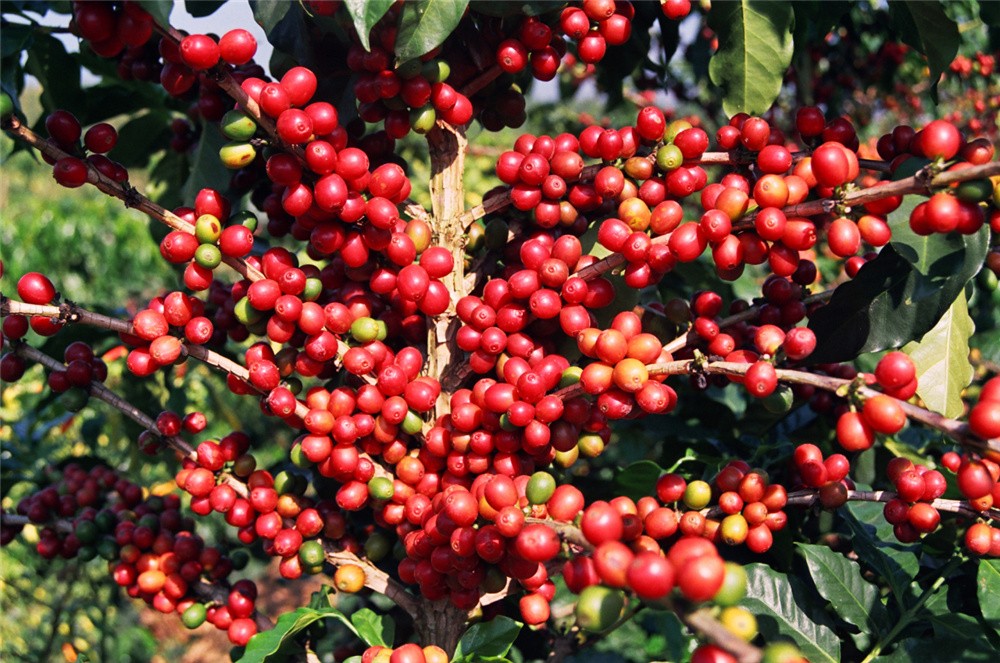
Arabica coffee is native to Ethiopia and thrives in high-altitude environments ranging from 600 to 2200 meters above sea level, with an optimal growth temperature of about 15 to 24°C and an annual rainfall requirement of 1200 to 2200 millimeters. Its leaves are dark green and elliptical, and the fruit is also oval-shaped, usually containing two beans per fruit, with slightly flat beans and a fine, elongated S-shaped center crack. Compared to Robusta, Arabica has a slightly lower chlorogenic acid content, about 5.5% to 8%, making it more susceptible to pest attacks and more sensitive to climate changes, resulting in relatively higher cultivation costs. However, its caffeine content is only about 0.9% to 1.2%, with a higher fat ratio, contributing to its prominent sweetness and layered acidity, making it the preferred choice for many coffee drinkers.
In terms of flavor profile, Arabica coffee generally exhibits bright fruit acidity, rich aromatic layers, and diverse sweetness expressions, all of which can also be clearly felt in Yunnan coffee. Whether it’s Typica or Catimor, with appropriate processing methods and roast levels, the potential of each variety can be showcased. Especially in washed and natural processing, although Yunnan is a rainy region where washed processing dominates, some farms also offer natural versions, providing consumers with more diverse flavor options.
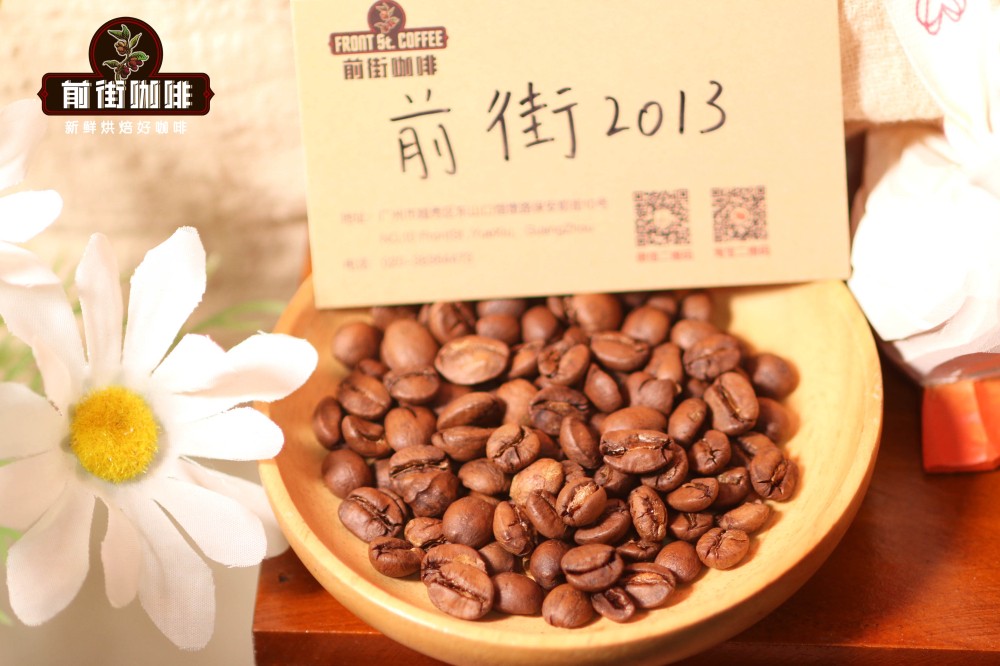
In Yunnan’s Lincang region, suitable geographical conditions, abundant sunlight, and distinct wet and dry seasons have made it an important base for local coffee cultivation. One brand operates its own farm in Lincang, growing pure Typica varieties. From seedling to first harvest takes four to five years, and although the wait is long, it allows for a more layered flavor expression. One brand’s “Brand 2013” Typica coffee, roasted to a medium-dark level, presents aromas of chocolate, nuts, and brown sugar, with a full-bodied mouthfeel and a pronounced aftertaste, making it suitable for coffee lovers who prefer balanced flavors.
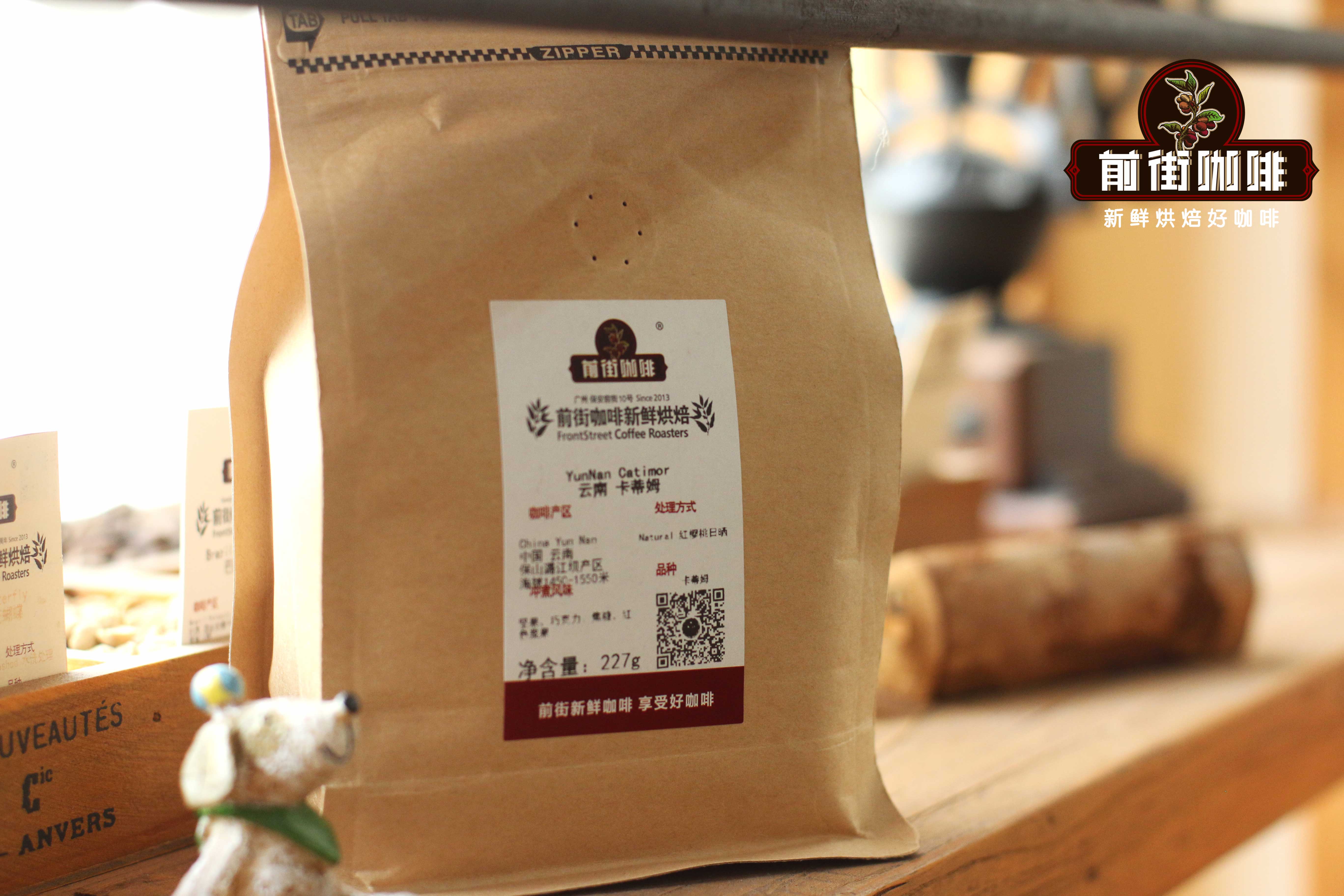
As for processing methods, due to Yunnan’s rainy climate, washed processing has become the mainstream, effectively enhancing cleanliness and acidity. However, some producers have also experimented with natural processing. For instance, one brand offers natural Catimor and natural Typica, using sun drying to bring out richer fruit aromas and sweetness. Washed processing removes the pulp through fermentation, preserving clear fruit acidity and delicate aromas, suitable for drinkers who prefer a refreshing cup; natural processing emphasizes the interaction between the pulp and the beans, highlighting a richer sweetness and spice notes.
For brewing Yunnan coffee, one brand recommends using medium-light to medium roasts to preserve its acidity, sweetness, and tea-like characteristics. It is suggested to use a V60 dripper, with a coffee-to-water ratio of 1:15, a grind size of medium-fine (similar to coarse sugar, or about 75% extraction rate through a Chinese No. 20 sieve), and water temperature controlled at 88°C. During brewing, start with a 30-second bloom using twice the amount of water as coffee grounds (e.g., 60 grams of water for 30 grams of coffee) to release CO₂, then pour in a circular motion with a slow stream until reaching 125 grams for the first pour, followed by additional pouring up to 225 grams before stopping. Let the dripper finish dripping before removing it, with a total extraction time of about 2 minutes. These parameters can fully showcase the fruity acidity layers and rich aftertaste of Yunnan coffee.
In terms of flavor expression, one brand’s washed Yunnan small-bean coffee presents herbal, nutty, and chocolatey notes, with caramel aromas and a subtle fruity acidity aftertaste; natural Catimor showcases nutty, spicy, and plum flavors with a richer mouthfeel; while one brand’s 2013 natural Typica coffee combines nutty tones with soft acidity, a prominent sweetness, and high balance, featuring berry-like acidity and brown sugar aromas, suitable for consumers who enjoy a rich-tasting cup.
The above content is compiled by CoffeeHunters, a coffee news website.


