







Introduction:Discover how Panama’s Hacienda La Esmeralda Geisha stands out from high-altitude microclimates, grasp the differences among its three main growing areas and the logic behind Red and Green Label distinctions, and learn professional pour over recommendations and V60 parameters — so you can brew floral, layered classic Geisha at home.
The Geisha variety now enjoys an exceptional reputation in the specialty coffee world. If you want to experience its most authentic flavors, Panama’s Hacienda La Esmeralda is absolutely a name you can’t miss. This renowned estate, located in the Boquete and Volcán Barú regions, showcases the unique aromas and fruity notes of Geisha to perfection, thanks to its prime geographical conditions and rigorous grading system. This article will take you deep into the microclimate of Hacienda La Esmeralda, the characteristics of its three major producing areas, and the grading basis for Red and Green Label Geisha, while also providing practical pour over advice and V60 parameters to help you more accurately reproduce the captivating layers of Geisha.
Panama’s specialty coffee is mainly concentrated in three key highland areas in the west: Boquete, Volcán, and Renacimiento. Among them, the Boquete Valley and the Volcán area surrounding the Barú Volcano, situated in the plateau zone of Chiriquí Province, boast typical volcanic soils and pristine forest environments, making them ideal cultivation grounds for the Geisha variety. The climate in this region is influenced by the central mountain range; the east-west orientation of the mountains keeps high-altitude areas cool in the early morning and at night, combined with abundant rainfall and cloud cover, creating a microclimate that is extremely well-suited for Geisha growth.
Boquete is located in Chiriquí Province, with an average altitude between 1,000 and 2,000 meters. It lies on the eastern foothills of the Barú Volcano, receiving warm, humid airflows from the Caribbean Sea on one side and being regulated by the cold currents of the Atlantic on the other. The steep terrain and frequent fog create a diverse range of microclimates. The mineral-rich soil, along with the Barú Volcano National Park within the ecological reserve that nurtures water sources and biodiversity, allows numerous renowned coffee farms, including Hacienda La Esmeralda, to thrive here.
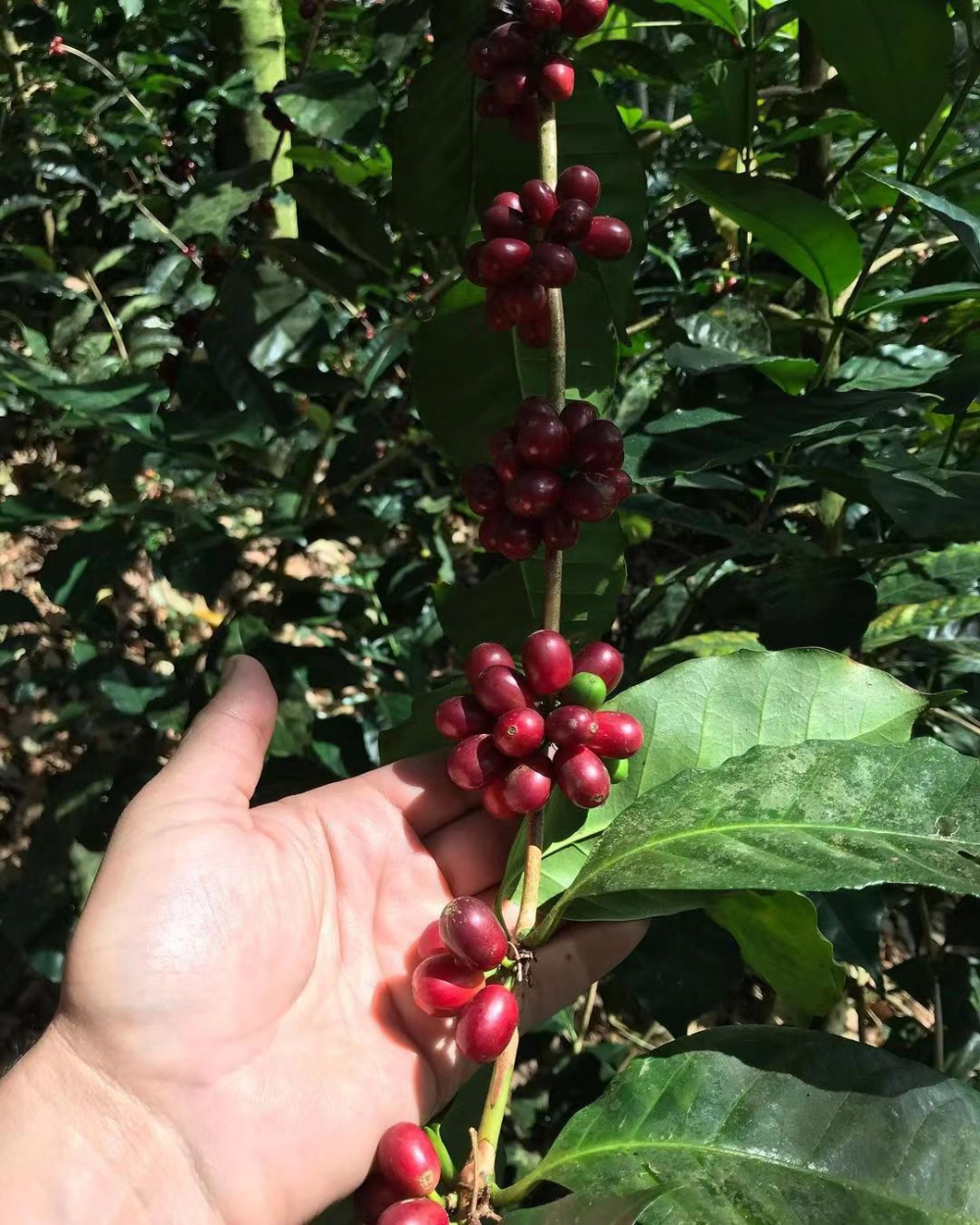
When it comes to Geisha, one must mention Hacienda La Esmeralda. In 2004, the estate shot to fame by winning the Best of Panama competition with the Geisha variety, and has since continued to break auction price records year after year. Hacienda La Esmeralda not only made Geisha synonymous with specialty coffee, but was also the first in the world to systematically grade and manage Geisha by growing area. Since their championship win, the Peterson siblings, Daniela and Ricardo, have further subdivided and managed the Geisha planting zones based on altitude, microclimate, and cupping results.
Hacienda La Esmeralda’s Geisha plantings are mainly distributed across three blocks: Cañas Verdes, Jaramillo, and El Velo. Each of these major blocks is further divided into multiple small plots to ensure the traceability of each batch of Geisha. Among them, Jaramillo is regarded as the core area for the discovery and cultivation of Geisha, with an average altitude exceeding 1,650 meters. The consistently cool and humid environment imparts the coffee with rich and delicate aromas. This block is further divided into five small plots: Mario, Noria, Reina, Bosque, and Buenos Aires, with Mario and Bosque repeatedly standing out in international competitions.
Hacienda La Esmeralda’s coffee processing facility is located at the lower-altitude Cañas Verdes, near the base of the Barú Volcano, about a twenty-minute drive from the town of Boquete. Whenever the coffee cherries reach their optimal ripeness, workers hand-pick and rigorously sort them, ensuring only the ripest fruits are selected and quickly transported to the processing facility to preserve the best flavors.
Among Hacienda La Esmeralda’s Geisha product line, “Red Label” and “Green Label” are the most common grading designations. Red Label (ESMERALDA SPECIAL) represents the highest grade, belonging to auction lots (including auction-exclusive batches), typically scoring above 90 points in cupping, and sourced from the Jaramillo and Cañas Verdes areas at altitudes of 1,600 to 1,800 meters. These batches of Geisha, due to their strict selection and refined processing, often face fierce competition in the international market.
Some batches within the Red Label participate in independent auctions. These auction lots each have a unique number corresponding to the full harvest of a specific plot. For example, the Mario plot in Jaramillo is a highly sought-after auction favorite. A certain shop’s Red Label natural process Geisha was sourced from this area, and its processing combined traditional patio drying with the Guardiola mechanical drying system to ensure even evaporation of pulp moisture, ultimately delivering balanced and layered aromas.
In contrast, the Green Label (PRIVATE COLLECTION) belongs to the private collection grade, also sourced from Jaramillo and Cañas Verdes at the same altitude range, but without disclosing specific plot information or participating in auctions. Although slightly lower in grade than the Red Label, Green Label Geisha still exhibits the classic characteristics of high-altitude Geisha, with common flavor notes including lemon, berries, grapefruit, and a light tea-like quality, mostly presented with a washed process to deliver a crisper profile.
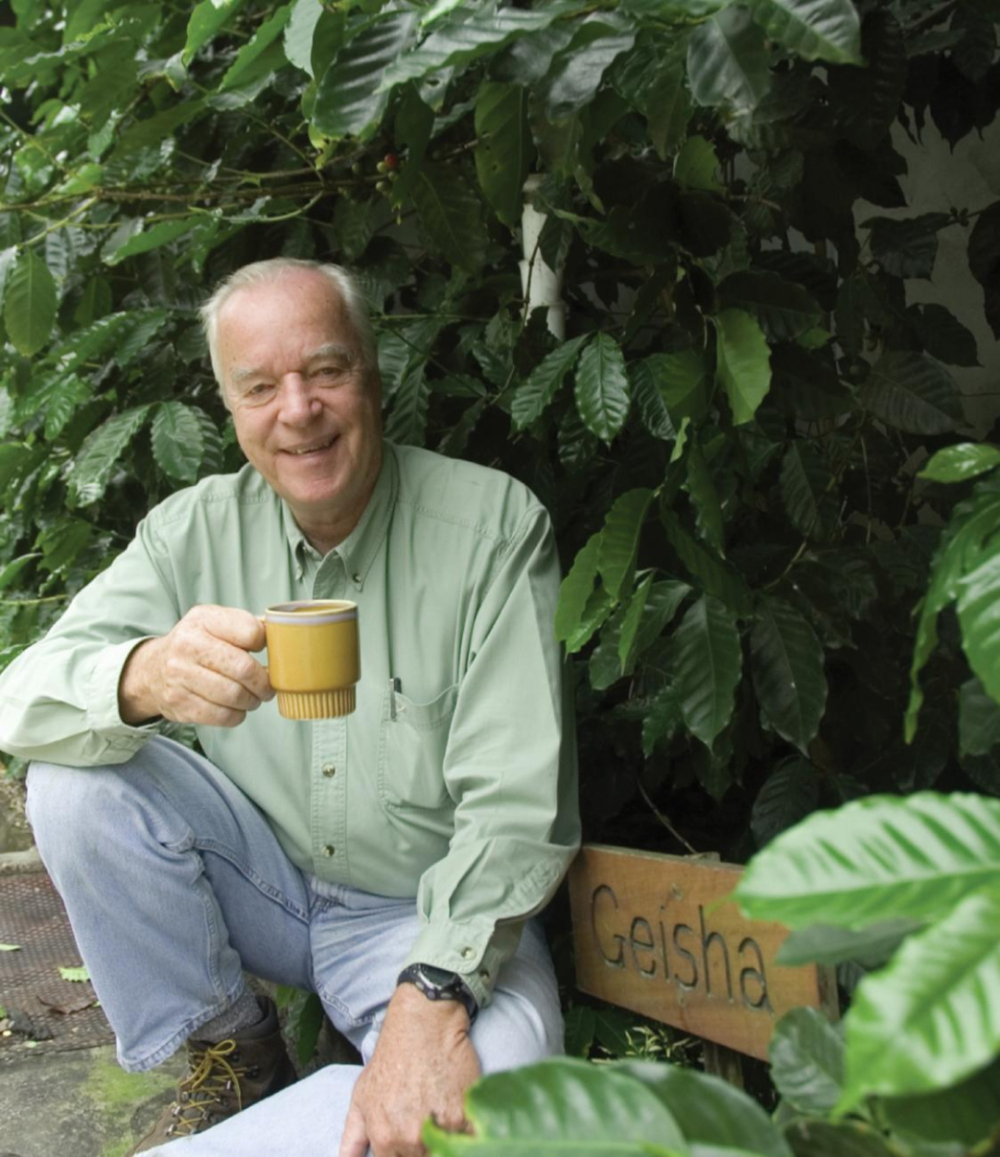
When brewing Geisha, it is recommended to choose a medium-light roast to preserve its vibrant acidity and complex fruitiness. Some roasters fine-tune the roast level according to different batches and suggest using a V60 filter cone with a relatively high water temperature (around 92°C) and a finer grind (close to 80% passing through a #20 sieve), using a 1:16 powder-to-water ratio for extraction, which can more fully release the layers and aromas of Geisha.
The unique design of the V60 filter cone, featuring a central large hole and spiral flow channels, extends the contact time between water and coffee grounds while maintaining stable extraction efficiency, helping to highlight the sweet-acid balance and delicate aftertaste of Geisha. In practice, it is recommended to start with a 30-gram bloom for 30 seconds, then pour up to 125 grams, and when the liquid level drops halfway, continue pouring up to 240 grams, with the total extraction time controlled to around 2 minutes.
This method can fully showcase the jasmine floral notes, citrus tones, and tropical fruit flavors of Hacienda La Esmeralda’s Red Label natural Geisha. As the temperature drops, the aftertaste transitions into a softer tea-like sensation, with an overall smooth mouthfeel and distinct layering — an essential classic experience for lovers of Geisha flavors.
The above content is compiled by CoffeeHunters, a coffee news website.


