







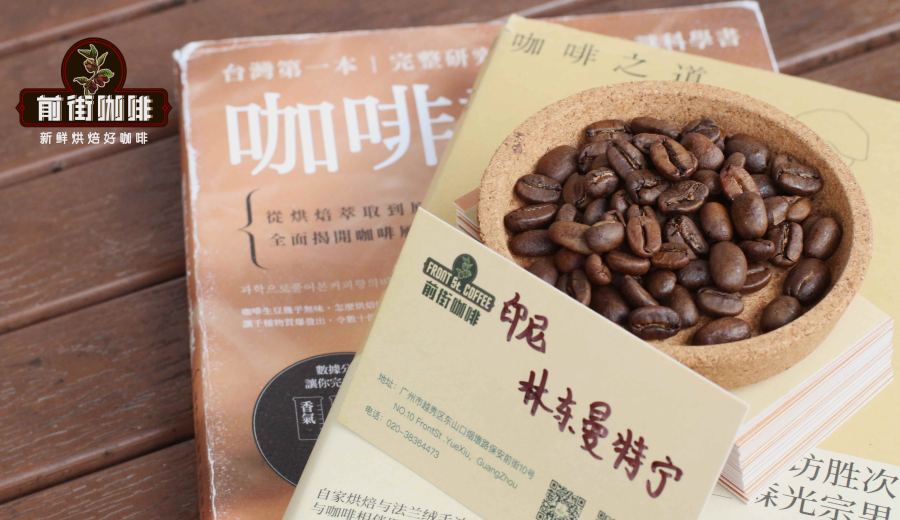
Introduction:Indonesian Mandheling is often the first dark roast coffee that many beginners try, but it's frequently misunderstood as being synonymous with espresso. This article will delve into the fundamental differences between single-origin coffee and espresso, explain whether Mandheling is suitable for single-origin brewing, how to set the optimal extraction parameters, and provide a detailed introduction to several popular Indonesian beans under a well-known roasting brand — including PWN Golden Mandheling and Lintong Mandheling — as well as a few trending espresso blends. This will help readers make the right choice based on their brewing method and flavor preferences.
Many coffee novices, when tasting Indonesian Mandheling for the first time, often confuse it with espresso due to its intense bitterness, even equating the two. In reality, Mandheling is a single-origin coffee from Sumatra, Indonesia, typically dark roasted and processed using the wet-hulled method. Its flavors are dominated by herbal notes, nuts, and dark chocolate, making it well-suited for filter brewing methods like pour over or French press. On the other hand, espresso generally refers to a concentrated coffee extracted under high pressure and temperature, commonly used in drinks like lattes and cappuccinos, and most often made with blended beans to achieve a balanced and rich taste.
So, can single-origin coffee beans be used to make espresso? The answer is yes. This type of espresso made from beans of a single origin is commonly referred to as SOE (Single Origin Espresso). However, because single-origin beans have distinct and pronounced flavor characteristics — such as citrus or floral notes — these can turn into sharp acidity or discordant flavors under high-pressure extraction. Therefore, professional coffee shops often choose blended beans as the base for espresso to ensure a stable and rich flavor profile.
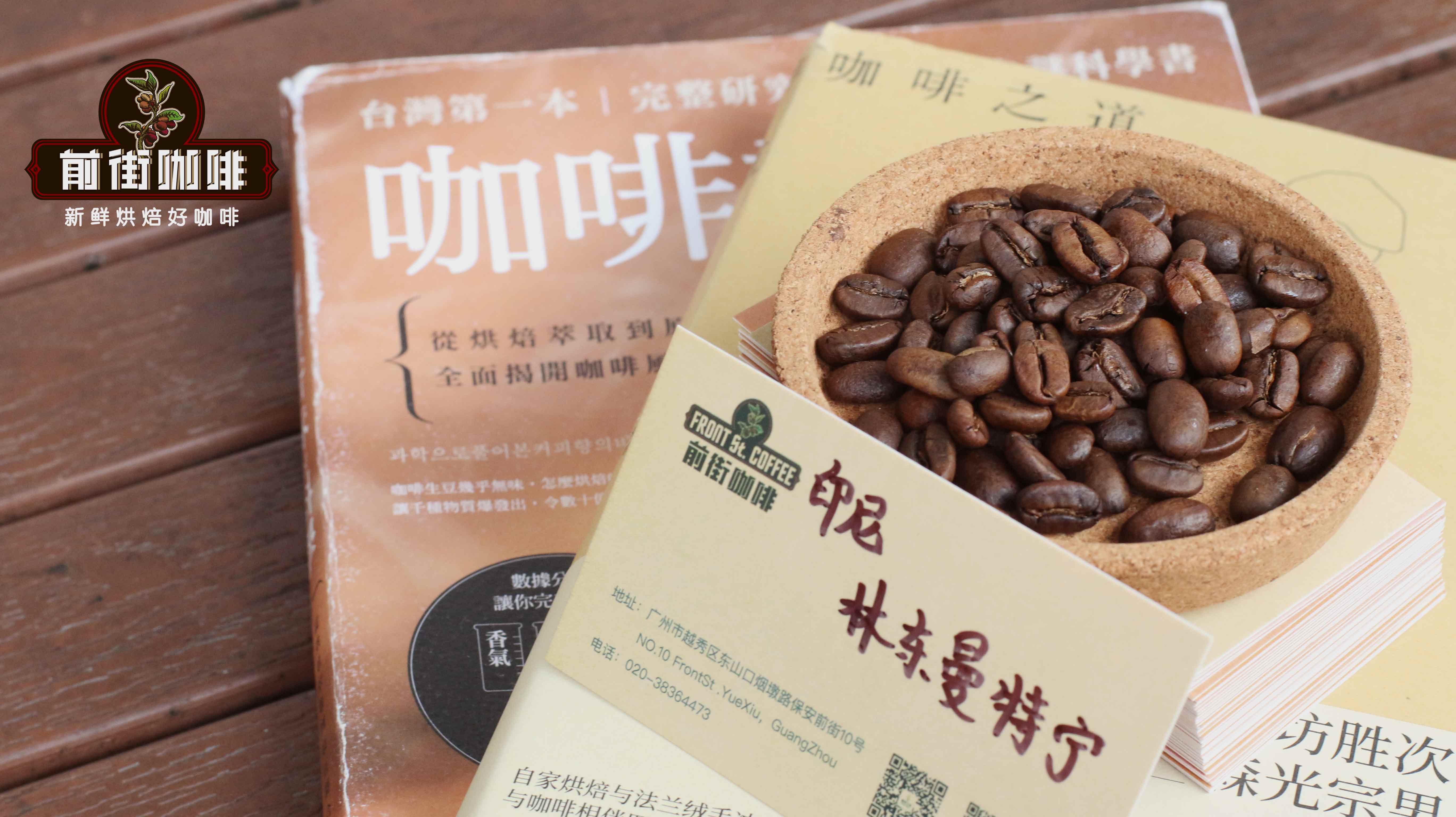
Returning to Mandheling itself, this coffee bean from Sumatra excels in dark roasts and commonly employs the wet-hulled process, which effectively removes the fruit mucilage layer to accelerate drying, resulting in a cup that is bold, full-bodied, and low in acidity. Generally, Mandheling is better suited for pour over or French press brewing. It is recommended to use water at around 90–93°C, a brew ratio of 1:15, and a grind size close to medium-fine (e.g., about 70–75% passing through a Chinese standard No. 20 sieve), with an extraction time of around 2 minutes. This highlights its nutty, caramel, and herbal notes while avoiding excessive bitterness.
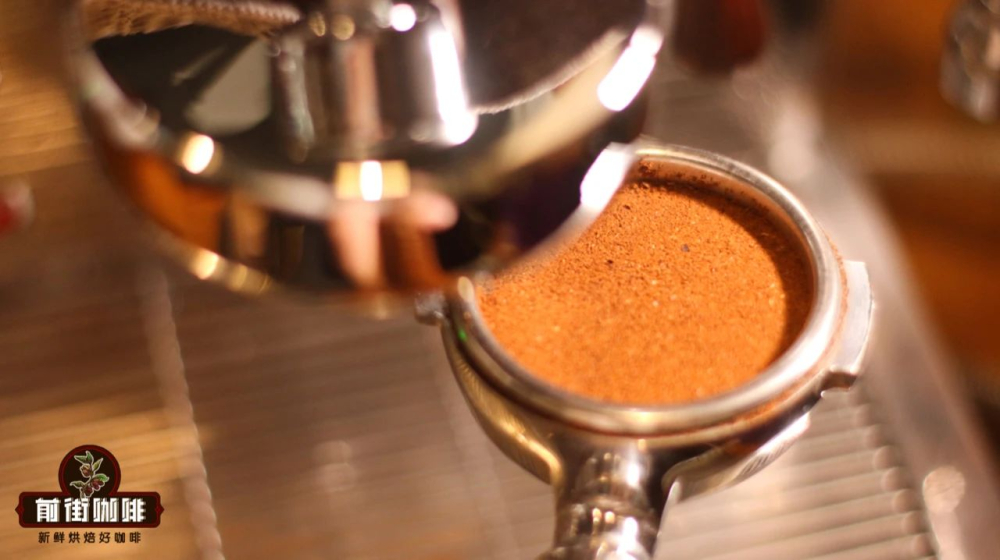
If using Mandheling to make espresso, it is recommended to choose a medium-dark roast or darker. The grind should be finer (close to powdered, about 30–40% passing through a No. 20 sieve), with water temperature maintained at 90.5–96°C, pressure around 9 bar, and extraction time of 20–30 seconds. This yields an espresso with a rich flavor and a deep chocolate and spice finish. However, it’s worth noting that the herbal and toast-like notes inherent in Mandheling may be amplified under high-pressure extraction, which may not appeal to every coffee drinker.
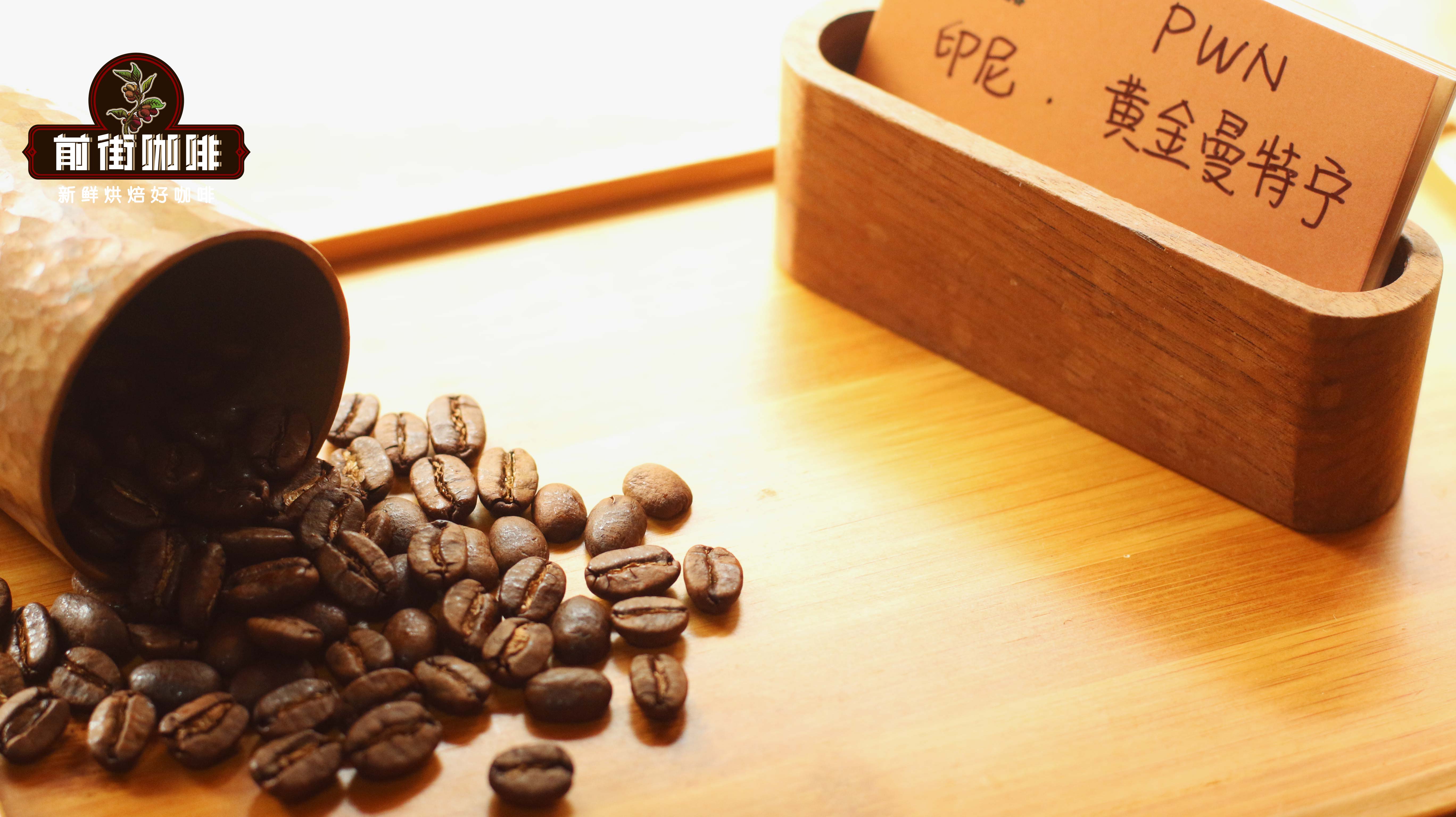
For coffee enthusiasts looking to explore different flavor profiles, here are several popular blends and single-origin options with distinctive characteristics on the market. First is PWN Golden Mandheling, sourced from Gayo Mountain in Aceh, Sumatra, at altitudes of 1100–1600 meters. The variety is Ateng, classified as G1 grade with an extremely low defect rate, having undergone three rounds of manual sorting to ensure cleanliness and consistency. Processed via the wet-hulled method, this bean often exhibits flavors of baked toast, nuts, pine, and caramel, with a full body and noticeable sweetness, making it ideal for those who enjoy dark roast flavors. It’s important to note that products commonly labeled as "Golden Mandheling" on the market may not all come from PWN; it’s advisable to look for sack packaging and relevant certifications to ensure authenticity.
Another everyday option is Lintong Mandheling, grown in the Lintong mountainous region of north-central Sumatra, also processed using the wet-hulled method. The varieties include Typica and Catuaí, with altitudes also between 1100–1600 meters. Compared to Golden Mandheling, Lintong Mandheling has a more approachable flavor profile, highlighted by baked toast, nuts, caramel, and herbs, with low acidity and high body. It’s very suitable for beginner pour over enthusiasts looking to try something new or for daily consumption.
Among blends, the Sunflower Warm Blend combines Honduran Sherry and Ethiopian Yirgacheffe Red Cherry in a 7:3 ratio, offering a rich and layered flavor profile with pronounced fruity acidity, berry aromas, and wine-like notes. It especially shines as espresso, highlighting deep chocolate and a sweet aftertaste, but is also suitable for pour over. The Premium Blend mixes Brazilian and Colombian beans in a 3:7 ratio, delivering a soft, mildly acidic profile with nutty and dark chocolate undertones, medium body, and is an ideal foundational choice for daily shop offerings.
The Commercial Blend includes 10% Robusta, with a formula of Colombian, Brazilian, and Robusta beans in a 3:6:1 ratio. It features rich crema, prominent caramel and cocoa aromas, balanced sweetness and acidity, and a long-lasting aftertaste, making it suitable for shops seeking a bold flavor and cost-effectiveness. The Dark Cocoa Blend is a combination of Yunnan and Brazilian beans in a 3:7 ratio, offering a gentle profile with fruity acidity and caramel sweetness. It is great for beginners or home users, offering good value, and while the flavor is more subdued, it is stable and easy to drink.
In summary, Indonesian Mandheling, due to its dark roast and wet-hulled processing traits, is often categorized as a single-origin coffee, ideal for appreciating its full body and low acidity through pour over or French press. If used for espresso, a medium-dark roast or darker is recommended, along with adjusted grind and brewing parameters, though the flavor outcome may differ from professional blends. As for various "Mandheling-flavored" or "espresso-flavored" products on the market, the real differences mainly lie in bean variety, processing method, and roast level, rather than just the name. By understanding each bean’s origin, processing, and roasting details, one can more accurately select coffee that suits their personal taste.
The above content is compiled by CoffeeHunters, a coffee news website.


