







Introduction:The common bitterness and off-flavors in dark-roast Mandheling often stem from incorrect brewing methods. This article starts with the background of the coffee bean variety, introduces the origin of the name "Mandheling," and explains in detail how to achieve a clean, rich flavor profile with caramel and chocolate notes through filter choice, brew ratio, grind size, and a three-stage pouring technique. Whether you’re a beginner or an experienced pour-over enthusiast, you’ll gain key insights to improve your cup quality.
Mandheling coffee has always held a special place among many coffee lovers, but when brewing dark-roast Mandheling, many often encounter issues such as excessive bitterness, pronounced off-flavors, or even a rough mouthfeel. If you want your Mandheling to showcase a rich, sweet profile with notes of chocolate and caramel, precise control is required at every step—from bean selection to pouring. This article uses the classic Indonesian PWN Golden Mandheling as an example, covering everything from historical origins and equipment choices to practical details like dosage, water temperature, grind size, and a three-stage pour, helping you master the art of brewing dark-roast Mandheling via pour-over.
When talking about Mandheling, we must mention the origin of its name. In fact, this term comes from a small wartime anecdote. It’s said that during World War II, a Japanese soldier in Indonesia tasted an outstanding cup of coffee and curiously asked the shop owner what kind of coffee it was. The owner, misunderstanding the question, thought he was being asked where he was from and replied: “Mandailing (Mandaheling).” After the war, the soldier commissioned a coffee trader to import 15 tons of the same beans but mistakenly referred to the origin as “Mandehling.” From then on, the name spread widely and eventually became one of the representatives of high-quality Indonesian coffee.
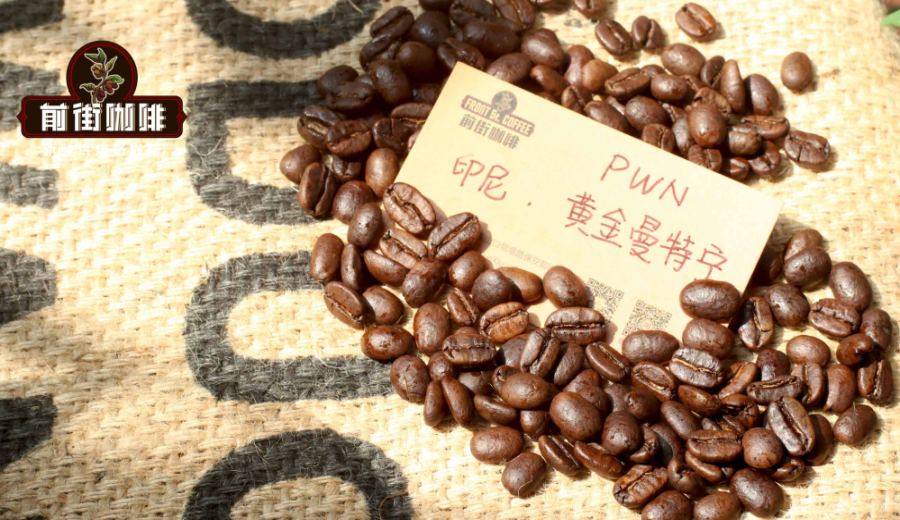
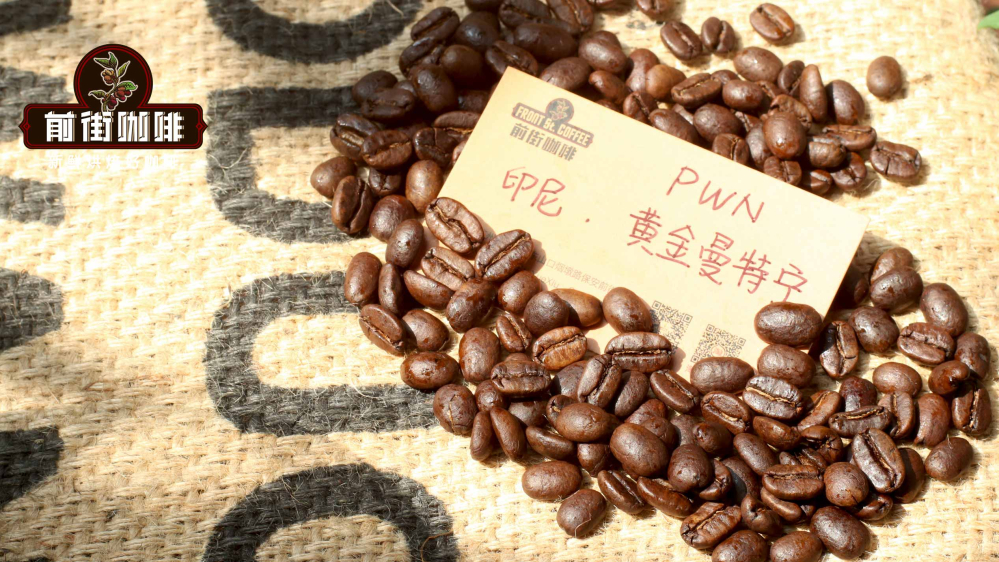
The beans used in this demonstration are Golden Mandheling produced by Indonesia’s PWN company, classified as high-grade G1, with each batch accompanied by official certification to ensure authenticity and quality. These coffee beans come from Gayo Mountain in Aceh Province and have undergone three rounds of manual sorting, keeping only beans larger than 19 mesh with almost no visible defects. As a result, they deliver a clean, sweet taste with delicate herbal aromas, making them a classic representation of dark-roast Mandheling.
Many people find their home-brewed Mandheling too bitter, and the issue often lies in the overall brewing parameters. To brew a cup of Mandheling with balanced flavors, noticeable sweetness, and a full body, you need to get everything right—from filter type, dosage, brew ratio, grind size, to water temperature. Below, we’ll break down how to unlock the potential of Mandheling through proper settings.
The choice of filter has a significant impact on the final mouthfeel. This demonstration uses the Kono Mingmen filter, whose most distinctive feature is its rib design that extends from the bottom to the middle section, while the upper part features smooth walls. This structure effectively reduces bypass flow, making extraction more focused and thereby enhancing the coffee’s full-bodied richness. In addition to Golden Mandheling, this filter is also well-suited for other deep-roast beans with bold and rich flavor profiles, such as Brazilian Queen Estate or Blue Mountain coffee.
We recommend using 15 grams of coffee, suitable for 1–2 cup filter sizes. The dosage should match the filter capacity—too much or too little can affect extraction uniformity and flow rate, which in turn alters flavor expression. A common and reasonable range is 15–20 grams, and beginners can start adjusting from 15 grams.
For brew ratio, we suggest a 1:15 proportion, meaning 15 grams of coffee grounds to 225 milliliters of water. While some enthusiasts prefer a more concentrated 1:13 ratio, excessively high concentration can make the cup feel heavy and hinder the expression of Mandheling’s delicate sweetness and aroma layers. A 1:15 ratio strikes a good balance between richness and clarity and is a reliable choice for achieving a full-bodied taste.
Grind size is one of the key factors affecting extraction efficiency. For dark-roast Mandheling, we recommend a coarseness where about 70% of particles pass through a #20 sieve, slightly coarser than typical light-roast beans. Due to their looser structure, dark-roast beans can easily become over-extracted with too fine a grind, resulting in pronounced bitterness and smoky off-flavors. But if the grind is too coarse, extraction may be insufficient, leaving the coffee watery and lacking body. A 70% pass-through setting helps strike a balance between flavor release and off-flavor control.
Water temperature should be controlled between 87–88°C. Dark-roast beans can’t handle overly high temperatures, as they tend to amplify bitterness and defective flavors. But too low a temperature will make the coffee dull, with unpleasant sourness or flatness. Maintaining a stable temperature within this range helps bring out Mandheling’s characteristic sweetness and chocolatey base tones.
Finally, for the pouring technique, we recommend a three-stage pour: the first stage is a 30 ml bloom pour with hot water to fully saturate the coffee grounds and release CO₂, preparing for subsequent extraction; the second stage involves pouring 100 ml to extract the mid-range flavor compounds; the third stage adds another 95 ml to enhance sweetness and aftertaste. By controlling the pour in stages, you can more precisely manage the extraction rhythm, highlighting Mandheling’s full flavor profile—rich, sweet, with notes of caramel and nuts.
The above content is compiled by CoffeeHunters, a coffee news website.


