







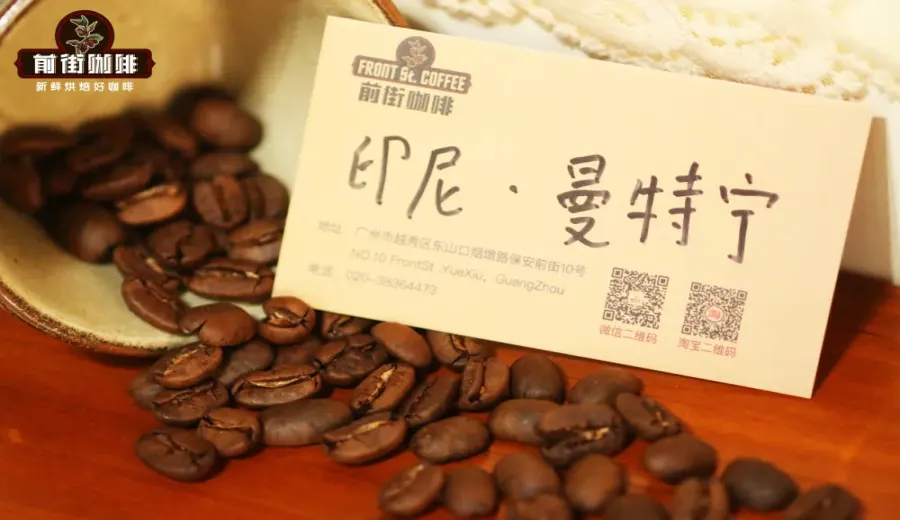
Introduction:Mandheling coffee is world-renowned for its rich, full-bodied flavor and unique spicy notes, yet the name itself stems from a misunderstanding. Originating from the Lintong and Aceh regions of Sumatra, Indonesia, these Arabica beans develop their distinctive flavors through a special wet-hulling process. This article will take you deep into the origins of the Mandheling name, the growing regions, processing methods, as well as the classic Golden Mandheling flavor profile and pour over brewing recommendations, helping you better understand this iconic Asian coffee.
Mandheling coffee can be considered one of Indonesia’s most representative coffee varieties. With its bold, rounded body and distinctive herbal-spicy aroma, it has won the favor of coffee lovers worldwide. However, this widely known name actually stems from an interesting misunderstanding. From the two major producing regions of Lintong in North Sumatra and Aceh, to the wet-hulling process developed to adapt to the hot and humid climate, to the specialty-grade Golden Mandheling, the story of Mandheling coffee is rich and steeped in cultural heritage.
Name Origins: From Misunderstanding to Classic
The name “Mandheling” does not actually come from a coffee variety, but rather from a linguistic mix-up. During World War II, a Japanese soldier tasted coffee at a café in central Indonesia and asked the shop owner what kind of coffee it was. The owner misunderstood the question as being about his origin and replied “Mandailing,” referring to the Mandailing people of Indonesia. After the war, the soldier recalled that uniquely flavored coffee and thought its name was “Mandheling.” In 1968, the Nomura Trading Company of Osaka, Japan, imported 15,000 kilograms of Sumatran Mandheling coffee from Indonesia’s N.V. Pawani Medan company. The beans became hugely popular in the Japanese market, and the term “Mandheling” subsequently became the official name for this coffee.
Focus on the Region: Lintong and Aceh in Sumatra
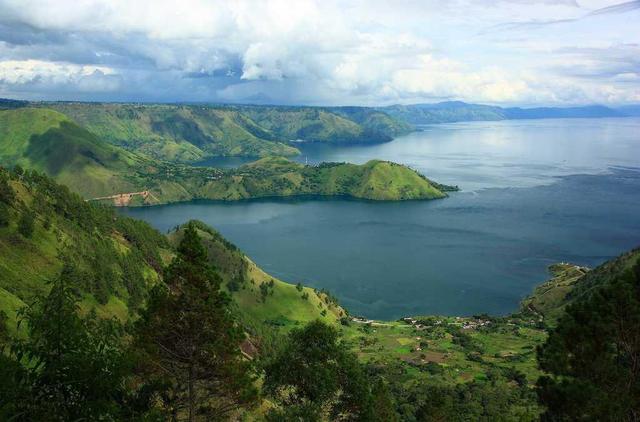
Indonesia is Asia’s largest coffee producer, primarily known for Robusta, but the Arabica Mandheling from Sumatra is one of its most iconic specialty coffees. Mandheling mainly comes from two core areas in northern Sumatra: the Lintong region in North Sumatra Province (near Lake Toba), and the area around Lake Tawar in the Aceh Special Region further north.
The Lintong region is situated on a plateau at elevations of 1000 to 1500 meters, surrounded by Lake Toba, Indonesia’s largest volcanic lake. The volcanic soil in the area is rich in minerals, and the stable tropical rainforest climate provides ideal growing conditions for coffee trees. In contrast, the Aceh region, due to its historically less stable political situation, saw slower development of its coffee industry. However, this also helped preserve many heirloom variety old trees, and the area is known for more natural farming and organic management practices, with coffee mostly grown on slopes and the scenic shores of Lake Tawar.
Wet-Hulling: A Unique Process Adapted to the Climate
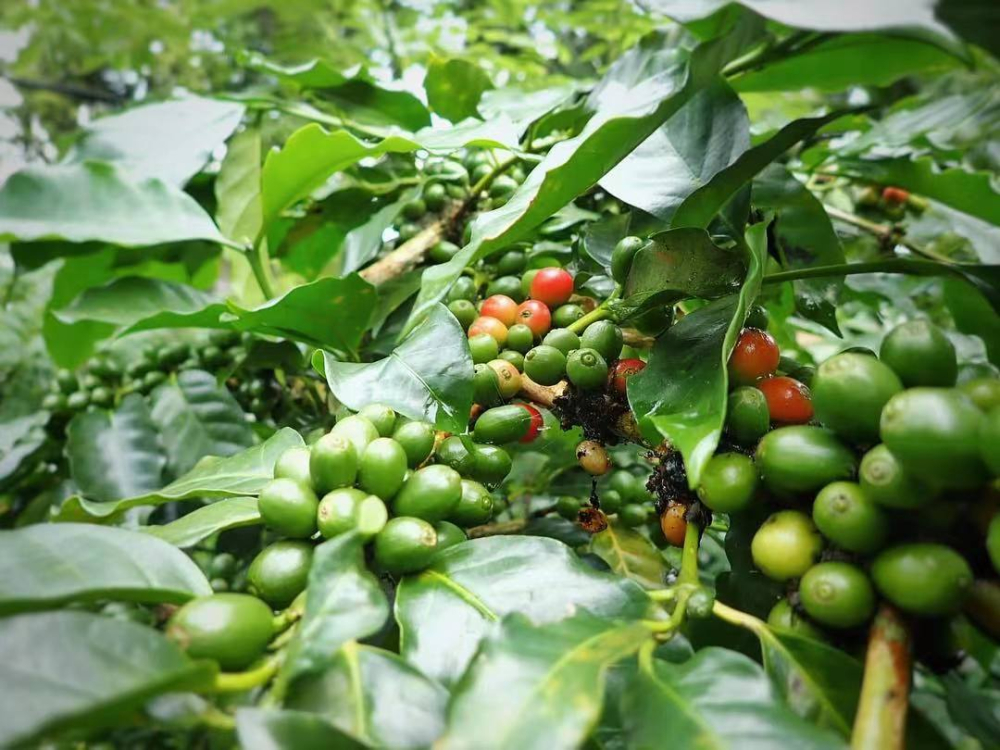
Sumatra has an equatorial climate with high temperatures and frequent rainfall year-round, along with occasional typhoons, making traditional sun-drying or washed processing methods difficult to implement. To prevent green beans from molding during processing, locals developed a uniquewet-hulling process. In this method, after removing the outer skin of the coffee cherry, only a short fermentation (about a few hours) is carried out, followed by immediate sun drying. When the parchment-covered beans reach a moisture content of 30%–50% (semi-dry state), a special machine is used to remove the still not fully dried parchment layer (i.e., the inner skin), and then drying continues until the target moisture level is achieved.
Because the entire process takes place in relatively high humidity (70%–90%) and the parchment is removed earlier, the beans are more prone to absorbing surrounding environmental odors, ultimately forming the uniquewoody tones and herbal aromasof Mandheling. This is also why many coffee enthusiasts can detect layers of earthiness, spices, and forest-like nuances in Mandheling coffee.
Golden Mandheling: The Representative of Specialty Grade
Due to the strong mechanical force during the wet-hulling process and the high humidity that often causes surface damage to the beans, the resulting beans frequently have defects. One such defect, known as “elephant foot” beans, occurs when one side of the bean is compressed and cracks. To improve quality, the renowned Indonesian green bean supplier PWN Company implements strict screening of processed Mandheling: first through machine sorting (beans must be 18 mesh size or larger), followed by three rounds of manual hand-picking to remove defective beans, ensuring they meet Indonesia’s highest grade, G1. This premium, carefully selected Mandheling is the highly acclaimedGolden Mandhelingon the market, offering a cleaner, more consistent flavor and representing the finest expression of Mandheling.
Flavor Profile and Roasting Strategy
To fully showcase the richness and spice complexity of Golden Mandheling, roasters typically opt formedium-dark roasts. These beans are recommended to rest for 7–10 days after roasting, allowing for degassing to complete before entering their peak flavor window. To ensure consumers enjoy fresh coffee with full flavor, it’s advised to choose beans roasted no more than five days prior to shipping.
In terms of brewing, because medium-dark roasts tend to release excessive bitter and astringent compounds, it is suggested to usemedium grind size (e.g., 70% passing rate through a Chinese standard No. 20 sieve)andslightly lower water temperature (around 87–88°C)to reduce the risk of over-extraction. Additionally, appropriate brew ratios (such as 1:15) and a three-pour technique help balance extraction and enhance taste clarity.
Pour Over Recommendations and Practical Parameters
To highlight the richness and aromatic layers of Golden Mandheling, you can use a KONO dripper for pour over. The KONO dripper features fewer flow-guiding ribs and a smooth curved upper section, allowing the filter paper to adhere more tightly to the dripper. This helps control water flow speed, creating an immersion-like effect similar to a siphon, thereby drawing out a richer body and aroma.
Pour Over Reference Parameters:
- Water Temperature: 87–88°C
- Grind Size: Medium (approx. 70% passing rate through a No. 20 sieve)
- Coffee Dose: 15 grams
- Brew Ratio: 1:15
- Brewing Method: Three-Pour Technique
Step Guide: Start with about 30 grams of water (roughly double the coffee dose) for a 30-second bloom. Then pour slowly in small circles from the center outward until reaching 125 grams for the first pour. Once the water level drops to the middle of the dripper, pour again with the same fine stream up to 225 grams. Let the coffee drip through completely to finish brewing, for a total time of about 2 minutes. Gently swirl the coffee before serving to enjoy a cup of Mandheling with rich flavor and layered complexity.
The brewed Golden Mandheling typically presents a full-bodied mouthfeel with a tight and clean structure, featuring prominent notes of nuts, caramel, and chocolate. The finish is long and well-balanced, making it a classic coffee perfect for slow sipping and appreciation.
The above content is compiled by CoffeeHunters, a coffee news website.


