







Introduction:In recent years, Yunnan small-grain coffee has repeatedly made its mark on the international stage, becoming a focal point of attention for specialty coffee enthusiasts. This article delves into the definition of Yunnan small-grain coffee, its main growing regions and geographical advantages, reviews the historical background and flavor characteristics of the dominant variety Catimor, and introduces the experimental cultivation results of the Typica variety. It also provides a detailed comparison of the flavor profiles and optimal brewing recommendations for three popular Yunnan coffee beans under natural sun-dried, washed, and blended processing methods, helping you fully grasp the potential and unique qualities of the Yunnan coffee-growing region.
Yunnan small-grain coffee has gradually emerged in the international market in recent years, not only receiving praise in various coffee evaluations but also attracting the attention of more and more consumers and roasters. So, what exactly is Yunnan small-grain coffee? In fact, it generally refers to Arabica varieties grown in the Yunnan region. Due to the relatively small size of the fruit of this variety in its early stages, it was dubbed "small-grain coffee," clearly distinguishing it from the larger-fruited Robusta and Liberica.
Coffee cultivation in Yunnan is mainly concentrated in highland areas with elevations between 1,000 and 1,500 meters, including Lincang, Baoshan, Pu'er (formerly known as Simao), Xishuangbanna, Dehong, and Nujiang. Among these, the higher the altitude, the greater the diurnal temperature variation, which slows down the growth rate of coffee trees, facilitating the accumulation of nutrients and sugars, and thereby producing richer aromas and more layered flavors.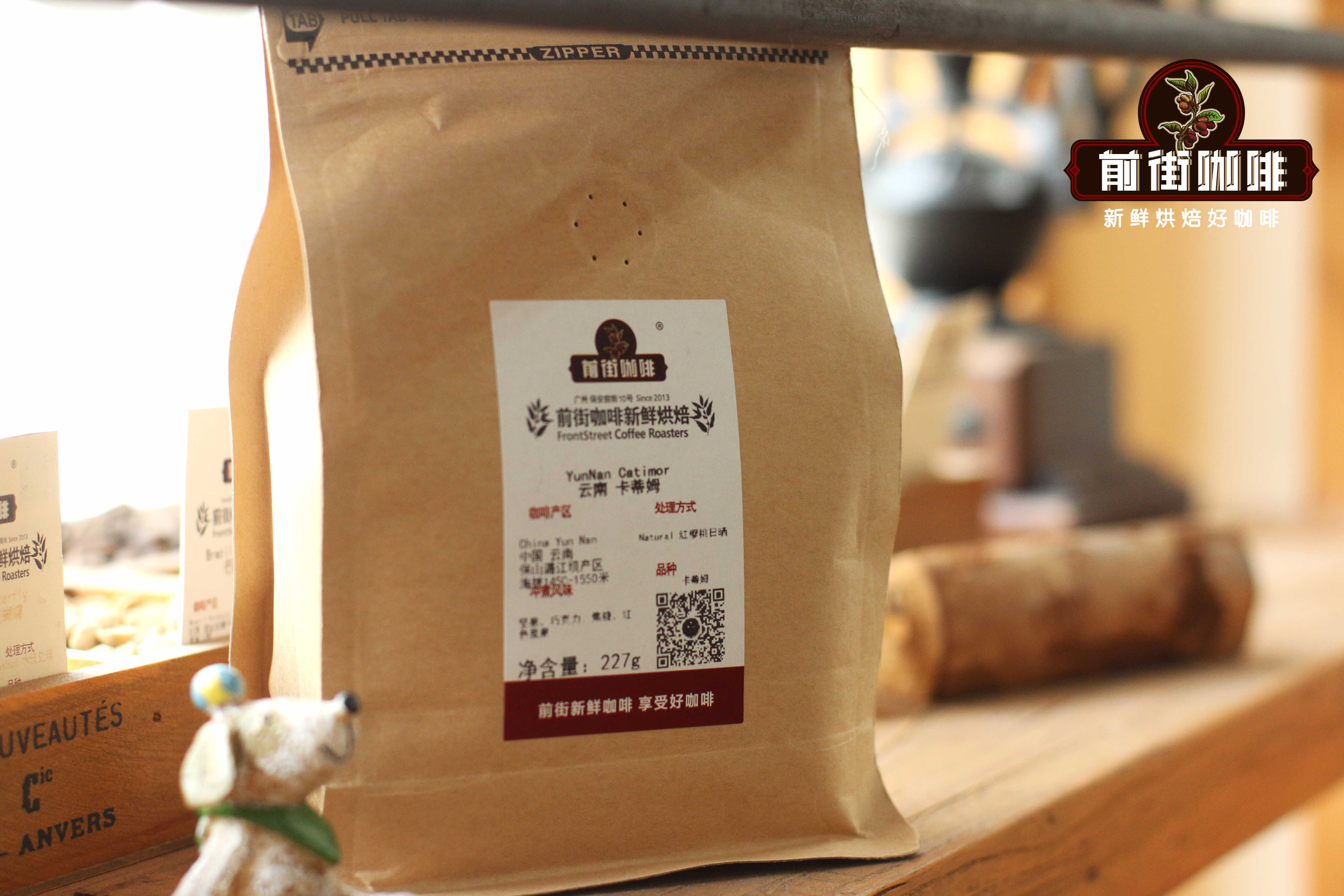
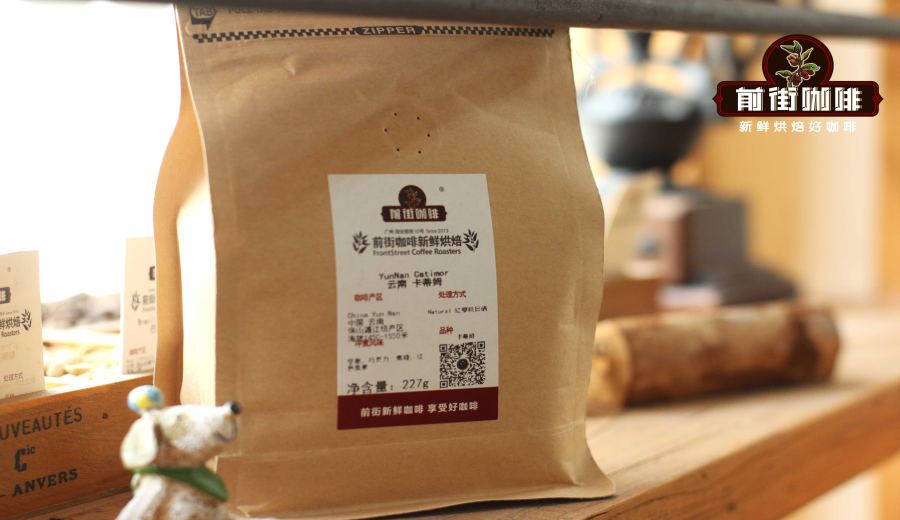
When it comes to Yunnan coffee, one cannot overlook the Catimor variety. This variety was born in 1959 when the CIFC research institute in Portugal crossed the Timor variety, which has Robusta lineage, with the Bourbon mutation Caturra, with the goal of developing a coffee tree resistant to leaf rust and capable of high yields. Starting in 1988, driven by Nestlé, Catimor became the dominant variety planted in Yunnan and has long been supplied to the international market. However, due to its Robusta genetics, it is often considered to have a rather bland flavor, even leading many to equate Yunnan coffee with instant coffee.
To break through this limitation, a certain coffee brand began experimental cultivation of the Typica variety in the Lincang region as early as 2013. As one of the oldest Arabica varieties, Typica boasts a pure lineage, and its flavor is typically clean, bright, and well-layered, making it a classic in the eyes of many specialty coffee enthusiasts. Moreover, the earliest coffee trees introduced to Yunnan were also Typica, brought in by French missionaries, giving it profound historical significance.
Although Catimor has been widely criticized due to genetic limitations, with advancements in cultivation techniques and improvements in post-harvest processing methods, the flavor and quality of Catimor coffee in Yunnan have significantly improved today, making it an affordable choice for many entry-level enthusiasts.
If you want to personally experience the diverse profiles of Yunnan small-grain coffee, the following three popular coffee beans are worth considering:
First is the "2013 Natural Sun-Dried Typica Coffee Bean," which uses traditional natural processing to showcase the pure Arabica flavor—balanced acidity and sweetness with a sweet aftertaste. It is suitable for brewing methods such as pour over, cold brew, or French press, which can fully highlight its delicate fruity notes and sweetness.
Next is the "Selected Regional Staple Bean – Yunnan Baoshan Washed Catimor Coffee Bean," which highlights nutty and chocolatey tones through washed processing while retaining the distinctive plum-like flavors unique to the Yunnan region. It is an excellent choice for entry-level consumers seeking value and regional character, and it is recommended to brew using the pour over method to savor its rich base.
Finally, there is the "Dark Cocoa Base Blend Coffee Bean," specially designed for espresso. It combines washed Yunnan small-grain beans with semi-natural Brazilian Red Bourbon, offering low acidity and rich crema. It is suitable for use with home coffee machines or moka pots, delivering a bold and solid mouthfeel with a lingering black chocolate aftertaste.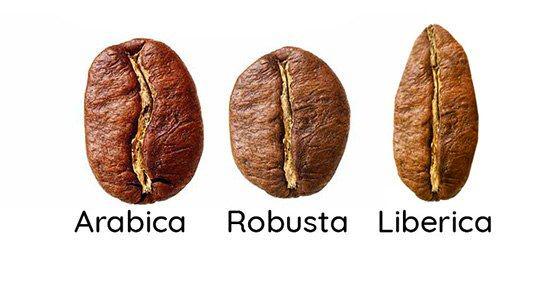
In summary, Yunnan small-grain coffee not only possesses inherently superior growing conditions but also showcases a diverse range of flavor expressions through the combination of different varieties and processing methods. Whether you are a newcomer exploring specialty coffee or a roaster seeking inspiration from new regions, Yunnan coffee is well worth your in-depth exploration and tasting.
The above content is compiled by CoffeeHunters, a coffee news website.


