







Introduction:Sumatra Mandheling coffee is renowned for its full body, low acidity, and distinctive herbal and spicy notes, making it a classic favorite among many coffee enthusiasts. This article delves into the environmental conditions of Sumatra’s coffee-growing regions, the main cultivars used, and the impact of the wet-hulling processing method, analyzing the factors behind its unique flavor profile. It also provides practical pour over parameters and techniques to help you brew a cup of Mandheling with clear flavors and sweet aftertaste—offering useful inspiration for both beginners and seasoned coffee lovers.
When it comes to coffee with rich and layered flavors, Sumatra Mandheling is often a top choice. This Indonesian Arabica coffee is known for its low acidity, full body, and distinctive herbal, woody, and dark chocolate characteristics, offering a taste as steady and profound as a gentleman. So, how exactly are these flavors formed? This article will take you through Sumatra’s geographical environment, commonly grown varieties, the wet-hulling process, and all the way to roasting and pour over settings, giving you a comprehensive understanding of Mandheling’s unique charm.
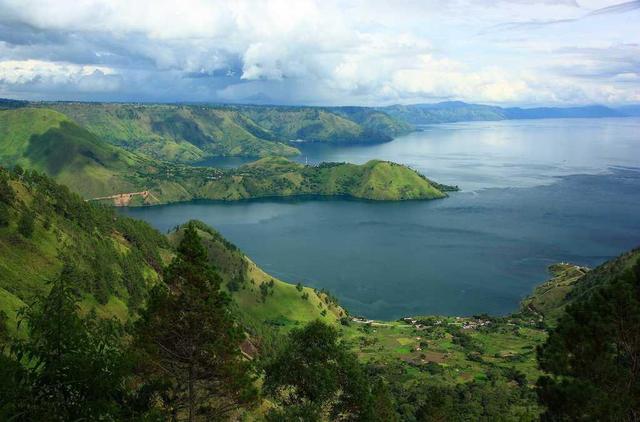
Sumatra Mandheling coffee is primarily grown at altitudes of around 750 to 1,500 meters. Although this is not particularly high compared to some regions in Central and South America or Africa, the combination of this elevation with the area’s hot and humid climate results in its uniquely bold flavor. Due to the small diurnal temperature variation, coffee cherries ripen more quickly, limiting acid development but enhancing sweetness and body. This is why Mandheling typically doesn’t rely on bright acidity but rather shines with its rich mouthfeel and spicy undertones.

In terms of variety, most of what is grown in Indonesia consists of varieties with Robusta lineage, such as Timtim (an Arabica with Robusta heritage) and Ateng (a hybrid of Catimor, which itself is a cross between Caturra and Robusta). These varieties inherently possess unique genetic backgrounds, and Sumatra’s growing environment is not conducive to developing complex fruit acids or floral-fruity aromas. As a result, the coffee often exhibits pronounced herbal and woody notes, with subtle hints of spices or earthiness—forming the highly recognizable “Mandheling flavor.”
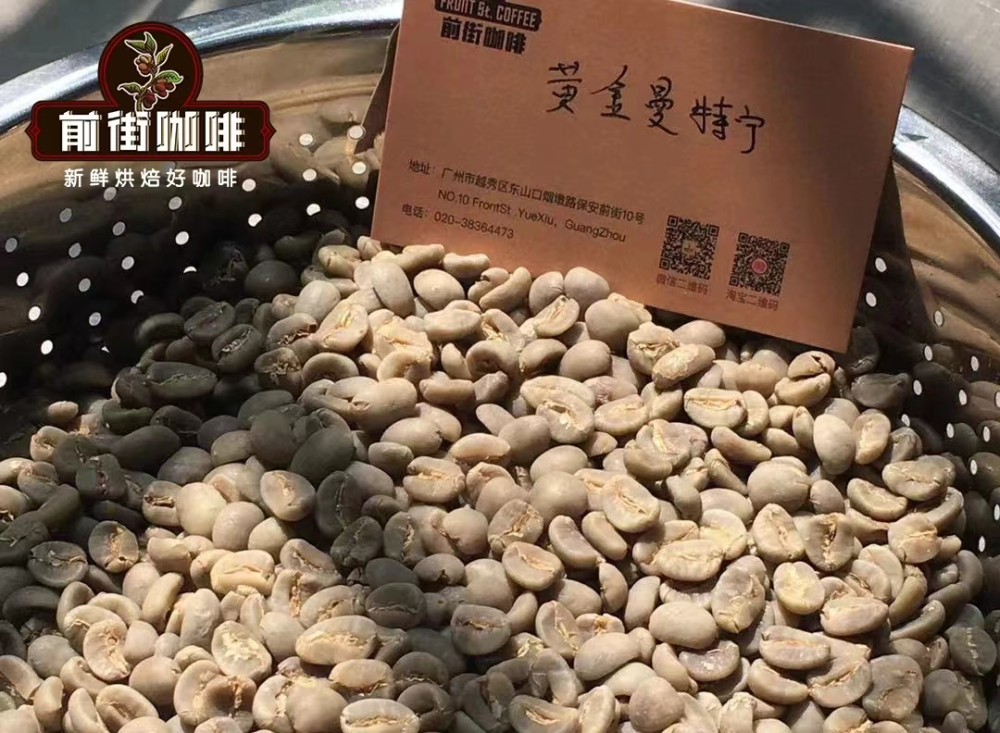
However, what truly sets Mandheling apart is not just the variety or environment, but its unique “wet-hulling” processing method. This technique originated from Sumatra’s humid and hot climate, where traditional sun-drying or washed processing takes too long and risks mold or inconsistent quality. In the wet-hulling method, after the coffee cherries are depulped and the mucilage is briefly fermented (around 3 hours), the beans are partially dried to a moisture content of about 30%–50% (a semi-dry state). At this point, the parchment layer and mucilage are removed, and drying continues until the final moisture content reaches 12%–13%. The entire process usually takes 2–4 days and occurs in an environment with 70%–90% humidity.
The key to this method lies in removing the protective parchment layer while the beans are not yet fully dry, exposing them directly to the humid air. This makes the beans more prone to absorbing surrounding environmental odors. As a result, the final Mandheling coffee often features woody, earthy, and herbal characteristics, with a heavier and more distinctive flavor profile. Due to this processing method, most Mandheling coffees from Sumatra generally exhibit low acidity, pronounced spice notes, and a steady woody tone.
To enhance these traits, many roasters—including well-known specialty shops—opt for medium to dark roasts. Extending the roast time helps concentrate the flavors while boosting sweetness and body. Cupping comparisons show that Sumatran Mandheling almost always delivers low acidity, spicy aromas, and a steady woody base, making it ideal for those who enjoy bold flavors without the need for high acidity or brightness.
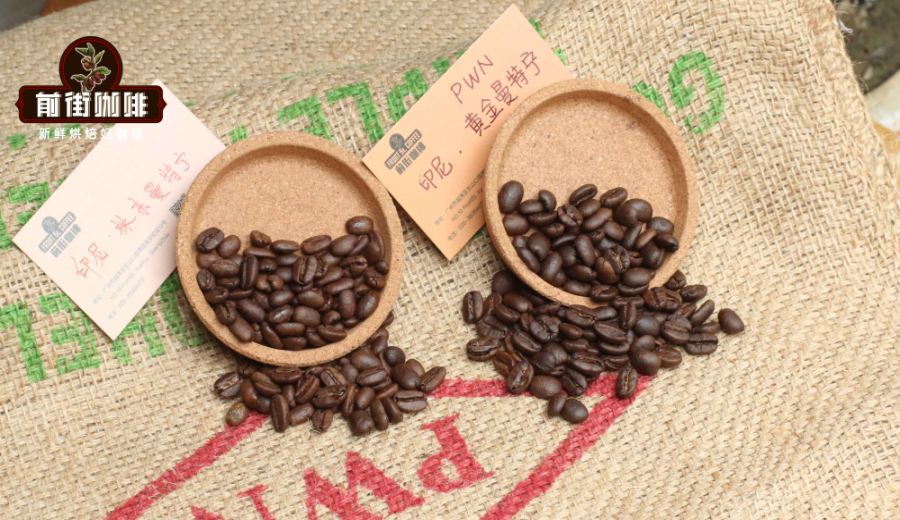
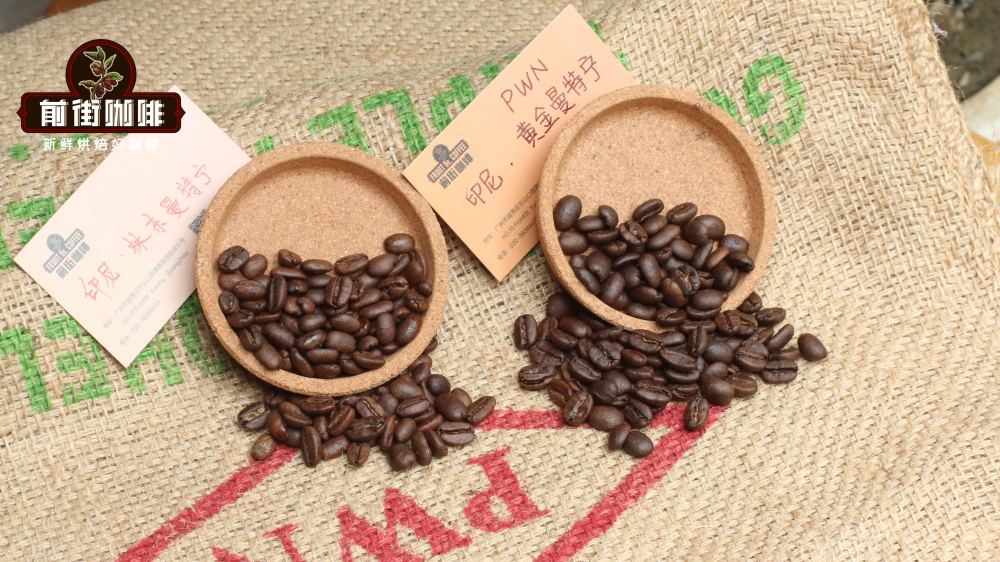
In the market, common Sumatra Mandheling offerings include everyday-grade beans from the Lintong region, as well as more carefully selected PWN Golden Mandheling. The former typically offers great value, showcasing the classic Sumatran profile with intense herbal and dark chocolate notes, making it suitable for daily drinking. The latter undergoes stricter screening, resulting in lower defect rates, cleaner taste, and more distinct layers. In addition to nutty and caramel notes, it also has a longer and more balanced aftertaste.
If you’d like to brew a standout cup of Mandheling at home, it’s recommended to use freshly roasted beans within five days of roasting to ensure the flavors are at their peak. Since Mandheling beans are less dense, they absorb water quickly after grinding. It’s advisable to use a medium-coarse grind (similar to about 70% passing through a Chinese standard No. 20 sieve) and control the water temperature between 87–88°C to minimize the risk of over-extraction and avoid excessive bitterness.
A Kono filter cone, which offers immersion effects and short ribs, is recommended to effectively extend the contact time between water and coffee while balancing flow rate. For pour over, use 15 grams of coffee grounds with a 1:15 coffee-to-water ratio, totaling about 225 grams of water. Employ a three-stage pouring method: start with a 30-second bloom using 30 grams of water; in the second stage, pour in a small circular motion up to 125 grams, wait for the water level to drop halfway, then continue pouring to 225 grams. Aim for a total extraction time of around 2 minutes and 10 seconds.
With these parameters and methods, Lintong Mandheling typically showcases intense herbal, dark chocolate, and caramel aromas, with a sweet and noticeable aftertaste. Meanwhile, PWN Golden Mandheling offers a clearer flavor profile, cleaner taste, and prominent nutty and caramel notes, with a consistent chocolate aroma running throughout. Its long, balanced aftertaste makes it perfect for savoring slowly.
The above content is compiled by CoffeeHunters, a coffee news website.


