







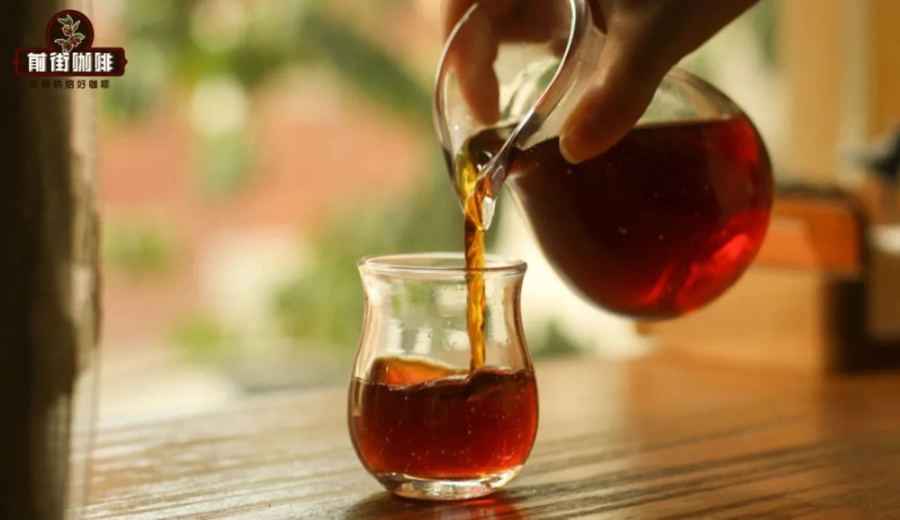
Introduction:This article provides an in-depth analysis of Ethiopia’s Guji Hambella Huākuí (Flower Queen) coffee, tracing its journey from winning the 2017 TOH (Taste of Harvest) competition to becoming a global sensation. It details how the volcanic soil and high-altitude environment of the Hambella sub-region shape its unique flavor profile, examines the sun-drying process at the Buku processing station and the characteristics of the Heirloom native variety, and offers expert insights into roast curve design and optimal V60 pour over parameters—helping you fully appreciate this popular bean with its pronounced fruity and floral notes.
In recent years, the global specialty coffee market has seen a rising demand for beans with bright acidity and prominent floral and fruity notes, and Ethiopia’s Guji Hambella “Huākuí” is a prime example. This sun-dried bean, renowned for its strawberry and cream aroma, not only won the 2017 Ethiopian national TOH (Taste of Harvest) competition with its vibrant fruitiness, but also helped barista Li Jianfei secure second place in the China division of the World Brewers Cup that same year by defeating the well-known Geisha variety—cementing its status as a classic among coffee enthusiasts.
As for the origin of the name “Huākuí,” participants recall that this bean from the Hambella region displayed layered complexity and captivating aromas reminiscent of a “king among flowers,” hence the name “Huākuí”—which not only echoes its elegant floral and fruity flavors but also alludes to its leading position in the competition. The English name, however, directly retains the regional designation “Hambella,” precisely pinpointing its geographical lineage.
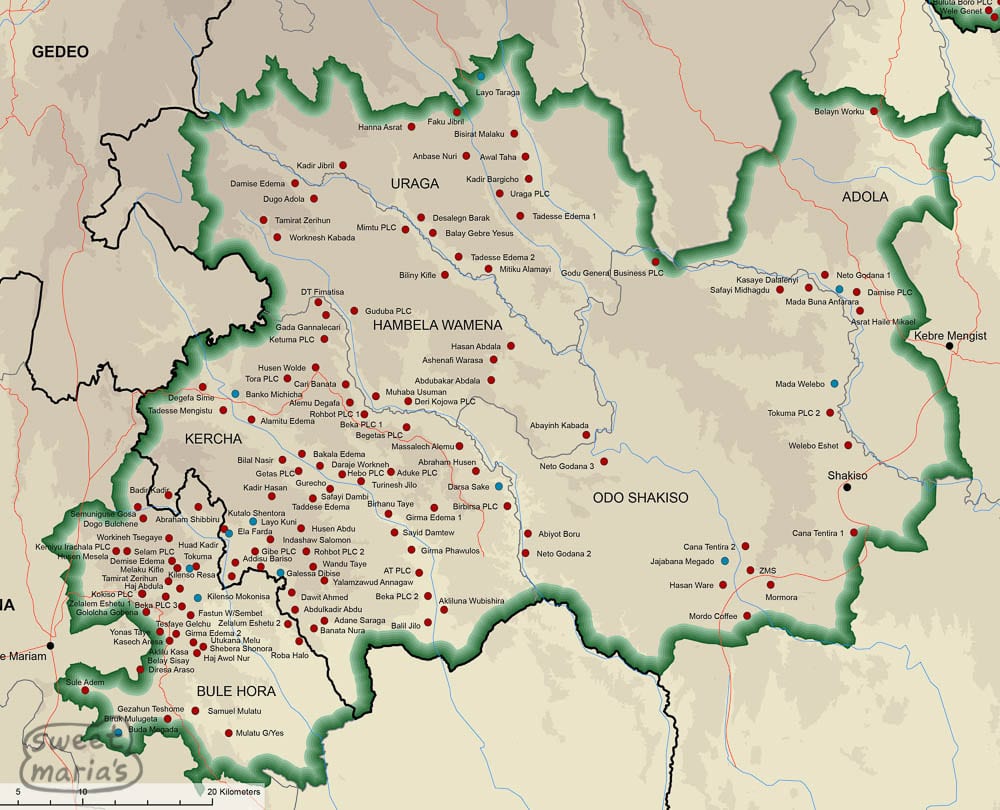
To understand the unique flavors of Huākuí, one must start with its regional background. Originally, Guji was part of Ethiopia’s renowned Sidamo specialty coffee region, but due to its remote location and late development, it was not recognized as a distinct producing area for a long time. It wasn’t until its coffees, nurtured by fertile black soil and high-altitude conditions, developed highly distinctive flavor profiles that Guji was officially designated as an independent region. The average elevation in Guji exceeds 1,800 meters, with significant diurnal temperature variations that help coffee cherries ripen slowly, accumulating richer sugars and flavor compounds.
Hambella is an important sub-region within Guji and is currently home to about 20 processing stations of varying sizes. The star of this article, Huākuí, comes from the sun-dried lot produced by the Buku Abel station in Guji. Notably, Hambella itself is also a core coffee farm operated by METAD Agricultural Development PLC, covering an area of 200 hectares and located just about 75 kilometers from Yirgacheffe—right in the heart of Ethiopia’s coffee-growing “golden belt.” This farm not only grows its own coffee but also centrally processes beans from surrounding smallholder farmers, ensuring consistent quality through unified management.
During the harvest season (typically December to January), Buku Abel meticulously selects only fully red coffee cherries, picking only those with a sugar content value exceeding 30. These cherries are then placed on African raised beds for sun drying. Throughout the process, farmers adjust shading measures based on sunlight intensity—using shade nets during peak midday hours to lower temperatures and prevent over-fermentation, and covering the cherries with rainproof tarps at night to guard against unexpected rainfall affecting the drying process. The entire sun-drying phase lasts approximately 18 days, during which the cherries are continuously turned and the bed thickness is carefully controlled to ensure even drying. The green beans are then stored after their moisture content is stabilized at 13%.
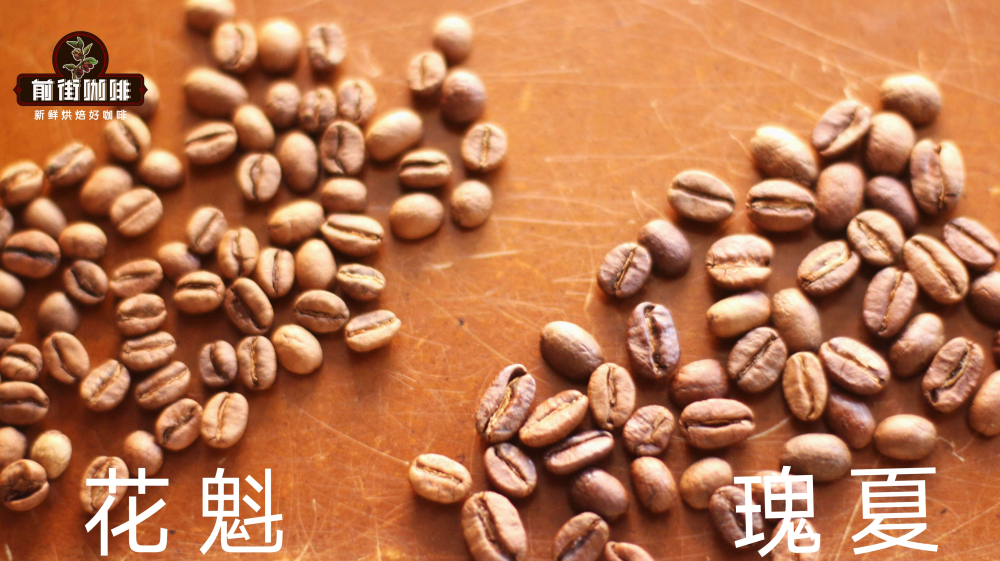
Regarding the variety, Huākuí is grown from Ethiopia’s unique Heirloom native variety. As the country boasts the world’s richest coffee gene pool—with thousands of varieties, many of which have not yet been systematically classified or named—and because the local government protects these native resources by not disclosing detailed information, they are commonly referred to as Heirloom in the market. This is also why Ethiopian beans often vary in size and shape—each batch may express unique genetic traits.
Taking the latest new crop season as an example, a brand released an Ethiopian Huākuí lot clearly labeled as originating from Guji Hambella, processed at the Buku Abel station, with an altitude ranging between 2,250–2,350 meters, and processed via sun-drying. For this particular bean, known for its intense floral aroma and pronounced tropical fruit character, roasters typically design two specialized roast curves: one is a medium-light roast, ideal for pour over and cold brew methods, enhancing the fresh fruity notes of strawberry, citrus, and guava, while also bringing out a soft black tea-like finish; the other is a medium roast, tailored for moka pot and espresso brewing, yielding a coffee with prominent berry notes (such as blueberry and mango), a pronounced sweetness, and a milk-friendly profile that is smooth without bitterness.
Given the high density of high-altitude hard beans, it is recommended to use a medium-fine grind (tested with a #20 standard sieve, with about 80% passing rate), paired with water at 92°C and a V60 filter cone, to effectively extract the delicate layers of fruity and floral flavors. Practical parameters are suggested as follows: Use a V60 filter cone, set water temperature to 92°C, grind to a #20 sieve passing rate of 80%, with a coffee-to-water ratio of 1:15, using 15 grams of coffee. The specific steps are: place the ground coffee into the V60, pour in double the coffee weight (about 30 grams) of water for a 30-second bloom to initiate extraction; then continue pouring with a small stream in circular motions from the center outward until reaching 125 grams, then pause for a stage; once the coffee bed drops to about half the height of the cone, pour the second stage with the same fine stream up to 225 grams. The total extraction time should be around 2 minutes (allowing ±10 seconds variation).
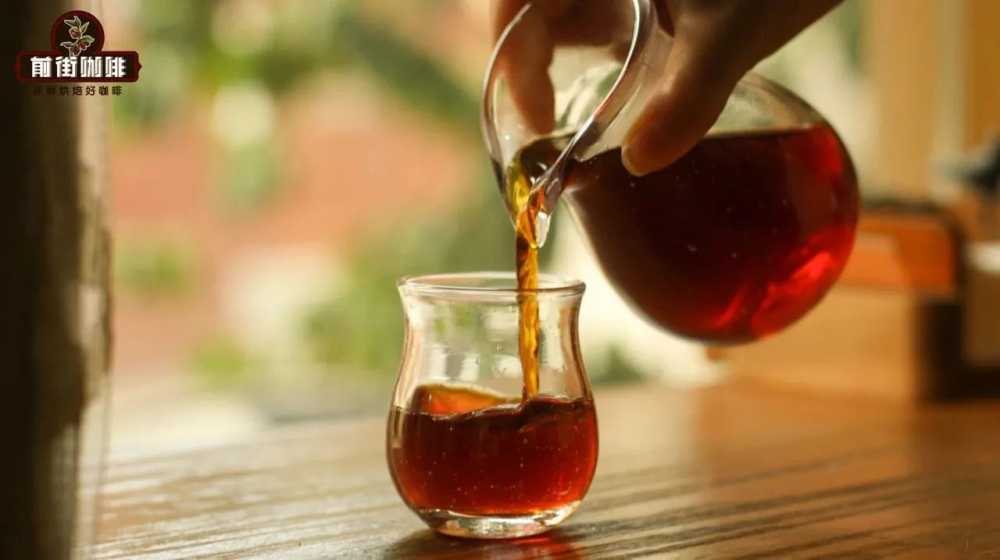
The brewed Huākuí coffee delivers an initial burst of intense sweetness from tropical fruits such as passionfruit and mango, accompanied by subtle berry and citrus acidity. The mouthfeel is silky smooth, and the finish leaves a warm, lingering black-tea-like sensation that remains on the palate for a long time—making it a classic choice for coffee lovers who appreciate fruity and floral profiles.
The above content is compiled by CoffeeHunters, a coffee news website.


