







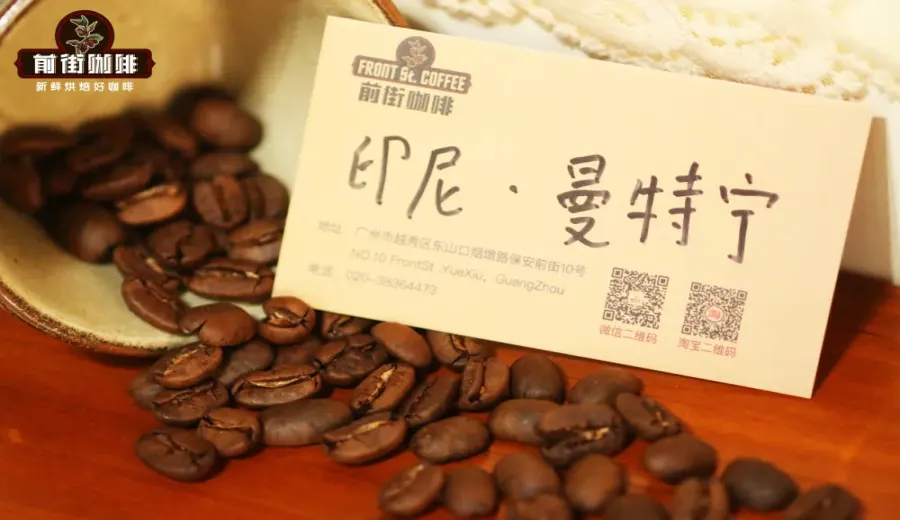
Introduction:Mandheling coffee is renowned for its rich, full-bodied flavor and distinctive spicy and herbal aroma, often hailed as the “gentleman of coffees.” This article delves into the origins of the name Mandheling, explores the geographic and climatic characteristics of Sumatra’s growing regions, examines the impact of the wet-hulled processing method, and details the grading and selection standards of PWN Golden Mandheling. It also provides professional pour over recommendations, including choosing the KONO filter, controlling water temperature, selecting grind size, and applying a three-stage pouring technique, helping you brew a balanced and layered classic Mandheling at home.
Hailing from Sumatra, Indonesia, Mandheling coffee is celebrated for its bold, rich taste and unique notes of spice, herbs, and pine, making it a classic favorite among many coffee enthusiasts. Known as the “gentleman of coffees,” these beans not only possess a distinct personality but also carry an intriguing WWII-era miscommunication behind their name. The beans primarily come from the Lake Toba and Lake Takengon regions of Sumatra, where the wet-hulled processing method contributes to their distinctive woody and herbal character. This article will take you through the origin of the name Mandheling, the regional environment, processing techniques, and grading system, with a special focus on the roasting and pour over methods for PWN Golden Mandheling—helping you master the key brewing elements to enjoy a layered, aromatic classic Mandheling.
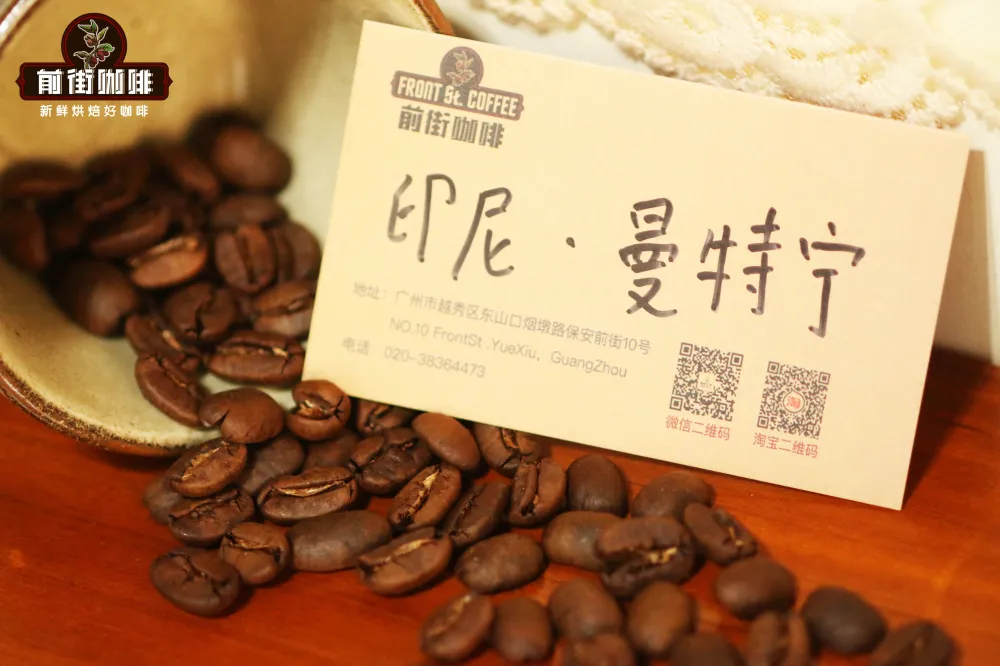
The unique charm of Mandheling coffee lies not only in its flavor profile but also in the fascinating story behind its name. Legend has it that during World War II, a Japanese soldier tasted coffee at a shop in central Indonesia and asked the shopkeeper what kind of coffee it was. However, the shopkeeper misunderstood the question as being about the soldier’s origin and replied “Mandailing” (referring to the Mandailing people). After the war, the soldier returned home, recalling only that the uniquely flavored coffee was called “Mandheling.” By 1968, Nomura Trading Company of Osaka, Japan, partnered with local N.V. Pawani Medan to import 15,000 kilograms of Sumatran Mandheling coffee, which quickly became a hit in the Japanese market and brought fame to both the name and Pwani Coffee Company.
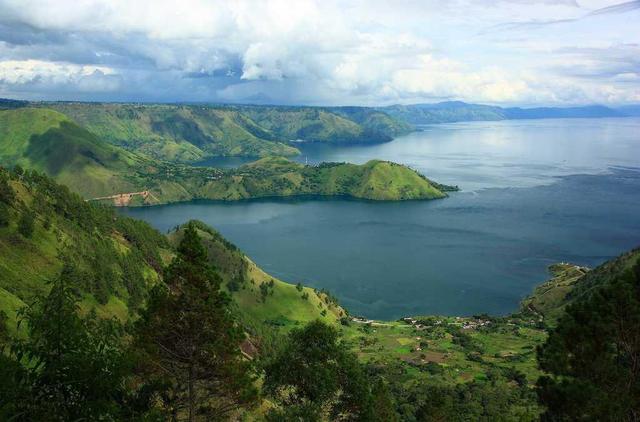
When mentioning Mandheling, most people think of Sumatra. While Indonesia is predominantly known for its Robusta production, Arabica Mandheling from Sumatra stands out as the most iconic variety. Key producing areas include Lake Toba in the Lintong region of North Sumatra Province and the area around Lake Takengon in Aceh. The Lake Toba region sits at an altitude of about 1,000 to 1,500 meters, located in a volcanic belt with mineral-rich soil and a tropical rainforest climate that ensures ample rainfall. Even with minimal fertilization, coffee trees can thrive healthily here. In contrast, Aceh has experienced prolonged political instability, resulting in slower development of its coffee industry. However, this has also preserved many ancient coffee tree varieties, with many farms adopting organic farming practices. Most coffee plantations are situated on slopes around Lake Takengon, benefiting from exceptionally favorable environmental conditions.
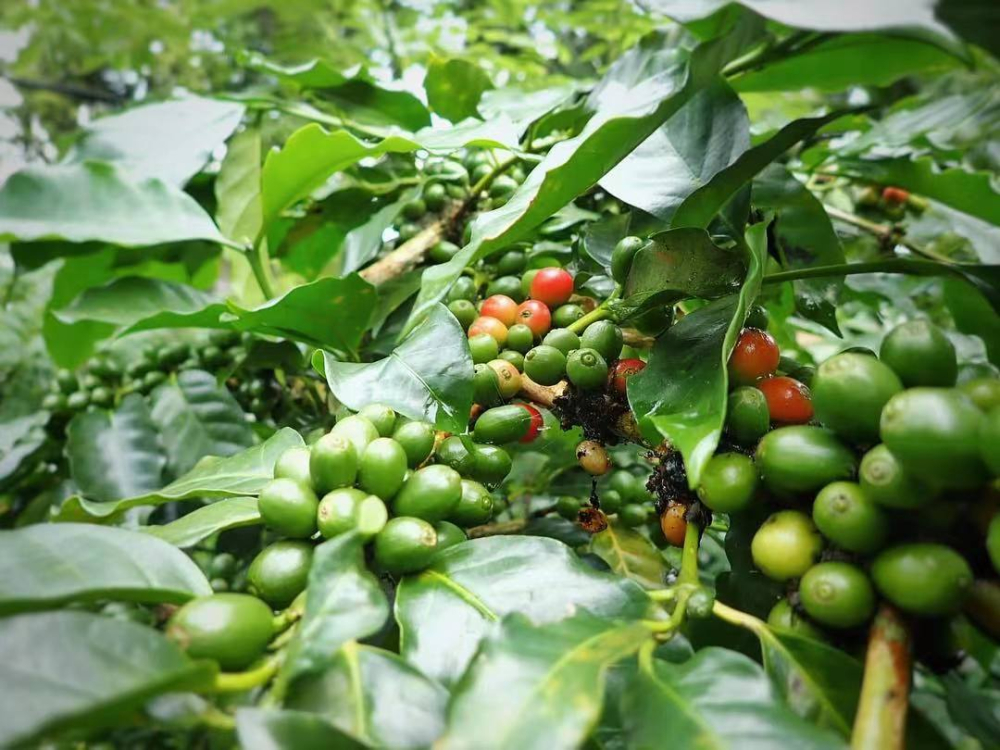
Sumatra is close to the equator, experiencing year-round high temperatures and heavy rainfall, with occasional typhoons. These conditions make traditional washed or natural processing methods difficult to implement. To reduce the risk of mold on green beans, a unique method known as “wet-hulling” has been developed locally. In this process, after removing the coffee fruit’s pulp, only a short fermentation period (typically a few hours) is carried out, followed by sun drying. When the parchment-covered beans reach a moisture content of 30% to 50% (a semi-dry state), a specialized machine is used to remove the still-moist parchment layer before the beans are dried further to the target moisture level. Since much of this process occurs in high-humidity environments and the parchment is removed early, the beans are more prone to absorbing impurities and moisture from the air, contributing to the signature woody and herbal notes of Mandheling—an iconic trait of Sumatran coffee.
In the grading of Mandheling, PWN Golden Mandheling is regarded as a representation of premium-grade beans. While wet-hulling gives it a unique flavor, the processing also makes the beans prone to deformation due to compression and often results in hoof-shaped cracks after high-temperature sun drying, leading to a higher defect rate. To enhance quality, the renowned Indonesian green bean company PWN applies rigorous screening to processed Mandheling beans: first using machinery to select beans that are size 18 mesh or larger, then manually inspecting them three times to eliminate defects and irregular beans, ensuring each batch meets Indonesia’s top-grade G1 standard. This meticulous process has made Golden Mandheling a classic choice for many coffee aficionados.
To fully showcase the richness and herbal aroma of Golden Mandheling, some roasters often opt for a medium-dark roast. Freshly roasted beans require a 7 to 10-day degassing period for optimal flavor, so it is recommended to choose beans roasted within five days for the most complete tasting experience. In terms of extraction, to avoid over-extraction and excessive bitterness, it is suggested to use a medium grind size (such as about 70% passing through a Chinese standard No. 20 sieve), and control the water temperature at87~88°C.
This pour over recommendation suggests using the KONO filter. Compared to the v60, it features fewer drainage ribs and a smooth upper rim, allowing the filter paper to adhere more tightly, restricting airflow upward and directing water flow primarily downward. This creates an extraction effect similar to a siphon, helping to enhance aroma concentration and the expression of a rich, full-bodied taste. Specific parameters are as follows: use15 grams of coffee grounds, with a coffee-to-water ratio of1:15, for a total brew water volume of225 grams, following a three-stage pouring method: begin with a bloom using twice the coffee weight in water (about 30 grams) for 30 seconds; then pour in small streams in a circular motion from the inside out until reaching125 gramsfor the first pour; once the coffee bed descends to the middle of the filter, continue pouring with the same fine stream until reaching225 grams, with the total extraction time being approximately 2 minutes. After brewing, gently swirl the coffee to enjoy a Mandheling with balanced flavors and a rich, layered profile.
The brewed Golden Mandheling boasts a rich, full-bodied, yet clean taste, highlighted by distinct notes of nuts, caramel, and chocolate, with a long-lasting, well-balanced finish. Whether you’re a coffee novice or a seasoned enthusiast, mastering the right parameters and techniques will allow you to easily recreate this classic Sumatran flavor profile at home.
The above content is compiled by CoffeeHunters, a coffee news website.


