







Introduction:Want to dive deeper into the mysteries of Panama Geisha from Hacienda Esmeralda? This article explores the region’s geography and microclimate characteristics, breaks down the distribution logic of the three main Geisha-growing blocks, and compares the differences in altitude, processing methods, and flavor profiles between Red Label and Green Label. It also provides expert pour over recommendations and step-by-step instructions to help you fully showcase Geisha’s floral-fruity aromas and clear layers.
Geisha coffee has long held a prestigious position in the specialty coffee world, and Panama’s Hacienda Esmeralda is a major force that brought this variety onto the international stage. Since winning the Best of Panama competition in 2004, the estate not only made Geisha famous but also pioneered a rigorous grading and zoning management system, ensuring every batch of Geisha can be traced back to its origin — setting an industry benchmark.
Panama’s specialty coffee mainly comes from three highland regions in the west: Boquete, Volcán, and Renacimiento. Among them, the Boquete Valley and the nearby Volcán region by Barú Volcano are the most renowned. Both are located in Chiriquí Province, right within the globally recognized coffee belt, featuring fertile volcanic soils and pristine forest environments, along with unique microclimates that create ideal conditions for growing Geisha.
Boquete is a small town located on the eastern side of Barú Volcano, with elevations ranging from 1,000 to 2,000 meters. The terrain is rugged, influenced by both the warm, humid air currents from the Caribbean Sea and the cool currents of the Atlantic Ocean. The nearby Barú Volcano National Park boasts seven microclimates, with year-round fog and abundant rainfall, forming a highly suitable environment for Geisha growth. The world-renowned Hacienda Esmeralda is situated here.
When talking about Geisha, the contributions of Hacienda Esmeralda cannot be overlooked. In 2004, the estate won the Best of Panama championship with the Geisha variety, and in subsequent years, it repeatedly achieved sky-high prices at international auctions, attracting global attention from specialty coffee professionals. Moreover, Hacienda Esmeralda was among the first in the industry to establish a detailed grading system for Geisha, with each yearly batch receiving considerable attention. After their championship win, the Peterson siblings, the estate owners, implemented a more scientific zoning and management system for Geisha trees based on altitude, growing area, and cupping results.
The Geisha plantings at Hacienda Esmeralda are mainly divided into three blocks: Cañas Verdes, Jaramillo, and El Velo. To ensure traceability, each large block is further subdivided into multiple small plots, allowing consumers to understand the specific origin of the coffee through batch numbers.
Geisha was first discovered in the Jaramillo plot, which was also where the variety was first trialed at high altitudes within Hacienda Esmeralda. Currently, Jaramillo has an average elevation of over 1,650 meters, with consistently cooler temperatures and moderate humidity, giving the Geisha grown here exceptionally rich aromas and complexity. This area is further divided into five smaller plots: Mario, Noria, Reina, Bosque, and Buenos Aires, with Mario and Bosque standing out in multiple international competitions.
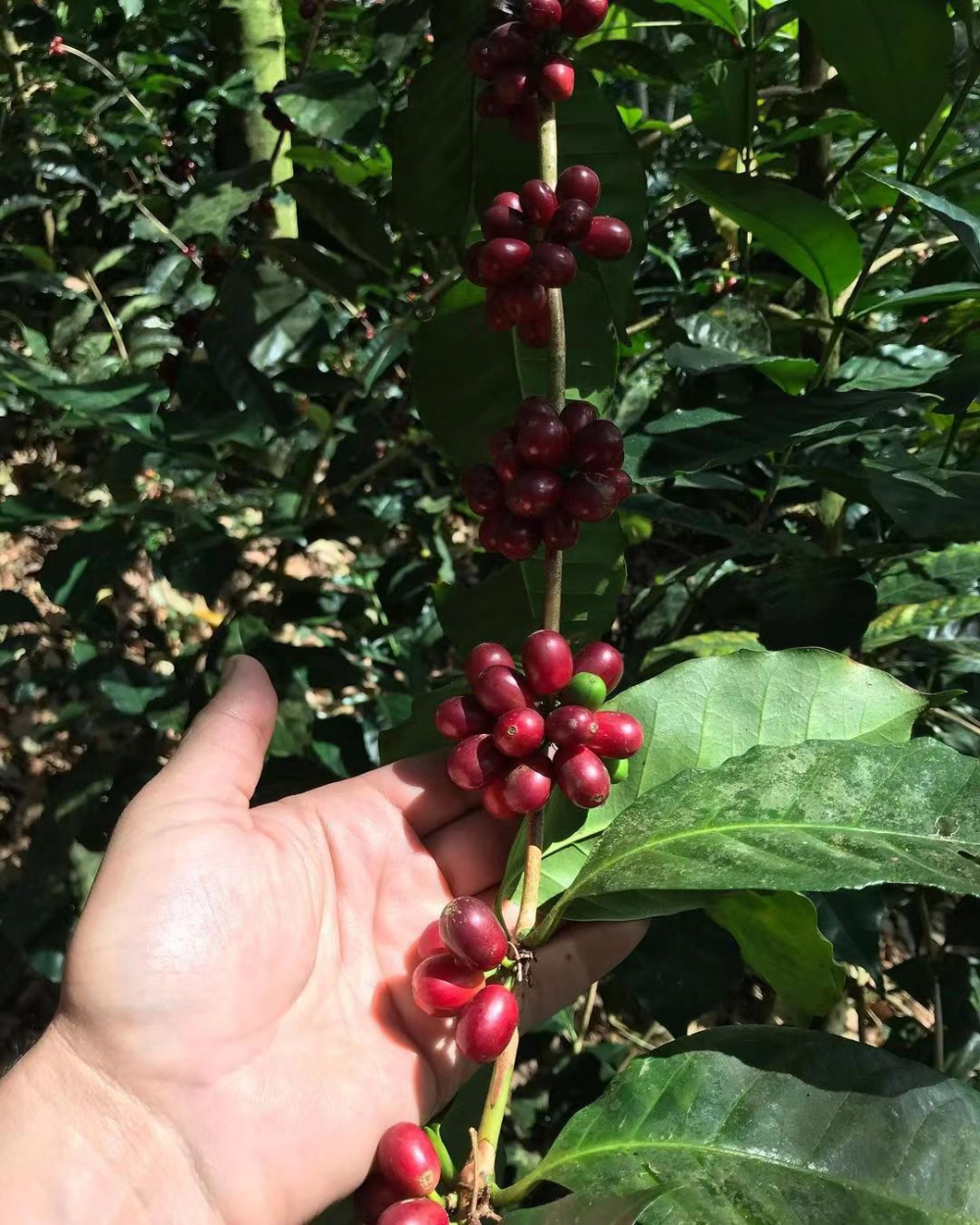
As for green bean processing, Hacienda Esmeralda’s processing facility is located in Cañas Verdes, about a twenty-minute drive from the town of Boquete. Whenever coffee cherries reach optimal ripeness, the estate requires pickers to select only fully mature fruits, insisting on handpicking and quickly transporting them to the processing facility to preserve their full flavor.
Among Hacienda Esmeralda’s product lines, the most talked-about are the Red Label and Green Label Geishas. The Red Label represents the Hacienda Esmeralda Special (ESMERALDA SPECIAL) grade, including auction batches over the years, and is a symbol of the highest quality. Red Label Geisha typically scores over 90 points in cupping, sourced from Geisha trees grown between 1,600 and 1,800 meters, mainly from the Jaramillo and Cañas Verdes farms.
High-altitude cultivation presents greater challenges but also gives Geisha more pronounced floral and fruity characteristics. The auction lots within the Red Label are the crème de la crème of specialty coffee, with each auction batch having an independent number corresponding to the full harvest of a specific plot. For example, the Red Label Geisha from the Mario plot of the Jaramillo farm is often processed using the natural method, showcasing intense tropical fruit aromas and rich layers. When processing natural beans, Hacienda Esmeralda combines traditional sun drying with electric Guardiola dryers to ensure even evaporation of pulp moisture and a more balanced flavor.
The Green Label falls under the Private Collection series, also sourced from the Jaramillo and Cañas Verdes blocks at elevations of 1,600 to 1,800 meters, but without disclosing specific plot information or participating in auctions. Although slightly lower in grade than the Red Label, Green Label Geisha still exhibits the classic traits of high-altitude Geisha. Most Green Labels are washed processed, with flavors primarily characterized by bright lemon, berry, pomelo, and subtle tea notes.
So, how should Geisha be brewed to fully express its flavors? Since Geisha is known for its floral aromas and complex fruit tones, some roasters opt for medium-light roasting (adjusted slightly by batch) to preserve acidity and layers. However, medium-light roasted beans have higher density, so to improve extraction efficiency, it’s recommended to use slightly higher water temperature and finer grind size, while moderately increasing the coffee-to-water ratio — 1:16 is suggested to help flavors present more clearly.
A V60 dripper is recommended, thanks to its unique spiral channel grooves and large center hole design, which extend the contact time between water and coffee grounds while controlling flow rate, contributing to improved extraction uniformity. Below are the actual pour over parameters and procedure for Hacienda Esmeralda Red Label Natural Geisha, for coffee enthusiasts’ reference.
Recommended parameters for brewing Red Label Geisha: V60 dripper, 92℃ water temperature, 15g coffee dose, 1:16 coffee-to-water ratio, grind size close to superfine sugar (approximately 80% passing through a #20 sieve). Procedure: Wet the filter paper and attach it to the dripper, discard excess water, then add coffee grounds. Lightly tap to level the surface. First pour: add 30g water for a 30-second bloom. Second pour: continue pouring up to 125g, maintaining an even circular motion. When the water level drops halfway, continue pouring to a total of 240g. Total brew time should be around 2 minutes.
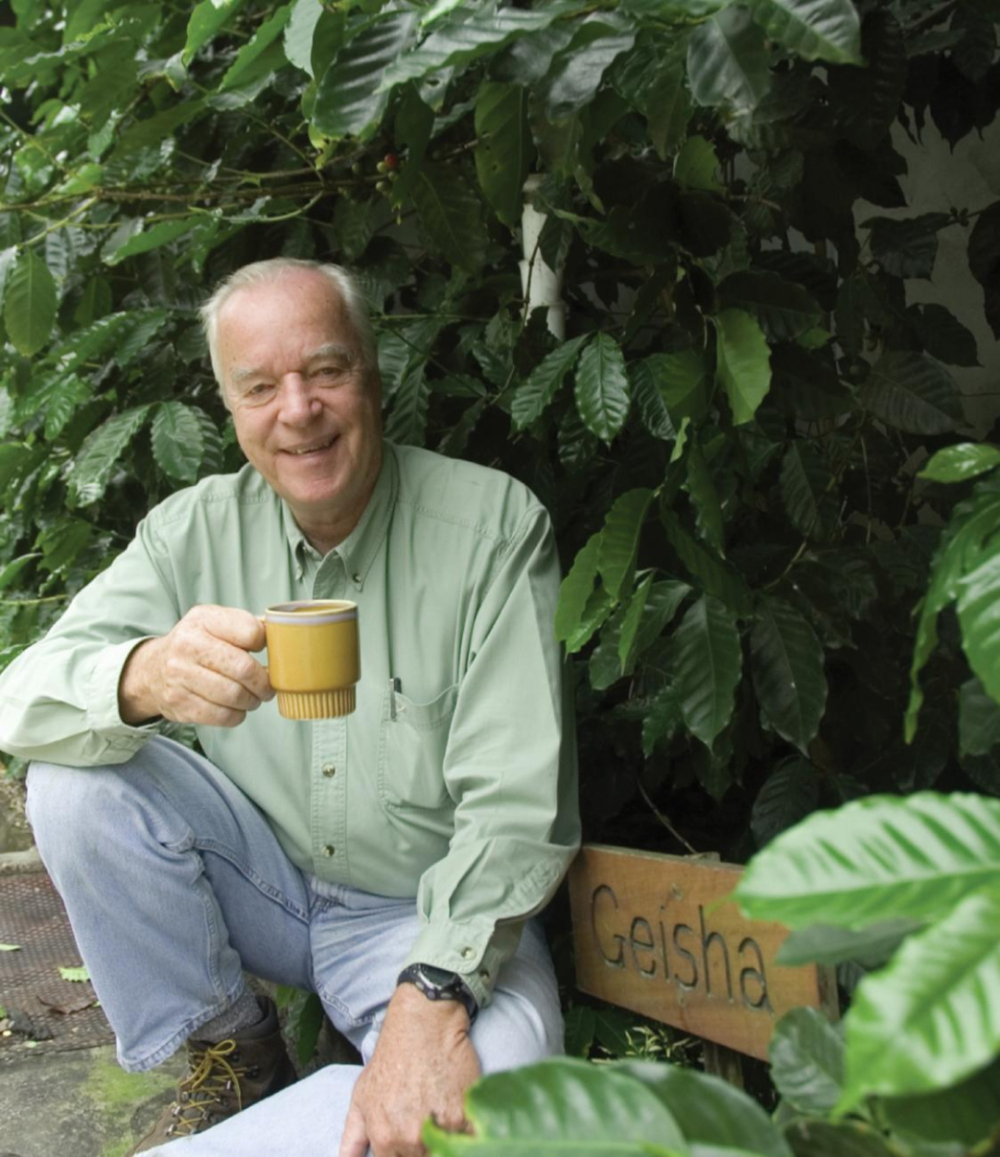
The brewed Red Label Geisha delivers prominent jasmine, citrus, and tropical fruit acidity upon entry. As it cools, flavor layers gradually unfold, with a soft tea-like finish. The overall profile is refreshing with a long-lasting aftertaste. Mastering the correct parameters and techniques allows you to enjoy the exquisite flavors of this top-tier Geisha at home.
The above content is compiled by CoffeeHunters, a coffee news website.


