








Introduction:Honey processing is a refined technique situated between washed and natural methods, where varying levels of the fruit’s mucilage are retained to impart richer sweetness and a fuller body to the coffee. This article delves into the classification logic of honey processing, its key differences from semi-washed methods, and uses renowned producing regions in Costa Rica as examples. With actual flavor profiles of Yellow Honey, Red Honey, and Black Honey, it also offers detailed pour over parameters to help you better understand the sources of sweetness and extraction essentials.
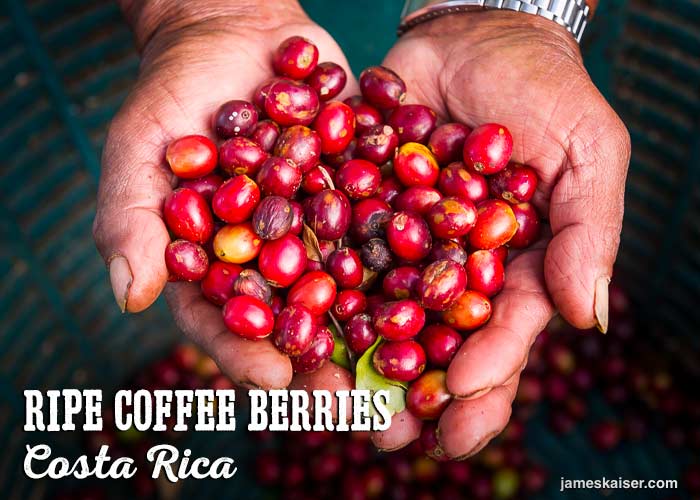
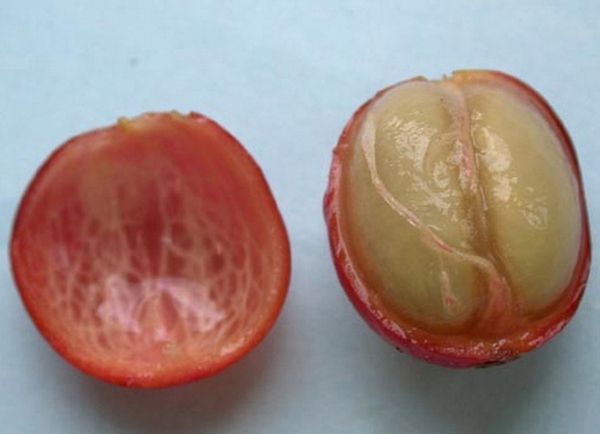
Honey processed coffee has become a focal point in the specialty coffee market in recent years. This method originated in high-altitude regions with relatively scarce water resources, such as Costa Rica and Panama. Unlike traditional washed processing, honey processing removes the outer fruit pulp but intentionally retains the sticky mucilage layer on the bean’s surface before proceeding directly to sun drying. This mucilage, rich in natural sugars, interacts with the seed during drying, resulting in a rounder sweetness and a fuller mouthfeel.

The uniqueness of honey processing lies in balancing the clean brightness of washed coffee with the intense sweetness of natural processing. At the same time roast level, honey processed coffees typically exhibit higher sugar concentration and a more rounded body, yet without losing clear layering. Depending on the percentage of mucilage retained, the industry generally categorizes it into three main types: Yellow Honey, Red Honey, and Black Honey, each showcasing distinct flavor differences.

To experience the sweet aromatic qualities of honey processing, consider trying the Strawberry Sugar variety using the Geisha cultivar, which releases a complex aroma of roses, berries, and fruit gummies after brewing; while the Mozart variety, undergoing additional fermentation, delivers deep notes of raisins, pineapples, and other tropical fruits. Both offer exquisite aroma layers whether served hot or cold brewed.
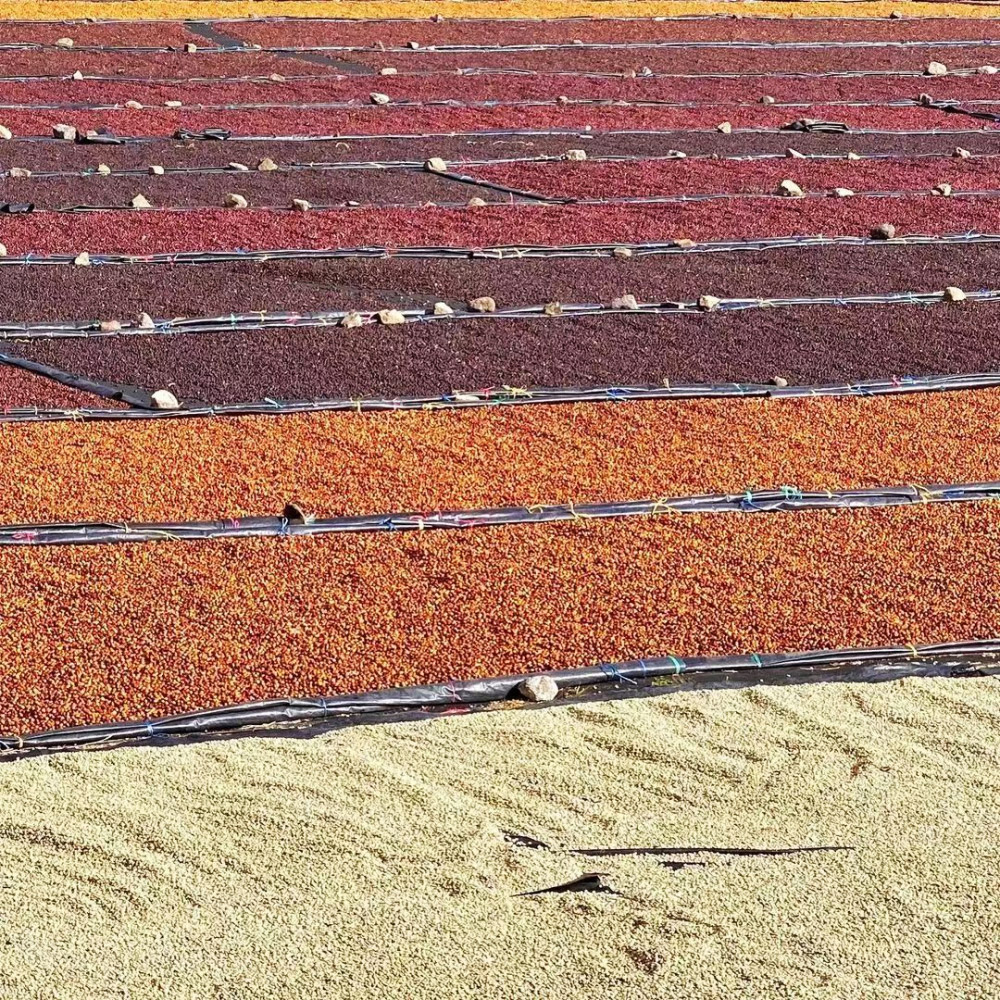
According to the classification standards of international green coffee suppliers, Yellow Honey typically retains about 60% of the mucilage layer and requires around 8 days of continuous drying under ample sunlight; Red Honey retains 75% of the mucilage, extending the drying time to approximately 12 days with moderately reduced direct sunlight intensity; Black Honey retains nearly 80% of the mucilage and needs at least two weeks of shaded drying to ensure sufficient sugar conversion. It’s worth noting that the main difference between White Honey and Yellow Honey lies in the drying thickness, which in turn affects drying uniformity and the final sweetness profile.
Compared to Brazil’s common semi-washed processing, the biggest difference with honey processing is the complete absence of water usage. In Brazil’s semi-washed method, after removing the pulp, the beans still coated with mucilage are placed directly on drying beds and exposed to the sun, reaching the target moisture content in just two to three days, with the final moisture level controlled between 10.5% and 12%. Honey processing, on the other hand, rigorously selects defect-free ripe red cherries and achieves more delicate flavor development through precise control of mucilage retention ratio and drying conditions.
The core advantage of honey processing lies in perfectly preserving the natural sweetness of ripe coffee fruit. Commonly found black sugar undertones and stone fruit aromas, paired with berry elements that contribute to a wine-like flavor complexity, form a uniquely elegant style. Practical cupping data shows that medium-sweetness Yellow Honey and White Honey processed coffees exhibit acidity profiles closer to high-quality washed coffee, presenting a refreshing red berry character rather than overly fermented soy sauce-like flavors.
As a pioneer region in honey processing techniques, Costa Rica’s high-latitude growing environment nurtures mild, bright-acid coffee beans. The local government supports small farms through a coffee trust fund, advancing the refinement of honey processing techniques, resulting in the country’s specialty coffees generally possessing rich yet gentle characteristics. It should be noted that traditionally sun-dried or washed processed beans still exist in the market, but their flavor performance and trade scale are not comparable to those of honey processed products.
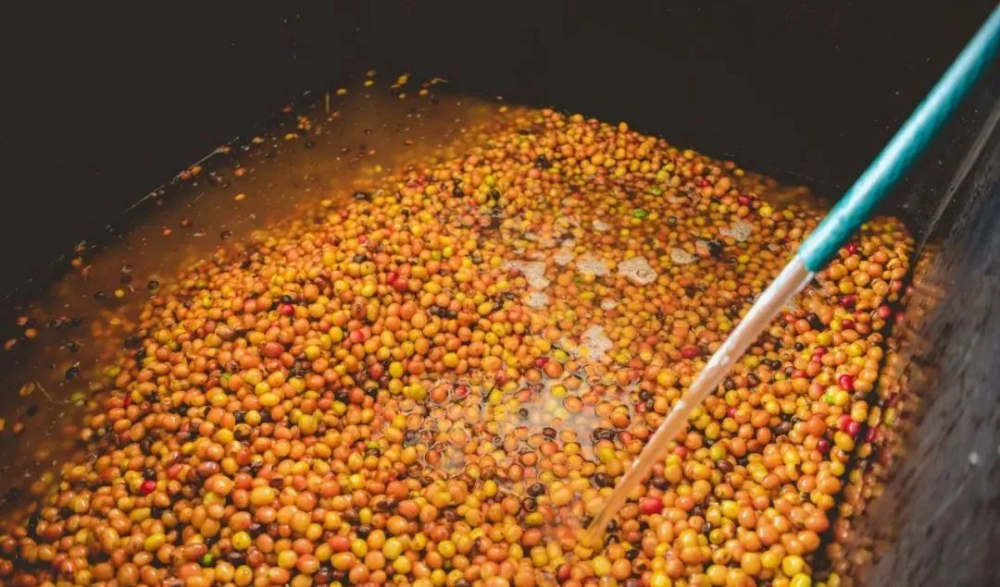
Failed honey processing cases often occur due to over-fermentation or uneven drying, potentially producing off-flavors resembling onions or durian, or even alcohol-like pungent odors. High-quality honey processed coffee should display a soft acidity; if it tastes overly sharp upon entry, it usually reflects flaws in the processing or storage conditions. Additionally, freshness is key to maintaining fruity sweetness, as beans older than ten months often lose their captivating flavor traits.
Regarding common questions about sweetness performance, although natural (sun-dried) processing retains 100% of the fruit, its sugar release efficiency does not necessarily surpass that of honey processing. This is because during sun drying, some microbial fermentation may act more superficially, causing sugars to remain trapped within the dried fruit layers. Actual flavor differences still require direct comparative tasting; it is recommended to try coffees of the same origin processed with different methods simultaneously to gain the most intuitive impression.
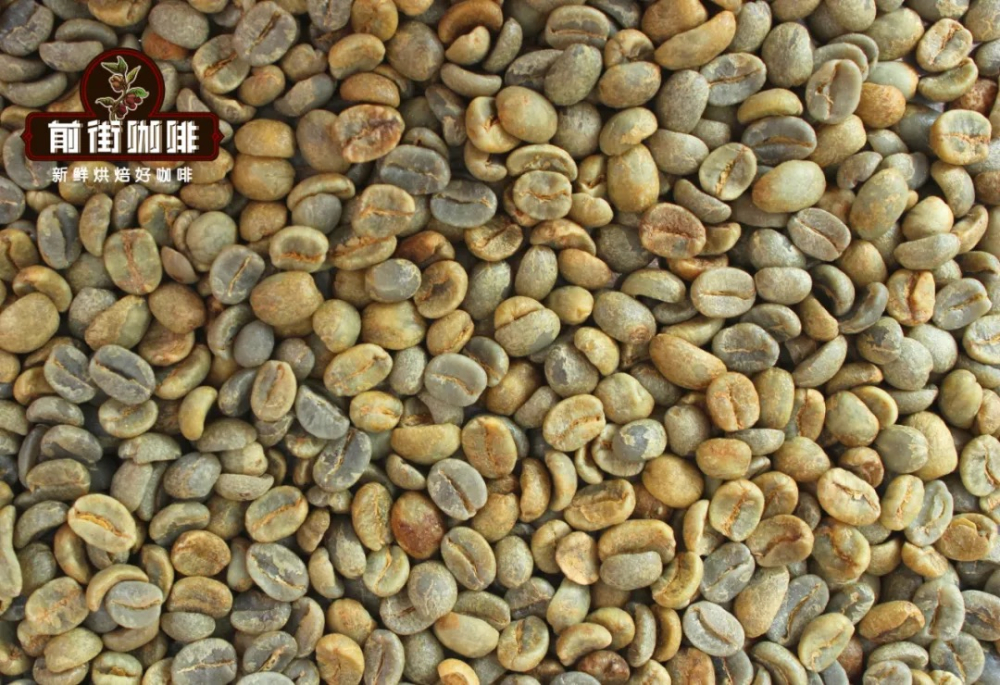
The three typical honey processed flavor profiles of Costa Rica are as follows: Yelsa Roja Yellow Honey exhibits citrus acidity and blackberry aroma, accompanied by melon sweetness and floral coffee notes in the aftertaste; Tobosi Red Honey centers on honey, lime, and white chocolate, showcasing soft fruit acidity and a long-lasting finish; Farallones Black Honey releases roasted almond and buttery aromas, paired with sour plum acidity and brown sugar lingering sweetness. The sweetness ranking is Black Honey > Red Honey > Yellow Honey > White Honey, while clarity follows the reverse order.
For pour over parameter settings, it is recommended to adjust grind size and water temperature according to roast level: Yellow Honey (medium roast) can use a #3.5 grind, 90–91°C water temperature, and a 1:14 coffee-to-water ratio; Red Honey, also medium roast, with a slightly coarser #4 grind, water temperature reduced to 89–90°C, and a more relaxed 1:15 ratio; Black Honey, mostly medium-light roast, suggests a #3.5 grind with 90–91°C water and maintaining a 1:14 ratio. Key considerations include extending blooming time for medium-light roasts, shortening pour intervals for dark roasts, and adjusting flow rate based on filter cone design.
The above content is compiled by CoffeeHunters, a coffee news website.


