







Introduction:Delve into the varietal origins and regional characteristics of Yunnan’s small-bean coffee, from the early introductions of Typica and Bourbon to today’s dominant Catimor. Explore how its flavor profile is shaped. This article takes you through how Yunnan coffee evolved from a focus on disease resistance and high yield, and recommends two classic washed and natural processed beans as practical choices, offering flavor references and buying guidance for pour-over beginners.
As China’s main coffee-producing region, Yunnan’s title of “small-bean coffee” often raises curiosity about its meaning. The so-called Yunnan small-bean generally refers to Arabica varieties with smaller fruit size, distinctly different from the medium-bean Robusta grown in places like Hainan. The coffee varieties initially introduced to Yunnan mainly came from Ethiopia—Typica and Bourbon—which could express delicate acidity and layered aromas in high-altitude environments, once regarded as representatives of high-quality coffee.
However, due to Typica and Bourbon’s weaker disease resistance and susceptibility to issues like leaf rust, along with their relatively low per-plant yield, they struggled to meet the demands of commercial cultivation. As a result, many Yunnan farmers gradually shifted to planting Catimor, which offers stronger disease resistance and higher yields. Catimor is a hybrid variety resulting from crosses between Typica and Caturra, further genetically modified with Robusta, giving it strong adaptability and stable production.
Through years of local cultivation and varietal acclimatization in Yunnan, Catimor has gradually adapted to the region’s unique highland climate and soil conditions, gradually developing a distinctive flavor profile unique to the region. Typical flavor expressions include a mild sweetness, medium-to-low acidity, accompanied by notes of nuts, caramel, and subtle fruitiness. It’s suitable as an everyday drinking bean and also an ideal entry choice for many pour-over beginners.
If you’re just getting into Yunnan-grown coffee, it’s recommended to try two representative roasted beans: one is a washed Catimor bean, and the other is a traditional Typica processed using the natural method. These two beans not only showcase different processing flavors but also help you more comprehensively understand the potential and diversity of Yunnan small-bean coffee.
Take washed Catimor as an example. This processing method, which involves removing the pulp and fermenting to remove mucilage, highlights the coffee’s inherent cleanliness and clear acidity. Common flavor notes include melon-like aromas, honeydew tones, brown sugar sweetness, and a slightly acidic plum note, with an aftertaste reminiscent of light black tea. The overall profile is balanced and approachable. Such beans are usually affordably priced and sold in small packages, making them very suitable for newcomers trying Yunnan flavors for the first time.
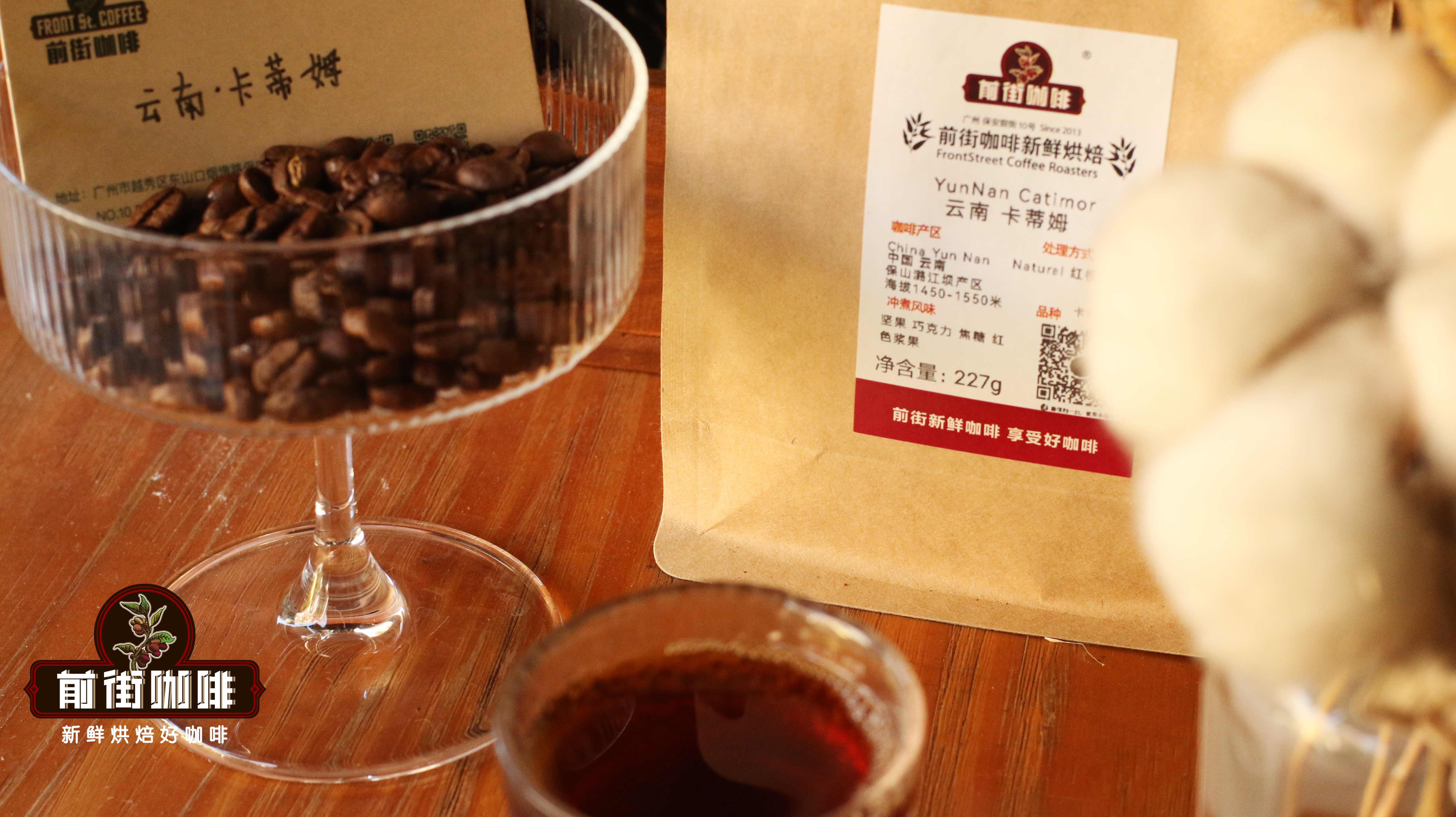
Another noteworthy option is the natural Typica, a more traditional and pure-blooded Arabica variety that is still grown in small quantities in some high-altitude areas of Yunnan. The natural processing method retains more pulp sugars, allowing the coffee to accumulate richer sweetness and fruity notes during fermentation. It often presents an apricot-dry-like sweet-and-sour sensation, a mild nutty tone, and a distinct brown sugar sweetness, with an aftertaste that feels smooth like tea liquor and lingers for a long time.
When selecting Yunnan coffee, in addition to paying attention to variety and processing method, it’s also recommended to consider altitude information. Generally speaking, the higher the altitude, the slower the coffee fruit ripens, allowing for more complete flavor development, commonly found in planting areas above 1200 to 1400 meters. Additionally, the choice of processing method greatly affects the final flavor profile: washed processing typically emphasizes cleanliness and bright acidity, suitable for those who prefer a refreshing taste; natural processing highlights sweetness and fruitiness, suiting drinkers who prefer a richer flavor.
Whether you choose washed Catimor or natural Typica, it’s recommended to use a medium-light roast level and adjust extraction parameters according to the processing method. For example, washed beans can be brewed with a medium-fine grind (such as a pour-over screen size of 8–10), water temperature around 90–92°C, and a brewing time controlled at about 2 minutes to bring out clear acidity and layered flavors; while natural beans are suggested to use a slightly coarser grind (screen size 6–8), with water temperature reduced slightly to 88–90°C to minimize over-extraction risks and preserve sweetness and body.
In summary, Yunnan small-bean coffee not only carries the development trajectory of China’s coffee industry but also showcases the unique charm of local terroir and varietal adaptation. From the early introductions of Typica and Bourbon to today’s main variety Catimor, each bean has its own story and suitable brewing method. For coffee lovers wanting to explore the Yunnan region or just starting with pour-over, it’s a good idea to begin with representative beans of the two classic processing methods—washed and natural—to experience the terroir of Yunnan coffee.
The above content is compiled by CoffeeHunters, a coffee news website.


