







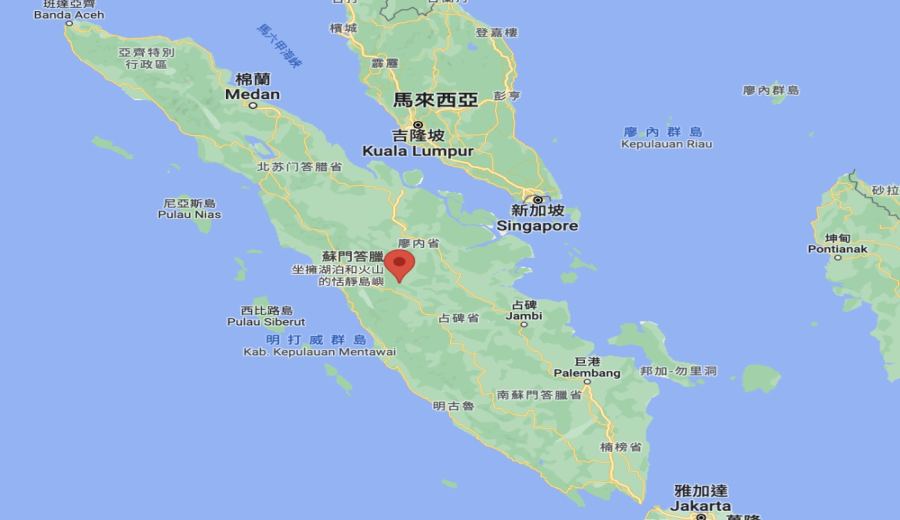
Introduction:An in-depth exploration of the geographical environments and growing conditions of two premium Mandheling-producing regions in Sumatra—Lintong and Gayo—along with how PWN’s Golden Mandheling achieves Indonesia’s highest coffee bean grade through rigorous selection. This article also details the flavor profile and practical brewing parameters suited for pour over, helping coffee enthusiasts master techniques for a rich and balanced cup.
Mandheling coffee is the most representative Arabica variety from Indonesia’s Sumatra Island, long favored by global specialty coffee drinkers for its full-bodied mouthfeel, low acidity, and distinctive herbal and spicy notes. This type of coffee is not the name of a single variety but rather a term originally used by local indigenous communities in Sumatra, later becoming synonymous with the region’s Arabica coffee. The main growing areas are concentrated in Lintong in northern Sumatra and Gayo in Aceh Province. These two regions, blessed with exceptional natural conditions, produce numerous high-quality specialty-grade Mandhelings.
Sumatra as a whole is predominantly planted with Robusta, with only about 10% Arabica distributed across highland areas such as Sumatra, Java, and Sulawesi. Among these, Mandheling is mostly cultivated at elevations between 900 and 1600 meters, particularly near Lake Toba and the Gayo mountainous regions. These areas not only have suitable altitudes but are also surrounded by abundant water sources, providing ideal conditions for coffee tree growth. Lake Toba, located north of Medan, sits at an elevation of approximately 900 meters, with surrounding mountainous regions generally ranging from 1100 to 1600 meters. The microclimate is stable, making it highly suitable for coffee cultivation. The Gayo mountain area is located in Aceh Province, with plantings mostly distributed around the town of Takegon and the shores of Lake Tawar, also typically maintained at elevations between 1110 and 1600 meters. The coffee is processed using traditional wet-hulled methods under shade by local smallholder farmers, resulting in a deep yet vibrant cup with rich body.
When it comes to the flavor profile of Mandheling, influenced by the local climate, soil, and wet-hulling process, these coffees typically exhibit low acidity, high body, and distinct herbal and spicy characteristics. Mandheling from the Lintong region often features flavors such as toasted bread, nuts, caramel, pine, and herbs. It has a full-bodied mouthfeel and a sweet aftertaste, making it one of the representatives of classic Sumatran flavor. In contrast, the Gayo region—especially the Golden Mandheling carefully selected by PWN—offers a cleaner taste with brighter sweetness, layered complexity, aromatic richness, and a long, balanced, and elegant finish.
PWN (Pwani) is a highly regarded coffee processor in Indonesia. Its Golden Mandheling is widely recognized in the industry and considered the highest-grade Mandheling coffee in Indonesia. After purchasing coffee beans from the Aceh region, the company carries out a strict wet-hulling process, followed by one mechanical screening and three rounds of manual hand-picking to ensure that every green bean meets the G1 grade. During this process, machine sorting primarily removes beans that do not meet the 18-mesh size standard or larger, while subsequent manual selection further eliminates irregularly shaped or visibly defective beans. This significantly reduces the defect rate, ensures even roasting heat absorption, facilitates the full release of flavor compounds, and enhances sweetness and overall flavor purity. Since counterfeit products are often sold in the market under the name “Golden Mandheling,” consumers can identify authenticity through certification documents and the official PWN logo on the sacks. Reputable importers usually have relevant documents available for verification.
In terms of roasting and brewing, to fully highlight Mandheling’s low-acid and full-bodied characteristics, producers typically roast the beans to a medium-dark level, just before the second crack. This roast level allows for a looser internal bean structure, which helps release a wealth of aromatic and sweet compounds. However, because medium-dark roasted beans release flavors more quickly, it is recommended to use a slightly coarser grind size during brewing and avoid overly high water temperatures to reduce over-extraction and bitterness.
For actual pour over parameters, you may refer to the following: Use a KONO filter, with a recommended dose of 15 grams, a coffee-to-water ratio of 1:15, and a grind size of approximately 70% passing through a Chinese standard No. 20 sieve. Water temperature should be controlled around 88°C. The brewing process recommends a three-pour method: the first pour adds 30 grams of water for a 30-second bloom; the second pour adds water in small circles up to 125 grams, then continues pouring until reaching 225 grams after the water level drops by about half. Total brew time should be kept around 2 minutes and 10 seconds. This parameter setup helps balance flavor release and avoids over-extraction and bitterness in the final stage.
In terms of actual tasting, Mandheling from the Lintong region usually presents intense herbal aromas, paired with black chocolate, caramel, and pine notes, with a pronounced aftertaste. Its overall flavor is stable and representative. In contrast, PWN’s Golden Mandheling showcases a richer layering, maintaining cleanliness within its full body, with interwoven notes of nuts and caramel complemented by a chocolatey finish. Its overall performance is balanced and has a long-lasting aftertaste, making it highly suitable for coffee enthusiasts seeking a high-quality everyday single origin.
The above content is compiled by CoffeeHunters, a coffee news website.


