







Category: Coffee Knowledge
A Complete Guide to 8 Must-Try Espresso Drinks at Cafés: Types, Brewing Methods & Flavors
When ordering at a café, espresso-based drinks are among the most popular choices—but do you know the differences between espresso, Americano, latte, and cappuccino? This article will take you deep into the brewing parameters, ratios, and flavor profiles of various classic espresso drinks, including the ice-and-hot contrast of a Dirty, and the bold marking technique of a macchiato. From beginner to expert, master the essence of espresso drinks. [more…]
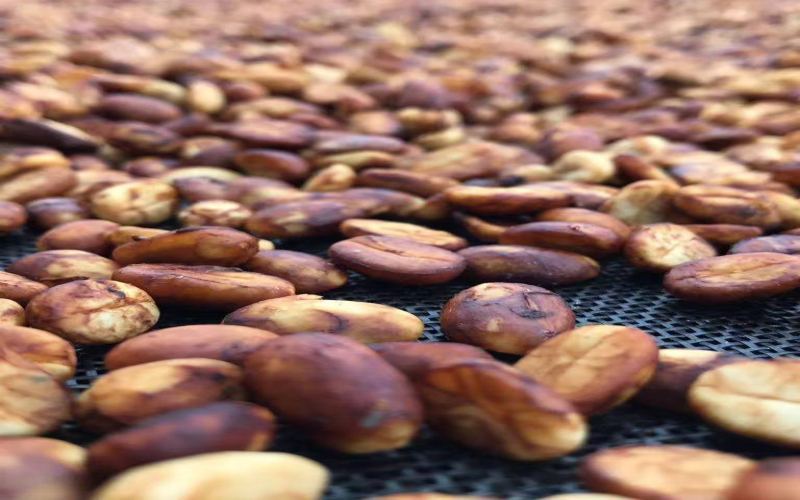
A Complete Guide to Honey Process Coffee: From Black Honey to White Honey – Understand Flavor Profiles and Processing Parameters in One Go
Honey processing is a specialty coffee method that falls between washed and natural processes, where varying levels of mucilage retention influence the final flavor. This article provides an in-depth analysis of the mucilage retention ratios, drying conditions, fermentation characteristics, and cup profiles of black honey, red honey, orange honey, yellow honey, and white honey. It also offers practical pour over brewing tips to help coffee enthusiasts master the traits of honey-processed beans and their brewing secrets. [more…]
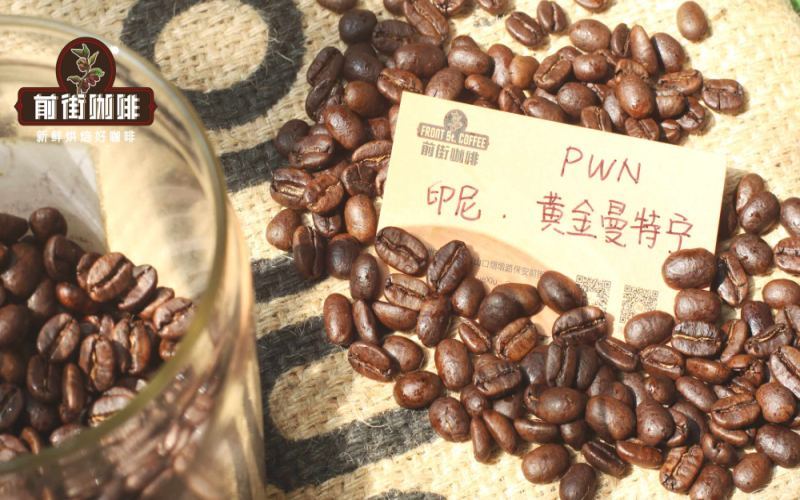
An Introduction to Indonesian Mandheling Coffee: Flavor Analysis of Wet-Hulled Processing & Buying Guide for Golden Mandheling
Mandheling coffee comes from Sumatra, Indonesia, and is renowned for its full body, low acidity, and rich, captivating flavors. This article will delve into the origin background of Mandheling, the characteristics and principles of the wet-hulled processing method, and explain why it often carries earthy and smoky notes. Additionally, it will debunk the myths surrounding "Golden Mandheling," helping you understand how it differs from regular Mandheling, and provide practical purchasing advice and flavor references. [more…]
The History of Mandheling Coffee, Quality Analysis of Golden Mandheling, and Pour Over Brewing Techniques
Delve into the World War II historical origins behind Mandheling coffee, as well as the unique status and stringent selection criteria of "Golden Mandheling." This article covers the origins of the wet-hulled processing method, the characteristics of the Liberica bean, to how PWN company crafts top-tier Golden Mandheling, and provides practical pour over brewing parameter suggestions—helping you master both the flavor profile and techniques of this classic Indonesian bean. [more…]

What’s the difference between Mandheling G1 and Golden Mandheling? A complete guide to pour over bean selection and flavor profiles
Mandheling G1 and Golden Mandheling often confuse beginner pour over enthusiasts—not only is there a significant price difference, but their flavor profiles also vary markedly. This article provides an in-depth analysis of their grading classifications, processing methods, regional characteristics, and flavor profiles, helping you choose the most suitable everyday bean or advanced option based on your brewing goals and budget. It also covers the optimal drinking window after roasting and key storage tips, so you can fully enjoy the true flavors of the coffee. [more…]
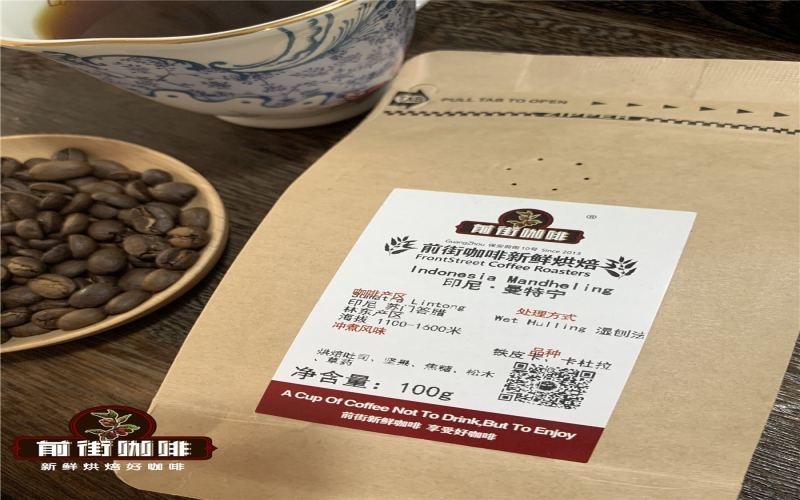
Analysis of Golden Mandheling Coffee Beans | Flavor, Ateng Variety, Wet-Hulled Process, and Pour Over Recommendations
Golden Mandheling stands out with its rich aroma and high quality, making it a top choice for many coffee enthusiasts. This article delves into the naming origin of this classic Indonesian coffee, the characteristics of its main variety — Ateng, the wet-hulled processing method, and offers practical pour over brewing parameters and three-stage pouring techniques to help readers fully grasp the flavor potential and brewing essentials of Golden Mandheling. [more…]
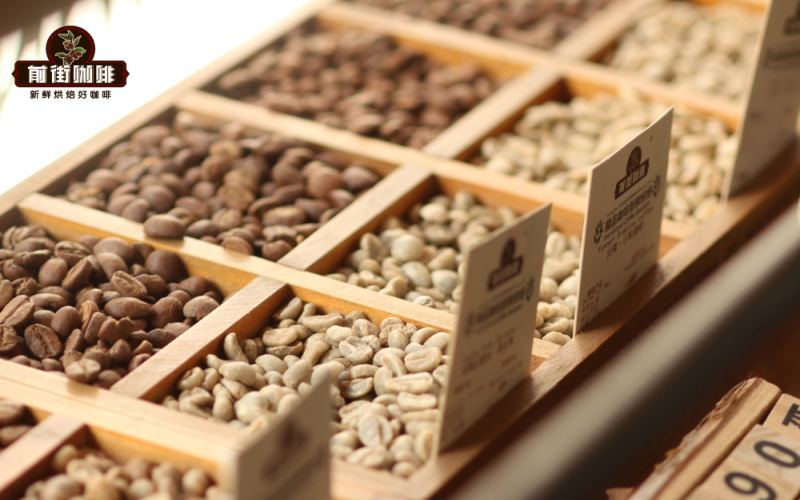
Golden Mandheling Flavor Analysis: A Complete Guide to Indonesia’s PWN Patent & Ateng Variety
Golden Mandheling is hailed as the representative of premium Indonesian coffee, but only PWN Company holds the official "Golden" trademark. This article delves into its origins, from the microclimate differences between Sumatra's Gayo Highlands and Lintong regions, to the characteristics of the Ateng variety and the wet-hulling processing method, and provides professional pour over recommendations to help you fully understand this classic bean—from origin to cup. [more…]
Full Breakdown of Costs at a Home-Roasting Coffee Shop: From Green Bean Procurement to Roasting Losses, the Truth Behind the Price
Have you ever wondered why the same Yirgacheffe coffee beans are sold at one shop for 300 yuan per pound, while another charges 1200 yuan for half a pound? This price difference isn’t just about origin labels—it involves multiple costs such as green bean grade, roasting weight loss, and manual bean sorting. This article takes an in-depth look at the pricing structure of home-roasting coffee shops, guiding you through every step of the cost from bean procurement to roasting, and helping you understand why truly “authentic and high-value” coffee often far exceeds its labeled price. [more…]

Aeropress Iced Brew Practical Guide: Extraction Parameters and Flavor Analysis of Yirgacheffe and Nicaraguan Beans
Want to enjoy a refreshing iced coffee with rich flavor layers in the summer? The Aeropress is not only suitable for hot brewing but can also produce highly concentrated and clean-tasting coffee liquid through immersion and pressurized extraction. This article thoroughly shares the complete process of using the Aeropress for cold brewing—from the principles of the tool, bean variety selection, to precise settings for grind size, water temperature, and coffee-to-water ratio. It also includes practical testing with Yirgacheffe washed Guji Dingding and Nicaraguan beans, analyzing how to adjust acidity and sweetness balance through ice dilution. [more…]
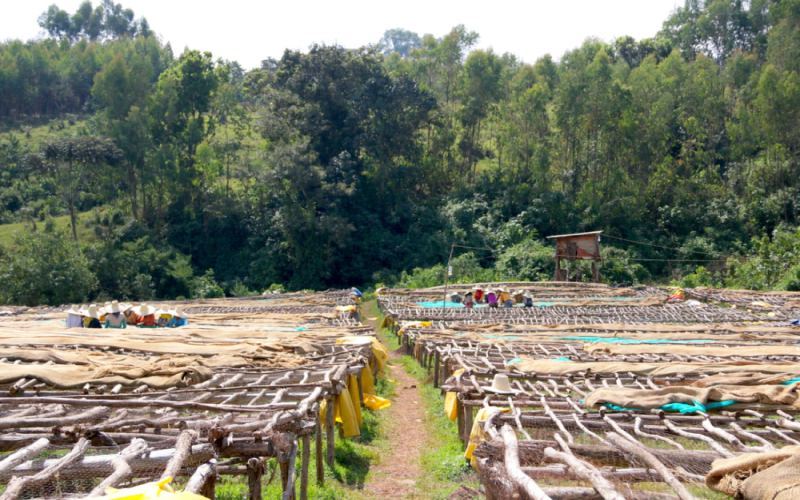
In-depth Analysis of Ethiopia's Yirgacheffe Region: Differences Between Washed and Natural Processed Beans & Pour Over Recommendations
As the birthplace of coffee, Ethiopia’s Yirgacheffe region is renowned for its coffee beans that boast bright acidity and delicate floral notes, making them a top choice for many coffee beginners. This article will guide you through some of the most popular washed and naturally processed beans from Yirgacheffe, analyzing their unique flavor profiles and sharing practical tips on selection and brewing to help you better appreciate the charm of African coffee. [more…]
Analysis of Ethiopian Guji Yirgacheffe Sola Farm Natural G1 Single Estate: Flavor Profile of Lot 3 & Regional Characteristics
An in-depth exploration of the Ethiopian Guji Yirgacheffe Sola Farm Natural G1 Single Estate Lot 3 coffee beans. From regional background and processing methods to flavor profile, this guide helps you fully understand this specialty-grade bean that boasts both berry aromas and a rich body, while also delving into the culture of the Oromo people and the rising trends of the Guji region. [more…]
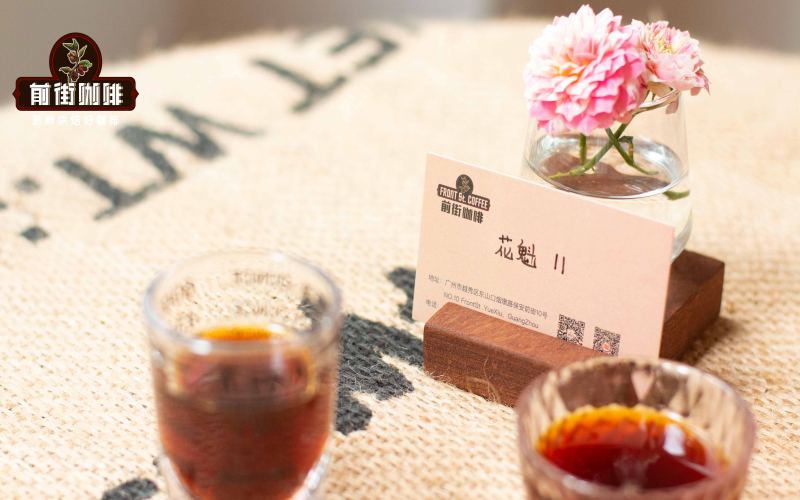
Flavor Comparison: Ethiopian Hua Kui Natural vs Washed | Pour Over Parameters & Cupping Guide
Both the Hua Kui coffee beans from Ethiopia's Guji region, specifically the Hambela area, exhibit entirely different flavor profiles due to the natural and washed processing methods. This article provides an in-depth analysis of the origin background, green bean appearance differences, cupping data performance of both beans, and offers professional pour over parameter recommendations. It helps coffee enthusiasts make choices based on their personal taste preferences while mastering brewing techniques. [more…]
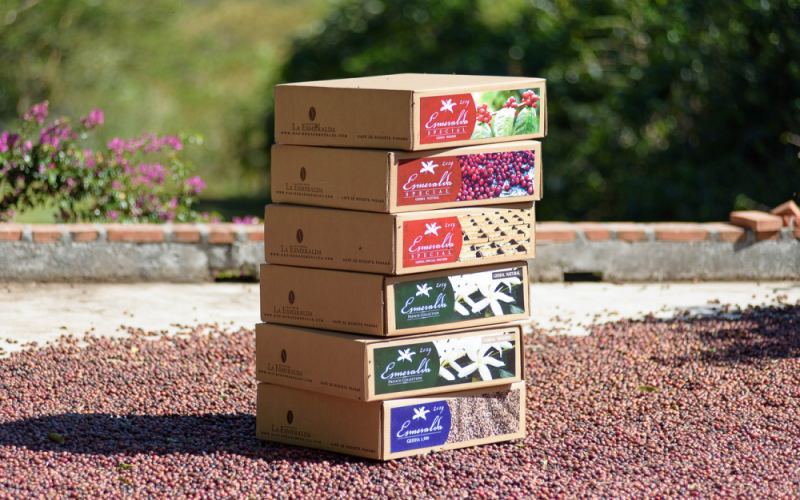
Panama Finca Esmeralda Jade Mountain Coffee: Washed and Natural Processing Explained | Flavor Characteristics and Brewing Recommendations
In addition to the renowned Geisha, Finca Esmeralda also offers the high-quality and value-for-money Jade Mountain series. This coffee from the high-altitude region of Boquete is primarily composed of varieties such as Catuai, processed through both washed and natural methods, showcasing rich fruity notes and delicate aromas. This article delves into the environment of the Jade Mountain growing area, variety characteristics, processing methods, and shares actual flavor profiles and brewing references to help you better understand this premium coffee worth trying. [more…]
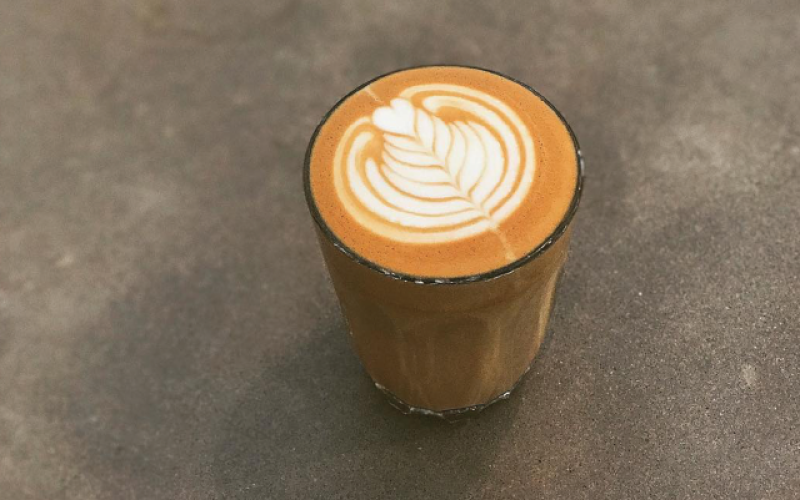
Complete Guide to Making a Piccolo Latte: Flavor Analysis and Brewing Techniques for This Small Cup of Milk Coffee
A Piccolo latte is a small-sized Italian-style milk coffee with a volume of only 90–100ml, made by combining espresso and hot milk. Originating from a testing recipe by Australian baristas, it has now become a popular choice in specialty coffee shops. This article delves into its unique flavor characteristics, the reasoning behind its small cup design, and provides a detailed introduction to the professional production process — including coffee dosage, extraction time, milk temperature control, and latte art techniques — helping you master the essence of this delicate small cup of milk coffee. [more…]
Complete Guide to Making a Piccolo Latte: Professional Analysis from Ristretto Extraction to Milk Foam Ratio
The Piccolo Latte is a mini milk coffee with a volume of about 3 ounces, featuring an intense Ristretto shot as its base, delivering concentrated and layered flavors. This article provides an in-depth analysis of its key preparation steps, including how to choose the right blend of coffee beans, master the extraction differences between Ristretto and regular espresso, and achieve the perfect coffee-to-milk ratio. From parameter settings to hands-on details, help you easily master this popular premium Italian-style coffee. [more…]
In-depth Analysis of Costa Rica Mirasù Geisha Beans: Flavor, Processing Method & Pour Over Guide
Take an in-depth look at the Mirasù Estate in Costa Rica’s Tarrazú region, and learn how owner Esteban Sanches transformed from craftsman to entrepreneur to create Geisha coffee with a unique flavor profile. This article not only explores the varietal blend and raisin honey processing details of the “Strawberry Candy” batch, but also provides practical pour over recommendations—including water temperature, grind size, and a three-step pouring technique—to help you fully appreciate the charm of this high-sweetness coffee from origin to cup. [more…]
Costa Rica Geisha Coffee Beans: Mirasù Estate Honey Process & Flavor Profile
The Mirasù Estate Geisha coffee from Costa Rica’s Tarrazú region shines with intense sweetness and complex layers through its raisin honey process. This article takes you deep into the high-altitude characteristics of these coffee beans, their processing method, flavor profile, as well as the best pour over parameters and techniques to help you brew a specialty coffee at home that balances bright acidity with a rich aftertaste. [more…]
Unveiling the Origins of Panama Morgana Geisha: Exquisite Flavors and Cultivation Philosophy at 1,700 Meters Above Sea Level
Take an in-depth visit to Morgana Estate, nestled on the southwestern slopes of Panama's Barú Volcano, and discover how this five-hectare high-altitude coffee farm nurtures its finely flavored and highly acclaimed Green Label Geisha through stringent management and a uniquely favorable microclimate. A comprehensive look at its terrain, varietal, and post-harvest processing reveals what makes it truly distinctive—and how that translates into the cup. [more…]
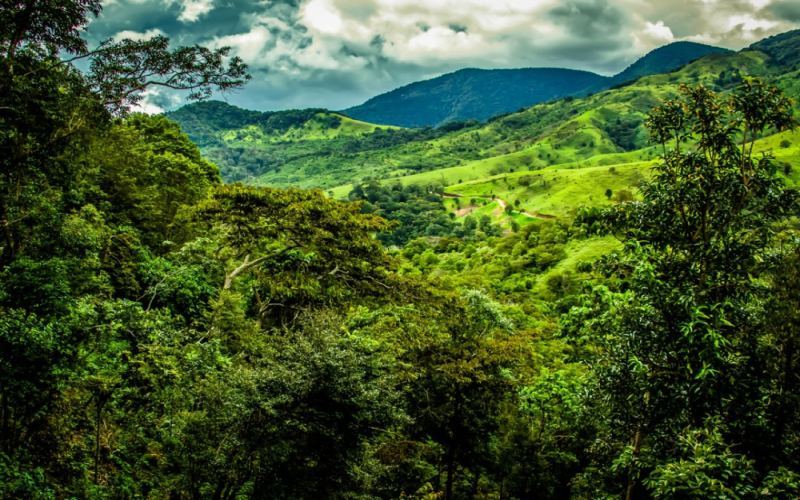
Panama Deborah Estate Geisha Tasting: A Comprehensive Guide to Environment, Processing & Pour Over Flavors
An in-depth exploration of the Deborah Estate Geisha coffee from the high-altitude regions of Panama’s Volcán Mountains. This guide covers everything from the variety's origins, microclimatic conditions, eco-friendly cultivation practices, to professional processing techniques—analyzing all key factors that contribute to its unique flavor profile. Practical pour over recommendations and parameters are also provided to help you master the essence of this premium Geisha. [more…]

What’s the difference between Americano, Long Black, and Lungo? Brewing methods and flavor profiles of Italian-style black coffee
Although Americano, Long Black, and Lungo are all made by adding hot water to espresso, their preparation methods, taste profiles, and cultural backgrounds are quite different. Understanding their historical origins, brewing details, and flavor differences can not only help you choose the black coffee that best suits your taste more accurately, but also make more professional decisions when ordering or brewing at home. [more…]