







Introduction:As the birthplace of coffee, Ethiopia’s Yirgacheffe region is renowned for its coffee beans that boast bright acidity and delicate floral notes, making them a top choice for many coffee beginners. This article will guide you through some of the most popular washed and natural processed coffee beans from Yirgacheffe, analyzing their unique flavor profiles and sharing practical tips on selection and brewing to help you better appreciate the charm of African coffee.
When it comes to African coffee, many people first think of rich floral aromas and bright acidity, and Ethiopia’s Yirgacheffe is a classic representation of this flavor style. As one of the world’s important specialty coffee regions, Yirgacheffe benefits from a unique altitude and microclimate, which give its coffee beans an exceptionally fresh taste. Among the many beans produced in Yirgacheffe, the washed and natural processing methods create distinctly different flavor profiles, adding even more depth to the exploration of this region’s coffee.
Washed Yirgacheffe: Bright Acidity, Delicate Aroma
The washed processing method highlights the acidity and cleanliness of coffee, and Yirgacheffe’s washed beans take this characteristic to the extreme. Take the common “Guji Dingding” variety as an example—after washed processing and medium-light roasting, these beans exhibit honey-like sweetness, subtle jasmine floral notes, and clear citrus tones. The acidity is bright yet not harsh, with a refreshing and layered mouthfeel, making it highly suitable for pour over enthusiasts who enjoy fresh and clean flavors. It is recommended to use a medium-fine grind, with water temperature around 90–92°C, and to pour water evenly in a thin stream to fully bring out its aromatic qualities.
Natural Yirgacheffe: Rich Fruit Aroma, Full-bodied Sweetness
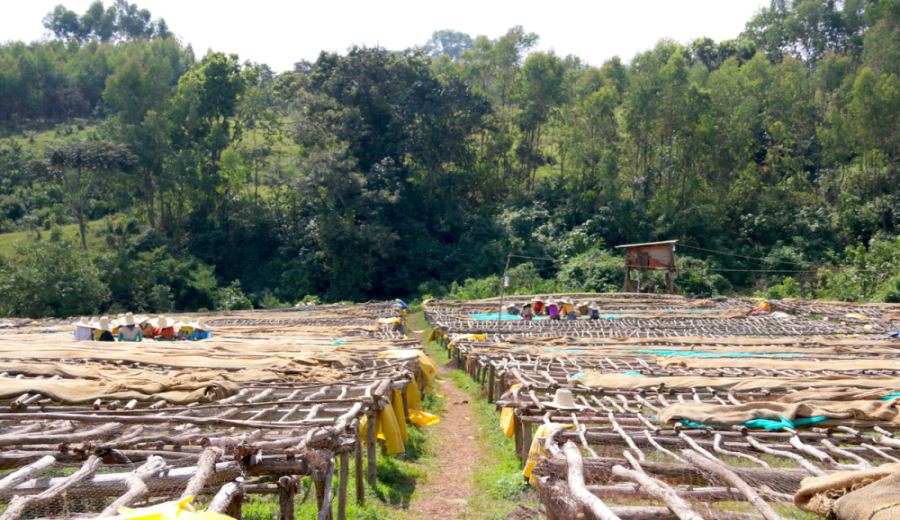
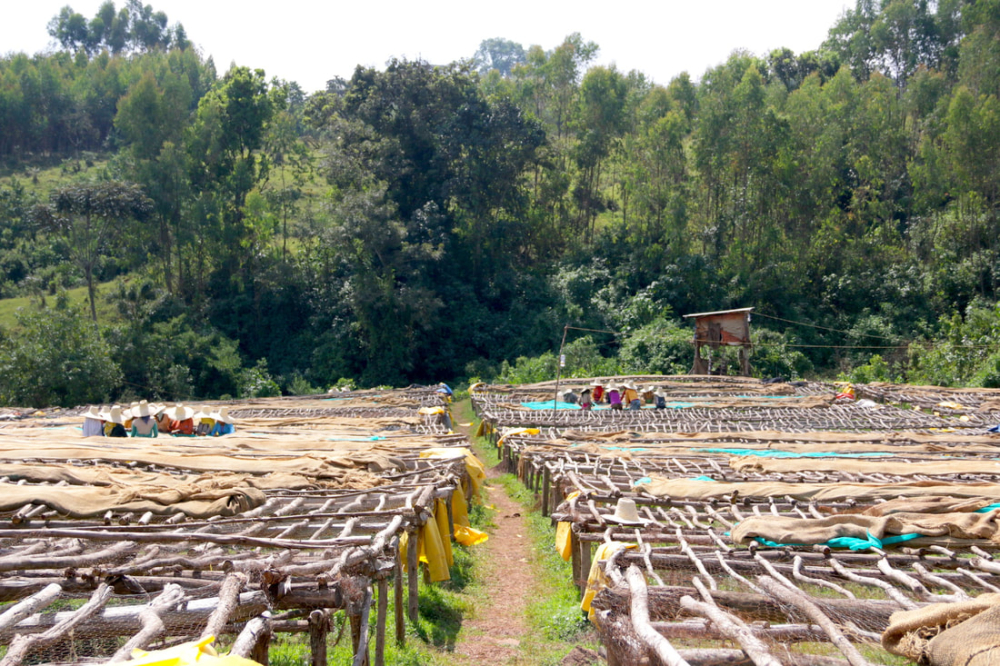
Compared to the freshness of washed beans, Yirgacheffe beans processed using the natural method offer a completely different flavor profile. For instance, the “Natural Red Cherry” beans are processed by placing ripe coffee cherries directly on drying beds and allowing them to sun-dry until their moisture content drops to approximately 35–45% before hulling. This method allows the sugars and flavor compounds from the fruit pulp to deeply penetrate the seeds, resulting in intense berry aromas, rich ripe fruit acidity, and a lingering finish with notes of chocolate and creamy richness. When brewed, you can experience a combination of strawberry, berry, floral, and slight fermentation notes, with an overall stronger sweetness. These beans are suitable for various brewing methods such as pour over, French press, cold brew, and even ice drip. It is recommended to use a slightly coarser grind for pour over, with water temperature controlled between 88–90°C to reduce the risk of over-extraction.
How Does Processing Method Affect Flavor?
The washed processing method emphasizes cleanliness and bright acidity, making it ideal for showcasing the regional characteristics and delicate floral notes of the coffee itself; whereas the natural processing method, through the natural fermentation of the fruit pulp, imparts a richer fruit aroma and sweetness to the coffee, resulting in a more expressive flavor. Both methods have their unique strengths, and coffee lovers are encouraged to try both to discover their preferred flavor profiles.
Roast Freshness Is Key
Regardless of the processing method, a coffee’s aroma and flavor are closely related to the time elapsed since roasting. Generally speaking,4 to 45 daysafter roasting is the golden period during which the coffee beans exhibit their best flavor. Once this period is exceeded, the aroma and acidity will noticeably decline, and no amount of brewing skill can fully restore them. Therefore, choosing freshly roasted coffee beans is crucial. It is recommended to select brands that provide recent roast dates and to consume the beans within half a month of receipt whenever possible to enjoy the optimal tasting experience.

In summary, Ethiopia’s Yirgacheffe is not only a flavor representative of African coffee but also a top choice for many beginners to explore the world of acidity and floral notes. Whether you prefer the bright and clean profile of washed coffee or the rich and sweet taste of natural coffee, you can find amazing options in this region. Remember to adjust your brewing parameters according to the processing method and roast level, and make sure to enjoy the coffee within its best flavor window to fully experience the true charm of Yirgacheffe coffee.
The above content is compiled by CoffeeHunters, a coffee news website.


