







Introduction:Mandheling coffee comes from Sumatra, Indonesia, and is renowned for its full-bodied, low-acid, and richly captivating flavor profile. This article will delve into the origin of Mandheling, the characteristics and principles of the wet hulling processing method, and explain why it often exhibits earthy and smoky notes. It will also debunk the myths surrounding "Golden Mandheling," highlighting how it differs from regular Mandheling, and offer practical purchasing advice along with flavor references.
When talking about Sumatra, Indonesia, one cannot overlook its most iconic coffee variety — Mandheling. This coffee is beloved by many enthusiasts for its bold, intense flavor, low acidity, and almost non-existent bitterness. But what kind of processing method creates such a unique flavor profile? How did the traditional wet hulling method emerge under Indonesia’s unique climate and influence the final cup? This article will provide a detailed analysis of Mandheling’s origin, processing techniques, flavor characteristics, and introduce you to so-called “Golden Mandheling,” offering useful coffee bean selection tips and pour over brewing references.
Sumatra is the heartland of coffee production in Indonesia, with well-known growing regions including Aceh, Lintong, and Sidikalang. Among these, the beans produced around Lintong and Lake Toba are generally considered the quintessential representation of the classic Mandheling flavor. Many enthusiasts note that although Sumatran beans often appear rough and irregular in shape — even jokingly referred to as “the ugliest coffee beans” — these unassuming beans frequently deliver the most astonishing flavor profiles: full-bodied, smooth, and virtually free of the pesky bitterness that can plague other coffees.
Wet Hulling: The Secret Behind Mandheling's Flavor
The key to Mandheling’s distinctive character lies in the “wet hulling” process (Wet Hulling), locally known in Indonesia as Giling Basah. Although the name sounds similar to the washed process, the two yield vastly different cup profiles. Coffee processed via wet hulling often features intense earthy tones, smokiness, and deep-roast chocolate-like notes, with a heavy body and layered complexity.
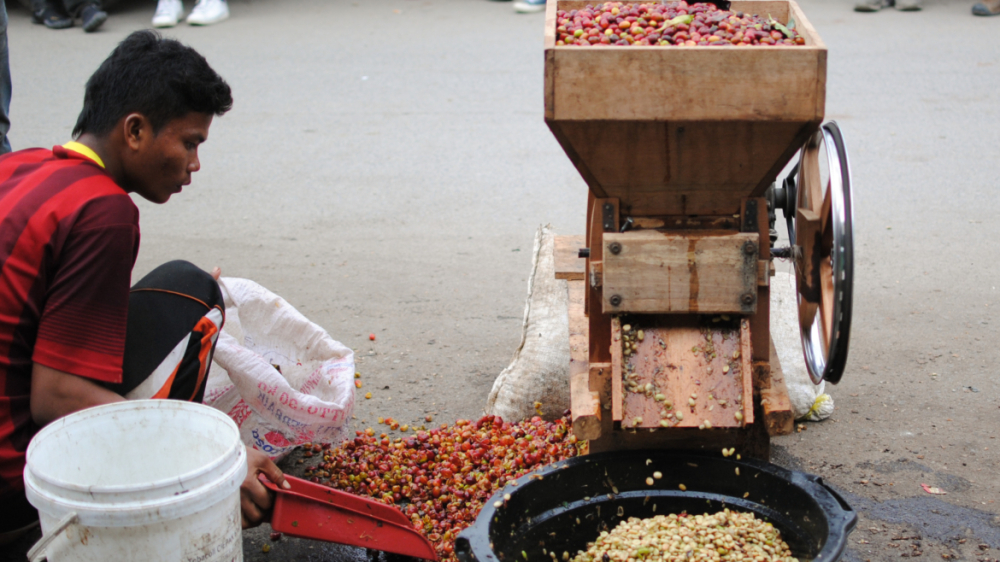
The main steps of the wet hulling process are as follows: first, the skin and pulp of the coffee cherry are removed, but the parchment and mucilage layers are retained; next, the beans are fermented in water, then rinsed to remove the remaining mucilage; afterward, they are sun-dried with the parchment still on for about 2 to 3 days, until the moisture content drops to 20%–24%; then the parchment layer is removed, and the green beans are further dried to 12%–13% moisture content before being prepared for export. The biggest difference between this method and traditional washing is the early removal of the parchment, which accelerates the drying process.
Why Does Indonesia Use Wet Hulling? Climate, Cost, and Sorting Challenges
Indonesia experiences high temperatures and humidity year-round, with air humidity often maintained between 70% and 90%, and annual rainfall in some areas exceeding 2000 mm. In such a humid environment, the lengthy drying period of the traditional washed method can easily lead to mold growth. Wet hulling mitigates this risk by removing the parchment early, exposing the beans to sunlight and significantly shortening the drying time to about one-third of that required by the washed method.
In addition, from historical and economic perspectives, when Dutch colonists introduced coffee to the region in the 17th century, their primary goal was rapid returns and high yields — goals perfectly aligned with the wet hulling method. Compared to other processing methods, it drastically reduces both processing time and labor costs.
However, wet hulling also presents challenges. During the parchment removal stage, the beans still have high moisture content and are fragile and prone to damage, commonly resulting in small defects referred to as “goat hoof beans” or “kuku kambing.” Coupled with the fast processing leading to higher defect rates, most processing facilities conduct multiple rounds of manual sorting, with common grades being DP (double-picked) and TP (triple-picked), the latter offering stricter defect control.
Overall, wet hulling gives Mandheling its unique flavor profile: low acidity, full body, and a slightly muted quality. Common descriptors include earthy aromas, smokiness, and dark chocolate notes. These flavors make Mandheling well-suited for pour over and French press, and it can also be blended with other beans for espresso blends to showcase rich layers of taste.
Golden Mandheling: Misconceptions and Truths About This Premium Grade
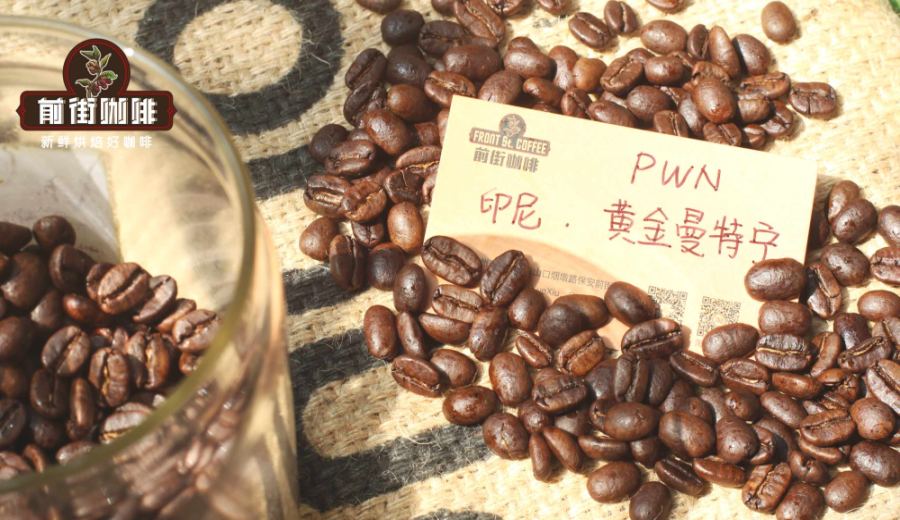
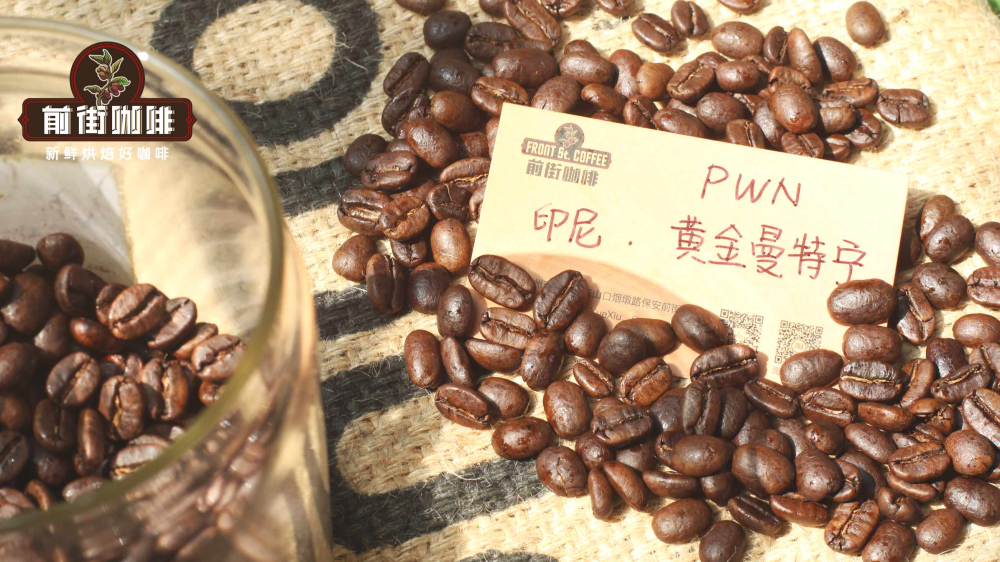
Many coffee newcomers often hear the term “Golden Mandheling,” and some even mistakenly believe it refers to aged beans. In reality, Golden Mandheling is a premium-grade Mandheling produced by Indonesia’s well-known coffee purchasing company PWN (Pwani Coffee Company). This company controls most of Sumatra’s high-quality growing regions and applies extremely strict standards when selecting coffee beans.
PWN has registered “Golden Mandheling” as a trademark, meaning only specific grades of beans produced by this company can be rightfully called Golden Mandheling. Many products on the market that claim to be “Golden Mandheling” are actually just high-quality Mandheling, not the officially certified version.
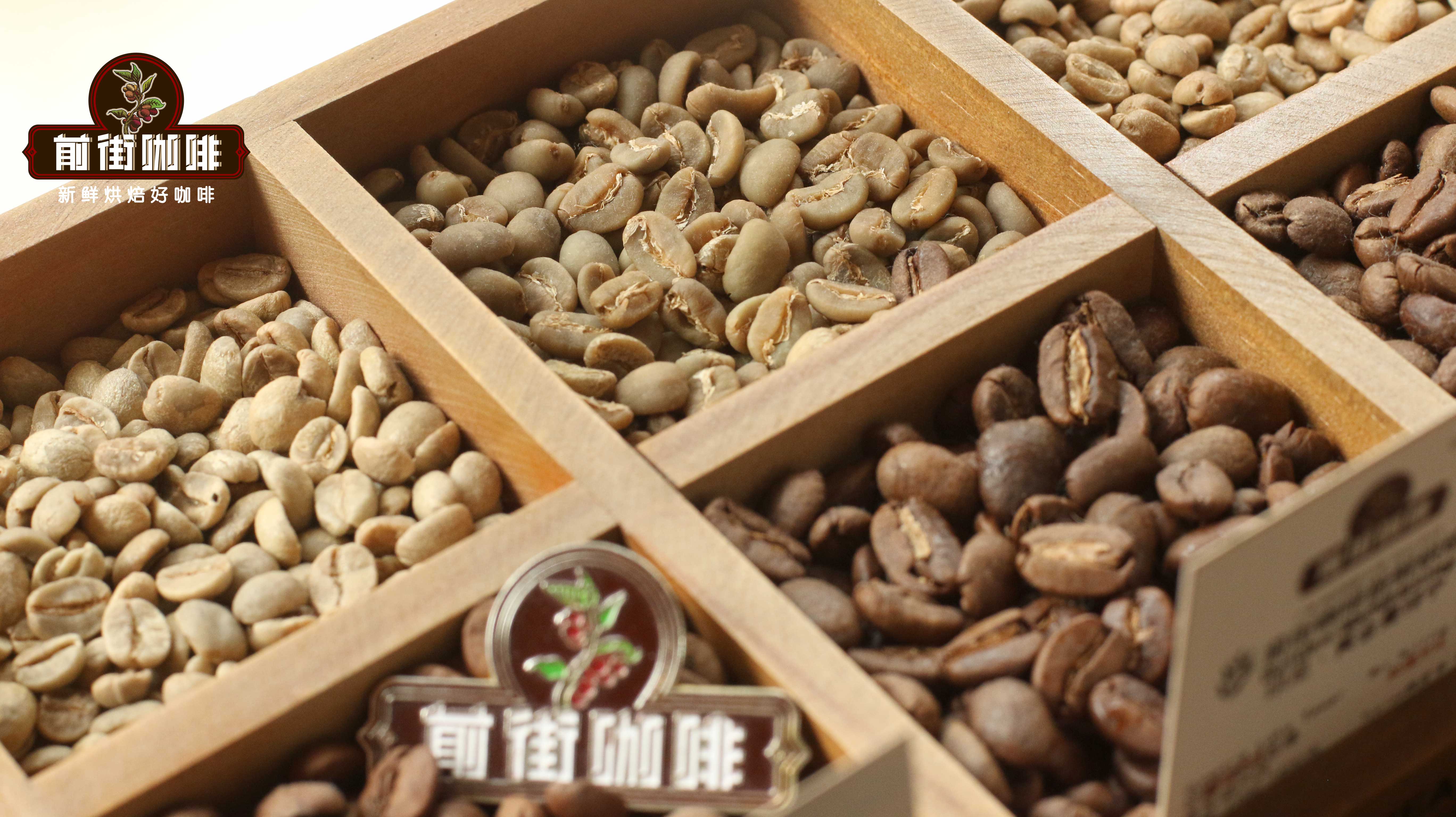
Golden Mandheling undergoes multiple rounds of manual hand-picking at the green bean stage, selecting only plump, flawless beans of consistent size, with an extremely low defect rate, typically around 2%. In contrast, regular Mandheling (such as the commonly seen G1 grade) is also sorted, but due to appearance and defect issues, it often requires more sorting, and the appearance of roasted beans may not be as aesthetically pleasing as Golden Mandheling.
For beginner coffee enthusiasts, the difference might be hard to detect in a single sip; however, for experienced tasters, Golden Mandheling clearly outperforms regular Mandheling in sweetness, cleanliness, body, and spicy-type flavors. It also comes with a relatively higher price tag, making it an excellent choice for those seeking high-quality single-origin coffee.
The above content is compiled by CoffeeHunters, a coffee news website.


