







Category: Coffee Knowledge
How to Choose an Italian Blend? A Complete Guide to Raw-Roast & Roasted-Roast Methods, Resting Periods, and Classic Recipes
The charm of Italian-style coffee largely comes from the clever use of blended beans. How can you combine beans from different regions and roast levels to achieve a balanced and layered flavor? This article provides an in-depth analysis of the technical differences between raw blends and roasted blends, the critical impact of resting periods, and offers three practical blending approaches, as well as classic ratio formulas for acidic, balanced, and bitter profiles. Whether you’re brewing at home or managing a café, you’ll gain professional-grade inspiration for blending. [more…]

Espresso Extraction Parameters and Blending Bean Techniques: A Comprehensive Guide to Dose, Time, and Flavor
Understanding the key elements of espresso extraction — including extraction time, dose settings, and blended bean recipe design — is the first step for every coffee enthusiast aiming to elevate coffee quality. This article delves into the principles of espresso extraction, standard parameters, and analyzes the four core aspects of blending beans: bean selection, defect removal, characteristic mastery, and roast profiling, helping you master the techniques for producing stable and flavorful espresso. [more…]
A Complete Analysis of the Kenyan SL28 Coffee Variety and Its Washed Processing Flavor | Pour Over Bean Selection Guide
Kenyan coffee is renowned for its unique plum-like acidity and distinct fruity notes, with the key variety behind these characteristics being SL28. This article delves into the origins, breeding background, genetic traits, and flavor advantages of SL28, as well as exploring its disease susceptibility limitations. Through an actual case study of washed beans from the Assaliya Washing Station in the Thika region, it takes you on a journey to understand how this classic Kenyan bean achieves an enchanting balance of sweetness and acidity, along with a rich mouthfeel, through variety, altitude, and processing methods — making it essential reading for those selecting and brewing Kenyan beans using the pour over method. [more…]

The Ultimate Guide to Kenyan Coffee Beans: Regions, Varieties, Grading, and Pour Over Parameters
Kenyan coffee is renowned in the specialty coffee world for its bright acidity, rich fruity aromas, and dense bean structure. This guide will take an in-depth look at the history of Kenyan coffee, the characteristics of its major producing regions, cultivated varieties, the rigorous grading system, and auction trading model. Through practical cupping experiences, we will also compare the flavor profiles of AA and PB grade beans in detail, providing comprehensive pour over recommendations and parameter references. It’s your essential resource for understanding and selecting Kenyan coffee beans. [more…]
Is your latte foam disappearing too quickly? Cracking the key techniques of crema, milk frothing, and milk integration
Have you ever had a beautifully poured latte that, within just two minutes, starts to break apart with unattractive large bubbles? This not only affects the visual appeal but also greatly diminishes the drinking experience. In fact, the rapid dissipation of milk foam is influenced by multiple factors such as the stability of coffee crema, the quality of milk foam, and the technique of milk integration. This article will delve into three key aspects—from the formation conditions of espresso crema, the essentials of frothing milk, to the precise technique of integrating coffee and milk. [more…]
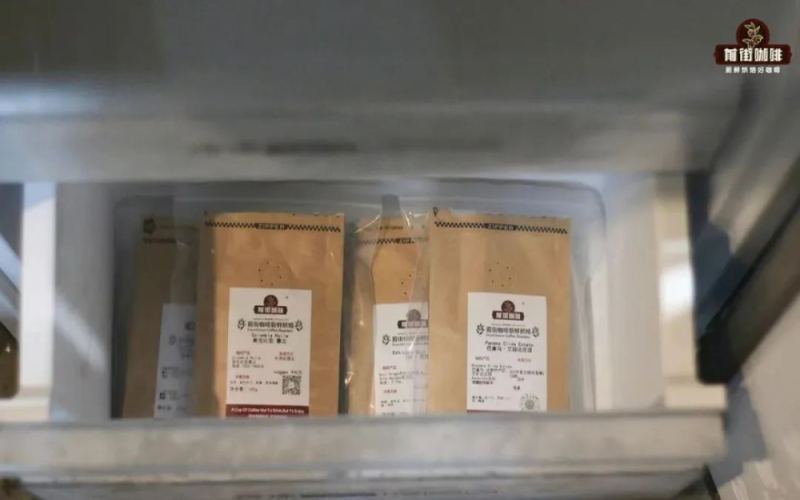
How to Store Coffee Beans? The Impact of Freezing and Refrigeration on Flavor & How to Avoid the Five Enemies
Bought too many coffee beans and can't finish them? Should you refrigerate or freeze them? How should you store them to extend their shelf life? This article starts by analyzing the five enemies that affect coffee flavor—light, heat, moisture, oxygen, and odors—and explores the key factors in keeping coffee beans fresh. It also cites experimental results from Swiss scientists to explain the correct methods and potential risks of freezing coffee. Additionally, it offers practical storage tips for opened coffee beans so you can properly preserve every batch and enjoy the best possible extraction. [more…]
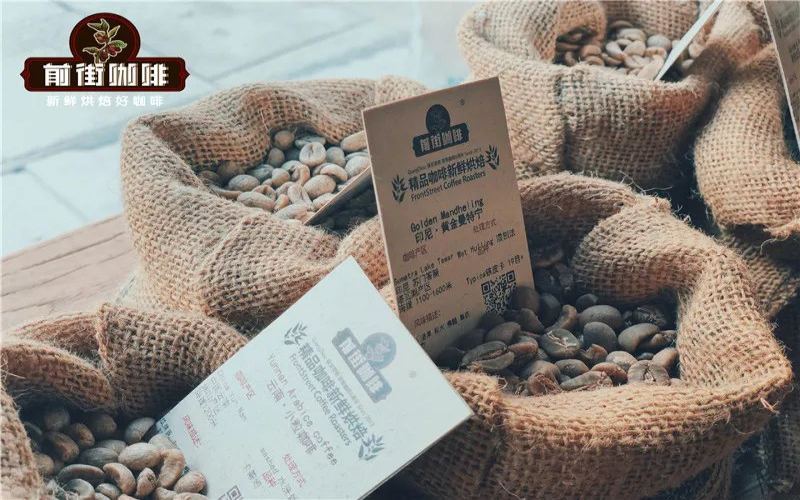
The Ultimate Guide to Indonesian Mandheling Coffee: Exploring Four Major Regions, Processing Methods, and Brewing Parameters
Sumatran Mandheling coffee is world-renowned for its bold, rich body and aromatic notes of spices and herbs. This article delves into the origins of Mandheling coffee, analyzing the regional characteristics, processing techniques, and flavor profiles of four renowned types—Lintong, PWN Gold, Tiger, and aged Mandheling. It also explores the historical development of native Sumatran cultivars such as Ateng and Tim Tim. Additionally, it provides expert-level KONO filter pour over brewing recommendations, including water temperature, grind size, and step-by-step details to help coffee enthusiasts craft the perfect cup. [more…]
In-depth Analysis of Golden Mandheling: From Region to Aged Flavors, Master Brewing Secrets All at Once
As a top-tier coffee representative from Sumatra, Indonesia, Golden Mandheling is renowned for its rich and full-bodied flavor. But did you know it was not originally developed by PWN, but rather created in response to demand from Japan? This article fully explores the background and charm of this classic bean—from its historical origins, varietal evolution, processing method characteristics, to the unique flavors of its aged versions—and provides practical pour over parameters so you can brew a premium Mandheling with intense aroma at home. [more…]
An Analysis of Arabica Coffee Bean Varieties and Flavors: A Comprehensive Guide from Yunnan Small Beans to Growing Environments
As the mainstream variety of specialty coffee, Arabica beans not only dominate the global market but are also highly regarded for their unique flavors and growing conditions. This article will delve into the origins of Arabica varieties, their environmental requirements, physical characteristics, caffeine content, and flavor profiles. It will also introduce the distinctive features of Yunnan small-bean coffee, helping readers fully understand the details from origin to cup and master key knowledge for selecting and enjoying beans. [more…]

Yirgacheffe Flavor Profile and Grade Guide | Pour Over Coffee Bean Recommendations and Brewing Tips
Yirgacheffe is one of Ethiopia’s most iconic specialty coffee regions, renowned for its distinctive citrus acidity and floral aromas. This article delves into Yirgacheffe’s regional background, differences in processing methods, flavor characteristics, and grading system, while also providing practical pour over brewing parameters to help you master everything from bean selection to brewing for this beloved coffee. [more…]
A Beginner’s Guide to Yirgacheffe Coffee: Flavor Profiles, Processing Methods, and Pour Over Parameters
Want to learn about the world-renowned Yirgacheffe coffee? This guide starts with its historical origins and terroir, then dives deep into the flavor differences brought by washed and natural processing methods. It also details the characteristics of native varieties and the strict green bean grading system. Additionally, it offers practical pour over brewing tips—including water temperature, grind size, and a three-stage pouring technique—to help you fully unlock its captivating floral and fruity aromas and bright acidity. [more…]
How to Brew Jamaican Blue Mountain Coffee? A Complete Guide to Flavor Secrets & Grade Certifications
Want to understand why Jamaican Blue Mountain coffee is hailed as the world’s finest? This article delves into the unique sources of Blue Mountain coffee’s distinctive flavors—from its geographical environment and meticulous processing techniques, to its grade classifications and global trade status—breaking down step by step what makes it so precious. Whether you’re a coffee newbie or a seasoned connoisseur, you’ll gain key insights on identifying and brewing Blue Mountain coffee. [more…]
Why is Jamaican Blue Mountain coffee so exclusive? An analysis of production altitude, grading standards, and global supply and demand
Jamaican Blue Mountain coffee is hailed as the “King of Coffees,” renowned worldwide for its unique flavor and exceptional quality. However, the true annual production of Blue Mountain coffee is less than 900 tons, with only about 10% exported to markets outside Japan. This article will delve into the grading system and altitude standards of Blue Mountain coffee, and analyze global export volumes over the past five years along with import trends in China, giving you an insight into how this top-tier coffee is rigorously controlled from cultivation to cupping. [more…]
The Ultimate Guide to Jamaican Blue Mountain Coffee Grading & Regional Certification: How to Identify Grades from NO.1 to PB
Jamaican Blue Mountain coffee enjoys global fame, yet the market is flooded with “Blue Mountain-flavored” products that fail to live up to their name. So what exactly qualifies as authentic Blue Mountain under Jamaican official standards? This article delves into Jamaica’s coffee classification system, covering everything from the geographic certification of the Blue Mountain region, the Rainforest Alliance certification background of the Clifton Estate, to the CIB’s grading standards for bean types from NO.1 to PB. Learn the key factors in identifying true Blue Mountain coffee, along with the flavor differences between washed and natural processing methods, and practical brewing tips. [more…]
Complete Guide to Panamanian Geisha Coffee: From Origins to Red, Green, and Blue Label Selection and Brewing Reference
Geisha coffee, with its distinctive floral and fruity aromas and multiple international competition championship titles, has become a top representative of the specialty coffee world. This article provides a detailed breakdown of its journey from its origin in Ethiopia to its spread to Panama, offers an in-depth analysis of the differences and characteristics of the three major grades—Red Label, Green Label, and Blue Label—and explores the reasons behind its high price and flavor profile, helping you find the right Geisha option and brewing method for your taste. [more…]
Ethiopian Geisha Coffee Beans: Variety Origins, Auction Market Trends, and Pour Over Flavor Analysis
From the highlands of Ethiopia to the global specialty coffee stage, Geisha coffee has become a consistent winner in competitions thanks to its distinctive floral and fruity aromas and richly layered flavors. This article delves into the origins of Geisha, its journey of dissemination, the grading logic behind the Red, Green, and Blue labels, and why it can repeatedly command record-breaking auction prices. It also provides pour over brewing recommendations and flavor profiles to help you fully understand this top-tier coffee bean. [more…]
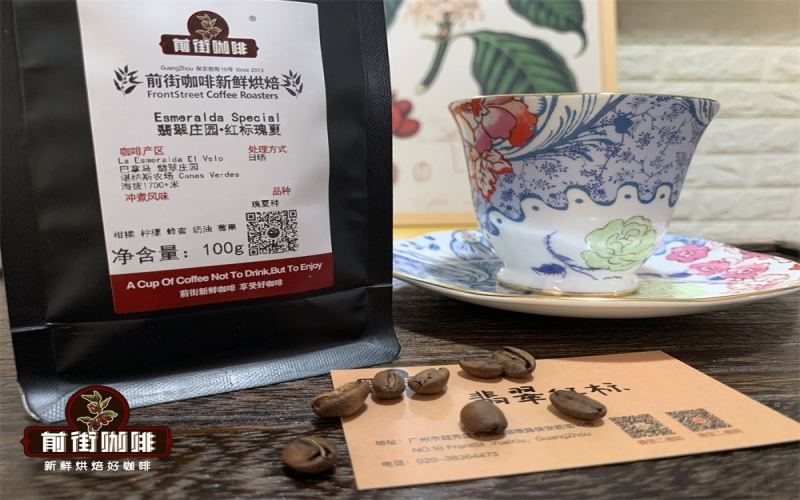
A Complete Guide to Panamanian Geisha Coffee: From Origins to Three Classic Bean Recommendations and Pour Over Tips
Do you know why Panamanian Geisha (Geisha) has caused a sensation in the specialty coffee world and repeatedly fetched record-breaking auction prices? This article will take an in-depth look at this legendary coffee variety that originated in Ethiopia but truly shone in Panama—from its historical roots and unique flavor profile to the ideal growing conditions—helping you truly understand the charm of Geisha. At the same time, based on actual market performance, we also recommend three highly popular Geisha coffee beans with outstanding flavor profiles and excellent value for money. [more…]
A Complete Guide to Geisha Coffee: From Origins to High-Value Picks and Pour Over Tips
Geisha coffee, renowned for its distinctive aroma and exceptional complexity of flavors, has become a legend in the specialty coffee world. From its origins as a wild Ethiopian variety to becoming a champion at Panama’s auction, its rise is nothing short of remarkable. This article delves into the origins and flavor profile of Geisha, and selects three high-value Geisha coffee beans. Along with practical buying advice and pour over recommendations, it lets you experience top-tier flavors on a reasonable budget. [more…]
Can pour-over single-origin beans also be used for espresso? Flavor analysis of SOE lattes and a practical extraction guide
Are pour-over single-origin beans suitable for making espresso? The answer is yes, but it requires mastering key techniques. SOE (Single Origin Espresso), through precise roasting and extraction, can highlight the unique flavors of the origin—ranging from bright acidity to rich chocolatey notes. This article provides an in-depth analysis of the definition, characteristics, and historical background of SOE, along with practical extraction parameters and latte-making steps to help you craft a clear-flavored espresso using single-origin beans. [more…]
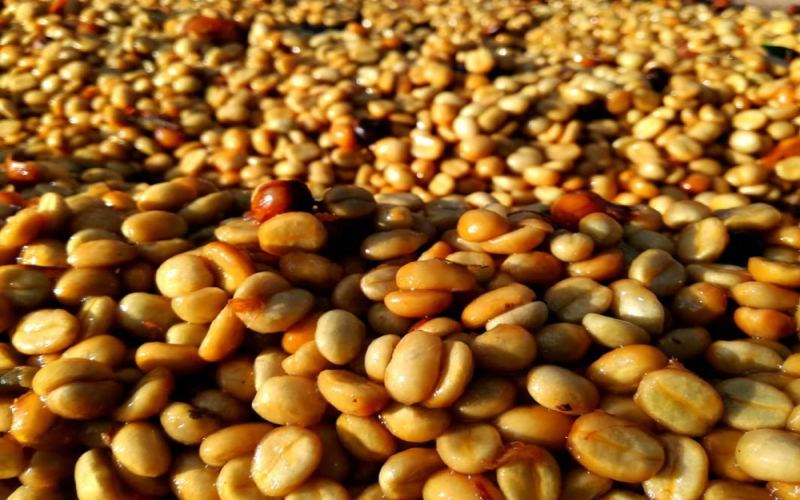
How Are Honey Processed Coffee Beans Made? Flavor Differences from Yellow Honey to Black Honey & Purchasing Tips
Honey processed coffee beans combine characteristics of washed and natural processing methods, creating diverse flavor profiles by controlling the amount of mucilage retained. This article provides an in-depth analysis of the complete production process of honey processing—from harvesting to storage—detailing the key differences in mucilage retention rates among yellow honey, red honey, and black honey, and exploring how these differences affect the final cup profile. It also offers practical purchasing guidance to help you find the honey processed coffee experience that best suits your personal taste preferences. [more…]