







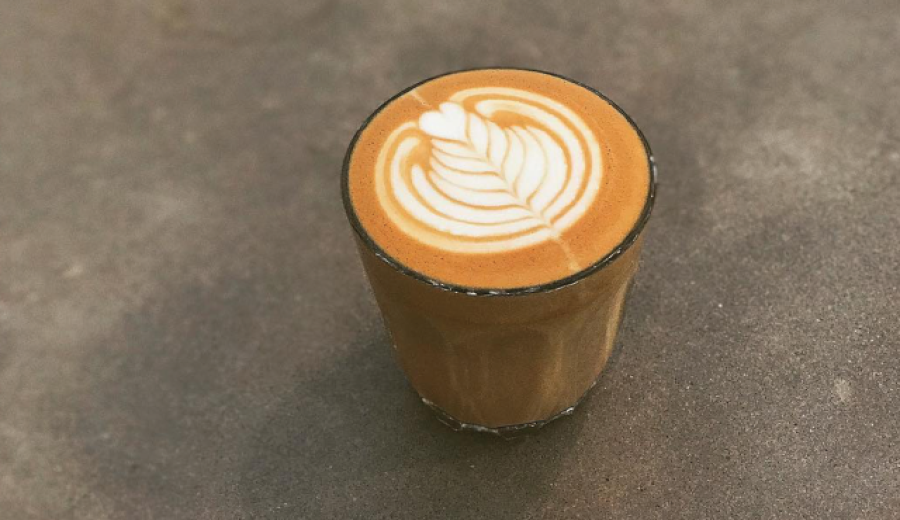
Introduction:The Piccolo Latte is a small-sized Italian-style milk coffee with a volume of only 90–100 ml, made by combining espresso and hot milk. Originating from a testing recipe by Australian baristas, it has now become a popular choice in specialty coffee shops. This article delves into its unique flavor profile, the reasoning behind its small cup size, and provides a detailed guide to the professional preparation process—including coffee dosage, extraction time, milk temperature control, and latte art techniques—to help you master the essence of this refined small-format milk coffee.
The Piccolo Latte belongs to the family of Italian coffees, made by blending a concentrated shot of espresso with steamed hot milk. With a standard volume of only about 90–100 milliliters, it is often regarded as a mini version of a regular latte. This coffee typically uses light to medium roasted beans, highlighting the intrinsic aroma and complexity of the coffee itself, while a small amount of milk is used to balance the taste, resulting in an overall flavor that is more refreshing and expressive.
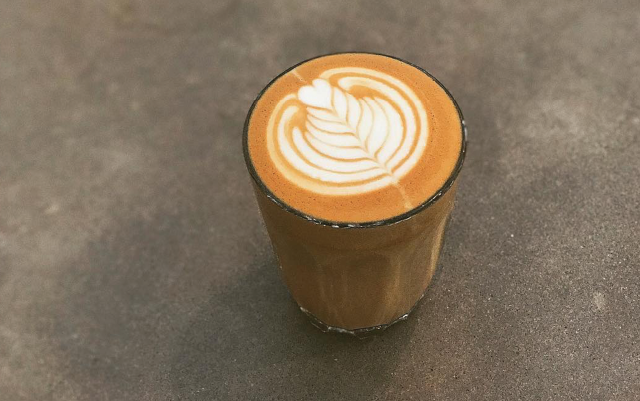
Why is the serving size of the Piccolo Latte so small? This beverage originally emerged in the Australian coffee market, where roasters and baristas wanted to quickly evaluate the compatibility between new beans and milk without making a large drink that could interfere with their judgment—thus opting for a smaller cup format. A single Piccolo is about 3–4 ounces (88–118 ml), often served in a transparent glass, which not only makes it easy to observe the crema and milk foam but also allows drinkers to fully appreciate the harmony between the coffee and milk.
From a flavor perspective, due to its smaller volume, the proportion of milk in the Piccolo Latte is relatively low, allowing the characteristics of the coffee itself to stand out. Compared to a traditional latte, its coffee aroma is more direct and the taste is more concentrated, making it ideal for consumers who enjoy savoring the finer details of coffee. Additionally, the small cup size helps to control caffeine intake, making it a popular afternoon light drink option for many customers.
To make a high-quality Piccolo Latte, precision in multiple aspects is essential. First, it is recommended to use a small cup with a capacity of around 90–100 ml, and to preheat the cup, which helps maintain the optimal flavor expression of the coffee. The base typically consists of a single Ristretto shot—a type of espresso with a shorter extraction time and more concentrated flavor. The Italian term "Ristretto" means "restricted," emphasizing its intense and refined characteristics.
In practice, it is recommended to weigh out 20 grams of coffee grounds, aiming to extract 28 grams of coffee liquid, with an extraction time controlled between 20–25 seconds. Of this, the single Ristretto portion, approximately 14 grams, should be poured into the cup first as the base. The key at this stage is to maintain stable extraction pressure and flow rate to achieve the best concentrated flavor effect.
The handling of milk is equally crucial.It is recommended to use a 350 ml milk pitcher and pour in 100 ml of milk for steaming.. Since the amount of milk is relatively small, steaming becomes slightly more challenging, requiring extra attention to the fineness and uniformity of the milk foam. The ideal foam thickness is about 0.3–0.5 centimeters, and the steaming temperature should be controlled within the range of 55°C–60°C. This temperature range ensures both drinking comfort and fully showcases the sweet characteristics of the milk.
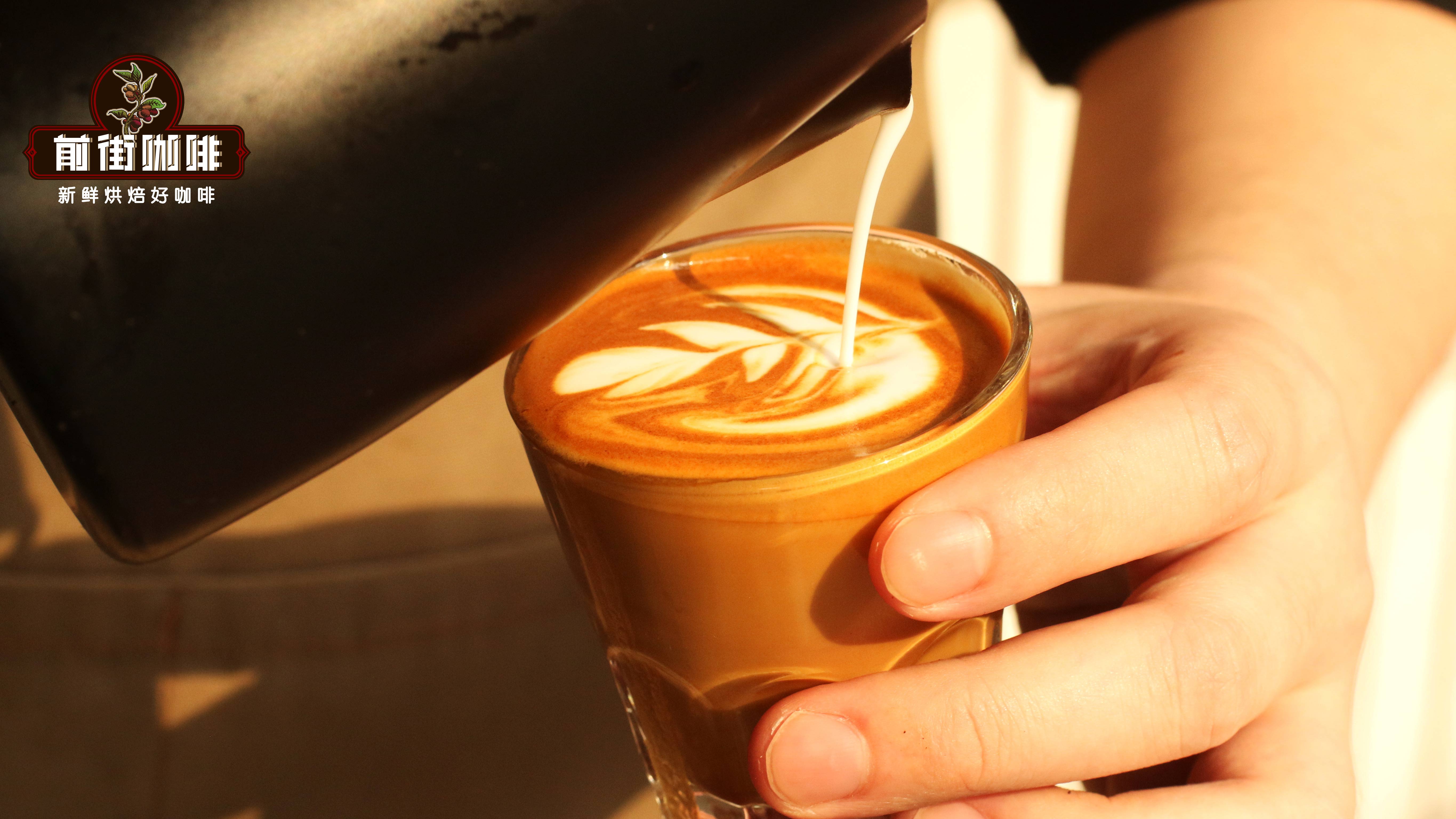
During the blending stage, care should be taken to evenly mix the Ristretto and steamed milk. It is suggested to pour until the cup is about seven-eighths full before beginning latte art. Due to the small size of the Piccolo cup, the latte art design should be simple and refined—overly complex patterns may negatively affect the overall drinking experience. It is recommended to consume the drink immediately after pouring, as this is when the flavors of the coffee and milk are best integrated, allowing you to fully experience the refined qualities of this small-format milk coffee.
The choice of coffee beans significantly impacts the final flavor. It is recommended to use a medium-to-light roasted blend, which usually features distinct fruity notes and moderate acidity, complementing the milk well. A well-made Piccolo Latte typically showcases complex aromas such as vanilla, cream, and chocolate, along with a moderate tartness of berries, and a clean, lingering aftertaste—highlighting the unique charm of this small cup milk coffee.
In summary, although the Piccolo Latte comes in a small serving size, it holds great potential for rich flavor expression. From precise control of extraction parameters to the detailed handling of milk steaming, each step influences the final drinking experience. With systematic technical mastery and continuous practice, coffee enthusiasts can definitely replicate a professional-grade Piccolo Latte at home and enjoy this classic small-format milk coffee originating from Australia.
The above content is compiled by CoffeeHunters, a coffee news website.


