







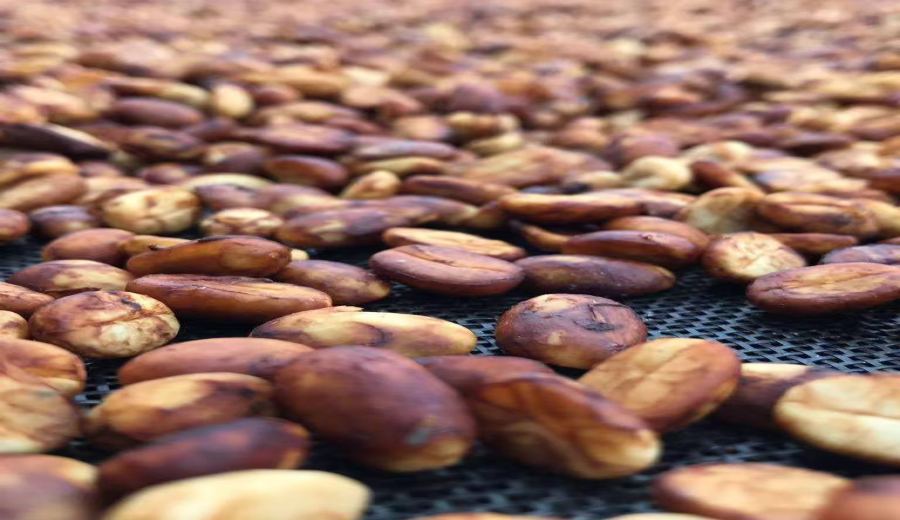
Introduction:Honey processing is a specialty coffee method that falls between washed and natural processing, where varying levels of fruit mucilage retention influence the final flavor. This article delves into the mucilage retention ratios, drying conditions, fermentation characteristics, and cup profiles of black honey, red honey, orange honey, yellow honey, and white honey, while also providing practical pour-over brewing tips to help coffee enthusiasts understand the traits of honey-processed beans and master brewing techniques.
Honey processing (Honey Process) does not involve adding honey to the coffee, but rather refers to a green bean processing technique where part of the sticky mucilage layer is retained after removing the coffee cherry skin, followed by specialized drying. This technique originated in Brazil, initially developed as a "pulped natural" method to adapt to the region’s dry climate. Later, in Central and South America—especially in Costa Rica—it evolved into five main types based on mucilage retention: black honey, red honey, orange honey, yellow honey, and white honey. Each type differs in drying time, agitation frequency, and directly impacts the coffee’s sweetness, acidity, and aroma profile.
The Origin of Honey Processing and the Basic Structure of Coffee Cherries
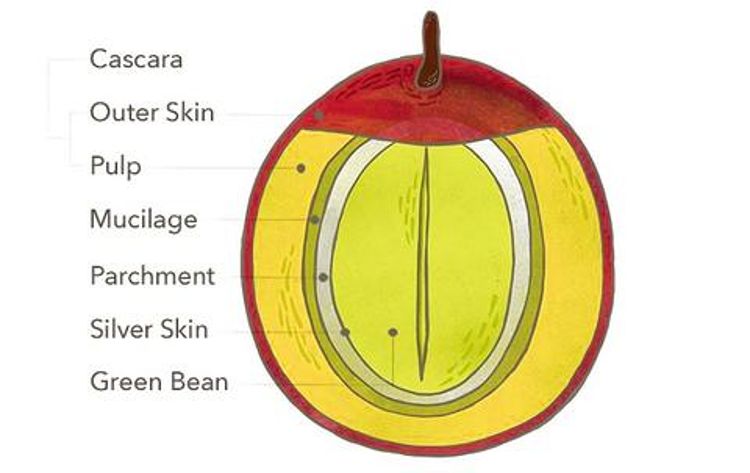
To understand honey processing, one must first grasp the structure of a coffee cherry. A whole coffee fruit, from the outside in, consists of the skin, pulp (fleshy layer), mucilage, parchment, silver skin, and at the very center, the seed—or coffee bean—that we roast and extract. Traditional processing methods mainly include two types: the washed method removes the skin, pulp, and most of the mucilage, leaving only the parchment and seed for prolonged drying; the natural method dries the fruit with the pulp and mucilage intact, removing all outer layers only at the end. Honey processing strikes a balance between the two, retaining a certain proportion of mucilage and cultivating unique sweetness and fruity notes through controlled drying speed and fermentation levels.
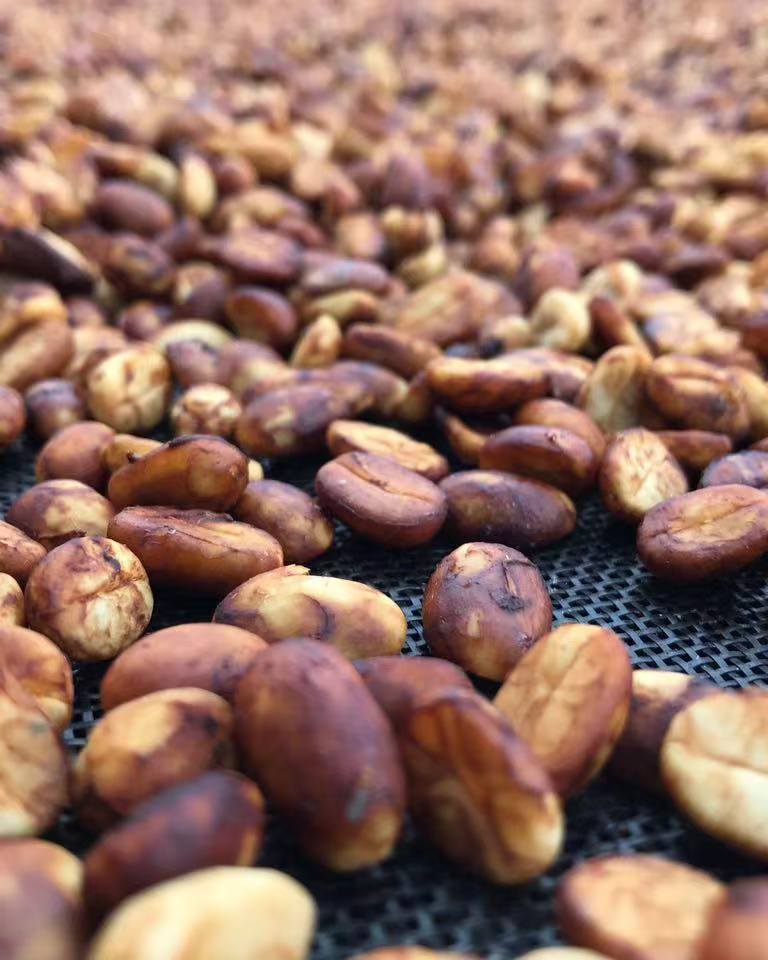
Many people, upon first hearing "honey processing," might assume that honey is added during the process. In reality, the term "honey" comes from the sticky texture and aroma produced by the concentration of sugars in the mucilage during drying, resembling the feel and intensity of honey—hence the name. Honey processing was initially developed to shorten drying time and reduce the off-flavors often associated with the natural method. Later, through technical improvements by Central and South American coffee farmers, it evolved into a specialty processing method that highlights regional flavors and individuality.
Classification of Honey Processing and Mucilage Retention Differences
Based on the proportion of mucilage retained before drying, honey processing can generally be divided into five grades, from high to low: black honey, red honey, orange honey, yellow honey, and white honey. Here, the "honey color" does not refer to the actual color of the coffee beans, but is named according to the hue of the dried beans and the processing method, used to distinguish the amount of mucilage residue and drying strategy.
Black Honey: Extremely High Mucilage Retention, Rich Fermented Aromas
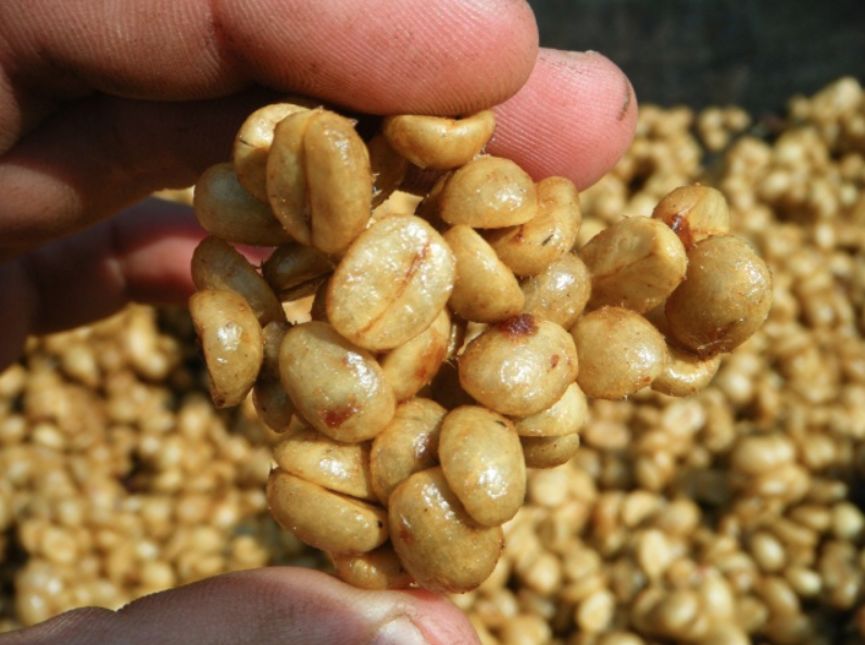
Black honey processing retains nearly all the mucilage, typically over 90%, resulting in the longest drying time, usually 14 days or more. To prevent rapid drying that could lead to incomplete sugar conversion, farmers use shading or even sun-drying in the shade to reduce direct sunlight intensity. This type of honey-processed bean often has an uneven color, a noticeable sticky surface, and emits rich fermented aromas during drying. A certain Guatemalan Geisha black honey bean, for example, showcases intense caramel, berry, and bold sweetness.
Red Honey: Balanced Sweetness and Fruitiness, the Most Popular in the Market
Red honey retains about 50% to 80% of the mucilage and is the most common type of honey processing on the market. During drying, it requires moderate shading and frequent turning several times a day for even heat distribution, with a total drying time of about 12 days. Compared to black honey, red honey has slightly lower mucilage retention but still delivers rich fruity notes and bright acidity while maintaining moderate body. Red honey coffees often exhibit a combination of cherry, red berry, honey, and floral flavors.
Yellow Honey: Medium Mucilage, Quick Drying and Refreshing
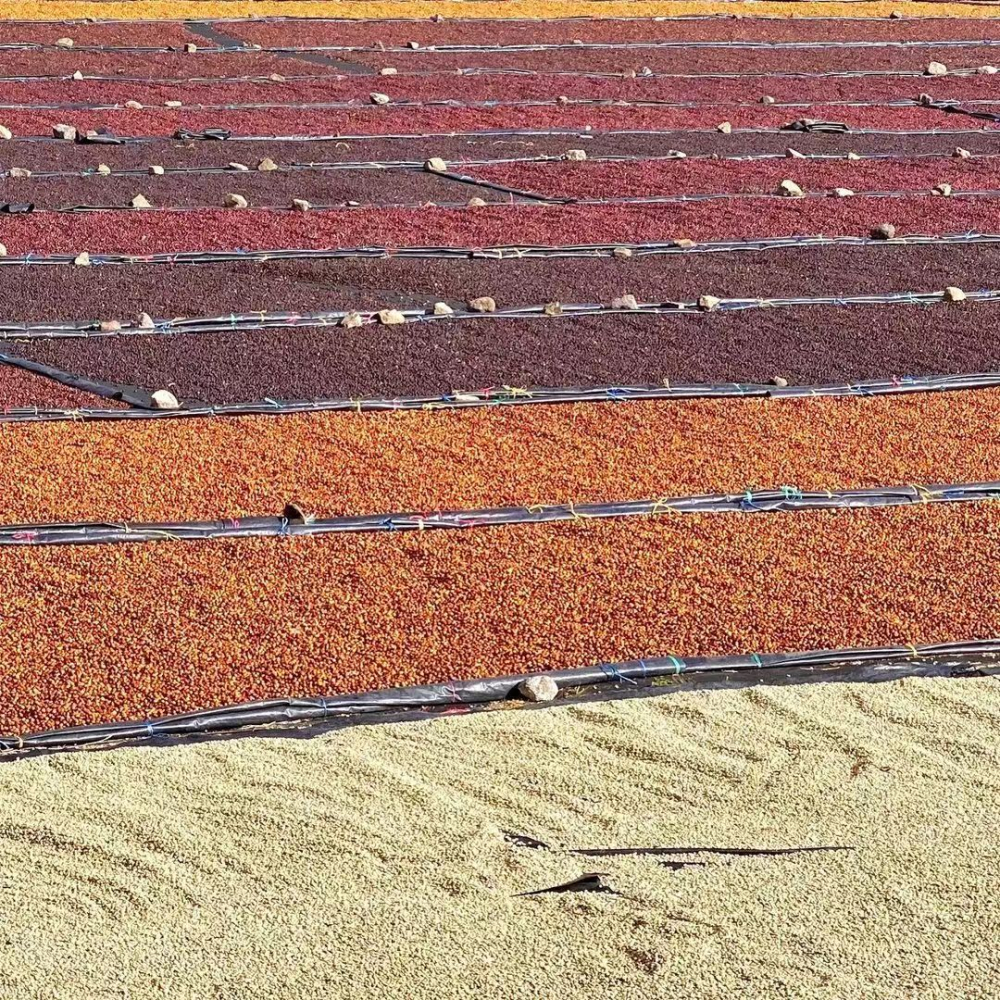
Yellow honey generally retains only 15% to 50% of the mucilage and is dried directly in sunlight, requiring frequent turning to ensure even heating of the beans, with an overall drying time of about 8 days. Due to the lower mucilage content, yellow honey coffee usually has higher acidity and a clean taste, with flavors leaning toward grassy, citrus, rice-like, and mildly sweet fruits, making it suitable for drinkers who prefer a refreshing profile.
White Honey: Lowest Mucilage, Closest to Washed Flavor Profile
White honey processing retains only 10% to 15% of the mucilage, the lowest among all honey processing types. Drying is usually done in thin layers with frequent turning to avoid over-fermentation, and the overall drying time is the shortest, about 6 to 8 days. The flavor profile of white honey coffee is closer to that of washed processing but still retains subtle sweetness and delicate fruitiness, often featuring herbal, lemon peel, and soft floral notes, suitable for consumers who prefer a light-bodied taste.
The Role of Mucilage and the Impact of Fermentation in Honey Processing
Mucilage is the highly sugary part of the coffee fruit, composed of water, proteins, reducing sugars, and pectin, with high viscosity and water retention. During honey processing, the sugars in the mucilage are gradually transformed into aromatic compounds and flavor precursors through microbial fermentation, thereby influencing the final coffee profile. Farmers can precisely control fermentation levels and flavor direction by adjusting the mucilage retention ratio, drying environment (shaded or full sun), and agitation frequency.
Brewing Recommendations for Honey-Processed Coffee
Honey-processed coffee, due to its retained sugars and fermented mucilage compounds, typically exhibits distinct sweetness, a full body, and complex fruity notes, making it highly suitable for pour-over extraction to clearly highlight its layers. It is recommended to use a V60 dripper, with water temperature controlled at 90°C, grind size suggested to be 80% passing through a 20-mesh sieve, a coffee-to-water ratio of 1:15, and about 15 grams of coffee.
Recommended pour-over steps are as follows:
- First pour: Add 30 grams of water for blooming, for about 30 seconds;
- Second pour: Pour 95 grams of water in a circular motion from the inside out, waiting until the water level drops to 2/3 of the dripper;
- Third pour: Add 100 grams of water, maintaining a small stream throughout, with total extraction time around 2 minutes and 10 seconds before removing the dripper.
These parameters can fully bring out the typical flavors of honey-processed coffee such as sweet orange, toffee, and bergamot, while presenting a rounded and smooth finish.
The above content is compiled by CoffeeHunters, a coffee news website.


