







Category: Coffee Knowledge

Analysis of the Differences Between Iced Americano, Cold Brew, Ice Drip, and Pour Over: Extraction Methods, Flavors, and Parameters – A Complete Guide
As the summer heat intensifies, iced coffee has become the go-to choice for many coffee enthusiasts. However, the four common types of iced coffee—iced americano, iced pour over, cold brew, and ice drip—each have their own unique characteristics in terms of preparation methods, extraction principles, and flavor profiles. This article will provide an in-depth comparison of the extraction techniques, required time, difficulty level, and flavor features of these four iced coffee styles, along with practical parameter suggestions to help you choose the most suitable brewing method based on your personal preferences and equipment. [more…]

How to Make a Flat White? Milk Foam Thickness, Origins, and Recommended Blends in Taiwan
Flat White, commonly known as “Ao Bai” in Chinese, is a milk-based coffee drink that has gained widespread popularity in cafes around the world in recent years. But do you know whether it actually originated in Australia or New Zealand? And why is there such a difference in taste between shops even though they all serve Flat White? This article starts with its historical background, analyzes the differences between Australian and New Zealand methods in cup size, base coffee, and milk foam thickness, and explains why “thin milk foam” is the key feature that distinguishes Flat White from both Latte and Cappuccino. [more…]
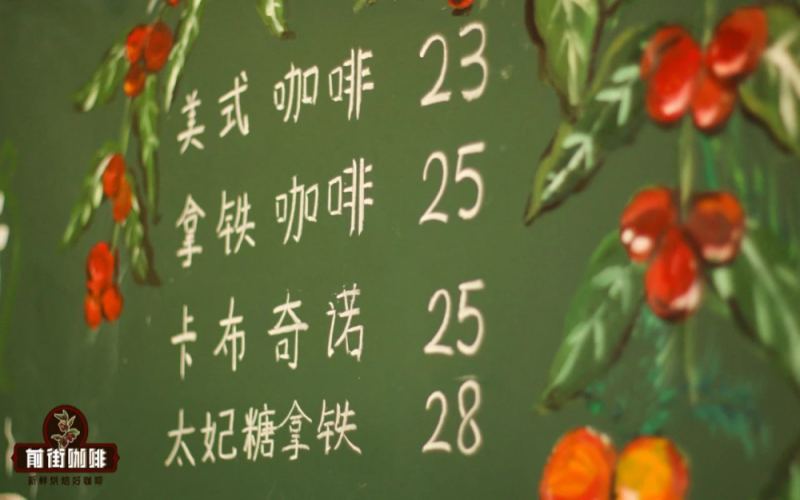
Beginner's Guide to Coffee: Decoding the Extraction and Ratios of Flat White, Latte, Americano, and Cappuccino
From espresso to various specialty coffee drinks, do you really understand the differences between them? This article delves into the recipe ratios, key preparation points, and historical backgrounds of Flat White, Americano, Latte, Cappuccino, Mocha, and Long Black, helping you grasp the unique characteristics and flavor profiles of each coffee style, while clarifying common misconceptions to enhance your coffee recognition and tasting experience. [more…]
In-depth Analysis of Japan's Top Three Best-Selling Canned Coffee Brands | Buying Tips and Heating Methods
Japan offers a wide variety of canned coffee that is highly popular among locals. For travelers visiting Japan, the vast selection in vending machines can often be overwhelming. This article provides an in-depth look at representative flavors from three top brands—Boss, Georgia, and Wonda—explaining everything from flavor profiles to ideal drinking scenarios. It also shares practical tips for heating your coffee using the water bath method, so you can easily enjoy a hot cup even in a hotel room without a microwave. [more…]

How to Choose Commercial Espresso Blends? 5 Practical Recommendations with Different Flavors and Budgets
When opening a coffee shop or running a beverage business, choosing the right commercial blend is key to ensuring consistent quality and controlling costs. This article provides an in-depth analysis of five common types of espresso blends, covering their composition, roast levels, flavor profiles, and suitable usage scenarios — from medium-dark roasted blends highlighting nutty sweetness, to economical commercial recipes that include a small amount of Robusta for enhanced crema, to budget-friendly yet quality-conscious options, and even high-end blends focused on ultimate taste and fruity-floral characteristics. It will help you make the right decision based on your shop's positioning. [more…]
Commercial Blended Coffee Beans Buying Guide: Analysis and Application Scenarios of 5 Popular Commercial Blends
Opening a coffee shop or beverage store? Choosing the right commercial blended coffee beans is key to maintaining consistent quality. This article provides an in-depth analysis of five popular commercial blended coffee beans on the market, including classic specialty blends, dark cocoa blends, commercial blends, classic blends, and strawberry candy espresso blends. It details their origin sources, roast levels, flavor profiles, and practical usage scenarios, helping professionals make suitable choices based on budget and flavor goals. [more…]

Pour Over Coffee Essentials: Master the Key to Coffee Bean Freshness from Roast Date to Water Temperature Adjustment
The flavor of pour over coffee depends not only on whether the beans are freshly ground, but more critically on the time elapsed since roasting, how you manage the degassing period (resting), and adjusting water temperature and grind size flexibly based on the beans’ condition — all of which have the greatest impact on the final taste. Through real-world examples, this article will guide you in detail from roast date, water temperature selection, to blooming and pouring parameters, helping you uncover the most captivating layers of flavor in every cup of pour over by fine-tuning these elements. [more…]
A Comprehensive Guide to Panama’s Boquete Geisha Region | Pour Over Parameters & Flavor Profile of Flower Dance
This article delves into how Panama’s Boquete region nurtures the renowned Flower Dance coffee variety, which is based on the Geisha cultivar. It breaks down the flavor characteristics and pour over techniques step by step — from the region’s geography and microclimate, to the varietal composition and roasting direction of Flower Dance. With practical suggestions on coffee-to-water ratio, water temperature, and brewing methods, it helps readers master the brewing essentials of this high-value specialty bean, and deeply appreciate its layered notes of floral, citrus, and berries. [more…]
Analysis of the Characteristics of Ethiopian Yirgacheffe & Guji Beans: How to Brew the Lion King Natural?
An in-depth exploration of Ethiopia’s two renowned regions—Yirgacheffe and Guji—covering their geographical environments, coffee cultivation characteristics, and the most representative Lion King Natural processed beans. From traditional to improved natural processing techniques, to the flavor differences of washed processing, this article provides a detailed analysis of how various processing methods shape unique flavor profiles. It also offers practical pour over brewing recommendations to help you fully experience the layers and charm of Ethiopian coffee. [more…]
Ethiopia Sidamo Lion King Natural Bean: The Characteristics of the Guji Region and Pour Over Recommendations
Want to understand the allure of naturally processed coffee from Ethiopia’s Sidamo region, specifically the Guji zone? This article delves into the geographical and microclimatic background of Sidamo and Guji, compares the key differences between traditional and modern natural processing methods, and details the flavor profile and practical pour over parameters of a well-known shop’s Lion King Natural Sidamo. This comprehensive guide helps you fully grasp the unique flavor expression of this popular coffee bean—from region to brewing. [more…]
How are coffee beans graded? A comprehensive look at global origin grading standards and key selection criteria
Have you ever wondered why coffee beans from different origins come with various grade labels? From Brazil’s NO.2 to Kenya’s AA, these markings actually reflect rigorous grading logic. This article will delve into the grading systems of major global coffee-producing regions, including the three mainstream evaluation methods based on altitude, screen size, and defect rate, while also introducing Brazil’s unique cupping and deduction system. Mastering this knowledge can not only help you accurately select high-quality coffee beans but also [more…]
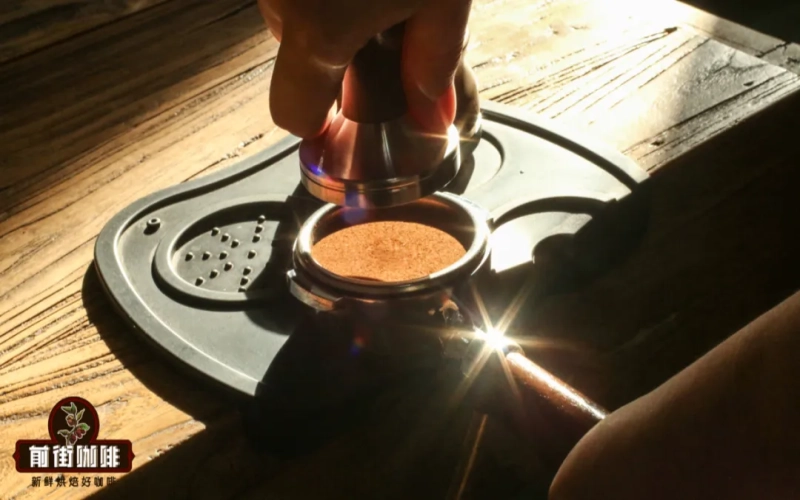
Espresso Tamping Techniques: A Key Analysis of Coffee Puck Density and Extraction Uniformity
The extraction quality of espresso is often determined by the uniformity of the coffee puck. Many baristas and home enthusiasts focus on the tamping pressure, but the true factors influencing extraction are the density of the puck and how effectively channeling can be avoided. This article compares extraction performance under different tamping pressures through experiments, delves into the real purpose of tamping, and provides practical dosing and tamping techniques to help you steadily improve the flavor of your espresso. [more…]
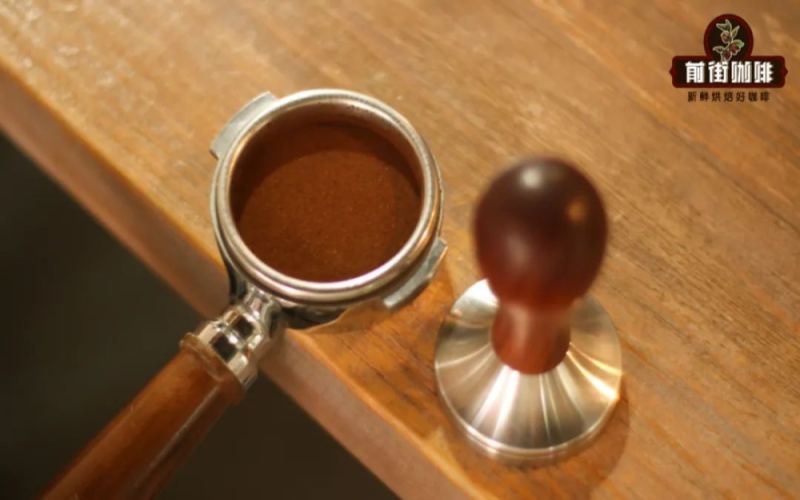
Espresso Tamping Techniques Revealed: A Practical Comparison of Grind Size and Tamping Pressure
Tamping may seem like just compressing coffee grounds, but it’s a crucial step that affects the extraction quality of espresso. How much pressure should you use for different grind sizes? What changes do light tamping and heavy tamping bring? This article presents a comparative experiment between fine and coarse grinds, analyzing the actual impact of tamping pressure and offering practical tips on tamping and distribution to help you master this seemingly simple yet highly technical step. [more…]
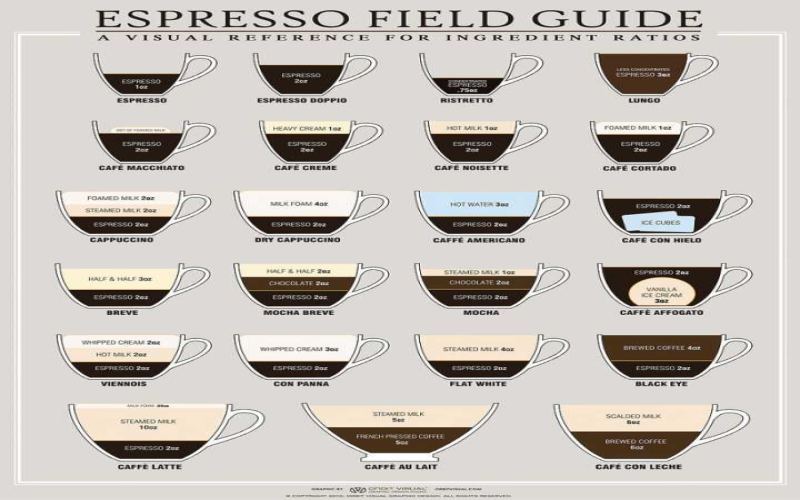
Complete Visual Guide to Espresso Ratios: Key Parameters for Espresso, Milk, and Flavor
Are you often confused about the composition and differences among various espresso beverages like lattes, cappuccinos, and mochas? The key lies in the golden ratios of espresso to milk, water, or other ingredients. This article, through diagrams and detailed explanations, helps you understand the foundational logic behind each classic espresso drink—from the extraction principles of espresso to the unique flavors of drinks like white coffee and macchiato—and includes actual serving parameters and blend information to help you master... [more…]

Introduction to Panama’s Five Premier Coffee Regions and Notable Estates: From Boquete to Wine Processing Methods
Panama’s exceptional geographical environment and meticulous coffee cultivation techniques have given rise to numerous top-tier coffee beans with distinctive flavor profiles. This article will take an in-depth look at major regions such as Boquete, as well as renowned estates like La Esmeralda, Elida, and Hartmann. We’ll explore their planting altitudes, processing methods, and representative varieties such as Geisha. It also includes practical pour over recommendations and flavor profiles, serving as an introductory guide to understanding Panama’s specialty coffees. [more…]
A Complete Guide to Panama’s Geisha Coffee Regions: The Flavor Secrets of Three Renowned Estates – Finca Esmeralda, Elida, and Hartmann
Take an in-depth journey into Panama’s Boquete region to discover how it cultivates top-tier Geisha and other specialty coffees. This article explains the core reasons behind the scarcity of Geisha production, introduces the cultivation and processing characteristics of three renowned estates—Finca Esmeralda, Elida, and Hartmann—and provides practical pour over brewing tips and precise extraction parameters to help you uncover the exceptional secrets behind Panamanian coffee. [more…]
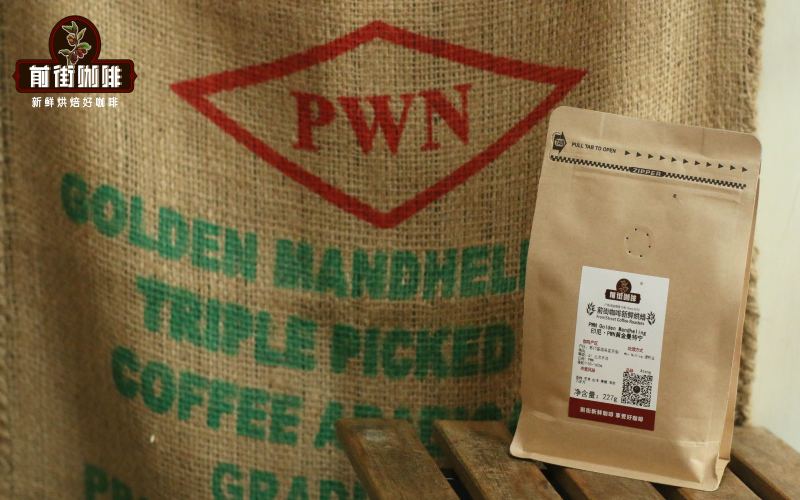
Mandheling Beans Comparison | Lintong vs. Golden Mandheling: Regional Processing & Pour Over Flavor Differences
Dive deep into two classic Sumatran Mandheling beans—Lintong Mandheling and Golden Mandheling. From regional environment, variety characteristics, processing methods, screening standards to roasting and pour over parameters, we comprehensively analyze their flavor profiles and unique traits. Whether you're new to Indonesian coffee or searching for a dark roast that suits your taste, this detailed comparison will help you make a more precise choice. [more…]

Panama Geisha Coffee Guide: Origin of the Variety, Pour Over Techniques, and the Differences Between the Three Grades
Want to dive deep into the world’s most celebrated specialty coffee variety—Geisha (also known as Gesha or 艺伎)? This guide takes you from its origin in Ethiopia’s Kaffa Forest, explores how it rose to fame in Panama, and thoroughly explains the differences between the three main grades (Red, Green, and Blue Label) from Hacienda Esmeralda. Additionally, we provide practical pour over recommendations, including optimal water temperature, brew ratio, and a three-step pouring process, helping you consistently extract Geisha’s captivating floral and fruity notes. [more…]
Complete Guide to Panamanian Geisha Coffee: From Variety Origins to Pour Over Parameters in Practice
Geisha coffee has shone brightly in the specialty coffee scene in recent years, not only repeatedly achieving high prices at auctions but also captivating numerous coffee enthusiasts with its unique floral and citrus notes. This article delves into the origins of Geisha and its rise in Panama, introduces the grading and processing characteristics of renowned regions such as Hacienda Esmeralda and 90+, and offers practical pour over recommendations, including grind size, water temperature, coffee-to-water ratio, and three-stage pouring techniques — helping you brew a bright cup at home. [more…]
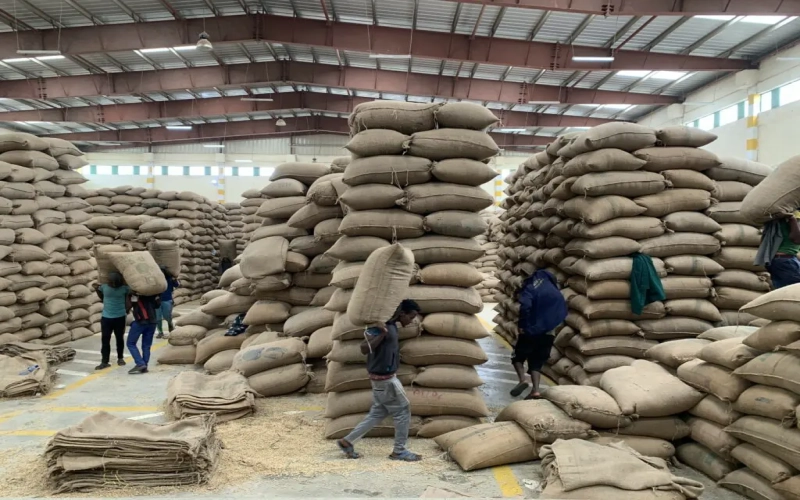
How to distinguish between Ethiopia Sidamo G1 and G2 beans? Understand grading, flavor, and brewing all in one go
Ethiopia Sidamo coffee beans are known for their complex floral and fruity profiles, but the differences between their G1 and G2 grades often cause confusion. This article delves into the region’s unique dual grading system based on defect rate and cupping score, providing an intuitive comparison of the actual differences between G1 and G2 — from green bean appearance and roast performance to brewed flavors. It also offers professional pour over parameters to help you choose the grade that suits you best. [more…]