







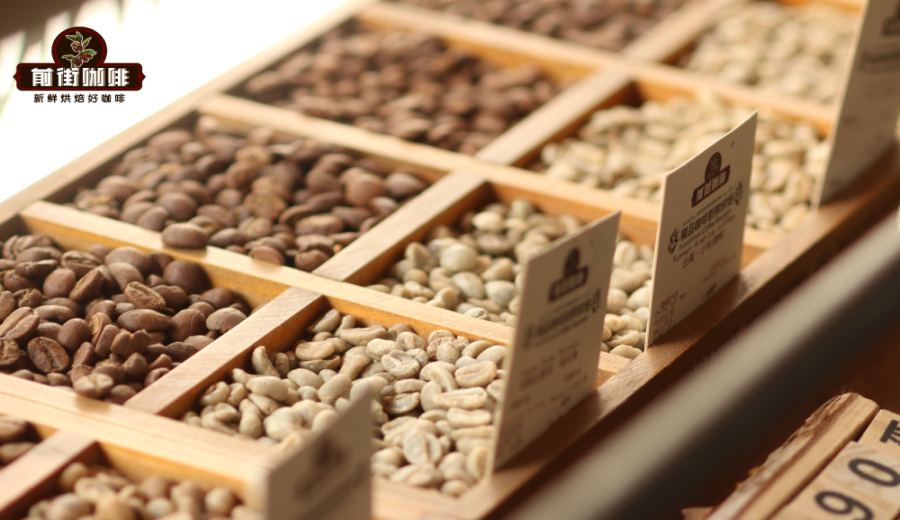
Introduction:Golden Mandheling is hailed as the representative of premium Indonesian coffee, but only PWN holds the official "Golden" trademark. This article delves into its origins—from the microclimatic differences between the Gayo and Lintong regions in Sumatra, to the characteristics of the Ateng variety and the wet-hulling process—and provides expert pour-over brewing recommendations to help you fully understand this classic bean from origin to cup.
In the world of specialty coffee, Golden Mandheling is undoubtedly the pinnacle of Indonesian coffee. But did you know? Not all coffee beans labeled as "Golden Mandheling" live up to the name. In fact, only specific batches produced by Indonesia’s PWN (Pwani) company qualify for this prestigious "Golden" title. This article will take you through its historical roots, regional characteristics, varietal genetics, and the unique wet-hulling process, along with practical pour-over parameters, so you can truly appreciate this highly regarded Indonesian coffee.
The Origin of Mandheling: A Misunderstanding in Wartime
The name "Mandheling" actually has no direct connection to the region or the coffee variety. Its origin dates back to World War II, when a Japanese soldier tasted a richly flavored coffee at a café in Indonesia. Curious, he asked the shop owner what kind of coffee it was, but the owner mistakenly thought he was being asked about his ethnicity and replied "Mandailing tribe." After the war, the Japanese soldier returned home, longing for that memorable cup, and commissioned the import of that coffee—but misremembered the name, calling it "Mandheling coffee." The name stuck ever since.
PWN (Pwani) Company: The Patent Holder of Golden Mandheling
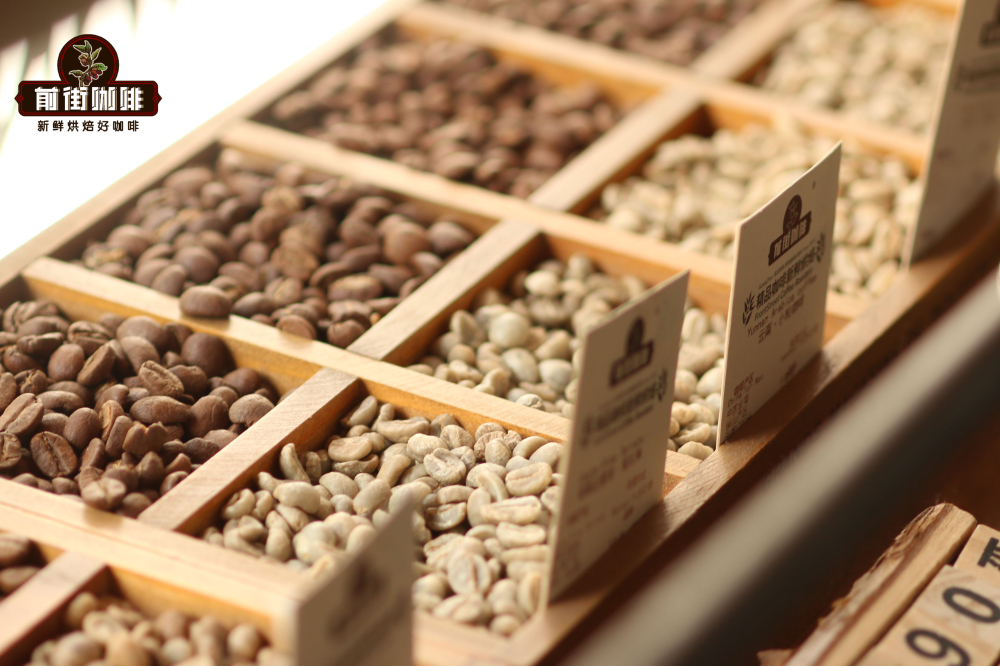
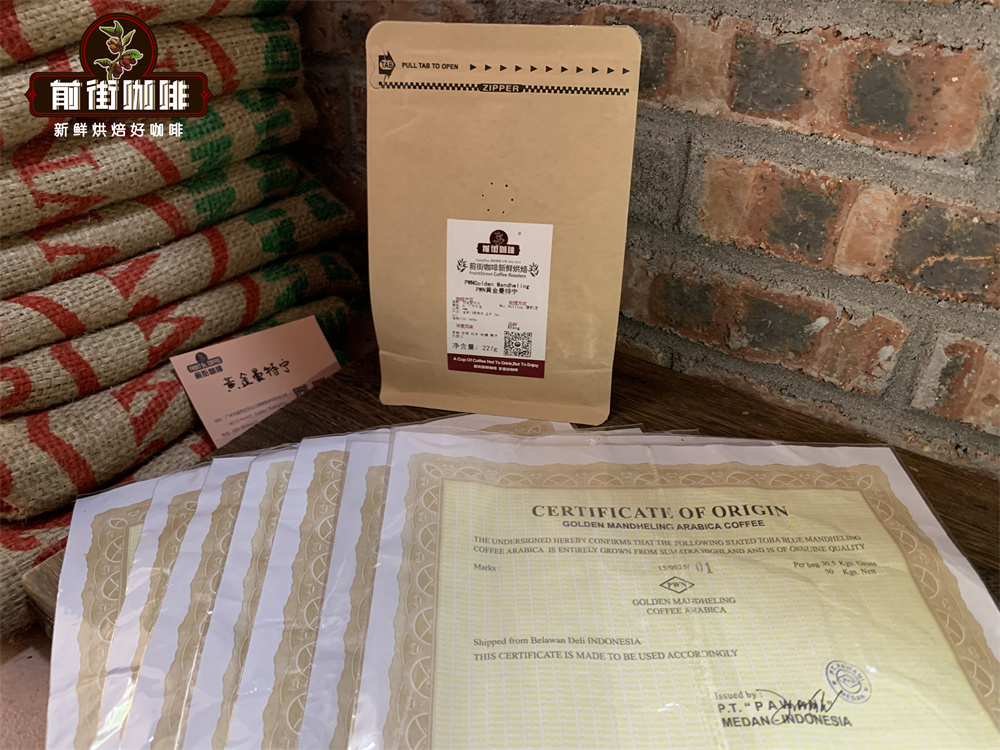
Interestingly, the café owner later became a key figure in introducing Mandheling coffee to Japan and founded PWN (Pwani) Coffee Company in 1957. This company focuses on selecting high-quality Indonesian coffee lots and has established a rigorous screening standard to ensure each bean meets high criteria for size and plumpness. As demand for premium Mandheling grew, PWN registered the "Golden Mandheling" trademark exclusively for its top-tier product—meaning only beans that have undergone multiple screenings on PWN’s production line can legally bear this name.
Three Major Sumatran Regions: A Terroir Comparison Between Gayo and Lintong
PWN’s Golden Mandheling mainly comes from Aceh in North-Central Sumatra, particularly the Gayo region. As Indonesia’s largest island, Sumatra has a typical tropical rainforest climate, with high humidity and heat year-round, and coffee trees are mostly grown in mountainous forests. The Gayo highlands, situated at an altitude of about 1,500 to 2,500 meters, are considered one of the highest-quality producing regions in Sumatra, where ancient Arabica varieties are predominantly cultivated.
Another well-known region is Lintong, located near Lake Toba, with an average growing altitude of 1,400 to 1,800 meters. Though generally slightly inferior in quality to Gayo, Lintong’s wet-hulling process gives the beans a low-acidity, full-bodied profile—making it a common entry point for many newcomers to Mandheling flavors. Many coffee businesses’ so-called "everyday-grade" Mandheling often comes from the Lintong region.
Ateng Variety: An Indonesian Adaptation of the Catimor Line
The variety used in Golden Mandheling is called Ateng, named after Aceh Tengah in Central Sumatra. Ateng is actually the Indonesian term for the Catimor family—a hybrid of Arabica and Robusta. This variety is widely planted in Indonesia, offering advantages such as resistance to leaf rust and berry diseases, stable yields, and surprisingly good cupping performance—especially at higher altitudes, where its potential truly shines.
Wet-Hulling: Indonesia’s Unique and Efficient Processing Method
When talking about Mandheling, one must discuss Indonesia’s globally unique "wet-hulling" method. Due to Sumatra’s long rainy season, coffee beans cannot undergo prolonged sun-drying like those in Africa or Central and South America. As a result, locals developed this distinctive processing technique. First, the outer skin of the coffee cherry is removed, followed by water washing and brief fermentation. Then, the beans are left semi-dried for about one to two days, maintaining a moisture content of 30% to 50%. At this soft stage, the mucilage and parchment layers are scraped off, and the beans continue sun-drying until the moisture level drops to 12% to 13%. This method drastically shortens drying time, but because the beans are still soft during processing, they are prone to compression and deformation—giving Mandheling its signature "elephant hoof" shape.
Golden Mandheling’s Screening Standards: G1 Grade and Triple Manual Sorting
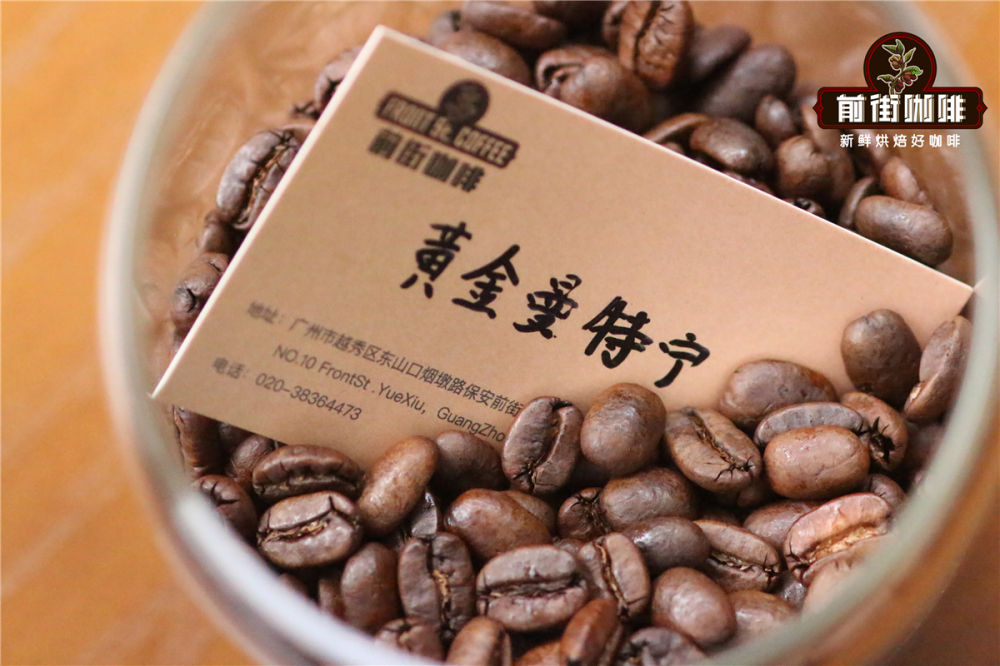
PWN maintains extremely strict standards for Golden Mandheling green beans—they must reach G1 grade, meaning a size of 18+ mesh, and no more than 3 defective beans per 300g sample. Furthermore, the beans undergo triple manual sorting to ensure uniformity in color, shape, and size. This meticulous process results in a brew that is cleaner, richer, and noticeably sweeter, with distinct layers of flavor.
Expert Pour-Over Recommendations: How to Brew the Best Flavor
To fully showcase Golden Mandheling’s spicy, nutty, and caramel notes, freshness is crucial. It is recommended to use beans roasted within five days, as their aroma is most vibrant at this stage. Recommended parameters from a certain brand are as follows: use a KONO filter, water temperature at 87°C, 15g coffee, a 1:15 coffee-to-water ratio, and a grind size roughly equivalent to 70% extraction through a Chinese Standard No. 20 sieve (medium-coarse). Begin with a 30-second bloom using 30g of water, then pour in a circular motion to 125g for the first pour. Once the coffee bed sinks, continue pouring to 225g. Total brew time should be around 2 minutes. This method allows you to fully experience Mandheling’s signature body and sweetness, with a long-lasting, layered aftertaste.
The above content is compiled by CoffeeHunters, a coffee news website.


