








Introduction:When ordering at a coffee shop, espresso-based drinks are among the most common choices. But do you know the differences between espresso, americano, latte, cappuccino, and others? This article will take you deep into the brewing parameters, ratios, and flavor profiles of various classic espresso drinks—including the hot-and-cold contrast of a Dirty, and the bold marking technique of a macchiato—helping you master the essence of espresso from beginner to expert.
Walk into any coffee shop, whether in a bustling urban district or a street-corner café, and espresso-based drinks are almost always on the menu. However, many people’s impression of espresso is limited to “bitter” or “strong,” overlooking its rich variety and intricate flavor layers. Understanding the different types of espresso not only helps you make better choices based on your taste preferences but also allows you to appreciate the craftsmanship behind each cup.
This article will detail eight of the most popular espresso drinks, including espresso, americano, latte, cappuccino, mocha, macchiato, caramel macchiato, and Dirty. From extraction parameters, ratios, flavors, to actual brewing methods, it will help you fully understand these classic espresso beverages.

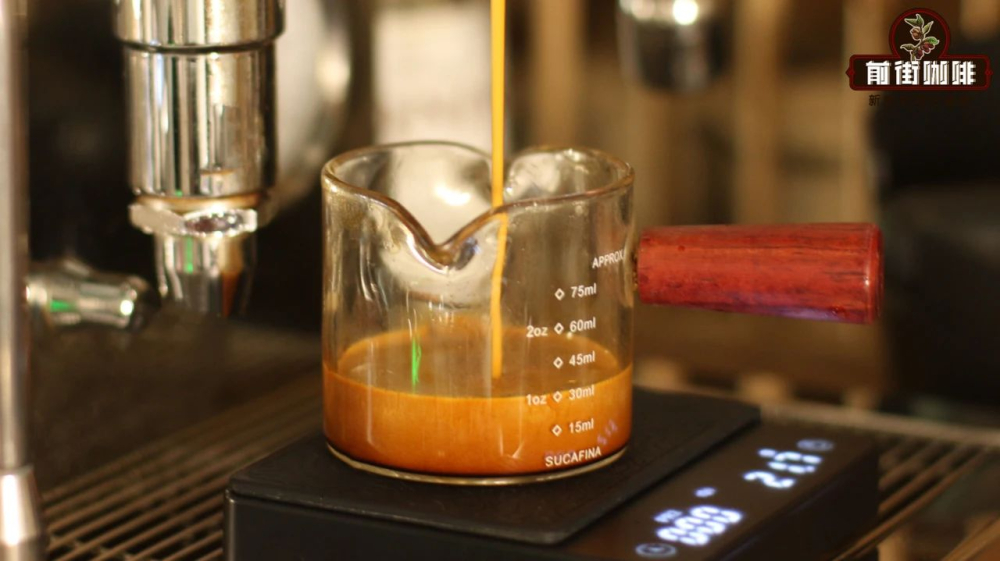
When it comes to espresso-based drinks, espresso is undoubtedly the core of the family. It is extracted under high pressure (about 9 bar) and high temperature (92–94°C) from finely ground coffee beans, with an extraction time controlled between 20 to 30 seconds. Typically, a double shot (about 20 grams) is used to produce around 40 milliliters of espresso. This brewing method produces a layer of golden to dark brown coffee crema, the thickness and texture of which are key indicators of a successful extraction. Espresso has a strong flavor, a pronounced aftertaste, and carries the roasted aroma and slight sweetness characteristic of dark-roasted beans.
Americano is the simplest variation—just add plenty of hot water to dilute the espresso, usually in a ratio of 1 part espresso to 4.5 parts water (e.g., 40 grams of espresso with 180 milliliters of water, totaling about 220 milliliters). It’s said this method originated during World War II when American soldiers adjusted the overly intense flavor of Italian espresso. Americano retains the base flavors of espresso but lowers its intensity with the addition of water, making it more suitable for those who prefer a lighter coffee taste.
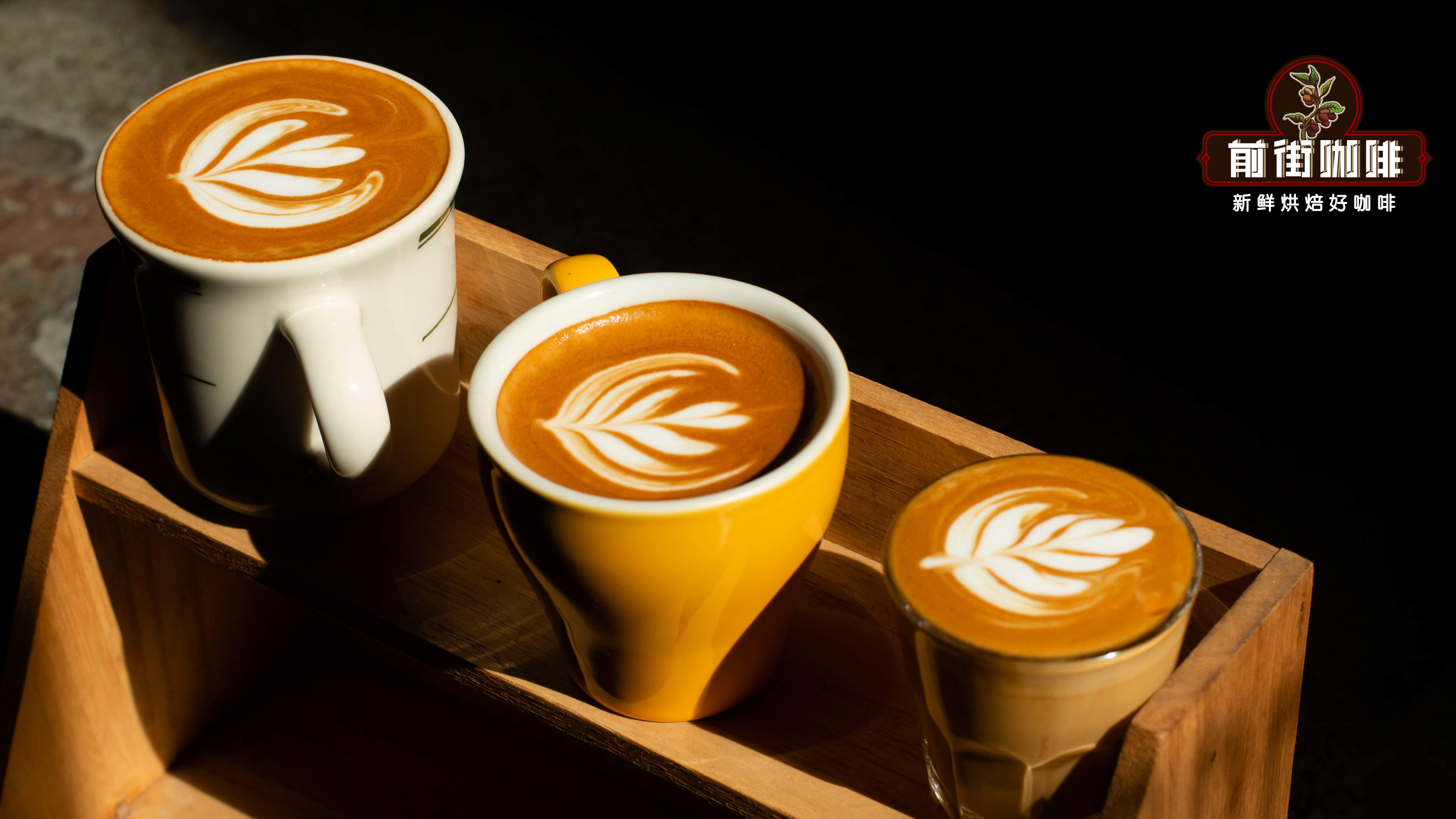
Latte (Caffe Latte) is one of the most familiar espresso drinks for many. In Italian, "latte" simply means "milk." A standard latte typically consists of 1/5 espresso, 2/5 hot milk, and 2/5 milk foam, resulting in a smooth texture with a balanced flavor of milk and coffee. A common preparation at some cafés uses a double shot of espresso (40 grams), paired with 260 grams of hot milk and about 1 cm of milk foam, with optional syrups like caramel or vanilla for added flavor. Latte art is also a highlight, adding a visual treat.
Cappuccino is similar to latte but with a different ratio: 1/3 espresso, 1/3 hot milk, and 1/3 milk foam. This combination makes the coffee flavor more prominent, and the milk foam is denser. Traditionally brewed in a tulip cup of about 180 milliliters, the process involves pouring the espresso first, then adding evenly whipped, thick milk foam. Cappuccino, with its distinct textures of coffee, milk, and foam, is often considered a benchmark drink for evaluating a barista’s basic skills.
Mocha is a favorite among chocolate lovers. It builds on the foundation of espresso by adding hot chocolate and hot milk, roughly in a ratio of 2/5 espresso, 2/5 hot chocolate, and 1/5 hot milk, resulting in a sweet, smooth taste that combines the flavors of both coffee and chocolate. A common preparation at some cafés is 40 grams of espresso, 20 grams of chocolate syrup, and 260 grams of hot milk, suitable for those who want a touch of sweetness without losing the essence of coffee.
Macchiato, meaning “marked” in Italian, originated when customers wanted a small amount of milk added to their espresso without altering its appearance. So, the barista would “mark” the espresso with a small amount of milk foam. A traditional macchiato usually consists of just 40 grams of espresso with a spoonful of delicate foam, offering a strong yet layered taste—it’s a great choice to experience the interplay between the pure coffee flavor and the subtle milk foam.
Caramel Macchiato, though similarly named, is actually a very different drink. Originating from Starbucks, it mainly consists of espresso, vanilla syrup, hot milk, and a large amount of milk foam, topped with caramel sauce—a sweeter coffee beverage. In a medium cup (about 355 milliliters), the espresso makes up only a small portion, with the rest mostly foam and sweet elements, catering to those who prefer a sweet taste profile.
Finally, let’s talk about the Dirty coffee, which has gained immense popularity in recent years. The defining feature of a Dirty is that it’s served without ice cubes, in a clear glass, emphasizing the visual and flavor layering created when espresso is poured directly into cold milk. When making it, pay attention to the distance between the spout and the milk surface (about 1 cm is recommended), allowing the espresso to slowly “sink” into the milk and form a gradient. The typical ratio is 40 grams of espresso to 150 grams of cold milk. It’s meant to be consumed without stirring, so you can experience the transition from hot to cold, strong to mild—a creative coffee that’s a treat for both the eyes and the palate.
The above content is compiled by CoffeeHunters, a coffee news website.


