







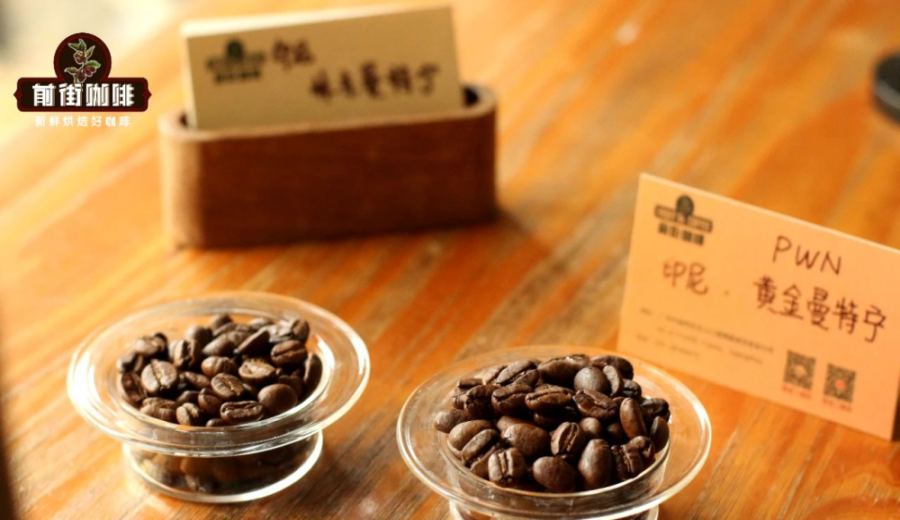
Introduction:Mandheling G1 and Golden Mandheling often confuse beginner pour-over enthusiasts—not only is there a significant price difference, but their flavor profiles also vary markedly. This article delves into the grading classifications, processing methods, regional characteristics, and flavor profiles of both, helping you choose the most suitable everyday bean or upgrade option based on your brewing goals and budget. It also provides key insights on the optimal post-roast tasting window and storage tips, so you can fully appreciate the true flavors of the coffee.
Many beginners to pour-over coffee often wonder: “What’s the difference between Mandheling G1 and Golden Mandheling? Why is there such a big price gap?” In reality, these two classic coffees from Sumatra, Indonesia, though both part of the Mandheling family, differ significantly in grade, selection standards, and final flavor expression.
For coffee professionals or seasoned enthusiasts with well-developed palates, simply tasting both coffees side by side will immediately reveal Golden Mandheling’s advantages in sweetness, body, and overall cleanliness. Its spice notes are more refined, accompanied by a touch of sophistication—factors that contribute to its higher price. However, for newcomers still mastering extraction techniques, these subtle differences may be harder to discern at first.
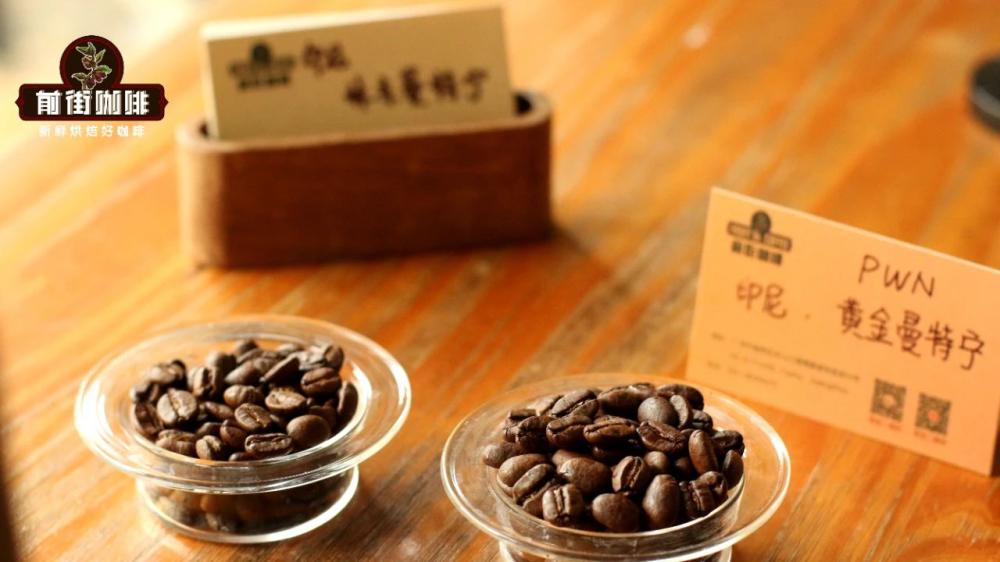
If you’re just starting to learn pour-over, it’s recommended to begin with an entry-level Mandheling. Not only is it more affordable, but it also allows you to experience the distinctive spice and earthy flavors typical of Sumatran coffee. For example, Mandheling G1 from Sumatra, Indonesia, is a classic and highly representative entry choice.
This Mandheling G1 from Sumatra is processed using the region’s uniquely distinctivewet-hulling method, and the green beans are graded asG1Grade 1 (the highest grade for Indonesian green beans), grown at an altitude of approximately1100–1600 meters. The variety is Teng TimTim. Because wet-hulling involves removing the outer parchment layer before the beans are fully dry, the fermentative compounds in the mucilage have a greater impact on the bean’s flavor, resulting in its unique aromatic traits.
To fully showcase these characteristics, this Mandheling G1 is typically roasted to adark roast, yielding a rich and bold cup with a flavor profile that includesspices, herbs, chocolate, caramel, and nuts. It’s suitable not only for pour-over but also compatible with moka pots, drip coffee makers, and even espresso machines—making it a highly versatile coffee bean.
If you’ve already grasped the basics of pour-over and want to try a higher-quality Mandheling, then Golden Mandheling is a great upgrade option.
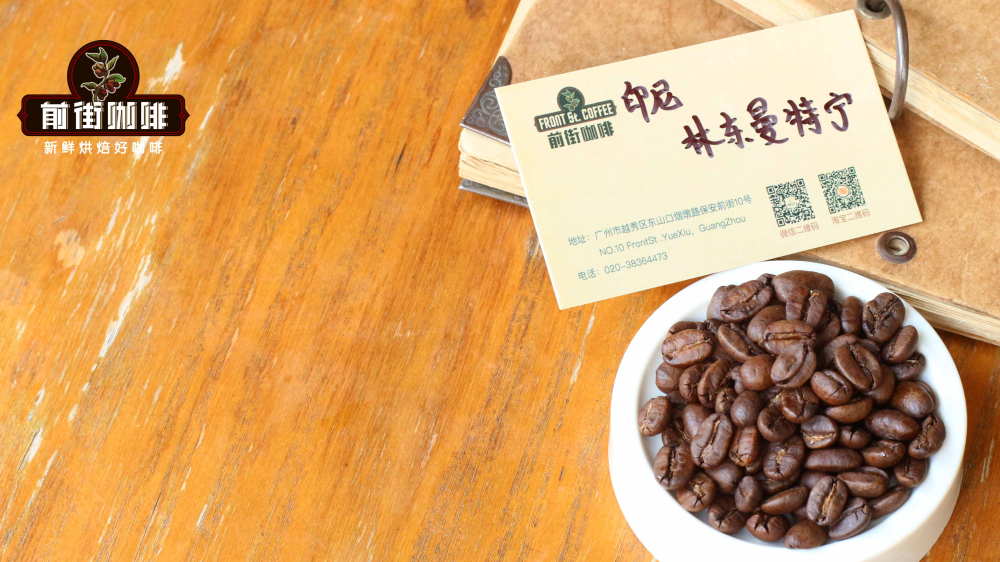
PWN Golden Mandheling is a flagship product from PWN, a renowned Indonesian green bean supplier. Its standout feature lies in undergoingthree rounds of hand sorting plus one mechanical screening, rigorously removing defective beans to ensure each bean is more uniform in size and appearance. It’s grown at a higher altitude of about1600 meters, with the Ateng variety. After wet-hulling processing, it retains the signature boldness of Mandheling while greatly reducing the common herbal and earthy notes, resulting in a cleaner overall flavor.
The flavor profile of this Golden Mandheling centers aroundpine, spices, herbs, dark chocolate, and caramel, with pronounced sweetness and moderate body. It’s not only suitable as an everyday “staple bean” but also makes a great gift. Compared to G1, it offers more refined details, yet remains reasonably priced with excellent value for money.
No matter which grade of Mandheling you choose, it’s important to note the critical impact of coffee bean “freshness” on flavor. Theoretically, roasted coffee beans can be stored for a year, but over time, their aromatic compounds gradually dissipate. The optimal tasting window is usually within40–50 days after roasting. Especially once the beans are ground, flavor loss accelerates, and they’ll typically start tasting noticeably dull after about20 days.
Therefore, it’s recommended that pour-over enthusiasts always purchasefreshly roasted whole beansand buy in quantities appropriate to their brewing frequency, to truly enjoy the rich layers and unique character that Mandheling has to offer.
The above content is compiled by CoffeeHunters, a coffee news website.


