







Introduction:Take an in-depth visit to the Mirazu Estate in Costa Rica’s Tarrazú region to learn how owner Esteban Sanches transformed from a craftsman into an entrepreneur, crafting a uniquely flavorful Geisha coffee. This article not only analyzes the varietal blend and raisin honey processing details of the “Strawberry Candy” batch but also provides practical pour over recommendations, including water temperature, grind size, and a three-stage pouring technique—guiding you from origin to cup to fully appreciate the charm of this high-sweetness coffee.
Thanks to its exceptional geographical conditions, Costa Rica has long been synonymous with high-quality Arabica coffee in Central America. Many of its high-altitude regions feature fertile volcanic soils and stable climates, providing ideal growing environments for coffee trees. Among them, the Tarrazú region is particularly renowned for its vibrant acidity and distinctive flavors, and the Mirazu Estate located here is the star we will explore today.
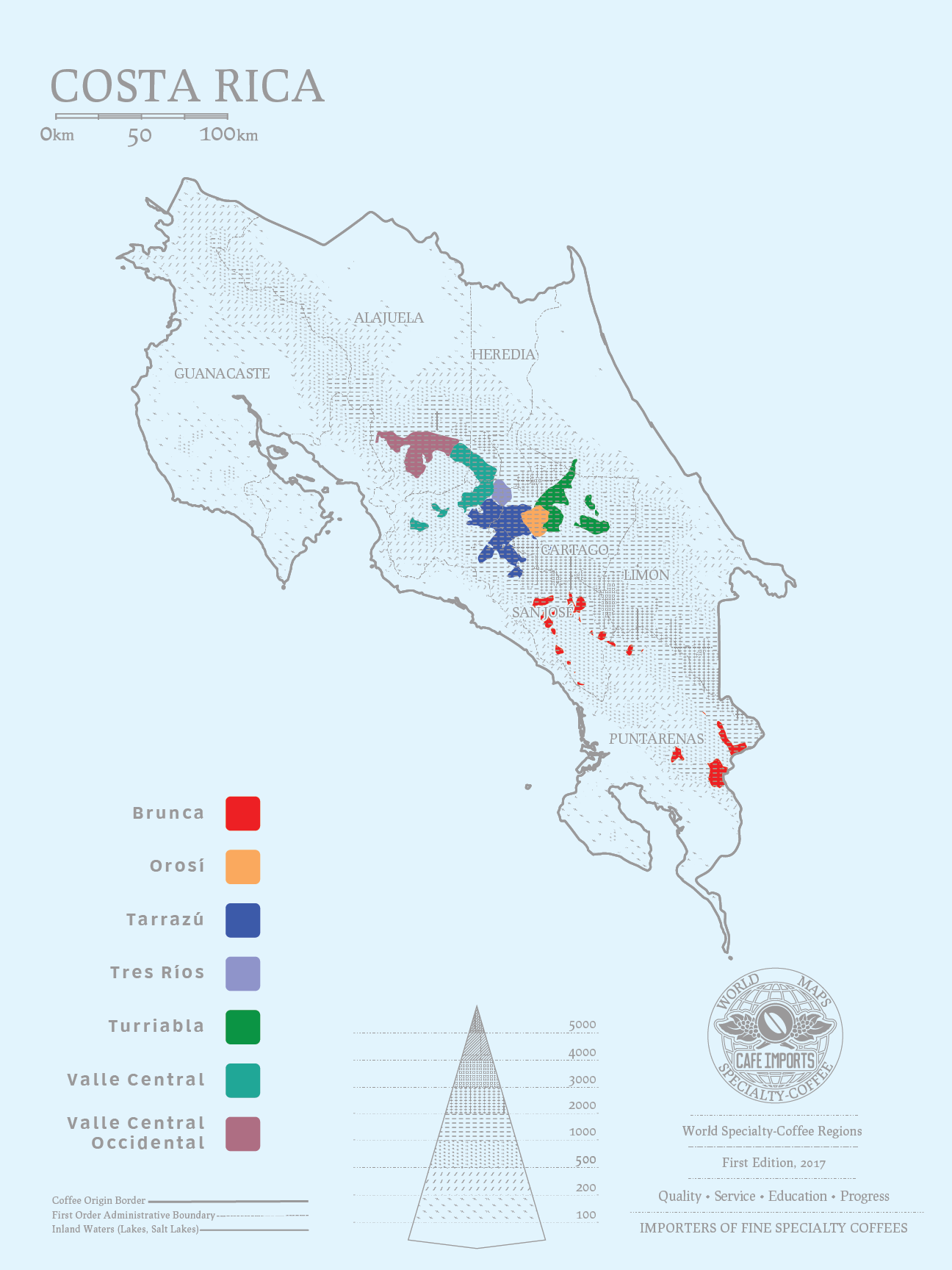
Coffee production in Costa Rica is widespread, with the country divided into eight major regions. Each region, due to its microclimates and varying altitudes, produces coffee with unique flavor profiles. From the balanced and full-bodied beans of Brunca, to the fruity notes with peach and apricot tones in the West Valley, to the bright and high-acidity beans of Tarrazú, this land showcases the diverse possibilities of coffee flavors. Especially within the altitude range of 800 to 1600 meters—where over 80% of coffee plantations are concentrated—the average annual temperature remains between 17–28°C, with annual rainfall reaching 2000–3000 mm, resulting in plump coffee cherries and intense flavors.
As one of the highest-altitude regions in Costa Rica, Tarrazú’s acidic soils and dense shade environment reduce the likelihood of coffee tree diseases, allowing the plants to direct more nutrients toward fruit development. Over 95% of the coffee beans here are classified as Strictly Hard Bean (SHB), featuring an attractive bluish-green color. The flavor profile is dominated by citrus acidity, sweet dried fruit notes, and a chocolatey finish, making it a symbol of premium coffee for many enthusiasts.
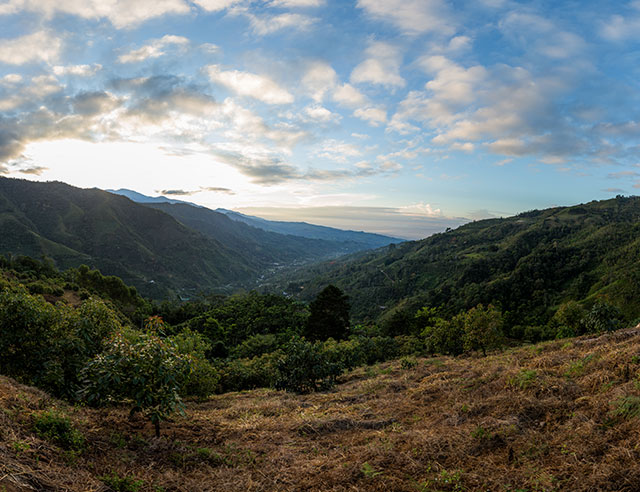
The focus of this piece, the Mirazu Estate, is located at an altitude of 1700 meters in the Tarrazú region and was founded by Esteban Sanches, former head of post-harvest operations at La Candelilla Estate. With deep expertise in coffee processing and equipment use, Esteban decided to start his own venture, naming the estate “Mirazu,” meaning “overlooking Tarrazú,” reflecting his commitment to the spirit of the region. He firmly believes that the journey of a great cup of coffee begins with rigorous management of the coffee trees and fruit.
The “Strawberry Candy” batch from Mirazu Estate is a multi-varietal blend combining Geisha, ET47, SL28, and Maico. Through the raisin honey processing method, ripe cherries are sun-dried to a dehydrated state, with the pulp removed but the mucilage layer fully retained, followed by slow drying. Compared to conventional honey processing, this method delivers a richer viscosity, long-lasting floral and fruity aromas, and intense sweetness—a cutting-edge technique that has garnered much attention in recent years.
To fully highlight the unique flavors of raisin honey processing, the roaster opted for a medium roast, preserving the bean’s inherent characteristics while avoiding over-development that could lead to flavor imbalance. For this light-to-medium roasted coffee, it is recommended to use a high water temperature (around 93°C) and a relatively fine grind size (80% passing through a Chinese standard No. 20 sieve) to extract a rich aroma and layered complexity.
For actual pour over brewing, it is recommended to use a Hario V60 dripper with good flow performance, paired with a three-stage pouring technique, which helps control extraction evenness and avoids over-extraction caused by the high water temperature. Specific parameters are as follows: 15 grams of coffee, a 1:15 coffee-to-water ratio, total water temperature at 93°C, and a grind size of 80% passing through a No. 20 sieve. First, pour 30 grams of hot water for a 30-second bloom to activate the coffee’s aroma release; then pour in a thin stream in a circular motion until the total water reaches 125 grams for the second stage; when the water level is about to expose the coffee bed, slowly pour again up to 225 grams. Once the dripping is complete, remove the dripper. The entire extraction process takes approximately 2 minutes. This method highlights berry, honey, and syrupy sweetness while retaining the tea-like body and floral notes characteristic of the Geisha variety.
The above content is compiled by CoffeeHunters, a coffee news website.


