








Introduction:The Geisha coffee from Mirazu Estate in Costa Rica’s Tarrazú region, processed with a raisin honey method, showcases intense sweetness and complex layers. This article takes you deep into the high-altitude characteristics of this coffee bean, its processing method, flavor profile, as well as the optimal pour over parameters and techniques to help you brew a specialty coffee with both bright acidity and a rich finish at home.
Costa Rica’s unique geographical environment makes it one of the most representative specialty coffee origins in Central and South America. Its high-altitude terrain, fertile volcanic soil, and distinct wet and dry seasons nurture coffee beans with diverse and layered flavors. The country is mainly divided into eight coffee-growing regions, each exhibiting distinctly different aroma and taste profiles due to variations in altitude, climate, and microclimate. Among them, the Tarrazú region is widely praised for its bright citrus acidity, rich dried fruit sweetness, and soft chocolate notes.
Among the many outstanding estates, Mirazu Estate has successfully created a distinctive and highly recognizable Geisha blend through its unique raisin honey processing method. This coffee not only continues the consistently high quality of the Tarrazú region but also, through its special post-harvest processing, makes the sweetness more concentrated and the aroma more lingering and captivating. Below, we will introduce in depth the background of Mirazu Estate, the processing features of this coffee, and how to fully bring out its potential through appropriate roasting and pour over methods.

The reason Costa Rican coffee enjoys such high acclaim in the global market is inseparable from its strict cultivation environment. Most coffee trees in the country are planted at altitudes between 800 and 1,600 meters, with abundant annual rainfall averaging 2,000 to 3,000 millimeters, and stable day-night temperature differences maintained between 17 and 28 degrees Celsius. These conditions provide an ideal growing environment for Arabica coffee. The high altitude slows the growth rate of coffee cherries, which helps accumulate flavor compounds while reducing pest and disease occurrence, ensuring that nearly 95% of the coffee beans can reach the Strictly Hard Bean (SHB) grade, guaranteeing a solid structure and rich taste.
The country is divided into eight major producing regions: Brunca, Orosi, Tarrazú, Tres Ríos, Turrialba, West Valley, and Central Valley. Among them, Tarrazú is not only one of the highest-altitude regions, but its acidic soil and abundant tree shade also help the coffee cherries ripen slowly, thereby developing more layered flavors. The coffee from this region typically has a beautiful bluish-green appearance, a fresh aroma, bright acidity, and is dominated by citrus, dried fruit, and chocolate notes, making it a symbol of specialty coffee for many coffee enthusiasts.
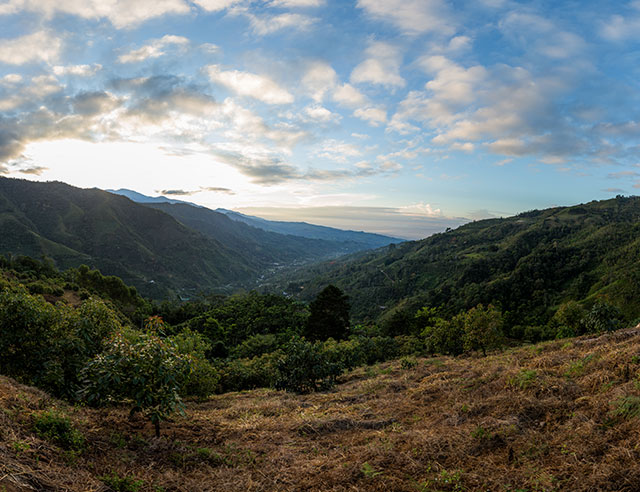
Mirazu Estate is located in the high-altitude area of Tarrazú. The estate owner, Esteban Sanches, accumulated years of experience in coffee post-processing and equipment operation at La Candelilla Estate. With an uncompromising pursuit of coffee quality, he decided to strike out on his own and founded Mirazu Estate, which means “overlooking Tarrazú,” dedicated to strictly controlling the growth and processing of every coffee bean from the source.
This Geisha blend coffee not only features the main Geisha variety but also incorporates diverse varieties such as ET47, SL28, and Maico. Through the interaction between different varieties, it further enriches the depth and complexity of the flavors. In terms of processing, Mirazu Estate chose the raisin honey method, a special technique that lies between natural drying and honey processing. The steps include: allowing the coffee cherries to naturally sun-dry to a shriveled state after harvest, then removing the outer skin and pulp but deliberately retaining the intact mucilage layer, followed by a long period of drying. This method can effectively enhance the concentration of sweetness while making the aroma more condensed and long-lasting. Compared to regular honey processing, its flavor performance is often more intense and layered.
To fully showcase the potential of this raisin honey processed Geisha blend, the roasters at this coffee shop chose a medium roast level, aiming to balance acidity and sweetness while preserving the unique characteristics of each variety. For brewing suggestions, due to the lighter roast degree, it is recommended to use a higher water temperature and finer grind size to fully extract the flavor compounds. Specifically, the recommended water temperature is set at 93 degrees Celsius, with a 1:15 powder-to-water ratio. The grind size can refer to about 80% passing through a Chinese standard No. 20 sieve, with the coffee dosage controlled at 15 grams.
In actual pour over operation, if using a Hario V60 filter, its faster flow rate can effectively avoid over-extraction issues caused by high water temperature and prolonged contact with coffee grounds, making it particularly suitable for high-temperature brewing scenarios. It is recommended to use a three-stage pouring method: first, pour 30 grams of water for a 30-second bloom to initiate the release of coffee aroma; then, slowly pour in a circular motion with a small stream of water until the total water volume reaches 125 grams, completing the first stage of extraction; finally, when the water level in the filter is about to expose the coffee bed, pour hot water in a circular motion again until reaching 225 grams, with the overall extraction time controlled at around 2 minutes. This method helps enhance the layering of the coffee while achieving a good balance between sweetness and acidity.
In summary, this raisin honey processed Geisha blend from Mirazu Estate not only showcases the bright acidity and dried fruit sweetness unique to the Tarrazú region but also, through its special processing method, gives the coffee richer aroma and a long-lasting sweet aftertaste. Whether you’re a coffee novice or an advanced enthusiast, this is a specialty coffee worth trying and exploring in detail for its nuanced flavors.
The above content is compiled by CoffeeHunters, a coffee news website.


