







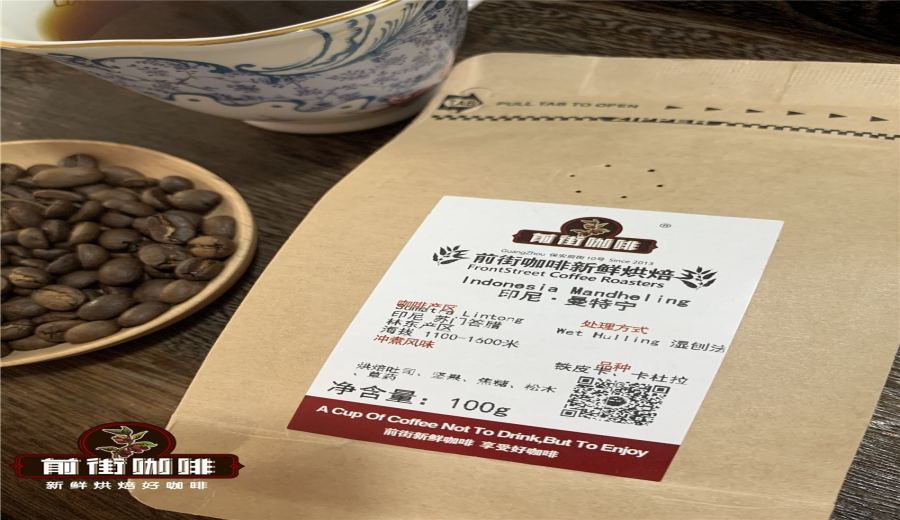
Introduction:Golden Mandheling stands out with its rich aroma and high quality, making it a top choice for many coffee enthusiasts. This article delves into the naming origins of this classic Indonesian coffee, the characteristics of its primary variety Ateng, the wet-hulling processing method, and provides practical pour over brewing parameters along with a three-stage pouring technique to help readers fully grasp Golden Mandheling’s flavor potential and brewing essentials.
The name “Mandheling” actually doesn’t come from a coffee origin, variety, or port, but is a misheard and misinterpreted reference to Indonesia’s “Mandailing” ethnic group. During World War II, a Japanese soldier drank a cup of intensely aromatic coffee in Indonesia and asked the shop owner for the name of the drink. The owner misunderstood and thought the soldier was asking where he was from, so he replied “Mandheling.” After the war, the soldier sought out that unforgettable coffee again and imported 15 tons to the Japanese market through an Indonesian trader. It received widespread acclaim, and thus the name Mandheling spread.
So, what exactly is the highly praised “Golden Mandheling”?
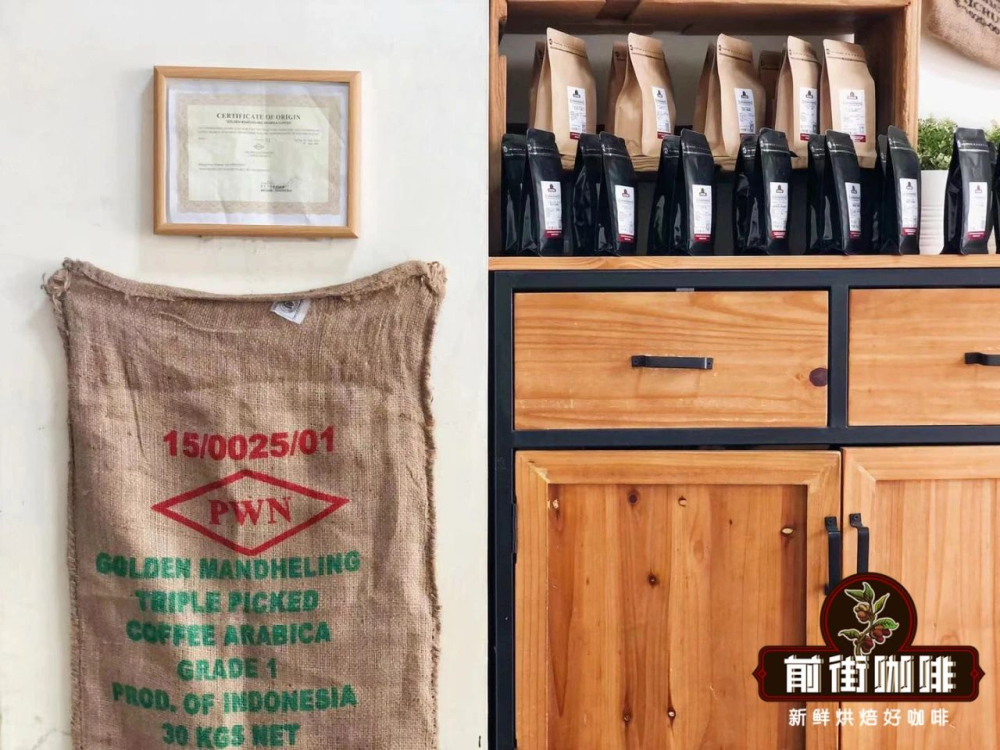
The rise of Golden Mandheling is inseparable from a well-known Indonesian coffee export company. This enterprise is a major supplier of high-quality Mandheling coffee in Indonesia, specializing in managing the country’s finest coffee-growing regions and implementing an extremely rigorous manual selection process. The Golden Mandheling sold by one coffee brand comes from this company, and in its stores, clearly labeled green coffee jute sacks and related certifications can even be seen, demonstrating the reliability of its origin.
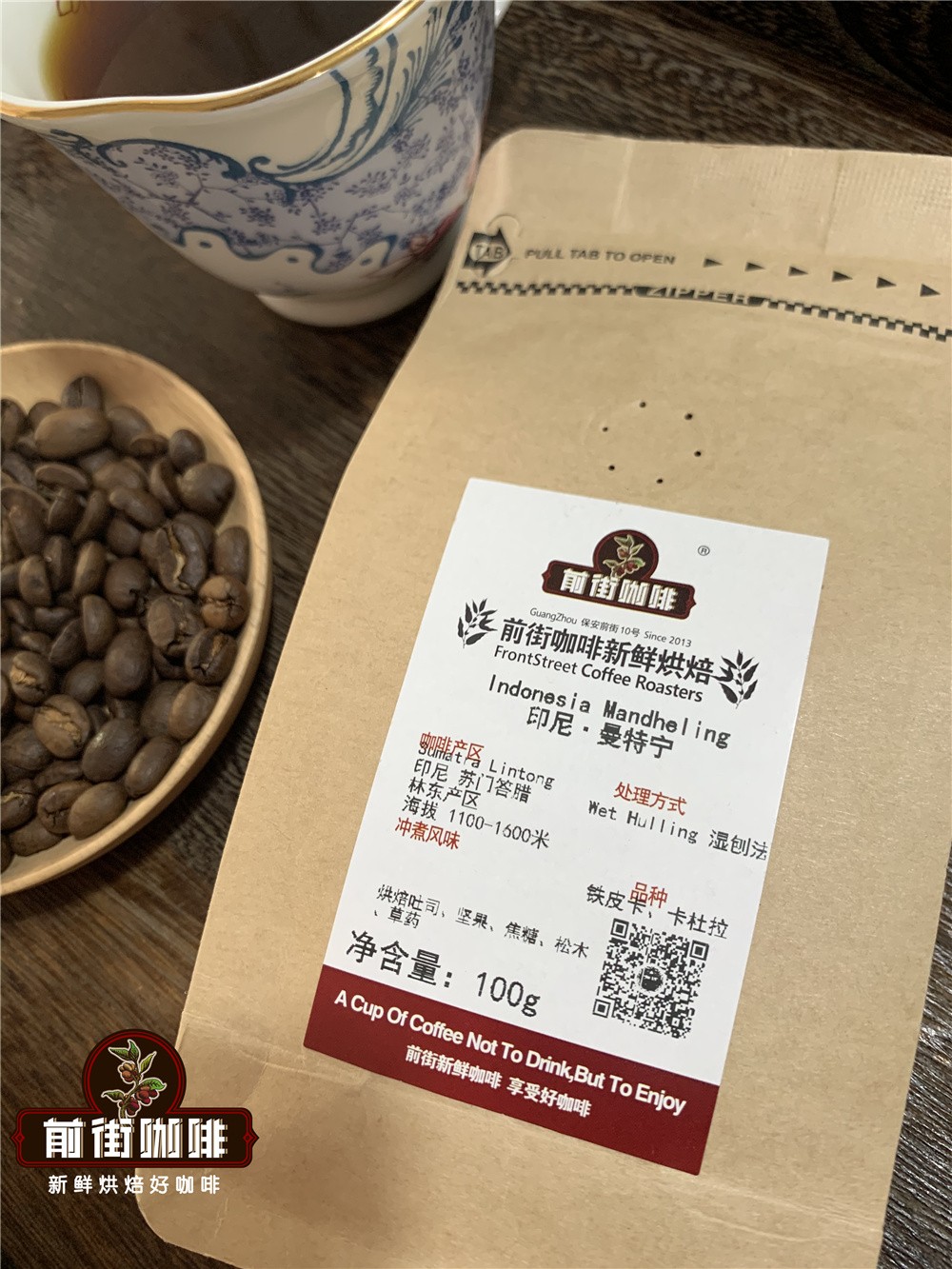
To maintain the high standard of Golden Mandheling, PWN not only uses mechanical bean sorting but also conducts three rounds of manual screening to ensure that every green bean meets the highest quality. Generally, the highest grade in Indonesia is G1, but PWN’s standards go even further, with requirements including:
- Green bean size screening of 18–19 mesh or above, keeping only larger beans;
- No more than 3 defective beans in a 300g sample;
- The grade must be G1;
- The green beans must have a dark green color, uniform size, and intact shape.
- Water temperature:87–88°C
- Coffee powder amount:15 grams
- Powder-to-water ratio:1:15
- Filter cone:KONO filter cone (helps enhance a full-bodied taste)
- Grind size:Medium-coarse grind (approximately 70% passing rate through a Chinese standard No. 20 sieve)
- First stage – Bloom:Pour 30 ml of hot water to fully wet the coffee grounds, aiding in degassing, for about 30 seconds, laying the foundation for subsequent flavor release;
- Second stage – Main extraction:Pour 100 ml of hot water, focusing on bringing out golden crema and lifting the coffee bed to release the main flavors;
- Third stage – Additional water:Finally, gently pour 95 ml of water in the center to enhance sweetness and balance the overall taste.
In addition, before launching any new coffee bean product, a certain coffee brand conducts cupping sessions to evaluate its flavor profile and overall performance using unified standards. Testing has shown that the Lin Dong Mandheling regular coffee bean offers a strong nutty profile, with a hint of refreshing melon aroma in the aftertaste, gradually revealing herbal notes as the temperature drops, delivering a full-bodied and aromatic cup overall. As for the Golden Mandheling from the renowned company, besides showcasing distinct black chocolate, nut, and caramel aromas, it also presents delicate layers of herbal spices and pine, with a black chocolate-focused finish, a long-lasting aftertaste, excellent cleanliness, and even a soft touch of fruity acidity as the temperature slightly cools.
Next, let’s explore the coffee variety used in Golden Mandheling — Ateng.
The coffee variety originally planted in Indonesia was Typica, introduced by the Dutch in the late 17th century and known for its elegant flavor. However, in 1877, a severe outbreak of coffee leaf rust hit Indonesia, killing most of the Typica plants. To address the crisis, the Indonesian government introduced the more disease-resistant Robusta variety, which remains one of the main cultivated types in the region to this day.
To enhance yield and disease resistance, Indonesia continued to introduce various hybrid varieties, among them theAteng (also known as the Catimor series), as well as Tim Tim, Bor Bor, and other varieties. Due to their adaptability to Sumatra’s unique climate and good disease resistance, these gradually became the mainstream locally. The Ateng variety carries unique cedar and earthy notes and currently accounts for about 70% of coffee plantings in Sumatra. A certain coffee brand’s Lin Dong Mandheling regular bean is a blend of Tim Tim and Ateng, while Golden Mandheling is carefully selected from the Ateng variety, showcasing a more refined flavor profile.
Indonesia, due to its tropical rainforest climate, experiences year-round humidity levels as high as 70% to 90%. Traditional washed processing methods can easily lead to mold and spoilage of green beans in such a moist environment, so the region developed a uniquesemi-washed processing method, also known as wet-hulling.
The wet-hulling process generally follows these steps: first, the outer skin of the coffee fruit is removed by machine, then the parchment-covered beans are briefly soaked in water for several hours of fermentation to remove part of the mucilage. Next, the remaining mucilage is brushed off, and the mucilage-covered parchment beans are sun-dried until the moisture content drops to around 30% to 40%. Farmers then sell the semi-dry beans to buyers. The buyers further remove the parchment layer to accelerate drying, ultimately yielding the green beans.
This method significantly shortens the overall processing time, but it also results in relatively lower acidity and significantly higher body, while bringing out intense herbal and medicinal flavors. Additionally, parchment beans in a semi-dry state tend to absorb moisture from the surrounding hot and humid air, creating the distinctive “musty” aroma typical of Sumatran coffee, including earthy, herbal, and cedar notes. After roasting, it exhibits prominent black chocolate, caramel, and nutty aroma characteristics.
When brewing Golden Mandheling, it is recommended to use the pour over method to fully showcase its rich body and complex layers. Below are practical pour over parameters and a three-stage pouring technique:
Three-stage pouring recommendation:
By following these precise brewing conditions and steps, the full-bodied, aromatic, and layered characteristics of Golden Mandheling can be fully revealed. It is highly suitable for coffee lovers who enjoy dark roast profiles and chocolatey notes.
The above content is compiled by CoffeeHunters, a coffee news website.


