







Introduction:An in-depth exploration of the Geisha coffee from Finca Deborah, nestled in the high-altitude regions of Panama's Volcán Mountains. From the origin of the variety, microclimatic conditions, eco-friendly farming practices to specialized processing techniques, we comprehensively analyze the key factors that contribute to its distinctive flavor profile. Practical pour over recommendations and parameters are also provided to help you grasp the essence of this top-tier Geisha.
Within the dazzling map of Panama’s specialty coffee scene, Finca Deborah may not be as well-known as Hacienda La Esmeralda, but it has carved out a highly recognizable flavor identity with its Geisha coffee grown at elevations above 1,900 meters. Located in the misty, tropical rainforest environment of the Volcán Mountains, the estate benefits from exceptional geographical conditions and extreme day-night temperature variations, providing an almost perfect stage for Geisha cultivation. This article will take you through the varietal background, growing environment, processing methods, and practical pour over advice to deeply dissect the unique charm of Finca Deborah’s Geisha.
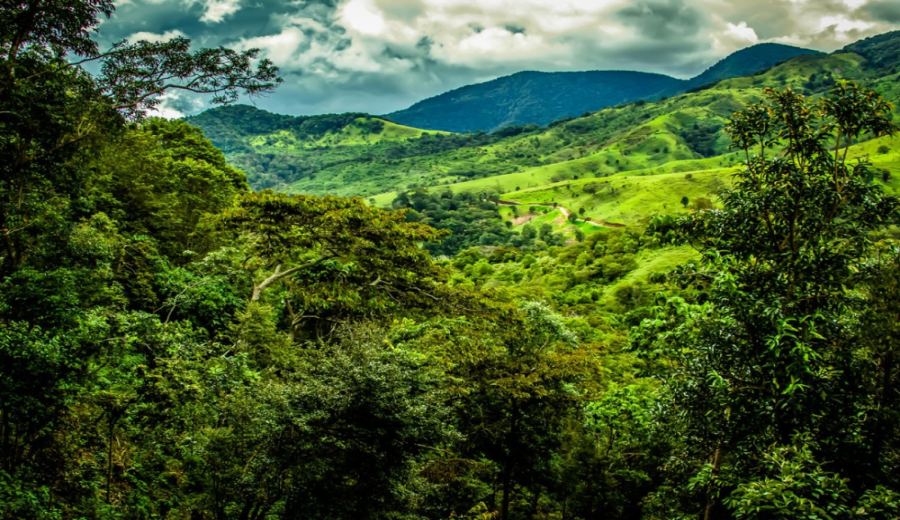
Finca Deborah is situated on the high-altitude foothills of Panama’s Volcán volcanic region, perpetually shrouded in thick cloud cover.At an elevation exceeding 1,900 meters, with day-night temperature differentials reaching up to10°C. This climate not only slows down the ripening process of the coffee cherries but also encourages the beans to accumulate richer flavor compounds and sugars, resulting in dense, hard beans with intense flavors. The surrounding area retains an intact native tropical rainforest ecosystem with abundant biodiversity. This ecological balance helps reduce the occurrence of pests and diseases while also nurturing the complex, multi-layered flavor potential of the Geisha coffee.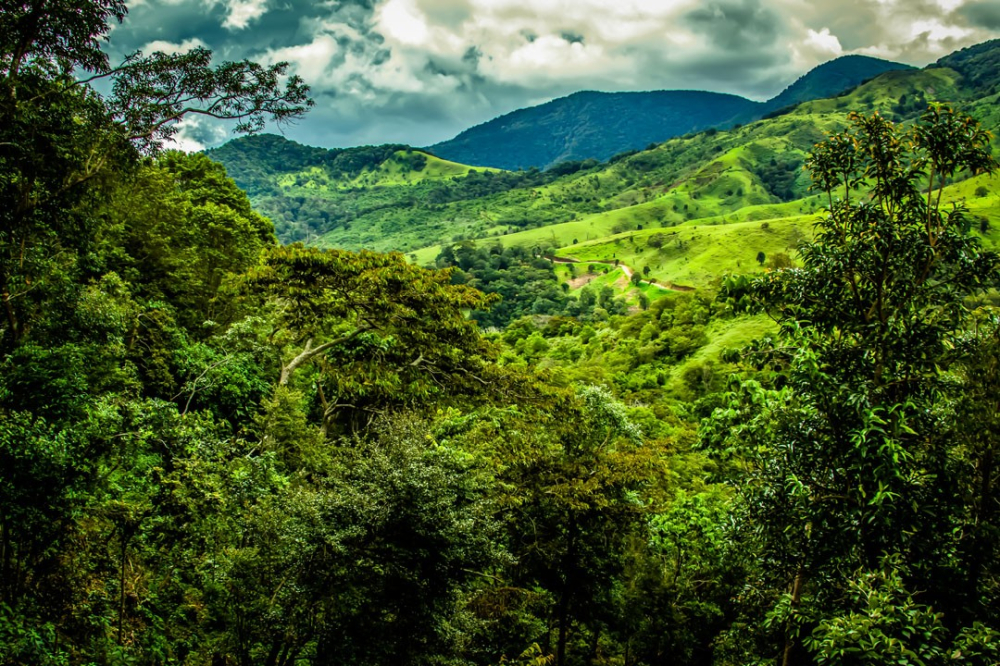
The Geisha variety originally hails from a small village in southwestern Ethiopia, renowned for its slender bean shape, strong disease resistance, and distinctive floral and fruity aromas. Though highly particular about its environment, this variety thrives in Panama’s high altitudes and cool microclimates, expressing remarkable floral notes, citrus tones, honey-like sweetness, and berry aftertastes. Panama’s east-to-west spanning terrain channels cool air from the central mountain range into high-altitude zones, forming numerous microclimates — a key geographical factor enabling Geisha to achieve its ultimate expression.
Panama’s coffee cultivation is primarily concentrated in three major regions of Chiriquí Province: Boquete, Volcán, and Renacimiento. These areas are adjacent to the Barú Volcano, featuring fertile volcanic soils, moderate humidity, stable rainfall, and year-round cloud cover — all ideal conditions for premium coffee varieties like Geisha. The diverse microclimates further impart varied and nuanced flavor layers to the beans, solidifying Panama’s significant position in the global specialty coffee market.
Finca Deborah is not only committed to coffee quality but also dedicated to sustainable environmental management. Its processing facilities are fully powered by solar energy, effectively minimizing environmental impact,maintaining zero-emission operations in remote high-altitude areas. As a shaded coffee plantation, Finca Deborah preserves the surrounding original woodlands, not only maintaining the natural ecosystem but also providing habitats for local birds and wildlife, demonstrating a sustainable agricultural model of coexistence with nature.
The Savage Seriesis one of the projects led by Finca Deborah’s owner, Jamison Savage, in collaboration with multiple small farms and coffee growers in the Boquete and Volcán regions. It focuses on hand-selecting only fully ripe red cherries and employs strictly controlled production processes to ensure each batch of Geisha coffee possesses a consistent and outstanding foundational flavor. Although the series has never won the Cup of Excellence (BOP) championship, it serves as a vital coffee source for many competition participants and is widely recognized by professionals for its quality and consistency.
In terms of processing techniques, the Savage Series Geisha acquired by a certain coffee brand utilizesanaerobic natural (sun-dried) method: fully ripe red cherries are first naturally dried in a greenhouse until they reach a raisin-like state, then transferred into a sealed container for36 hours of anaerobic fermentation, followed by retaining 100% of the fruit pulp layer for subsequent fermentation and hulling. This process significantly enhances the floral and fruity aromas as well as the sweetness of the coffee, delivering a more three-dimensional flavor profile and fuller mouthfeel.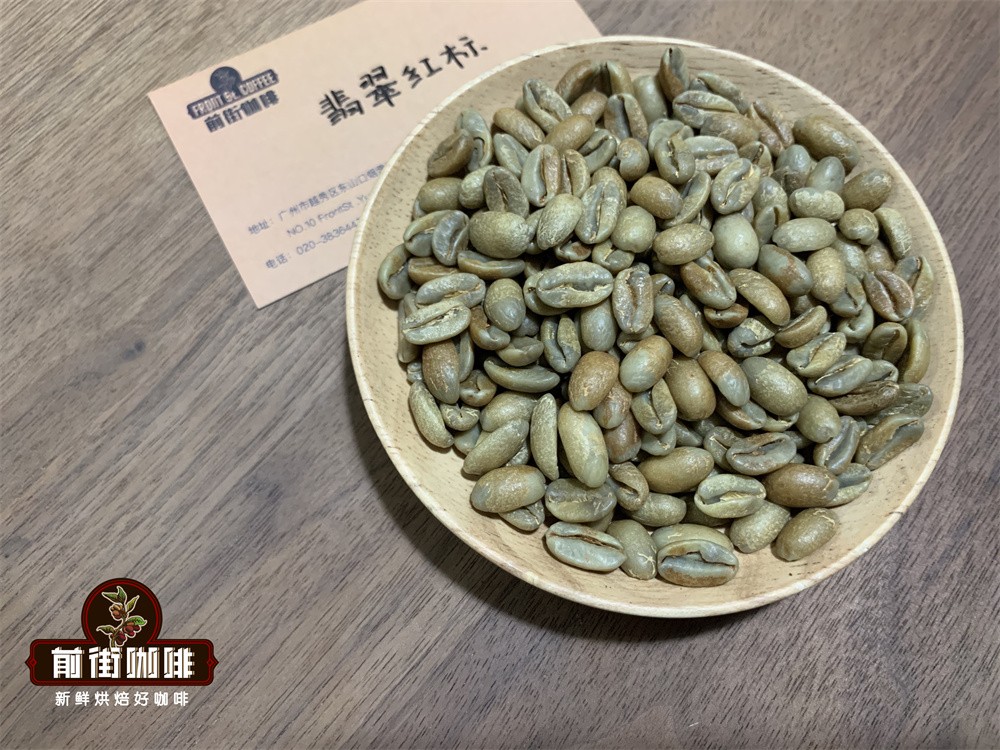
For this lightly roasted Geisha coffee bean, a certain coffee brand recommends usinga Hario V60 dripper, withwater at 91°C, adose of 15 grams of coffee to a 1:15 coffee-to-water ratio, and a grind size set to80% passing through a Chinese standard No. 20 sieve, to fully highlight its bright floral notes, pineapple-like sweet acidity, and overall balanced structure. The light roast preserves the maximum amount of origin characteristics, but attention to brewing technique is essential to fully extract its delicate fruit acids and aromatic layers.
To ensure the Geisha coffee’s flavors are at their best, it is recommended to brew within 5 days of purchase and allow the beans to undergoa 4–7 day resting periodto let internal gases stabilize and the flavors become more cohesive. If opting for pre-ground coffee, while it can be brewed immediately, be aware that ground coffee oxidizes rapidly upon exposure to air. It is advisable to consume it as soon as possible to avoid aroma loss. Overall, storing the beans whole and grinding them fresh for each brew will deliver the most complete experience of Finca Deborah Geisha’s finesse and complexity.
Beyond Panama’s Finca Deborah Geisha, the market also offers Geisha offerings from Colombia, Costa Rica, and even Ethiopia. Each presents distinct regional characteristics and processing styles. Whether you’re a novice or a seasoned coffee enthusiast, you can explore your preferred expression of Geisha. Understanding the interplay between varietal, environment, and processing will help you delve deeper into savoring this high-altitude specialty from the clouds.
The above content is compiled by CoffeeHunters, a coffee news website.


