







Introduction:Similar to the Hua Kui coffee beans originating from the Guji region’s Hambella area in Ethiopia, the natural and washed processing methods yield distinctly different flavor experiences. This article delves into the origin backgrounds of the two types of beans, their differences in green bean appearance, cupping data performance, and provides professional pour over parameter recommendations to help coffee enthusiasts make choices based on their personal taste preferences while mastering brewing techniques.
The Hua Kui coffee beans from Ethiopia’s Guji region, Hambella area, showcase distinctly different flavor characteristics due to the natural and washed processing methods. The natural version is distinguished by rich aromas of passion fruit, strawberry, and jackfruit, offering a layered complexity; the washed version presents a clean profile with notes of green tea, green mandarin, and a black tea finish, refreshing and pleasant. Whether in cupping scores or flavor profiles, both have their unique strengths, catering to coffee lovers with varying tastes. This article will systematically compare the natural and washed Hua Kui—from origin introduction, green bean appearance, processing methods, cupping performance, to pour over parameters—to give you an in-depth understanding of the charm of these two popular beans.
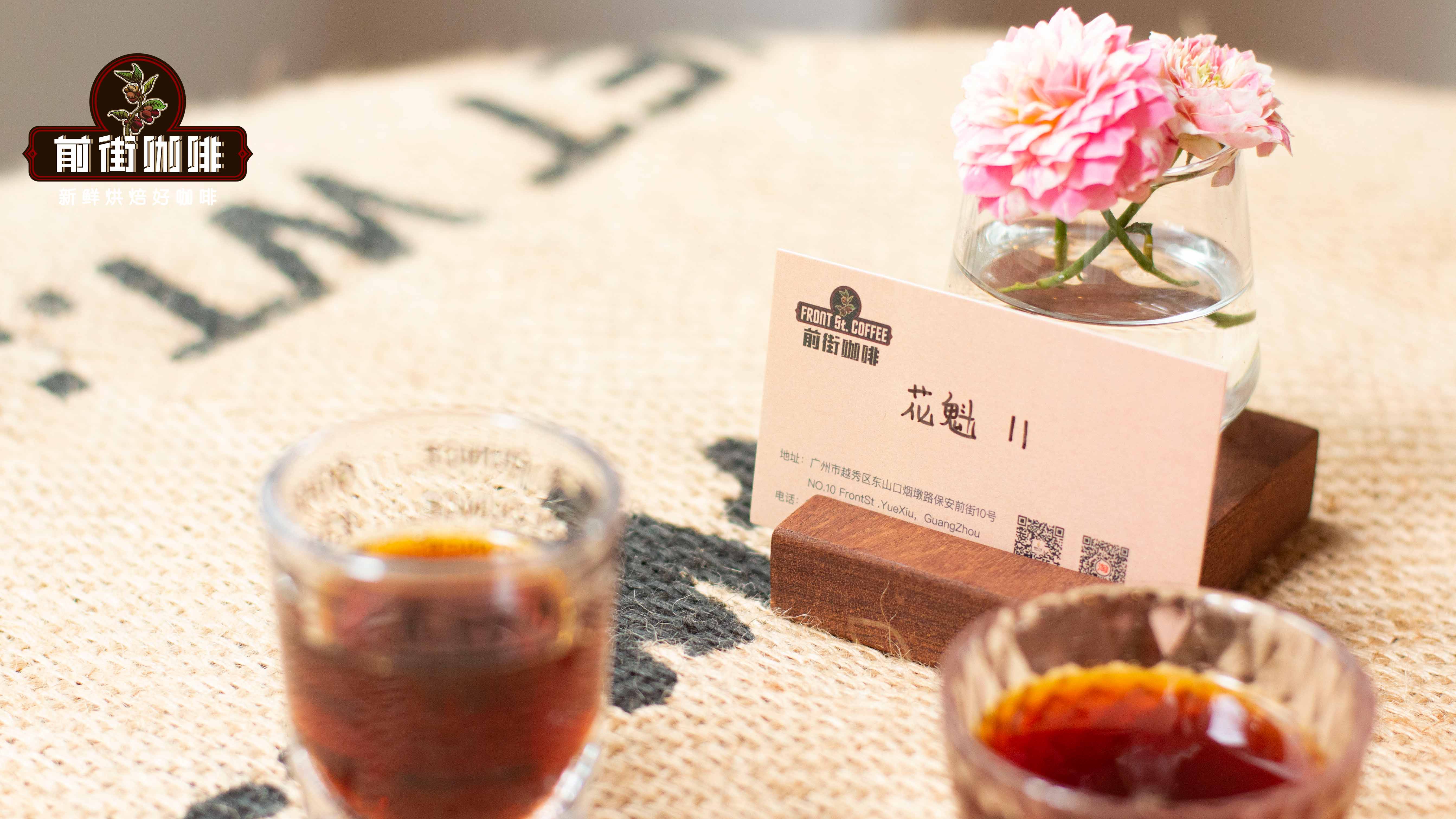
In March this year, at the China Coffee Brewing Championship, an affordable coffee bean from Ethiopia delivered an outstanding performance that challenged several high-priced Geisha beans, ultimately finishing as the runner-up by a narrow margin. This bean is none other than the natural Hua Kui from Ethiopia’s Hambella region. Its pour over brew reveals distinct layers, and it offers a cool, refreshing taste when cold brewed, earning widespread praise. What exactly makes this Hua Kui bean stand out among so many competitors? The answer lies not only in the terroir of the origin but also closely ties to the processing method.
The natural Hua Kui coffee beans are grown and processed by a local farm in Dimtu village, located in the Hambella Wamena area of Ethiopia’s Guji region. This area sits at an altitude between 2250 and 2350 meters, making it one of the highest-altitude sub-regions in Ethiopia. The farm is situated in a village within the Hambella region, approximately 2280 meters above sea level. The coffee harvest season begins in December each year, when the mountains are covered in bright red coffee cherries—ideal raw material for natural processing. Local farmers insist on beginning the natural drying process only when the sugar content of the red cherries reaches above 30. Special attention is given to humidity control during the first two days to ensure sufficient fermentation of the fruit. Nighttime temperatures drop to around 12°C, effectively preventing over-fermentation. After 18 days of rigorous natural drying, the pulp and skin are completely dehydrated. The green beans are then stored in a warehouse maintained at 12-22°C and 45-55% humidity for approximately 50 days of further drying and resting, stabilizing the moisture content at around 11%. After hulling and screening, they enter the market.
These natural coffee beans from the farm have previously won the championship at the Ethiopian National Coffee Harvest Competition in the 2016/2017 harvest season and secured second place at the African Regional Green Coffee Competition in 2017, solidifying their recognized excellence.
Natural and washed are two distinctly different green bean processing methods. The natural (or dry) method typically involves spreading coffee cherries directly on concrete patios or African raised beds, relying on sunlight for natural drying. Depending on weather conditions, this process can take 2 to 4 weeks. Commercial-grade coffee is often dried directly on concrete and requires frequent turning to ensure even drying and prevent mold; specialty-grade beans, on the other hand, are usually dried on African raised beds, which allow for uniform exposure through a breathable mesh rack. The thickness and arrangement of the cherries are also adjusted according to local conditions. In contrast, the washed method relies on water to remove the skin, pulp, and mucilage through washing and fermentation. After fermentation, the beans are rinsed until smooth, reducing moisture content from 50% down to 12%, followed by a drying process. Due to water scarcity in some parts of Africa, many washed processing facilities consolidate freshly picked coffee cherries from surrounding villages for centralized processing.
In terms of green bean appearance, natural Hua Kui beans are smaller, with a greenish-yellow hue and inconsistent sizes; washed Hua Kui beans exhibit a slightly grayish-green color and are more uniform and consistent in size. After roasting, the natural Hua Kui, due to light roasting, appears lighter in color with no silver skin residue, while the washed Hua Kui is roasted slightly darker, with a deeper color and occasional silver skin visible along the center cut. These visual differences not only affect aesthetics but also indirectly reflect how processing methods influence the internal structure of the beans.
Cupping is a critical step in evaluating coffee flavors. The standard cupping ratio is 8.2 to 8.3 grams of coffee beans to 150 milliliters of water, with a water-to-coffee ratio of 1:18.18, and water temperature controlled at 94°C. Use tempered glass or ceramic cups with a capacity between 207 and 266 milliliters and a rim diameter of 76 to 89 millimeters to ensure consistency. The process includes grinding (BG 3B), smelling the dry fragrance, pouring water for blooming, smelling the wet aroma, breaking the crust, scooping out the grounds, and slurping for tasting. Results show that the natural Hua Kui has a dry fragrance with notes of passion fruit, jackfruit, and strawberry, and flavor descriptions include rose floral, passion fruit, jackfruit, and strawberry acidity and sweetness, with scores of cleanliness 6, sweetness 6, acidity 6, mouthfeel 5, flavor 6.5, aftertaste 6, balance 6, for a total score of 83.5; the washed Hua Kui has a dry fragrance of tea and green mandarin, with flavors showcasing green tea, green mandarin, floral notes, and a black tea finish, scoring cleanliness 6.5, sweetness 6.5, acidity 6, mouthfeel 6.5, flavor 6, aftertaste 6, balance 6, for a total score of 85.5. Although the scores differ slightly, both have distinctive styles and their own devoted fans.
For pour over enthusiasts, this article offers professional parameter recommendations. For the natural Hua Kui, it is recommended to use 15 grams of coffee, 90°C water temperature, with a small Fuji grind size 3.5 and V60 filter, at a water-to-coffee ratio of 1:15. First pour 30 grams for a 30-second bloom, then pour up to 104 grams and pause, followed by pouring up to 225 grams. Total brew time is approximately 2 minutes and 2 seconds, with the last drips optionally discarded; for the washed Hua Kui, it is suggested to use 15 grams of coffee, 92°C water temperature, also with a small Fuji grind size 3.5 and V60 filter, at a water-to-coffee ratio of 1:14. First pour 30 grams for a 30-second bloom, then pour up to 110 grams and pause, followed by pouring up to 215 grams. Total brew time is about 2 minutes and 5 seconds, and the tail end is also recommended to be discarded. These parameters have been optimized through testing and help fully highlight the unique flavors of their respective processing methods.
Based on comprehensive cupping and practical testing experience, the natural Hua Kui stands out as a champion-level bean with its rich flavor layers and excellent balance, highly favored by coffee enthusiasts who pursue complex profiles. The washed Hua Kui, on the other hand, excels with its fresh and clean taste, distinct sweet-and-acid contrast, and black tea-like texture, offering a uniquely memorable flavor that even evokes the classic characteristics of Kenya’s coffee. The choice between washed and natural ultimately reflects individual taste preferences, with no absolute superiority. Whether you prefer the bold explosion of flavors in natural beans or the versatile freshness of washed ones, these two Hua Kui beans from Ethiopia’s Guji region are worthy of careful tasting and exploration by every coffee lover.
The above content is compiled by CoffeeHunters, a coffee news website.


