







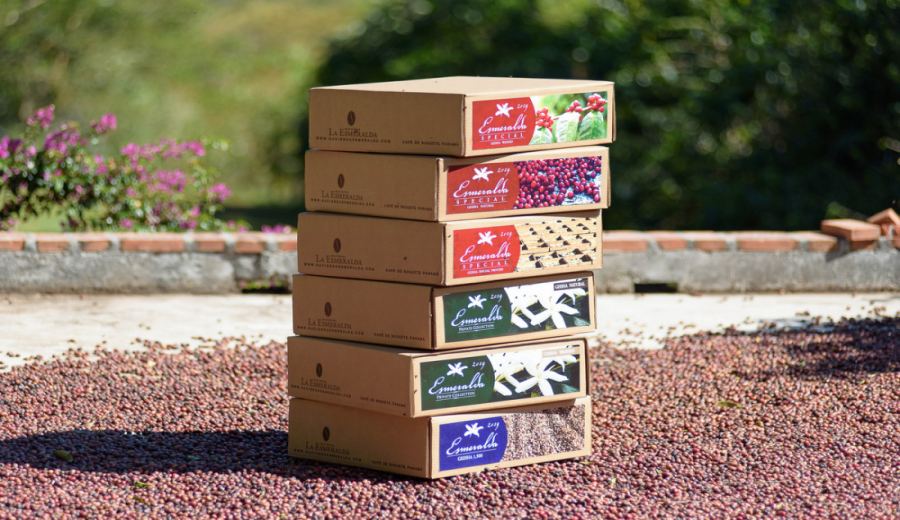
Introduction:In addition to its renowned Geisha, the Finca Esmeralda estate also offers the high-quality and great-value Diamond Mountain series. This coffee, grown at high altitudes in the Boquete region, primarily consists of varieties such as Catuaí, and is processed through washed and natural methods, showcasing rich fruit notes and delicate aromas. This article delves into the environment of the Diamond Mountain growing area, the characteristics of its varieties, its processing methods, and shares practical flavor profiles and brewing references to help you better understand this premium coffee worth trying.
When it comes to Panama’s Finca Esmeralda, many people first think of the internationally award-winning Geisha coffee. However, this renowned estate located in the Boquete region also has another series — Diamond Mountain — that comes from high-altitude volcanic slopes, offering delicate flavors and excellent value for money. This series mainly grows classic Arabica varieties such as Catuaí, Typica, and Bourbon, at altitudes between 1400 and 1700 meters. Though not as expensive as Geisha, it still demonstrates the consistently high standards and commitment to sustainable farming that Finca Esmeralda is known for.
Finca Esmeralda was not originally focused on coffee cultivation but was a diversified farm that included dairy cattle and citrus cultivation. It wasn’t until the late 20th century that the Peterson family discovered the exceptional potential of the GEISHA variety on their own land, which later became world-famous. Starting in 2004, this variety achieved remarkable success in multiple editions of the Best of Panama (BOP) international competition, even fetching prices over $21 per pound, establishing Finca Esmeralda as a leader in the specialty coffee industry.
As Geisha gained international fame, Finca Esmeralda did not limit itself to the high-end market but successively launched product lines with different positioning, allowing more consumers to enjoy high-quality coffee from Panama’s high altitudes at reasonable prices. Among them, the Diamond Mountain series is designed specifically for coffee enthusiasts who love fruity and balanced flavors while also seeking good value.
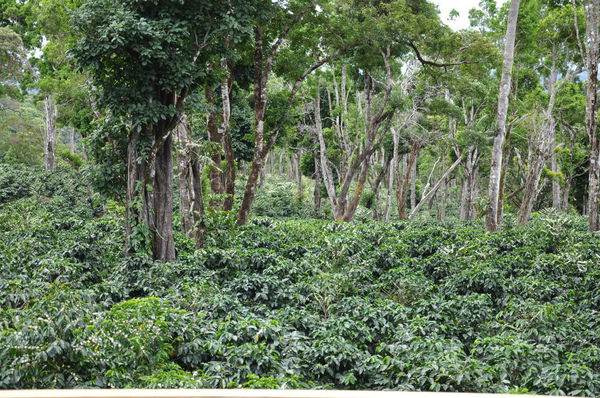
Diamond Mountain coffee is grown on the right side of the Barú Volcano in the Boquete region, specifically in the foothills of Canas Verdes and Jaramillo, at elevations of approximately 1400 to 1600 meters. The area features fertile volcanic soil, along with surrounding virgin forests that provide ample shade, creating ideal conditions for coffee tree growth. The main varieties planted include Typica, Bourbon, and Catuai, which, under the local microclimate, exhibit distinct fruit notes and rich layers.
It is worth mentioning that some of the beans used in the Diamond Mountain series are Catuaí, a hybrid of Caturra and the Mundo Novo variety. It combines high yield and disease resistance, with relatively short plants, enabling higher planting density and thus improving productivity per unit area. Additionally, Catuaí often exhibits bright acidity and clear fruitiness in cupping, making it a common choice for many coffee farms in Central and South America.
In terms of processing methods, some batches of Diamond Mountain use the natural (sun-dried) process, which is a key factor in creating its unique flavor profile. The harvested coffee cherries are sun-dried on patios at the farm, allowing the pulp and seeds to slowly dry together, enabling the coffee beans to fully absorb the sugars and aromatic compounds from the pulp. This results in intense tropical fruit, berry, and mild fermentation aromas. Some batches are dried using the Guardiola system for controlled temperature drying, effectively reducing the risk of mold and ensuring a stable and even drying process.
After drying, the coffee beans are typically rested in nylon bags for 30 to 45 days. This period, known as ‘reposo,’ helps balance the internal moisture of the beans and develop their flavors, resulting in a rounder and more layered cup profile during brewing. This maturation process is especially important for natural-processed coffees, as it helps reduce off-flavors from over-fermentation while enhancing sweetness and fruity notes.

Based on actual cupping experience, this naturally processed Diamond Mountain coffee has beans that appear slightly yellow in color, with relatively more silver skin. The bean shape is somewhat flat with a slender tip, typical characteristics of the Catuaí variety. To highlight its red berry and tropical fruit aromas, a medium-light roast is recommended, which better preserves its bright acidity and rich fruitiness.
In terms of flavor profile, this Diamond Mountain coffee commonly presents descriptions such as bright lemon acidity, berry notes like red cherry and blueberry, accompanied by honey-like sweetness and subtle floral hints. The latter part brings a rich chocolatey body and a gentle spicy finish. Overall, the cup is balanced and layered, making it highly suitable for pour-over or filter coffee lovers who enjoy fruity profiles.
In summary, the Diamond Mountain series from Finca Esmeralda in Panama, though not as expensive as Geisha, still showcases the allure of specialty coffee brought by high altitude, careful management, and diverse processing methods. Whether you’re a beginner or a coffee enthusiast looking for a daily brew, this Diamond Mountain coffee from the Boquete region is a premium choice worth trying.
The above content is compiled by CoffeeHunters, a coffee news website.


