







Introduction:Dive deep into two classic Mandheling beans from Sumatra—Lintong Mandheling and Golden Mandheling. From regional environments, bean varieties, processing methods, selection criteria, to roasting and pour over parameters, this comprehensive analysis unveils their flavor profiles and unique characteristics. Whether you’re new to Indonesian coffee or seeking the right dark roast for your palate, this detailed comparison will help you make a more informed choice.
When it comes to Mandheling, many coffee enthusiasts immediately think of that rich, full-bodied mouthfeel and its deep, understated aroma. Among the various Mandheling offerings, those from a certain brand—Lintong Mandheling and Golden Mandheling—stand out the most. The former is often regarded as the classic representative of Sumatran Mandheling, while the latter has gained market favor due to its stricter selection process and consistent appearance. Although both are processed using Indonesia’s unique “wet hulling” method, they differ in origin distribution, variety composition, selection standards, and final flavor expression. This article will take you through the stories behind their origins, bean variety traits, processing workflows, grading systems, as well as practical roasting curves and pour over recommendations, to deeply analyze the unique personalities of these two dark roasts and debunk the common misconception of whether “Lintong Mandheling is really inferior to Golden Mandheling.”
Lintong Mandheling: The Representative of Sumatra’s Classic Flavor
Among the many imported Mandheling coffees, those from a certain brand—Lintong Mandheling and Golden Mandheling—are the most frequently discussed. Among them, Lintong Mandheling is considered the classic option within the Mandheling category, suitable for those who want to experience the original character of Sumatran coffee; whereas Golden Mandheling stands out in the specialty coffee market with its stricter selection and higher consistency. Next, we’ll break down their individual characteristics one by one to help you make a choice based on your flavor preferences.
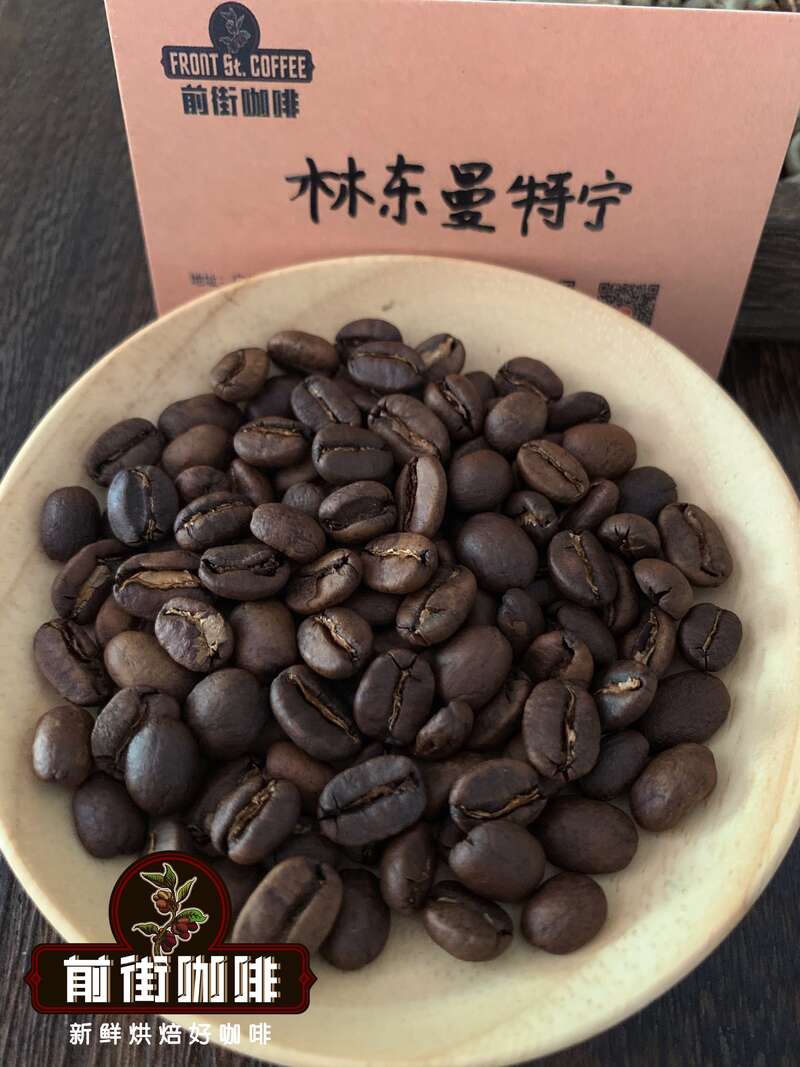
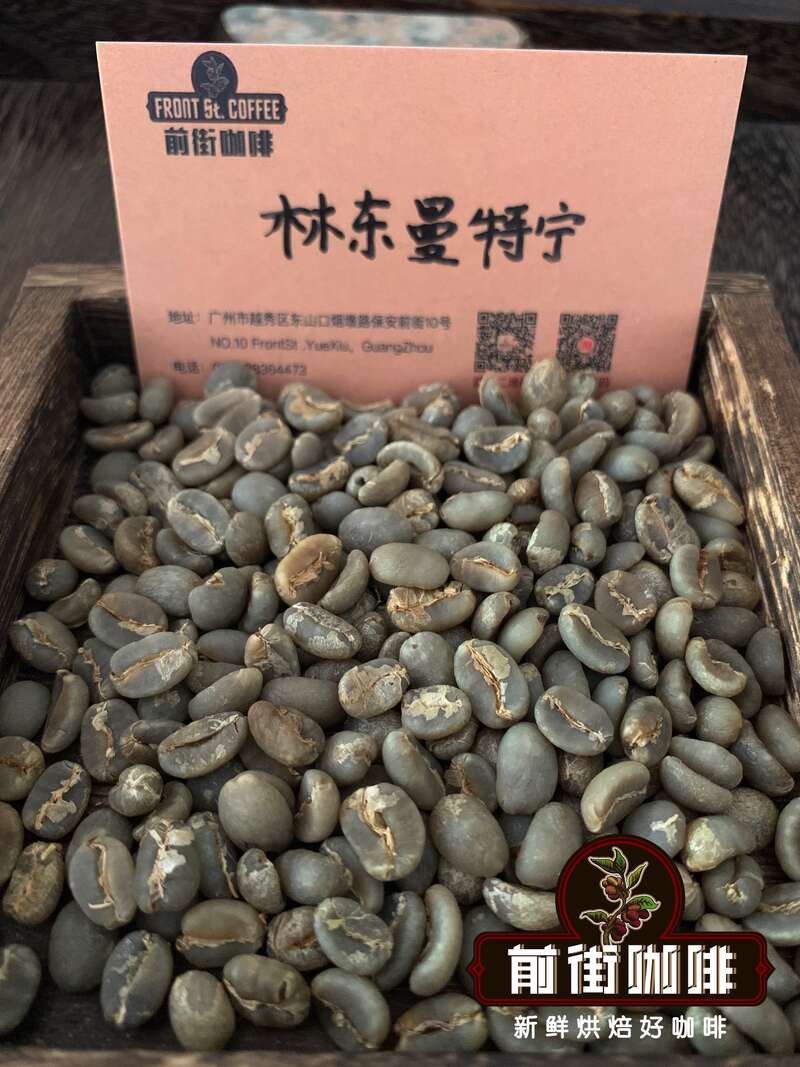
Lintong Mandheling is processed using the traditional “wet hulling” method. This technique involves removing the parchment layer while the green bean moisture content is still relatively high, causing the beans to be easily compressed and deformed, resulting in the distinctive “elephant ear” shape—an entirely normal occurrence, not a defect. Additionally, because this method retains more non-volatile compounds, Lintong Mandheling typically exhibits low acidity, a full body, and notes of earth and herbs. In terms of flavor, you can often detect roasted bread, nuts, caramel, pine, and hints of medicinal herbs, with an overall bold profile that is distinctly Sumatran.
Golden Mandheling: A High-Consistency Mandheling Through Meticulous Selection
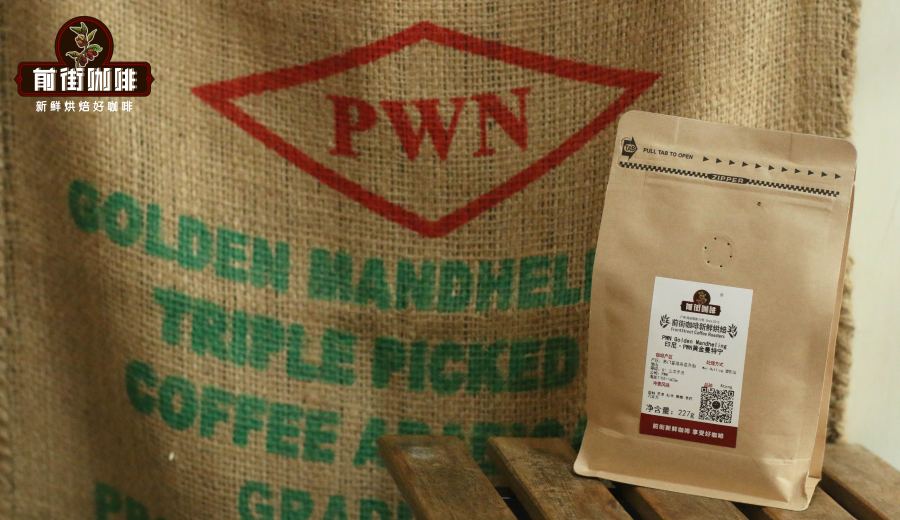
Compared to Lintong Mandheling, Golden Mandheling has a more “specialty-oriented” origin. This bean was first introduced through a collaboration between a Japanese coffee importer and local Indonesian suppliers, and it established extremely strict selection criteria. Its green beans undergo density sorting, color sorting, and multiple rounds of hand-picking, with only those of neat appearance and minimal defects retained. It’s said that under sunlight, these carefully selected beans exhibit a metallic sheen, hence the name “Golden Mandheling.”
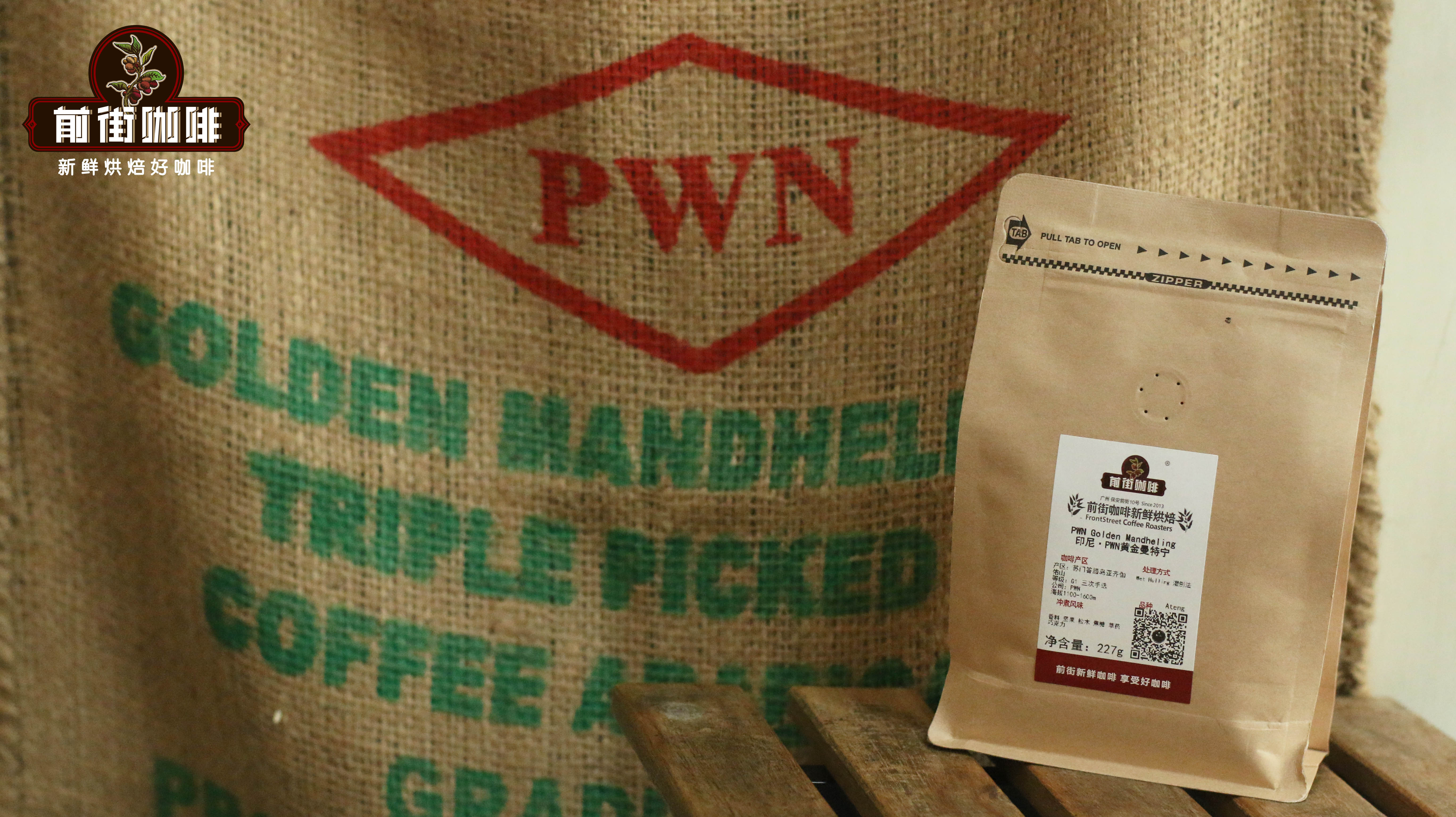
Golden Mandheling is grown in the Gayo Mountains of Aceh, Sumatra, at elevations between 1100 and 1600 meters, with the main variety being Ateng—a local term for a hybrid of Arabica and Robusta, belonging to the Catimor group, widely cultivated across the Indonesian archipelago. Although Ateng doesn’t have the same flavor potential as Typica or Caturra, through high-standard selection and processing, Golden Mandheling successfully eliminates common earthy and off-flavors, showcasing clearer and brighter notes of spices, herbs, caramel, and nuts, often with a chocolatey richness in the aftertaste.
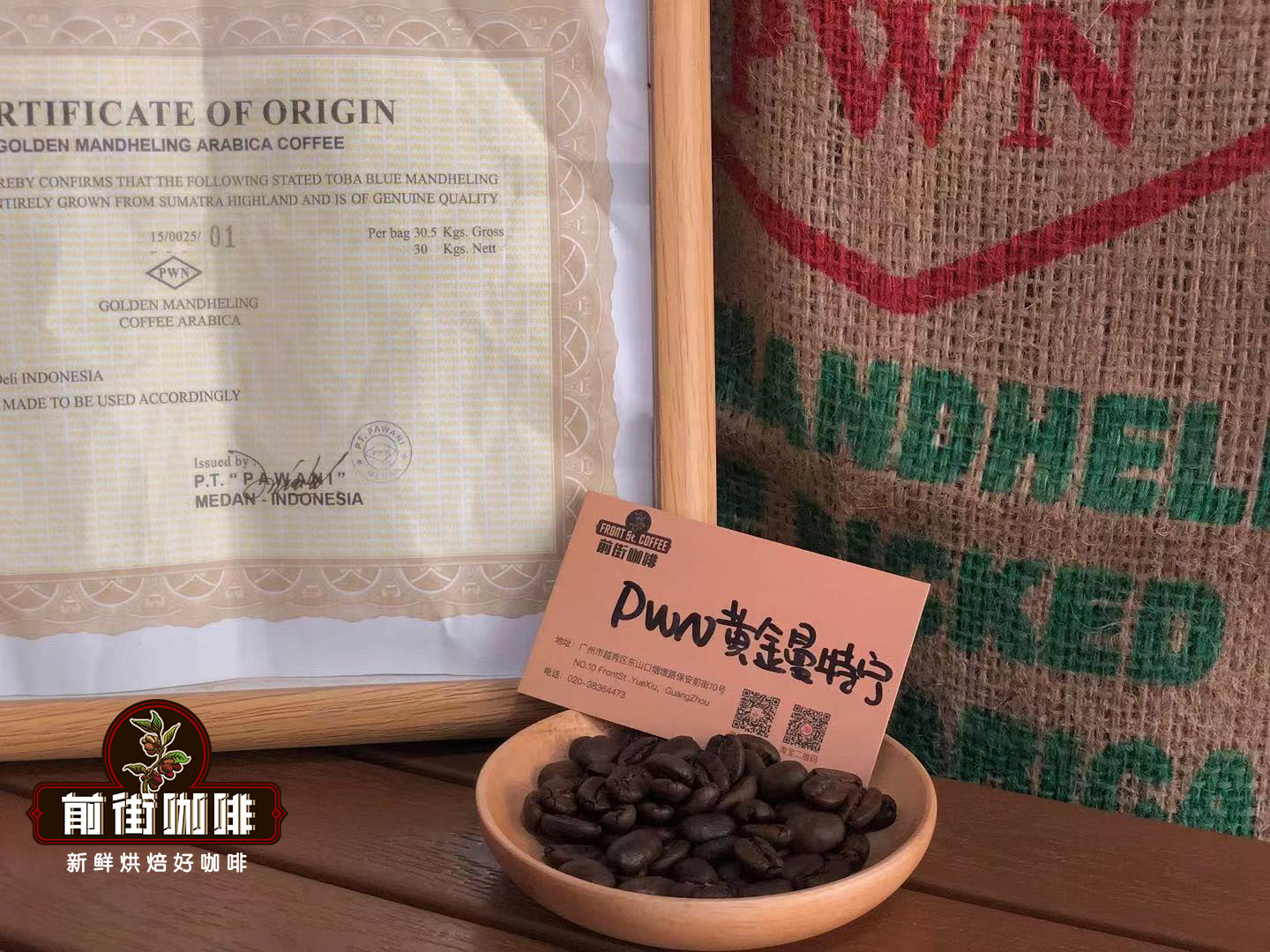
It’s worth noting that the trademark for “Golden Mandheling” is owned by Indonesia’s PWN company (Pwani Coffee Company), not the Japanese company that originally initiated the project. The name registered by the Japanese side is “Gold Top Mandheling,” also referred to in the market as “Ding Shang Golden Mandheling.” Despite slight differences in naming and branding, the actual flavor profiles are not drastically different—the main distinctions lie in the level of selection rigor and consistency.
Roasting and Pour Over Parameter Comparison: How to Extract the Best Flavor?
A certain brand’s Lintong Mandheling comes from the Lintong region in north-central Sumatra, Indonesia, an area near the famous Lake Toba, at elevations of about 1100 to 1600 meters. The main varieties grown here are Typica and Caturra, both traditional Arabica types—with Typica known for its elegant flavor but lower yield and weaker disease resistance, and Caturra being a natural mutation of Bourbon with relatively higher yield but also some susceptibility to disease.
As for pour over recommendations, both beans can use the same parameter settings for a fair comparison: using a Kono filter (its rib design reduces airflow exchange and extends extraction time, helping enhance body), water temperature around 88°C, 15 grams of coffee, a 1:15 coffee-to-water ratio, and a grind size set to 70-75% through a #20 sieve. Suggested pour over steps are as follows: start with a 30-second bloom using 30 grams of water, then pour in small circles until reaching 125 grams for the first pour, wait for the water level to drop, then continue pouring to 225 grams, with total extraction time controlled to around 2 minutes. This method helps fully bring out the boldness and sweetness unique to Mandheling.
Flavor Difference Summary: Full-Bodied Herbaceous vs Clean Spicy
In terms of final flavor expression, a certain brand’s Lintong Mandheling showcases a more primal, herbaceous, and earthy-toned Sumatran character, often delivering distinct notes of dark chocolate, caramel, and herbal plants on the palate, with a sweet and mellow aftertaste. The overall flavor is bold and layered with depth. In contrast, a certain brand’s Golden Mandheling, thanks to its high-standard selection process, presents a cleaner and more defined profile centered on spices, nuts, and chocolate, with a smoother mouthfeel, a long-lasting aftertaste, and clear sweetness throughout—suitable for those who prefer a more balanced and refined drinking experience.
In summary, Lintong Mandheling and Golden Mandheling are not absolutely superior or inferior to each other but rather represent different facets of Sumatran Mandheling’s flavor profile. If you enjoy bold, slightly wild-tasting dark roasts, Lintong Mandheling is a great choice; if you lean toward a cleaner, more aromatic, and consistent cup, Golden Mandheling might suit your taste better. Whichever you choose, as long as you apply the correct roasting and brewing methods, the unique charm of Indonesian Mandheling can be fully revealed.
The above content is compiled by CoffeeHunters, a coffee news website.


