







Introduction:Panama, with its unique geographical environment and meticulous coffee cultivation techniques, produces a variety of top-tier coffee beans with distinctive flavors. This article will delve into key producing regions such as Boquete, as well as renowned estates including La Esmeralda, Elida Estate, and Hartmann Estate, analyzing their planting altitudes, processing methods, and representative varieties such as Geisha. It also includes practical pour over recommendations and flavor profiles, serving as an introductory guide to understanding Panama’s specialty coffee.
Although Panama is a small Central American country, it holds a significant position in the global specialty coffee market due to its production of high-quality coffee beans such as Geisha. Its coffee-growing areas are mainly concentrated in the western part of the country, benefiting from high-altitude terrain and stable microclimates, which create rich and layered coffee flavors. This article will provide a detailed introduction to several important producing regions in Panama, such as Boquete, as well as local well-known estates including La Esmeralda, Elida Estate, and Hartmann Estate, taking you through the growing environment, cultivation methods, and processing techniques to fully understand the key factors behind these extraordinary flavors.
Panama Coffee Growing Regions: Environment and Overview
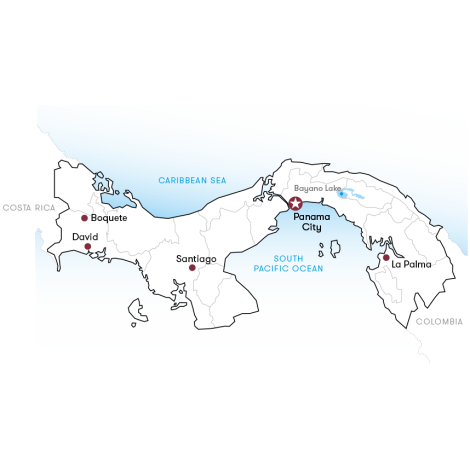
Panama has a total area of approximately 75,517 square kilometers, with an “S”-shaped terrain that serves as an important hub connecting North and South America. The country borders Colombia to the east, the Pacific Ocean to the south, Costa Rica to the west, and the Caribbean Sea to the north. Its mountainous landscape makes the high-altitude western regions particularly suitable for coffee cultivation. Influenced by the equatorial climate, Panama has a tropical maritime climate with an average annual temperature between 23 and 27°C and distinct dry and rainy seasons, with annual rainfall ranging from 1,500 to 2,500 millimeters.
Among them,the Boquete region in Chiriquí Provinceis the most renowned coffee-producing area. In addition, smaller areas such as Volcán, Santa Clara, and Candela are also gaining attention. Altitude has a significant impact on coffee quality,with only coffee grown at elevations above 1,300 to 1,500 meters considered to be of premium grade, capable of exhibiting richer acidity and aromatic complexity.
Boquete: Three Main Planting Models and Shade Benefits
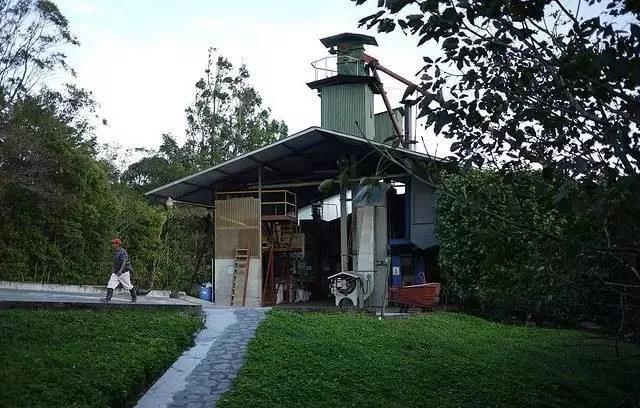
Coffee farms in the Boquete region can be categorized into sun-grown, semi-shaded, and fully shaded plantations based on sunlight exposure. Typically,plantations with more than 50 shade trees per hectare are considered fully shaded, those with 25 to 50 trees are semi-shaded, and those with fewer than 25 trees are exposed to direct sunlight. Although shaded cultivation may reduce yield and increase production costs, it slows the ripening process of coffee cherries, allowing the fruits to accumulate more complex flavor compounds. Compared to unshaded cultivation, shaded-grown coffee often has more intricate aromas and a fuller body. Similar practices are common in Colombia, where banana trees are used for natural shading, achieving a balance between ecology and flavor.
La Esmeralda (Emerald Estate): Synonymous with Geisha
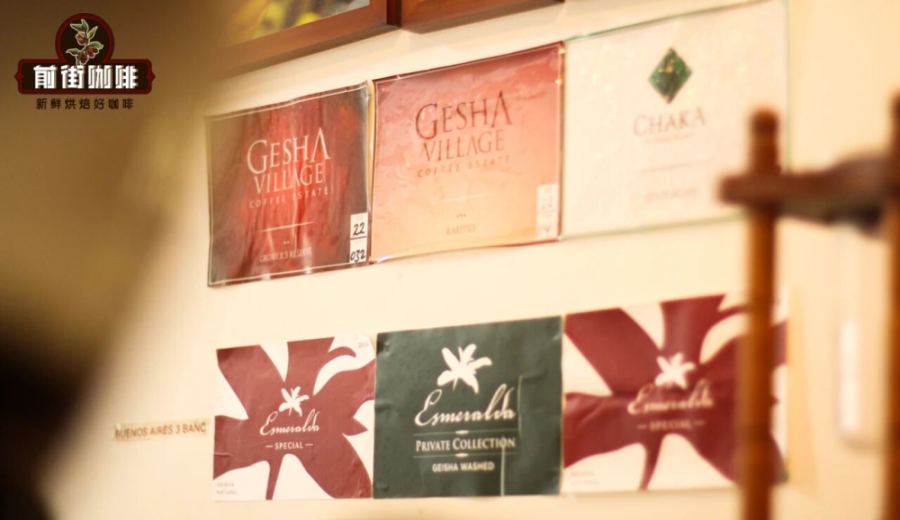
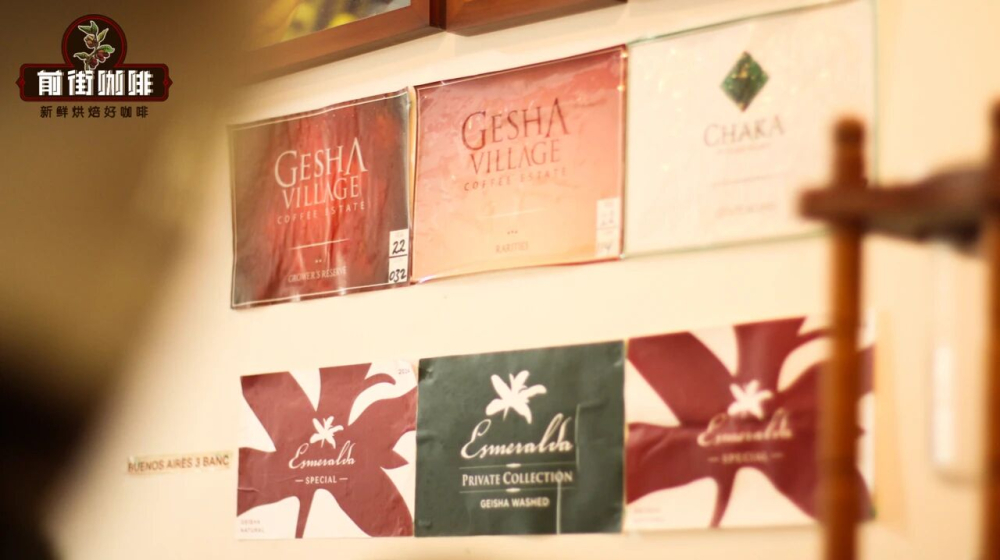
Located at the foot of the Volcán Barú, La Esmeralda is a leading name in Panama’s specialty coffee scene. The estate originally sold coffee under the name Baru Mountain until the Geisha variety gained prominence in the region. The farm is situated along the Rio Caldera on the right side of the Jaramillo area and later expanded to the even higher-altitude Canas Verdes zone. La Esmeralda is renowned for its Geisha variety and offers multiple grades such as Red Label, Green Label, and Blue Label, each corresponding to different quality tiers.
Among them,the Red Label Geisha (Esmeralda Special) is considered the flagship series of La Esmeralda, sourced from blocks at 1,600–1,800 meters in Jaramillo and Canas Verdes. Only lots that score 90 or above in rigorous cupping evaluations are eligible for auction. The Red Label consists of batches that excel in the estate’s own auctions. If a non-auction version is sold commercially, it comes from the same area but was not auctioned—flavor remains consistent, though the price is more accessible. This coffee is often processed using the natural (sun-dried) method, showcasing bright citrus, rose, berry, and honey notes.
Recommended Pour Over Parameters (Red Label Geisha)
Filter: Hario V60
Brewing Temperature: 90°C
Coffee Dose: 15 grams
Water-to-Coffee Ratio: 1:15
Grind Size: Medium-Fine (approximately 75% through a #20 sieve)
Brewing Method: Use a pulse pouring technique—start with a 30-second bloom using 30 grams of water, then pour in a slow stream up to 125 grams, pause until the water level drops, then pour up to 225 grams before finishing. Total brew time is about 2 minutes. Flavor notes typically include vibrant citrus aroma, sweet-tart berries, honey-like sweetness, and a full juicy body.
Elida Estate: Excellence at Ultra-High Altitude
Elida Estate, owned by the Lamastus family, is located in one of the highest-altitude zones of the Boquete region. Some plots are even situated within the Volcán Barú National Park, with the highest elevation reaching 1,850 meters, making it one of Panama’s premier high-altitude coffee farms. The area experiences significant day-night temperature variations, which slow the ripening of coffee cherries and aid in the accumulation of flavor compounds. Only 30 hectares of the estate are dedicated to coffee, with the rest preserved as pristine forest, resulting in an outstanding ecological environment.
Elida primarily grows Geisha, Typica, and Catuai, and is known for itsextremely strict hand-harvesting and post-harvest processes. For example, coffee cherries are picked only at peak ripeness and undergo a low-temperature resting period of more than five months, allowing flavors to become rounder and more balanced. This approach, promoted by coffee expert George Howell, effectively enhances the performance of medium- to high-altitude beans.
Recommended Pour Over Parameters:
Filter: Hario V60
Brewing Temperature: 91°C
Coffee Dose: 15 grams
Water-to-Coffee Ratio: 1:15
Grind Size: Medium-Fine (approximately 80% through a #20 sieve)
Similarly, use a pulse pouring method with a total brew time of around 2 minutes. The natural Typica often features flavors of peach, raisin, cantaloupe, grapefruit, and a green tea-like finish, with clear layers and pronounced sweetness.
Hartmann Estate: A Low-Key Powerhouse
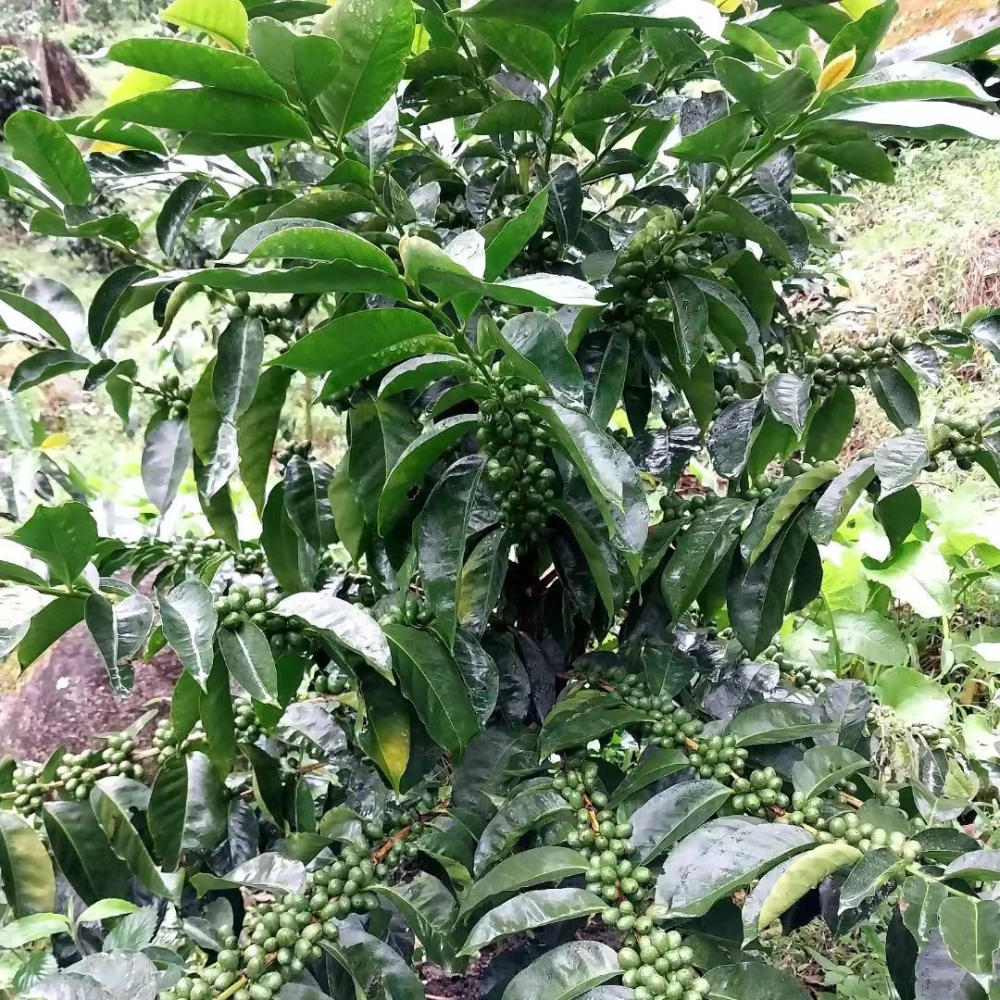
Operated by the third generation of the Hartmann family, this estate rarely participates in auctions, yet its coffee consistently earns high praise from professionals. Hartmann also provides technical support and post-harvest management for other well-known farms, such as Finca La Mula. The estate primarily grows Catuai, a hybrid of Caturra and Mundo Novo, which is disease-resistant, less prone to fruit drop, and well-suited for high-altitude environments, though its flavor profile is relatively subtle.
Hartmann’s wine-processing method is one of its defining features. Inspired by winemaking,it utilizes sealed containers and a carbon dioxide-rich environment for anaerobic fermentation, bringing out rich fruity notes and unique flavor tones. During processing, coffee cherries ferment slowly in a low-oxygen environment, effectively enhancing aroma complexity and sweetness.
Recommended Pour Over Parameters:
Filter: Hario Plastic V60
Brewing Temperature: 93°C
Coffee Dose: 15 grams
Water-to-Coffee Ratio: 1:16
Grind Size: Slightly Coarse (approximately 70% through a #20 sieve)
Brewing involves a 30-second bloom with 40 grams of water, followed by two pours of 140 grams and 60 grams, respectively, for a total brew time of about 2 minutes. This processing method often delivers noticeable wine-like fermentation aromas, citrus acidity, kiwi, brown sugar sweetness, and a wine-like finish.
In summary, the charm of Panama’s specialty coffee lies not only in star varieties like Geisha, but also in its diverse growing environments, rigorous cultivation and processing protocols, and the deep understanding and dedication of major estates to their terroir. Whether you’re seeking bright acidity, bold fruitiness, or unique fermented notes, Panama offers a wide range of high-quality options.
The above content is compiled by CoffeeHunters, a coffee news website.


