







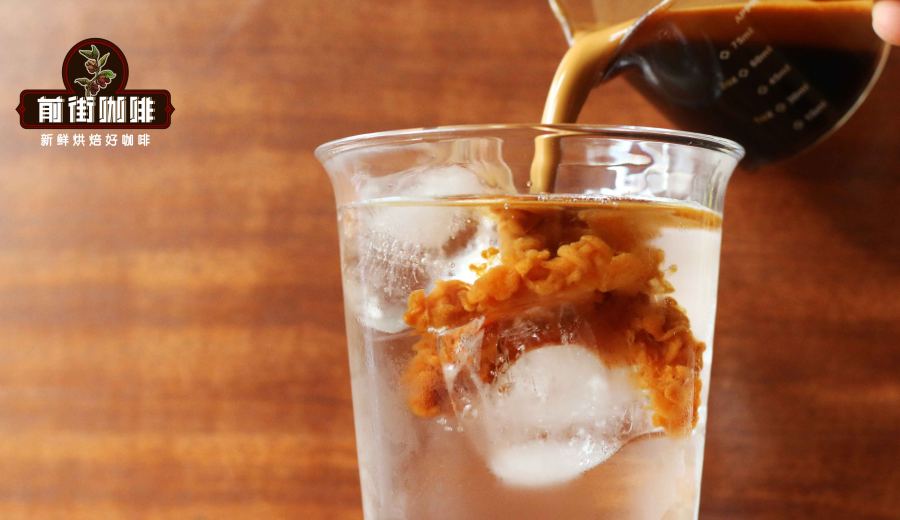
Introduction:On hot summer days, iced coffee has become the go-to choice for many coffee enthusiasts. However, among the four common types of iced coffee—Americano on ice, pour over on ice, cold brew, and ice drip—each varies significantly in brewing method, extraction principles, and flavor profile. This article will provide an in-depth comparison of the extraction techniques, required time, difficulty level, and flavor characteristics of these four iced coffee styles, along with practical parameter suggestions to help you choose the most suitable brewing method based on your personal preferences and equipment availability.
Among the various types of iced coffee, Americano on ice, pour over on ice, cold brew, and ice drip are the four most popular categories. Although all are served cold, they differ greatly in brewing methods, preparation processes, and final flavor profiles. Understanding these differences not only helps you better appreciate the unique qualities of each coffee but also allows you to select the most appropriate brewing method according to your needs.
Let’s start with the extraction principles. Both Americano on ice and pour over on ice fall under the category of "hot extraction + cooling," meaning the coffee’s flavor compounds are first extracted using hot water, then rapidly cooled by adding ice cubes. In contrast, cold brew and ice drip use cold water throughout the entire extraction process, belonging to the "cold extraction" method. This results in distinctly different flavor characteristics and nuanced profiles.
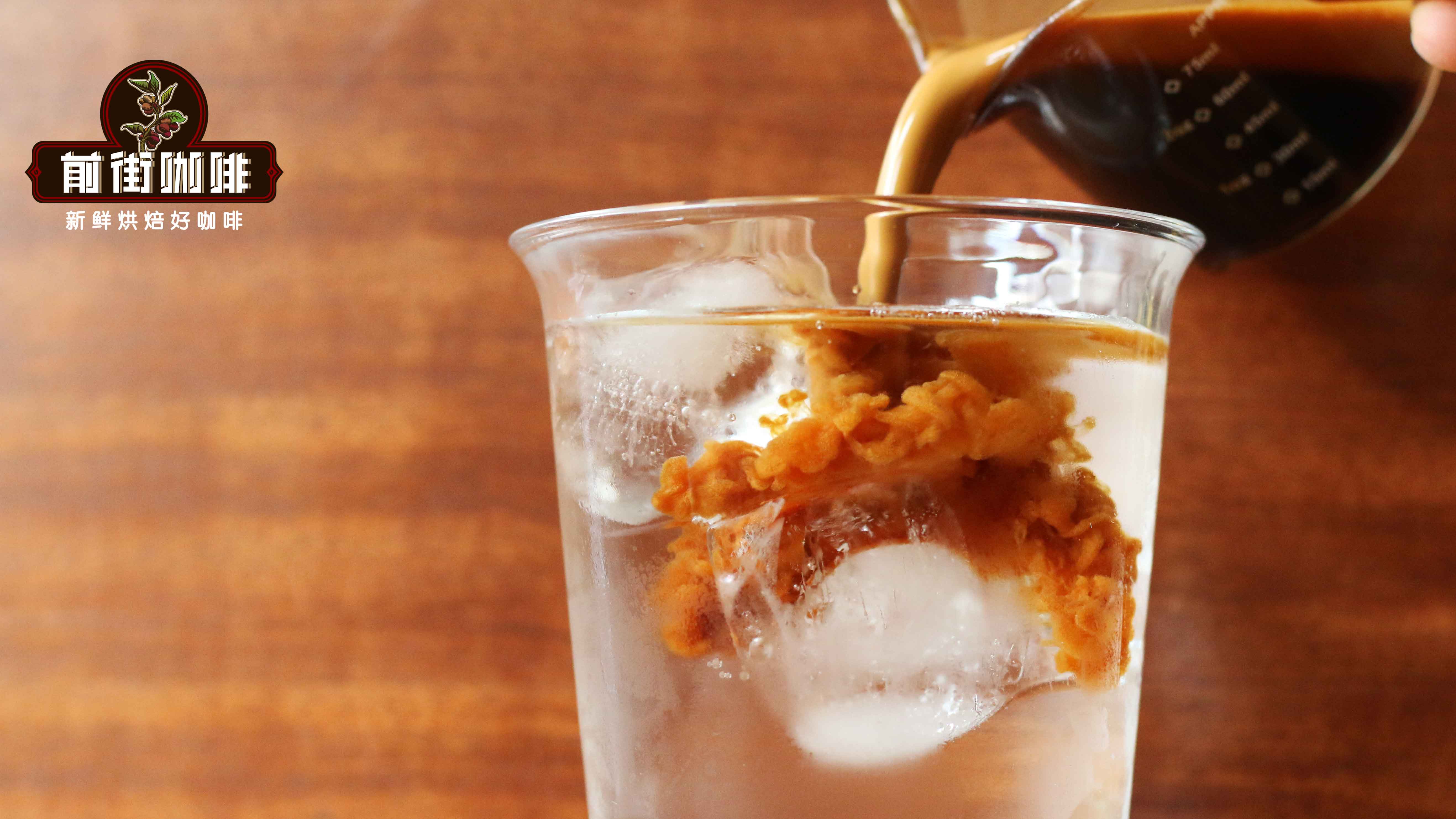
Making Americano on ice is relatively simple and quick. Typically, espresso is brewed using an espresso machine, then mixed with cold water or ice cubes to adjust the concentration and temperature. A common recipe uses about 20 grams of coffee grounds, extracted at a 1:2 coffee-to-water ratio over 25 to 33 seconds to yield approximately 40 grams of espresso. This is then poured into a glass containing 90 grams of ice and 180 grams of water. After a gentle stir, it’s ready to enjoy. The resulting Americano on ice usually features pronounced notes of roasted nuts, chocolate, and caramel, with a rich, smooth, and creamy mouthfeel—perfect for those who enjoy bold flavors but prefer a cool drinking experience.
Pour over on ice is based on the traditional pour over method, but with adjusted parameters to achieve a higher concentration and extraction rate of hot coffee, which is then cooled and diluted with ice cubes. For medium-light roasted beans, it’s recommended to use 15 grams of coffee grounds with 150 grams of 92°C hot water, and pre-place about 75 grams of ice in the server. Use a medium-fine grind (about 83% passing through a #20 sieve, such as EK43s setting 9 or C40 setting 22), paired with a Hario V60 filter cone and a three-pour technique. The first pour involves a slow, fine stream of 3 ml/s for 30 grams of hot water used for blooming over 30 seconds, followed by the second pour of 60 grams, and the third pour of the remaining 60 grams. The total extraction time should be controlled between 1 minute 50 seconds and 2 minutes, highlighting the coffee’s layered flavors and bright acidity.
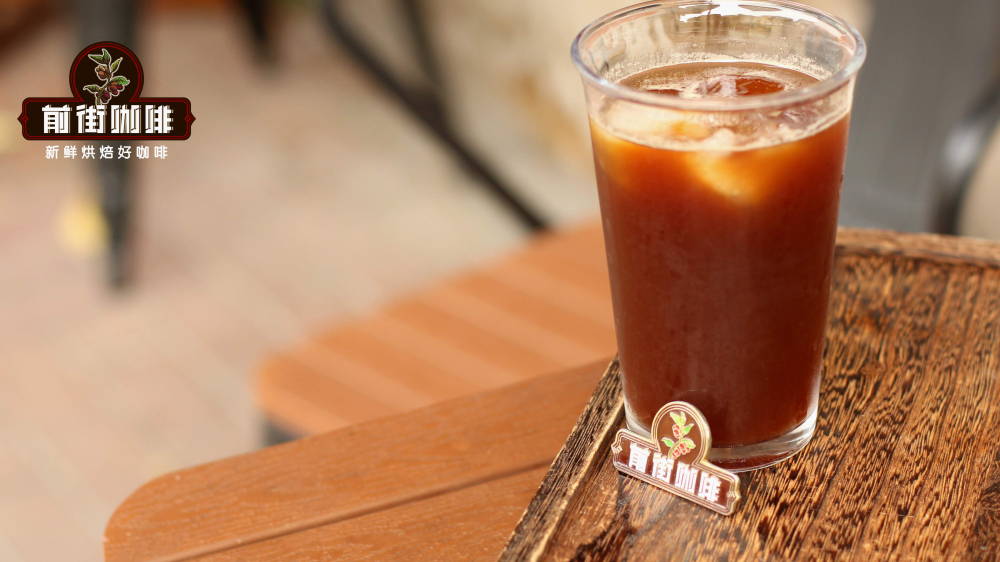
Cold brew operates on a completely different extraction logic, using cold water to steep coffee grounds over an extended period, allowing flavor compounds to slowly release. It is generally recommended to use a container with about 1 liter capacity, adding 60 grams of coffee ground to the fineness of caster sugar (approximately 80% passing through a #20 sieve), along with 600 grams of cold water. Stir well, seal, and refrigerate for 8 to 12 hours. After steeping, stir the mixture and filter out the grounds to obtain a cup of cold brew with balanced flavors, noticeable sweetness, and low bitterness. The coffee liquid produced this way is slightly less clear than that from pour over, but offers a thicker and smoother mouthfeel.
Ice drip is considered an advanced version of cold brew. Its principle involves melting ice water dripping drop by drop through a bed of coffee grounds, extracting flavors extremely slowly. This method usually takes a longer time—around 6 to 8 hours, or even more. A typical flow rate recommendation is 7 drops per 10 seconds, adjustable according to personal taste. Use about 60 grams of coffee grounds at a 1:10 coffee-to-water ratio. For home brewing, a lower concentration ratio such as 1:12 to 1:14 can also be considered. Place filter paper above the coffee bed to prevent powder leakage. The upper chamber is filled with an ice-water mixture (roughly a 1:1 ratio of ice to water), eventually yielding about 600 grams of coffee liquid. Due to the prolonged extraction time, ice drip coffee often carries distinct fermentation-like flavors, such as winey or dried fruit aromas, with a rich and layered mouthfeel. However, improper handling may also lead to over-extraction and unwanted off-flavors.
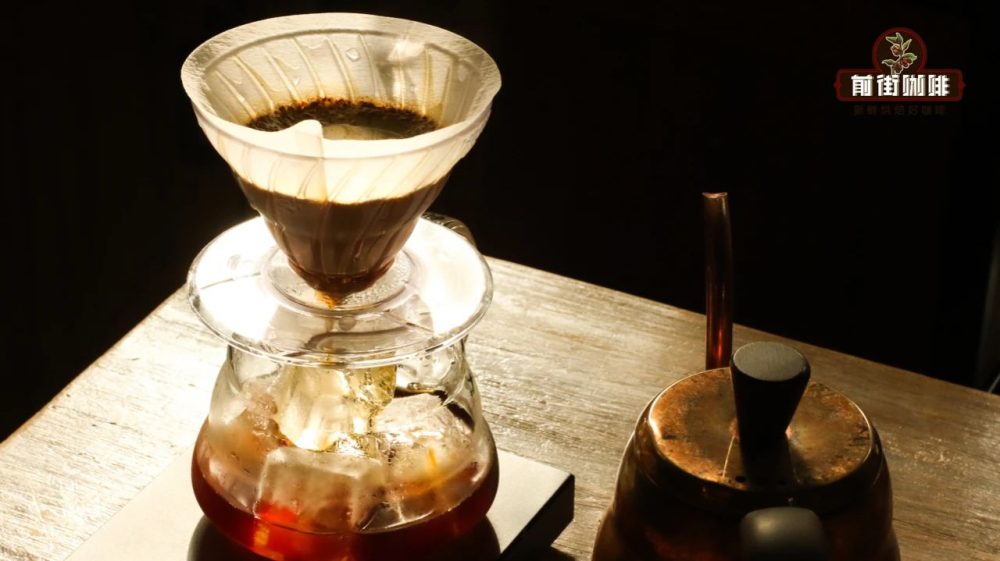
In terms of preparation time, Americano on ice and pour over on ice are significantly faster, usually completed within just a few minutes, making them ideal for everyday quick brewing. On the other hand, cold brew and ice drip require much longer waiting periods—cold brew typically needs 8 to 12 hours of refrigeration, while ice drip takes around 6 to 8 hours of dripping time. It’s advisable to plan ahead.
When it comes to home brewing convenience, pour over on ice and cold brew have relatively modest equipment requirements. Pour over on ice only needs a pour over kettle, filter cone, and filter paper, while cold brew only requires a sealed container—making it more beginner-friendly for those already accustomed to pour over. In contrast, Americano on ice requires an espresso machine, and ice drip requires a specialized ice drip tower or a homemade dripping setup. These pieces of equipment are more expensive and take up more space, making them better suited for users with a deep interest in coffee or those seeking ultimate flavor experiences.
Regarding flavor and mouthfeel, although the brewing method influences the final flavor presentation, the inherent flavor characteristics of the coffee beans remain the decisive factor. Generally speaking, Americano on ice, being a diluted hot extraction, tends to have a refreshing but simpler flavor profile with slightly lower clarity. Pour over on ice, due to high-concentration hot extraction followed by cooling, offers clear flavors, bright acidity, and a transparent liquid appearance. Cold brew significantly reduces bitterness, highlights sweetness, and provides a thick, smooth mouthfeel—ideal for those who prefer low-acidity and full-bodied flavors. Ice drip coffee often carries unique fermentation-like flavors, such as winey or dried fruit notes, with a rich and complex texture. When done correctly, it can exhibit exceptional layers of flavor, though poor control may easily result in over-extracted off-tastes.
The above content is compiled by CoffeeHunters, a coffee news website.


