








Introduction:From espresso to various specialty coffee drinks, do you really understand the differences between them? This article delves into the recipe ratios, brewing essentials, and historical backgrounds of flat white, americano, latte, cappuccino, mocha, and long black, helping you grasp the unique characteristics and flavor profiles of each coffee style, while clarifying common misconceptions to enhance your coffee discernment and tasting experience.
Walking into a café, the dazzling array of coffee options can often leave newcomers feeling overwhelmed. This article will systematically introduce the recipe differences and brewing key points of common espresso-based drinks, including flat white, americano, latte, cappuccino, mocha, and long black — covering everything from historical background, proportion composition to practical operation details — to help you build a clear understanding of coffee. Whether you prefer rich milky flavors or refreshing black coffee, you’ll be able to find the right choice.
Starting with the espresso machine
Modern popular espresso drinks such as latte, cappuccino, espresso, americano, mocha, and the recently emerged flat white all rely on high-pressure extraction by an espresso machine. In 1901, Luigi Bezzera invented the first steam-driven espresso machine, and by the 1940s, Achille Gaggia improved the design by adding a high-pressure extraction system, allowing coffee to be brewed under nine atmospheres of pressure through extremely fine coffee grounds to produce espresso rich in crema — laying the foundation for modern espresso.

Espresso
Espresso is the soul base of all specialty coffee drinks. By placing extremely fine coffee grounds under high pressure and near-boiling water (about 90–96°C), a small amount of about 30ml of concentrated liquid is extracted in a short time, offering a strong, thick mouthfeel with concentrated and vivid sour, sweet, and bitter flavors. It is recommended to try it without sugar or milk for the first time to fully appreciate its original aroma and layers.
Americano
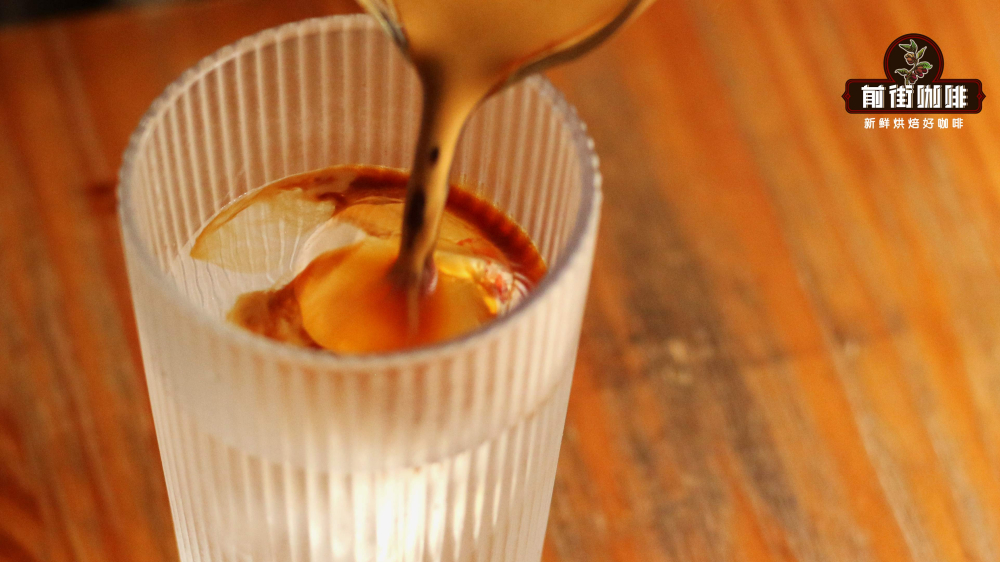
The americano is one of the most common types of black coffee, made by diluting espresso with water. It is suitable for consumers who prefer a lighter taste or need a caffeine boost. Legend has it that this drinking method originated during World War II when American soldiers adjusted the intense flavor of European espresso. Generally, the coffee-to-water ratio for hot americano is about 1:6 to 1:8. In practice, using 20g of coffee grounds to extract 40g of espresso, then adding 240g of hot water gives a 1:6 ratio. Iced americano is prepared at a 1:7 ratio, resulting in a crisper taste.

Latte
Latte means “milk” in Italian and essentially consists of espresso combined with a large amount of milk. Both hot and iced lattes are very popular, with hot lattes often featuring beautiful latte art. The ratio of espresso to milk in a latte is quite flexible, generally ranging from 1:5 to 1:8, with a common ratio being 1:6 — for example, 40g of espresso with 240g of milk. When making it, it's important to maintain the steamed milk temperature between 55–65°C, with the milk foam being fine and of moderate thickness, and latte art may be added optionally. Iced lattes replace the water in iced americano with milk to create a chilled version.
Mocha
Mocha combines espresso, milk, and chocolate elements, making it a top choice for those who enjoy sweet and aromatic flavors. A hot mocha typically involves mixing 15g of chocolate syrup with espresso, then pouring in hot milk and finishing with latte art, topped with cocoa powder for added aroma. An iced mocha uses iced americano as its base, flavored with chocolate syrup to deliver a rich sweetness.
Flat White / 小白咖啡
Flat White, also known as 澳白 or 平白, originated in Australia and is an upgraded version of the hot latte with more espresso. Its defining feature is the use of ristretto (a restricted extraction of the middle-to-front portion of the shot), reducing the total volume of coffee liquid and lowering the proportion of milk and the thickness of the foam to create a more intense coffee flavor. Flat White is usually served in a smaller cup, with a milk-to-coffee ratio of about 1:5, and the milk foam is fine and thin, resulting in a more balanced and focused overall taste. In practice, around 20g of coffee grounds are used to extract about 30g of ristretto, paired with 150ml of hot milk, delivering a rich yet smooth milky coffee flavor.

Cappuccino
The traditional cappuccino consists of espresso, milk, and thick foam in a classic 1:1:1 ratio, though modern versions have been adjusted. Its key lies in the dense foam and smaller cup size, with the final coffee liquid appearing 11/10 full. Cappuccino places emphasis on the texture of the milk foam and the blending technique, offering a layered experience of coffee, milk, and foam in a single sip.
What’s the difference between Long Black and Americano?
Both long black and americano are made by combining espresso with water, but long black typically uses less water — about a 1:3 ratio — and the hot water is poured first, followed by the espresso, preserving the crema for a richer and more layered flavor. In contrast, americano is usually diluted at a 1:5 to 1:8 ratio, resulting in a relatively lighter taste.

How to brew a high-quality espresso?
Many specialty coffee drinks are based on espresso, so the quality of the extraction is crucial. Ideal espresso should use freshly roasted coffee beans, preferably within 4 to 7 days post-roast, to achieve the best flavor expression. The grind size, dosage, tamping pressure, water temperature, and extraction time also need to be precisely controlled to produce a balanced and layered espresso shot. Additionally, stable water quality and machine maintenance are essential details that should not be overlooked.
The above content is compiled by CoffeeHunters, a coffee news website.


