







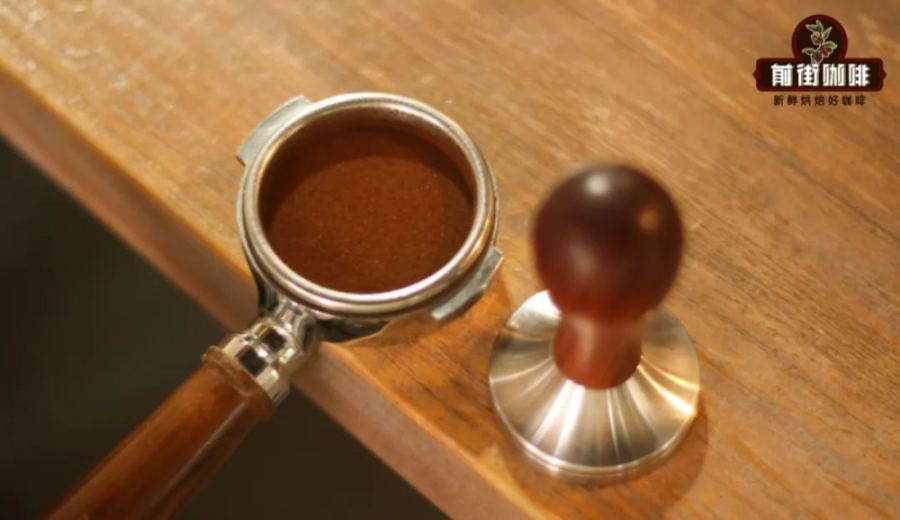
Introduction:Tamping may seem like merely compressing coffee grounds, but it is a crucial step that affects the quality of espresso extraction. How much pressure should be applied for different grind sizes? What changes do light tamping and heavy tamping bring? This article explores the actual impact of tamping pressure through a comparative experiment using fine and coarse grinds, and provides practical tips on distribution and tamping to help you master this seemingly simple yet highly technical step.
In the process of making espresso, the tamping step may appear straightforward, yet it often sparks considerable discussion. Some baristas gently rotate the tamper, applying only minimal pressure, while others put all their strength into packing the coffee as tightly as possible. So, how much force should be used when tamping? Does the grind size affect your tamping strategy? Below, we delve into the effects of tamping pressure through a comparative experiment with fine and coarse grinds, and offer useful references.
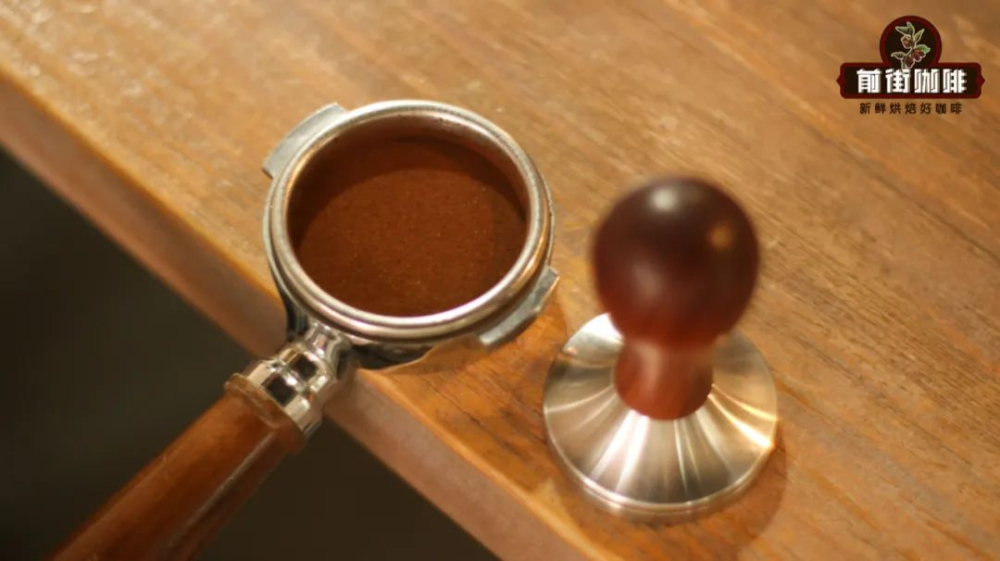
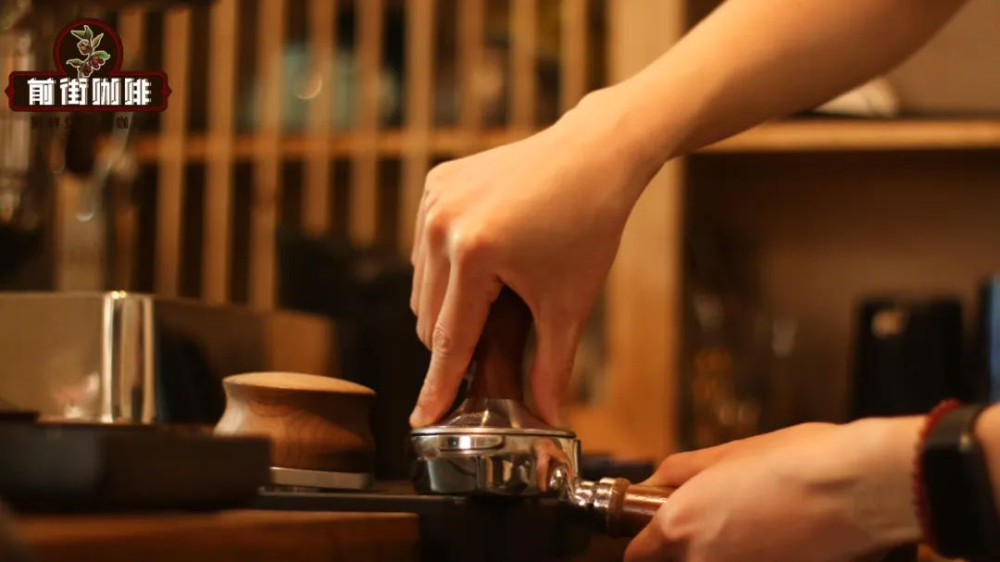
Observing professional baristas tamp, each has their own unique style and understanding. However, almost all agree that the surface of the coffee bed must be level; otherwise, it may lead to uneven water flow, creating what’s known as “channeling,” resulting in inconsistent extraction and significantly diminished flavor. The real point of contention lies in: how much pressure is just right when tamping?
Currently, there are mainly two schools of thought: one believes that simply compacting the puck and ensuring a level surface is sufficient, typically applying light pressure and a slight twist, with concise and smooth movements. They argue that even if tamped harder, the difference has limited impact on final flow rate and extraction under high-pressure conditions. The other insists on tamping with extreme force, even using all their might, believing only this ensures a dense puck and thus stable extraction flow.
But the question remains: how much force should be used when tamping? We designed an experiment using fine grind (scale 1.5) and coarse grind (scale 2.5) coffee, conducting comparisons at 1.5 kilograms (approximately the commonly recommended pressure) and close to 9 kilograms (maximum effort) for each grind size. We recorded the time required to extract 40 milliliters of liquid to observe the actual impact of tamping pressure.
Experiment Setup:We used a classic espresso blend from a certain brand, composed of beans from Brazil, Indonesia, and Vietnam, roasted dark with excellent crema performance, suitable for making Americanos or milk-based drinks. The grinder used was a Galileo Q18, with a fixed dose of 20 grams and a target yield of 40 milliliters. The fine grind setting was 1.5, and the coarse grind setting was 2.5. In the experiment, 1.5 kilograms of pressure represented the generally recommended value, while maximum tamping was achieved using additional tools to reach about 9 kilograms.
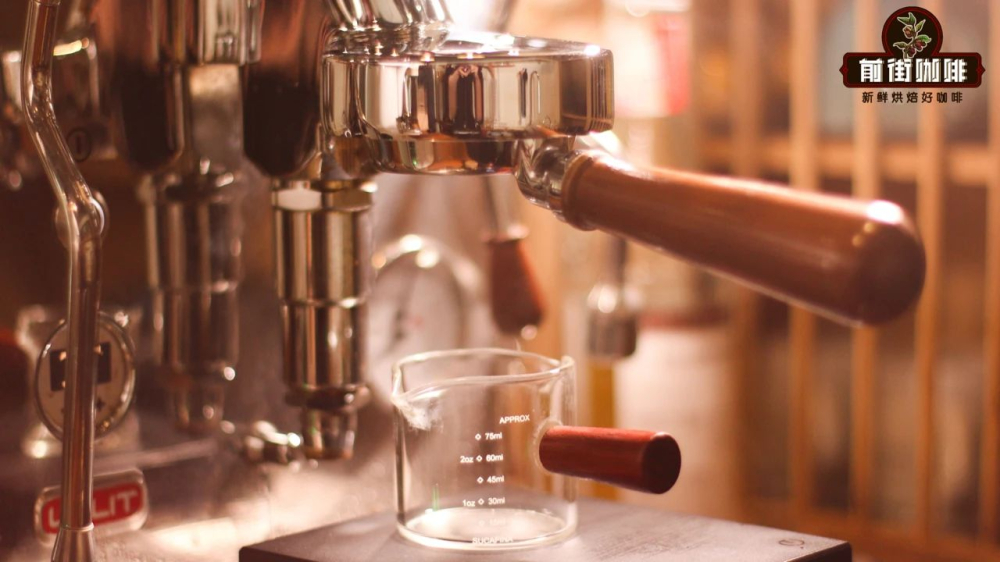
The first comparison was done with fine grind (scale 1.5). After distribution, tamping was performed at 1.5 kilograms and at maximum force. The results showed that the puck tamped at 1.5 kilograms took approximately 30 seconds to extract 40 milliliters, while the one tamped at maximum force took about 33 seconds. Repeated experiments yielded consistent results, proving that fine grind is very sensitive to changes in tamping pressure—just a few kilograms of pressure difference can affect extraction time.
Next, we observed the situation with coarse grind (scale 2.5). Similarly, after distribution, tamping was done at 1.5 kilograms and at maximum force, with extraction times for 40 milliliters consistently around 20 seconds. Even using extreme force did not further extend the extraction time, indicating that the puck at coarse grind reached a sufficiently compact state at 1.5 kilograms of pressure, and further increasing pressure had limited impact on flow rate.
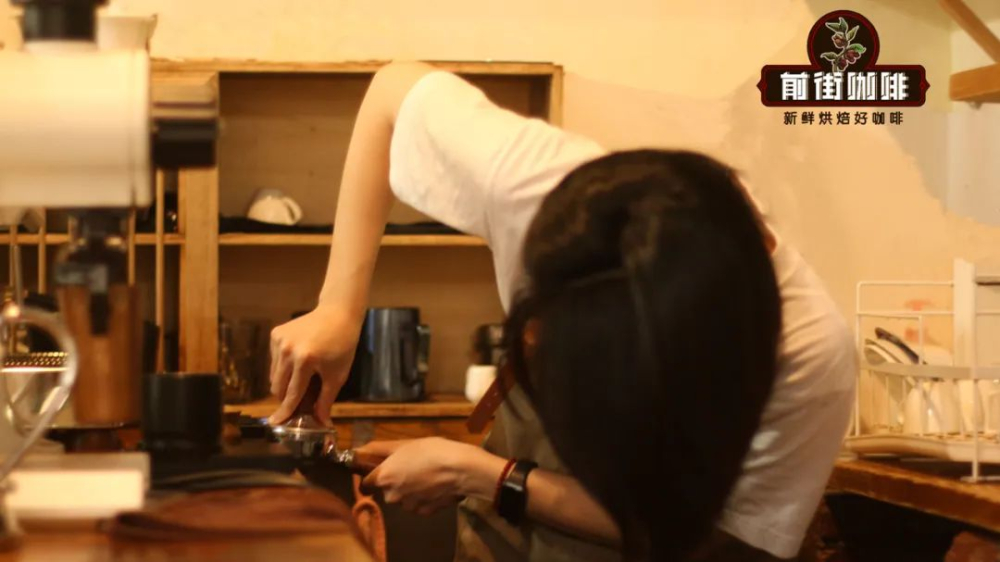
Combining the experimental results, we can conclude: the particle size and density of coffee grounds directly influence the amount of pressure needed for the puck to reach ideal compaction. Fine grind particles are small with less space between them; insufficient tamping pressure means the puck structure cannot effectively resist high-pressure water flow, leading to fast or uneven extraction. Therefore, for fine grind, it is recommended to moderately increase tamping pressure—for example, slightly raising the usual 1.5 kilograms to around 2 kilograms—to more effectively ensure a dense puck, thereby stabilizing extraction flow and flavor expression.
Conversely, coarse grind particles are larger with wider gaps between them; even at just 1.5 kilograms of pressure, the puck can achieve sufficient compaction. In this case, increasing pressure offers limited improvement in extraction, so there’s no need to deliberately pursue extreme force.
In summary, the tamping pressure should be adjusted according to grind size: the finer the grind, the more appropriate it is to moderately increase tamping pressure to ensure puck density; for coarser grinds, the generally recommended pressure is usually sufficient, and excessive pressure brings no noticeable benefit. Mastering this technique will help you control extraction more precisely, yielding more balanced and flavorful espresso.
The above content is compiled by CoffeeHunters, a coffee news website.


