







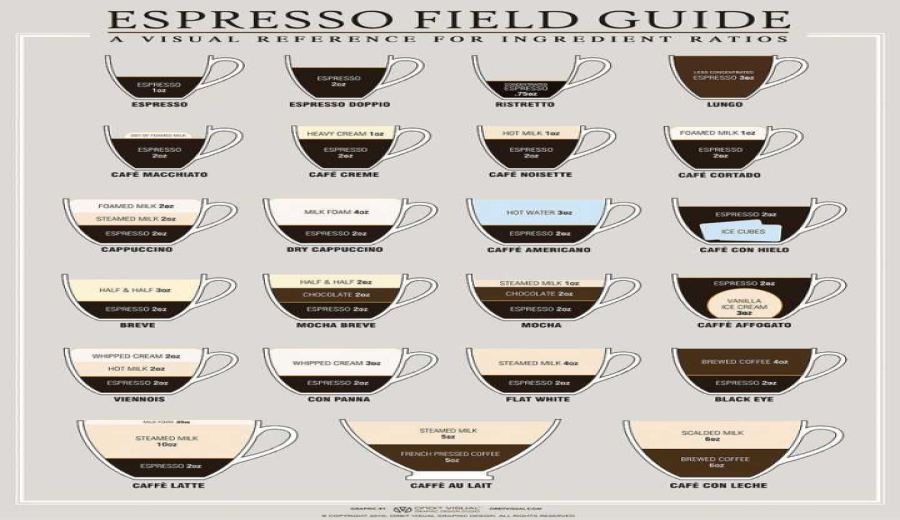
Introduction:When faced with various espresso-based drinks like lattes, cappuccinos, and mochas, do you often find yourself puzzled by their compositions and differences? The key lies in the golden ratios between espresso and milk, water, or other ingredients. This article, through illustrations and detailed explanations, will guide you through the foundational logic of each classic espresso drink — from the extraction principles of espresso to the unique flavors of variations like white coffee and macchiato. It also includes practical brewing parameters and blend information to help you master the ratios and recreate or choose your favorite coffee flavors.
Though the names on an espresso menu — such as latte, cappuccino, mocha, americano, and macchiato — may seem complex, the main differences among these drinks primarily come from the proportions of espresso to milk (or other ingredients like water, cream, or chocolate). This article will clearly break down the basic components of common espresso drinks using charts, covering everything from the high-pressure extraction principles of espresso and the use of moka pots to the specific ingredient combinations and flavor profiles of drinks like lattes, cappuccinos, con panna, mochas, and white coffee, helping you uncover their secrets all at once. Additionally, we’ve compiled actual brewing parameters and blend information for common drinks like espresso, americano, latte, and cappuccino, so you can achieve greater accuracy both in ratios and execution.
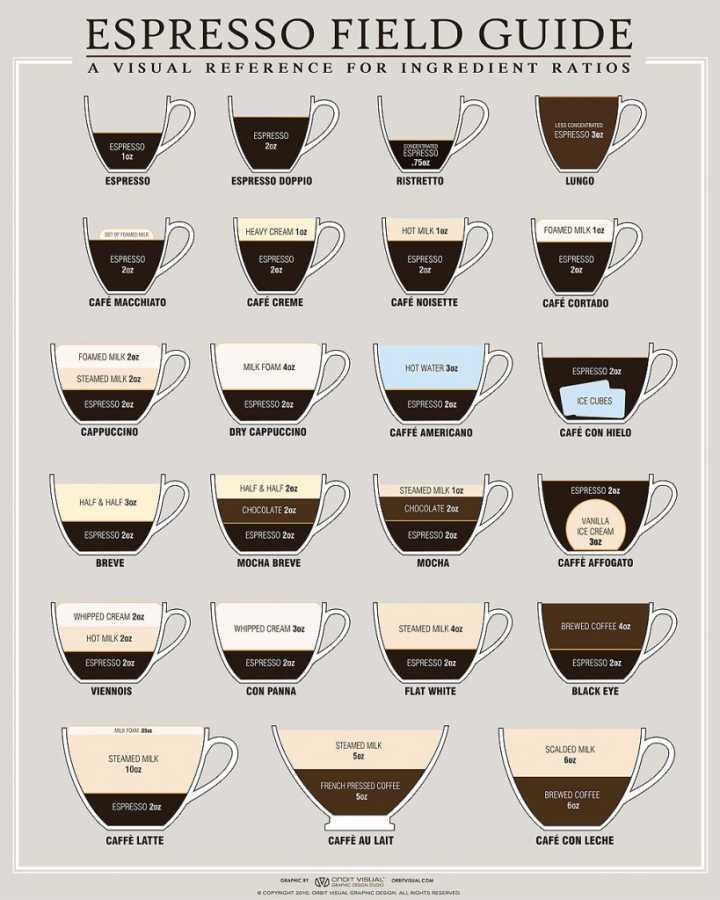
When ordering daily, names like latte, cappuccino, mocha, americano, and espresso can be overwhelming. In reality, their biggest difference lies in the ratio of milk to coffee. Below, we’ll use visuals to clarify the ingredient proportions and composition logic of these common espresso drinks, making ordering or homemade brewing much easier.
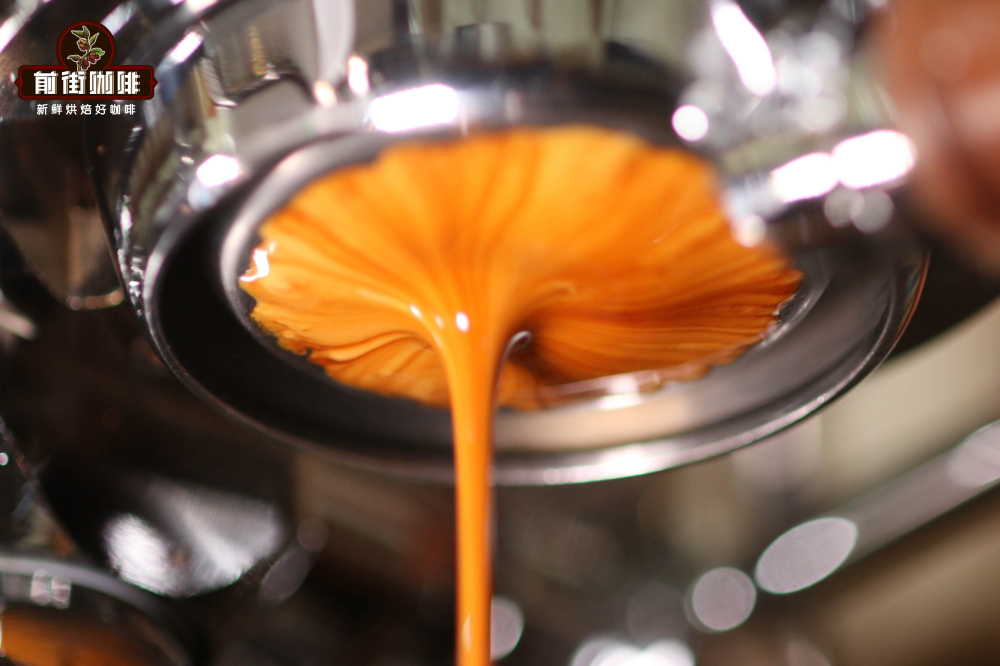
Espresso can be considered the foundation of espresso-based coffee. It is made by forcing hot water under about 9 atmospheres of pressure through a tightly packed bed of coffee grounds, extracting a highly concentrated, aromatic, and richly flavored black coffee liquid. This extraction method gives espresso a distinct bitterness, caramel notes, and a thick mouthfeel. If you want to try making espresso-style coffee at home, many people opt for using an Italian-made moka pot. This tool also uses steam pressure for extraction, where pressurized hot water quickly passes through finely ground coffee, releasing intense aroma and strong flavors while forming a seductive layer of coffee crema on the surface — one of the enchanting aspects of moka pot coffee. In addition to single shots of espresso, there are also double espressos (Espresso Doppio, where “doppio” means “double” in Italian), which offer an even more intense flavor.
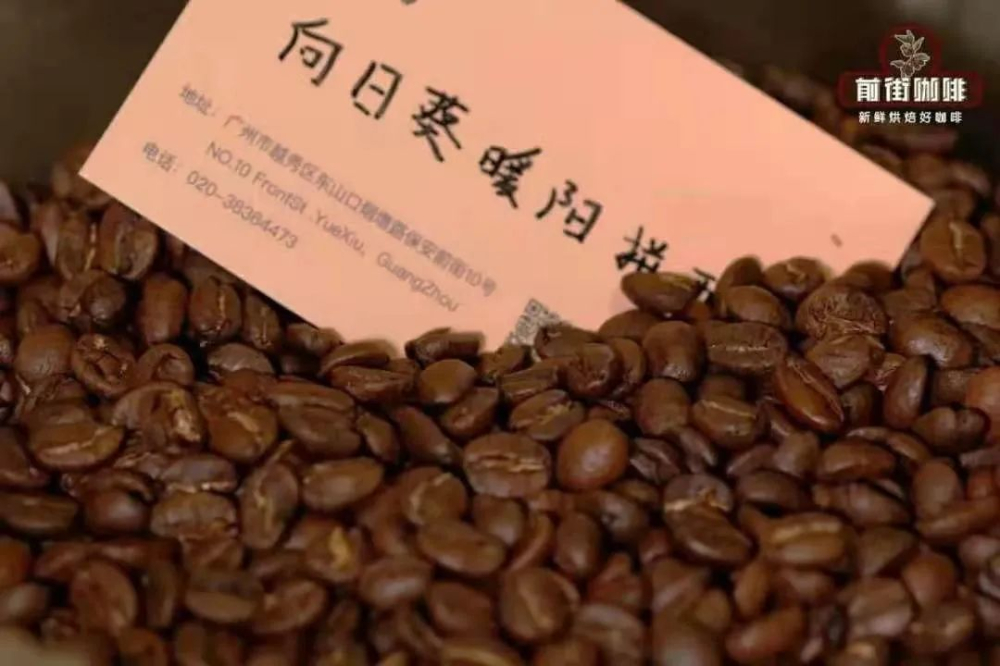
For making espresso, we used the self-blended “Sunflower Warm Sun” coffee beans — 20 grams of coffee grounds were used to extract 40 grams of espresso in 28 seconds. This shot of espresso carries aromas akin to vanilla cream, and upon tasting, reveals layers of sherry wine, dark chocolate, and caramel.
Americano is made by diluting espresso with hot water, resulting in a overall flavor that is milder than pure espresso but still retains its core aromas and flavor characteristics. Compared to drip-brewed americanos, those based on espresso offer a more layered taste and aroma. There is no fixed ratio for americanos, which are often adjusted based on the characteristics of the coffee beans and cup size. For example, at our shop, we use the same “Sunflower Warm Sun” blend, adding 40 grams of espresso to 180 grams of hot water, achieving a golden ratio of 1:4.5 to bring out the delicate flavors of sherry, vanilla, cream, chocolate, and berries. As for iced americano, it is recommended to use 100 grams of large ice cubes along with 120 grams of water, with an overall ratio of approximately 1:2.5:3, resulting in a refreshing, sweet-and-sour taste with moderate strength.
White coffee originated in Ipoh, Perak, Malaysia, and is also commonly referred to as Ipoh white coffee. It is usually made with Malaysian local coffee beans mixed with non-dairy creamer or condensed milk, offering a flavor similar to a latte but distinct from regular commercial black coffee. Common black coffee is often subjected to high-temperature carbon roasting, resulting in burnt, bitter, sour, and carbonized flavors; whereas Malaysian white coffee is roasted at low temperatures without added caramel, resulting in relatively lower caffeine content and the preservation of more of the coffee bean’s natural aroma and rich mouthfeel. It tastes smoother, sweeter, and is gentler on the stomach. It’s worth noting that in the U.S. market, “white coffee” sometimes also refers to lightly roasted coffee beans, which have more pronounced acidity and typically require espresso-style brewing to showcase their characteristics.
The latte (Caffe Latte) only gradually gained popularity outside of Italy in the 1980s. Its original name means “coffee with milk,” and common transliterations include latte, nǎitè (那提), or fresh milk coffee. The word "latte" comes from both Italian and French, both meaning “milk.” Generally, a latte consists of one-third espresso and two-thirds hot fresh milk, usually without additional foam. Compared to cappuccinos, lattes have a more prominent milky flavor and a smoother texture. They can also be adjusted to a double shot (double espresso) for a stronger taste. Additionally, the French concept of “Café au Lait” is similar, but it typically uses a larger cup size and is based on drip coffee.
Taking our shop’s latte as an example, the standard serving size is 250 milliliters, using 40 grams of espresso and adding about 210 milliliters of hot milk with a small amount of foam. During preparation, the milk is heated and frothed into a thin, fluid microfoam, which is then evenly combined with the coffee to present a balanced flavor with a rich milky aroma.
The cappuccino was originally a common breakfast coffee choice for Italians, characterized by espresso topped with steamed milk foam. Its name is said to originate from the resemblance of the foam’s shape on the coffee’s surface to the cloak worn by Capuchin monks. The standard recipe is a 1:1:1 ratio of espresso, steamed milk, and foam, with the foam layer usually about 2.5 centimeters thick. This can often lead to the first couple of sips being just foam, followed by an overly strong and bitter finish. Therefore, many baristas adjust the ratio — for instance, using a 200-milliliter straight-sided cup, 40 grams of double espresso, and 150 grams of frothed fresh milk to create a more balanced taste and flavor profile.
Espresso Con Panna is a simple yet highly layered coffee, consisting of espresso topped with a spoonful of whipped cream. The cream floats on the surface of the coffee and can be enjoyed directly without stirring. Its sweet, creamy flavor perfectly tempers the intensity and bitterness of the espresso, making it ideal for those who enjoy the contrast between creaminess and coffee.
The mocha (Cafe Mocha) is a classic combination of chocolate and coffee. In Italian, “Moca” or “Mocha” refers to chocolate, so mocha coffee can be understood as “chocolate coffee.” It combines rich coffee, creamy milk, and sweet, indulgent chocolate to create a flavor profile that is both indulgent and appealing. In addition, there’s the “white mocha” (White Cafe Mocha), which replaces chocolate with white chocolate, or the “zebra mocha” (Zebra Mocha or Tuxedo Mocha), which blends two types of chocolate syrup, offering even more choices for those who love sweetness and variety.

The Viennese coffee (Viennese) is a classic beverage from Austria, said to have been invented by a carriage driver named Einshu Berna, also known as the “single-horse carriage.” This coffee is made by adding whipped cream and chocolate syrup to an americano, creating a distinctive drink that balances richness with sweet layers.
Finally, the macchiato, which means “spotted” or “marked” in Italian, is a coffee based on espresso with just two large spoonfuls of fine, velvety foam added. It allows the drinker to enjoy both the intense flavor of espresso and the smoothness of the foam, making it an excellent choice that sits between espresso and cappuccino.
The above content is compiled by CoffeeHunters, a coffee news website.


