








Introduction:The flavor of pour-over coffee doesn’t solely depend on whether the beans are freshly ground. Factors such as how long the coffee has been stored after roasting, how well the degassing period is managed, and adjusting water temperature and grind size based on the beans’ current state are what truly influence the final taste. This article uses real-life examples to explore—through roast date, water temperature selection, blooming time, and pouring parameters—how small adjustments can bring out the most captivating layers of flavor in every cup of pour-over.
Many people think the key to good pour-over coffee lies in using freshly ground beans. But in fact, there are many elements that affect a cup’s flavor, including how long it’s been since the beans were roasted, whether it has had sufficient time to degas, and adjusting the brewing water temperature and grind coarseness according to the beans’ current condition. These details directly impact the aroma, acidity-sweetness balance, and body you experience.
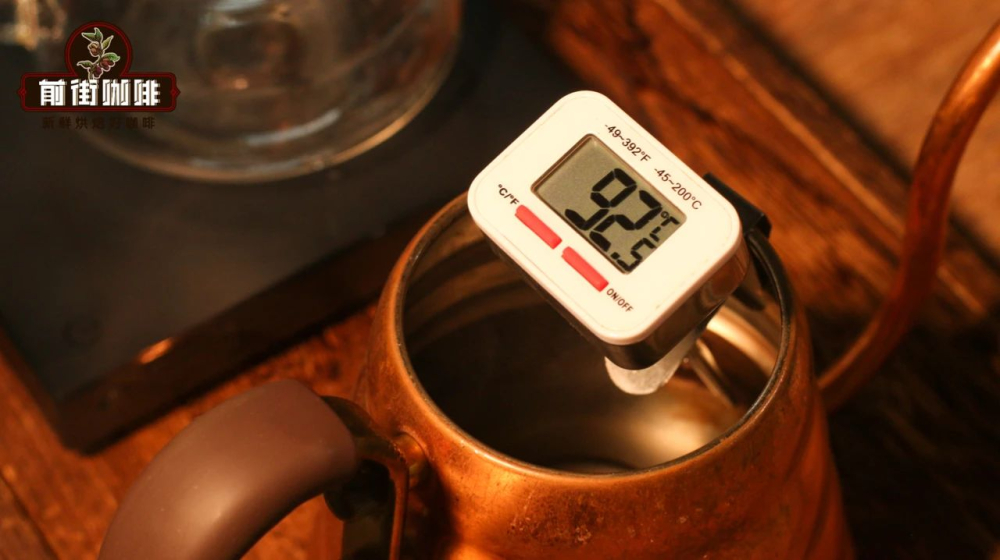
Take a Geisha from Panama’s Janson Estate as an example. We conducted pour-over experiments with beans just past their degassing period and others stored for two months. By gradually lowering the water temperature from 92°C to 88°C, and adjusting blooming time and grind size for the older beans, we could clearly observe the significant impact freshness has on flavor. It also proved that even if beans have been stored for a while, proper adjustments can still yield satisfying fruitiness and a refreshing profile.

It’s a common misconception that “freshly ground” equals “fresh.” In reality, the moment coffee is roasted, it begins a phase of flavor transformation. Whether buying online or in-store, it’s recommended to choose products with clear roast dates and to avoid beans roasted more than 50 days ago, as by then most volatile aromas have noticeably faded.
However, that doesn’t mean the sooner you brew after roasting, the better. During the first one or two days after roasting, beans are still releasing carbon dioxide in what’s called the “degassing phase.” At this stage, the aroma isn’t stable yet, and the unique regional characteristics are hard to express. That’s why it’s generally advised to wait 3 to 4 days of aging before brewing pour-over, in order to enjoy a fuller aroma and more layered flavors.
Throughout the roasting and storage process, this coffee brand insists on roasting only the amount needed to avoid excess inventory, and aims to highlight each origin’s unique flavor profile through roasting—for instance, Yirgacheffe should showcase bright citrus and floral notes, not a single-note dark roast. This roasting philosophy ensures that every customer can enjoy the truest expression of each coffee within its optimal flavor window.
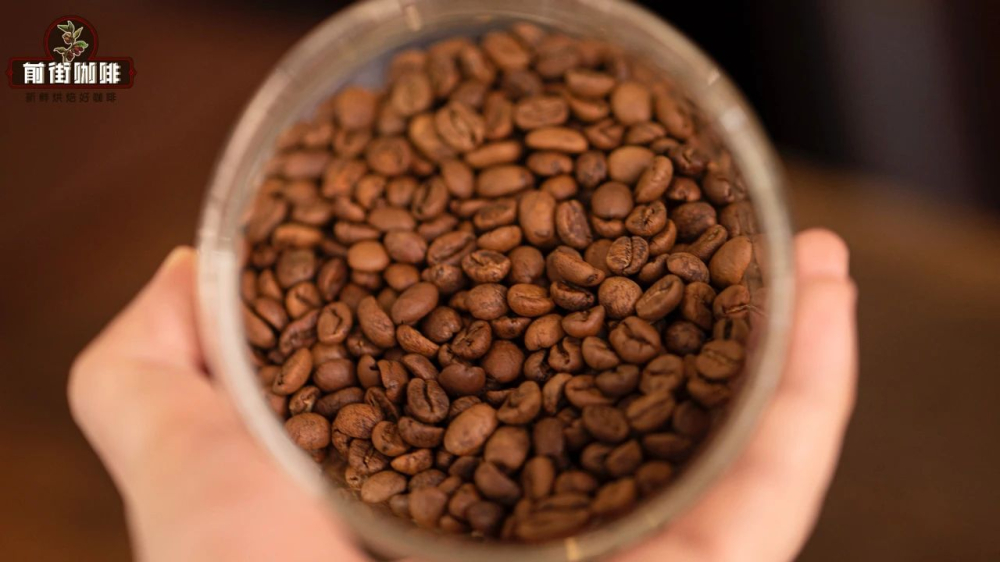
For this experiment, we selected a Geisha from Panama’s Volcán region at 1,750 meters altitude, grown at the Janson Estate and processed using the natural method. It’s a light roast, and its flavor profile should prominently feature floral notes, citrus acidity, fruitiness like grape and peach, along with tea-like qualities and maple sweetness.
The two batches of beans used in the experiment were: one roasted on May 27th and stored for about two months, with degassing nearly complete; the other roasted on July 21st and only aged seven days, just entering its optimal flavor window. Both are light roasts, but their conditions differ significantly—making them ideal for comparing the impact of freshness on pour-over flavor.
For the experiment parameters, we used a V60 dripper, fixed at 15 grams of coffee, a 1:15 coffee-to-water ratio, and a grind size where approximately 80% of particles pass through a standard #20 sieve. Three water temperatures were tested: 92°C, 90°C, and 88°C. Each brew took about 2 minutes total (including a 30-second bloom). Here’s a summary of the actual brewing results:
[Janson Geisha Just Past Degassing Period]
92°C:Flavor profile highlights pronounced sweetness with fermentation aromas. The cup opens with fruity acids like green lime, raspberry, and nectarine, paired with cocoa, cream, and caramel sweetness. The finish offers vanilla and fruity sweetness but carries a slight bitterness, with a full body.
90°C:Aromas become softer, with jasmine-like floral notes. The cup presents clear citrus, raspberry, and strawberry flavors, with sweetness derived from cream and a tea-like quality. The overall profile is well-balanced.
88°C:Acidity and sweetness are more noticeable, featuring bright notes like lemon and pomegranate, along with candy-like fruitiness. However, there’s a slight grassy note, and the finish brings a licorice-like sweetness.
Overall, 90°C provides the best balance, delivering both acidity-sweetness and aromatic complexity. It’s recommended as the go-to water temperature for this fresh batch.
[Janson Geisha Stored for Two Months]
Using 90°C water and the same parameters, the result was markedly different: while there were hints of citrus, lemon, and cocoa, they were accompanied by prominent pipe tobacco and woody off-notes, plus astringency. The overall cup felt muted, with almost no floral or fruity character.
This is because, after prolonged storage, volatile aromatic compounds like floral notes, fruit acids, and spices have largely dissipated, leaving behind mostly non-volatile flavors such as wood and nuts. Maintaining the original parameters can easily lead to over-extraction, amplifying undesirable off-flavors.
To improve the result, we first reduced the bloom time from 30 seconds to 15 seconds, keeping other factors the same. The flavor improved slightly but still carried a woody tone and mild astringency. Next, we adjusted the grind size from 80% to 72% through a standard sieve—i.e., slightly coarser—to reduce the risk of over-extraction.
Adjusted parameters: 15-second bloom, pour to 125g then pause, then continue pouring to 225g once the water level drops near exposing the coffee bed. Total brew time shortened to about 1 minute 40 seconds. Result: acidity shifted toward berry and citrus tones, with subtle floral and cocoa notes in the finish. Though some woody background remained, the overall taste became cleaner, with astringency greatly reduced.
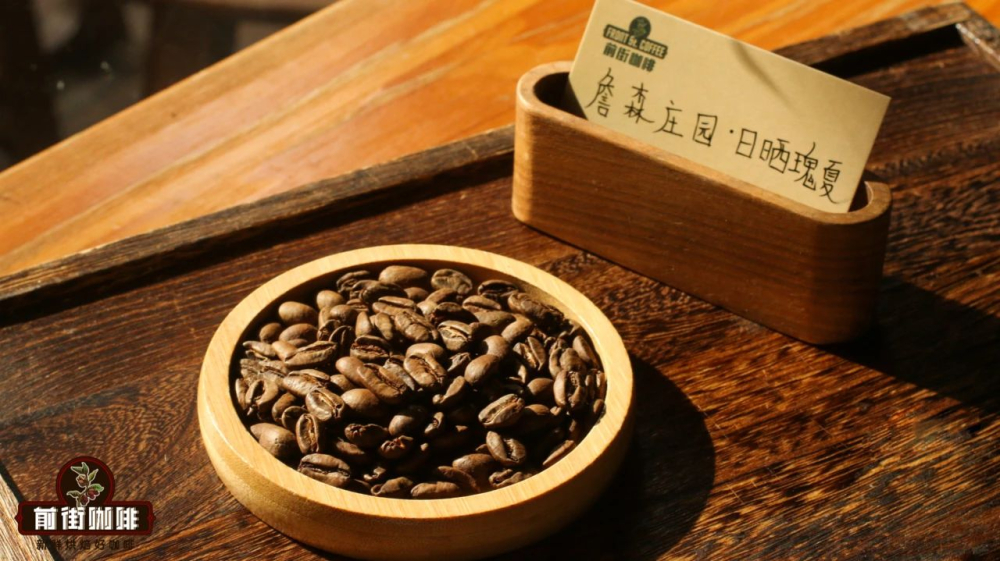
Further experimenting by lowering the water temperature to 89°C with other parameters unchanged delivered a pleasant surprise: the cup opened with bright fruit notes like citrus, green apple, berry, and nectarine, with clear cane sugar sweetness. The finish offered a gentle almond-like warmth, resulting in a more balanced and smoother overall profile.
Through this series of experiments, it’s clear that even coffee beans stored for over two months can still yield satisfying flavor profiles when you adjust blooming time, grind size, and water temperature according to their current condition. While it’s difficult to fully reclaim the expansive fruitiness of fresh beans, citrus, berry, and nut tones remain distinctly present.
In conclusion, the flavor of pour-over coffee is about much more than just “freshly ground.” From choosing the roast date, managing the aging period, to fine-tuning water temperature, blooming, and grind size based on the beans’ state—every step influences the final cup. Understanding these variables allows you to discover your own golden parameter combination in the pour-over process.
The above content is compiled by CoffeeHunters, a coffee news website.


