








Introduction:Geisha coffee has shone brightly in the specialty coffee scene in recent years, not only repeatedly fetching record-high prices at auctions but also captivating the hearts of coffee enthusiasts with its unique floral and citrus notes. This article delves into the origins of Geisha and its rise in Panama, introduces the grading and processing characteristics of renowned regions such as Hacienda Esmeralda and 90+, and offers practical pour over brewing suggestions — including grind size, water temperature, brew ratio, and three-step pouring techniques — to help you brew at home a classic Geisha cup with bright acidity and honey-like sweetness.
In the world of specialty coffee, Geisha (also often called Geisha or Artisan by some) is undoubtedly one of the most talked-about coffee varieties of the past decade. Not only has it repeatedly sold for sky-high prices at international auctions, but it has also become a dream brew for many coffee lovers thanks to its distinctive aroma and layered flavors. This article will take you on a journey to explore how Geisha emerged from its original genetic roots in Ethiopia, was brought to the world stage by Panama’s Hacienda Esmeralda, and how different regions and brands showcase their unique processing styles. We’ll also provide useful pour over parameters so you can easily master the brewing secrets of this star coffee.

Before 2004, Panama’s specialty coffee had not yet garnered widespread attention on the international market. However, in that year, a coffee variety called Geisha made a stunning debut in Panama’s cupping competitions, going on to win the championship for several consecutive years and completely rewriting Panama’s status in the global coffee scene. In fact, the genetic origins of Geisha are not from Panama but far away in Ethiopia, Africa. Research indicates that Geisha can be traced back to Gesha Mountain in the Kaffa forest in southwestern Ethiopia, an area with altitudes of around 1700 to 2100 meters and rich coffee genetic diversity. Although it possessed excellent inherent flavor potential, due to poor performance in local cultivation and strong disease resistance, it was mostly used as rootstock for breeding. It wasn’t until it found a suitable growing environment in Panama that it truly began to shine.
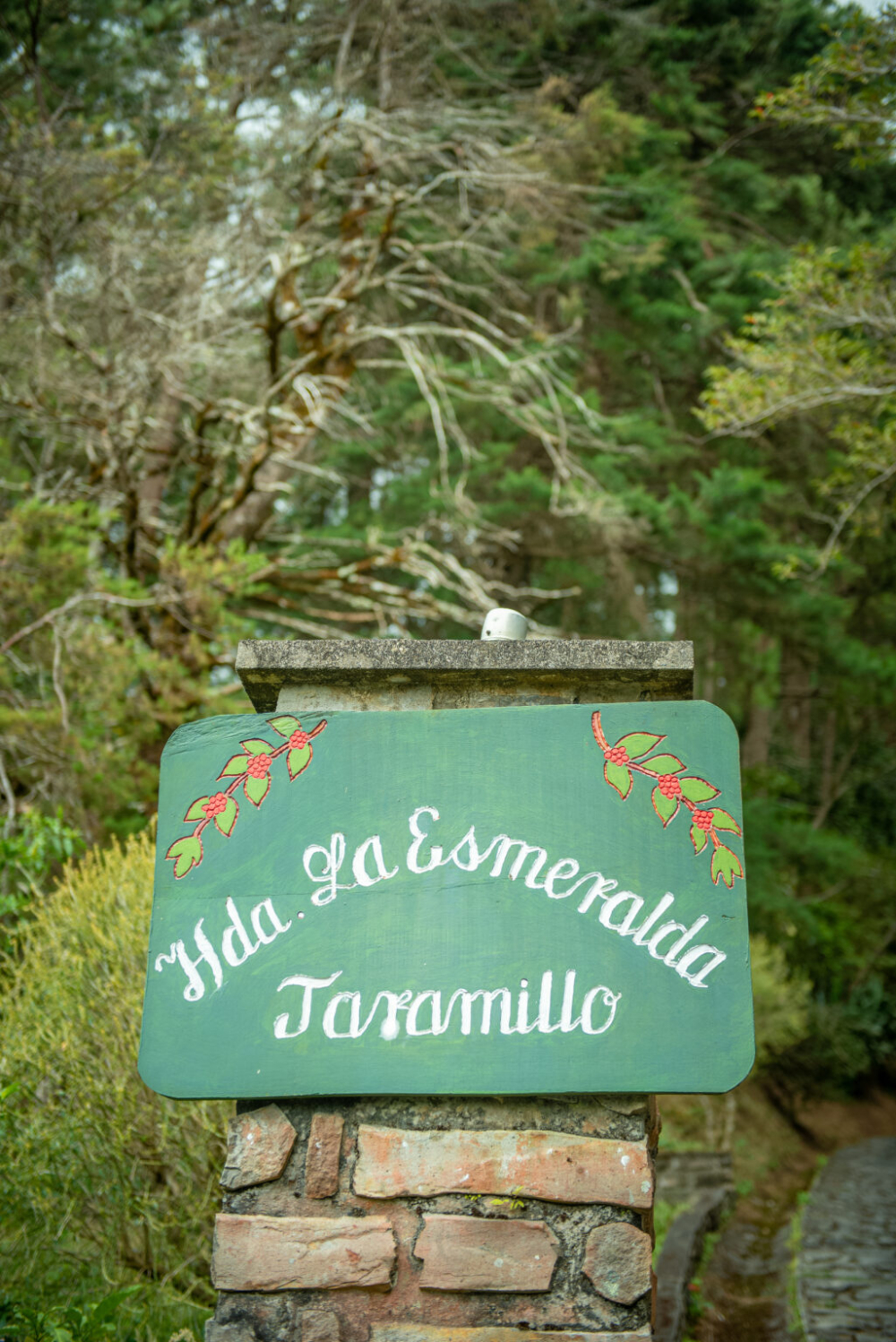
There is an interesting story behind how Geisha was discovered in Panama. In 1996, the Peterson family acquired the Jaramillo Estate — now widely known as Hacienda La Esmeralda — due to its favorable natural conditions. At that time, the coffee produced on the estate exhibited flavor profiles distinct from typical Panamanian coffee, featuring delicate citrus and floral-fruit notes, though its origin could not initially be confirmed. After cupping and comparing various coffee trees within the farm, it was eventually discovered that a group of trees originally planted as windbreaks were the key to the unique flavor. These trees were later identified as the Geisha variety and made a remarkable splash in the 2004 cupping competition, gaining widespread fame ever since.
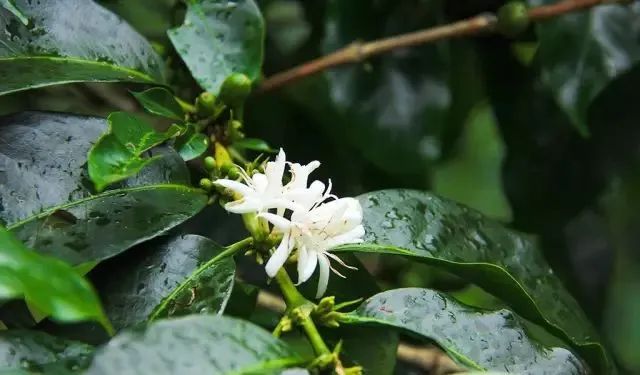
The global popularity of Geisha among coffee enthusiasts is inseparable from its unique flavor profile. Common tasting notes include rich citrus, jasmine and white floral aromas, almond and mango fruitiness, along with pronounced honey-like sweetness, all complemented by bright and dynamic acidity. This results in a cup with distinct layers and a long finish. As a result, many coffee-growing regions such as Colombia, Panama, and Ethiopia have planted the variety. However, even for the same cultivar, different terroirs can significantly influence the final flavor outcome.
To help readers better understand the diverse profiles of Geisha, we can look at two representative regions and brands: Hacienda Esmeralda and 90+ (Ninety Plus). Through years of cultivation and cupping experience, Hacienda Esmeralda found that Geisha grown at altitudes above 1400 meters yields the best quality. As a result, they developed a grading system primarily based on altitude supplemented by cupping scores, divided mainly into Red Label, Green Label, and Blue Label. Among them, Red Label Geisha is the highest grade, grown at elevations between 1600 and 1800 meters, with each lot traceable to specific plots. It not only exhibits delicate flavor profiles but is also frequently featured in international auctions — some competitive lots are even available only through global bidding platforms. Green Label Geisha does not trace specific plot details but still shares similar altitude and overall quality with Red Label, though at a more accessible price. As for Blue Label, previously a non-auction grade grown around 1500 meters, it was the most affordable option, but this grading has been gradually phased out.
Another brand that holds significant importance in the development of the Geisha variety is 90+ (Ninety Plus). Founded in 2006 in Ethiopia by Joseph Brodsky, the brand is renowned for selecting green beans with cupping scores exceeding 90, and it utilizes unique cultivation and processing methods. In 2009, 90+ established the Ninety Plus Geisha Estate in Panama, focusing on the cultivation and innovative processing of the Geisha variety. The brand excels in using experimental processing methods and gives each coffee poetic names, such as “Nekisse,” “Juliette,” “Drima Zede,” and “Danch Meng.” Each bean showcases unique regional character and processing style.
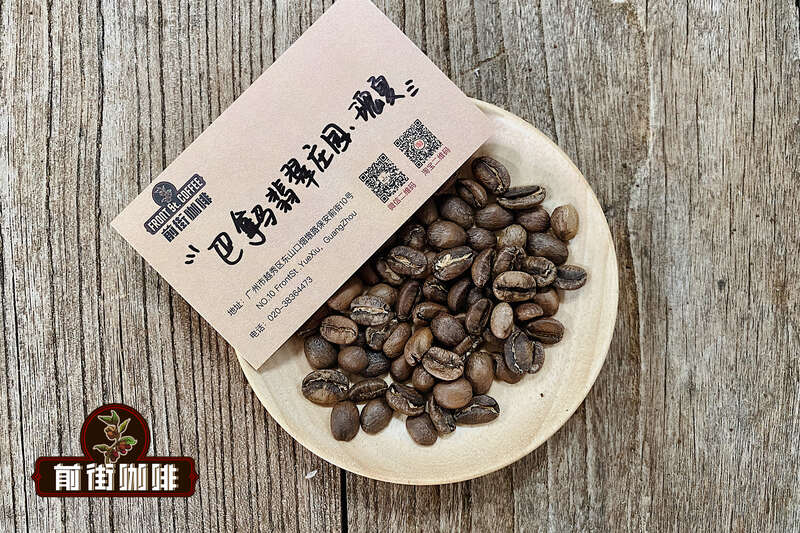
If you wish to brew the classic flavors of Geisha at home, here are some practical pour over recommendations. Since Geisha is typically grown at high altitudes, its beans are relatively hard. When brewing, care should be taken to avoid excessive clogging of the filter. It is recommended to use a grind size with about 78% extraction rate through a 20-mesh Chinese standard sieve (roughly similar to the coarseness of fine sugar). For practical purposes, you can use 15 grams of coffee, a Hario V60 small filter, and a 1:16 coffee-to-water ratio for extraction. This setup helps maintain a good extraction yield while keeping the coffee strength between 1.15% and 1.25%, which aids in highlighting the flavors clearly. The recommended water temperature is 91°C.
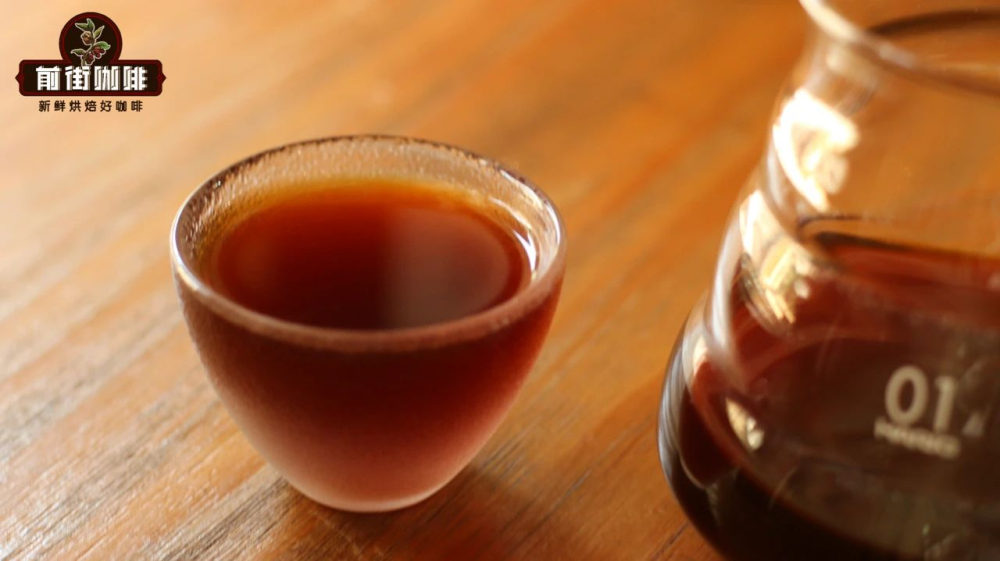
The specific brewing process can follow a three-step pouring method: First is the pre-wetting or bloom phase, where 30 grams of water are poured at the start of timing to allow a 30-second bloom. Next, in the second stage, pour water in small circles up to 125 grams. Once the water level drops to about halfway, continue pouring similarly up to 225 grams. The total brew time is ideally kept between 2 minutes 10 seconds and 2 minutes 20 seconds. With these parameters and techniques, you’ll be able to fully appreciate the delightful combination of citrus, white floral notes, subtle green tea undertones, and honey-like sweetness in your Geisha cup.
In summary, the reason Geisha coffee has become a legend in the specialty coffee world is not only due to its rare genetic background and exceptional growing conditions but also because of the continuous innovations in processing techniques and flavor expression by various regions and brands. Whether you’re trying Geisha for the first time or are already a fan of this coffee, understanding its varietal origins, grading systems, and ideal pour over parameters will allow you to more deeply savor this highland-flavored experience.
The above content is compiled by CoffeeHunters, a coffee news website.


