







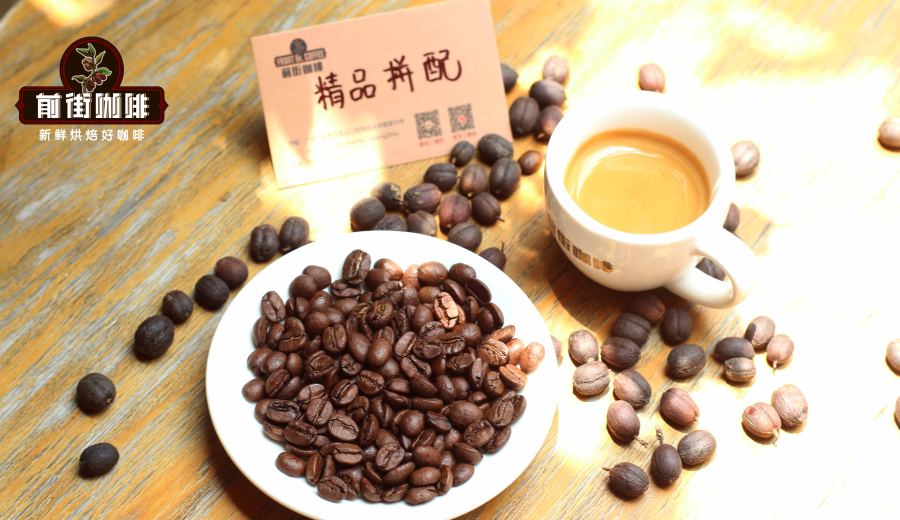
Introduction:When opening a coffee shop or beverage store, choosing the right commercial blend is key to maintaining consistent quality. This article provides an in-depth analysis of five popular commercial coffee blends on the market, including classic specialty blends, dark cocoa blends, commercial blends, classic blends, and strawberry sugar espresso blends. It details their origin sources, roast levels, flavor profiles, and practical use cases, helping professionals make suitable choices based on budget and flavor goals.
Selecting the right commercial coffee beans is the first step toward stable product output for a café. Especially for shops focusing on espresso or milk-based coffee, the stability and flavor balance of blends are particularly important. Currently, most commercial blends on the market combine beans from different origins and roast levels to achieve harmony in aroma, acidity, sweetness, and body. The following provides a detailed introduction to five popular commercial blends, covering origin ratios, roast characteristics, flavor features, and practical usage scenarios, to help coffee professionals find the most suitable blend based on their positioning and cost structure.
Specialty Blend Coffee Beans
Origin Blend: Brazil + Colombia
Roast Level: Medium-Dark Roast
Processing Method: Semi-washed / Washed
Flavor Profile: Rich and mellow, with prominent nutty notes, and enhanced sweetness when paired with milk
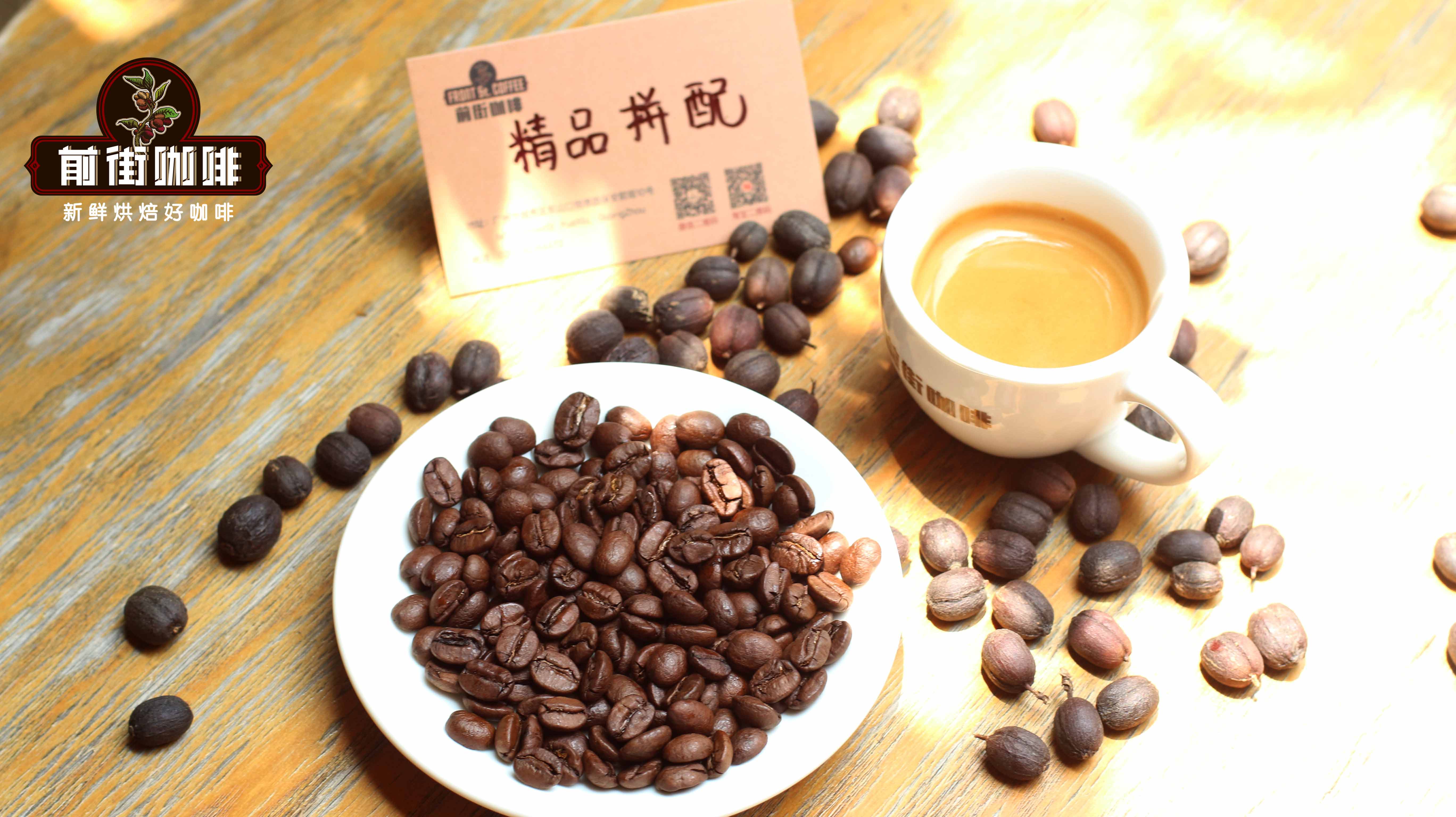
This blend has been used long-term by the shop and has been consistently employed since about six months after opening. The recipe is based on beans from Brazil and Colombia, both from the Americas, using a medium-dark roast. The original intent was to enhance nutty and sweet aromas while avoiding overly heavy roasted bitterness. At this medium-dark roast level, espresso extraction shows slight acidity and a clean sweetness, with a distinct nutty aftertaste that lingers. The overall mouthfeel is smooth and not overly harsh, with a crema of medium thickness. Additionally, this blend undergoes manual sorting before leaving the factory to ensure the lowest possible ratio of defective beans.
It’s worth noting that the key to a high-quality espresso lies in the balance of the blend. A good espresso must strike a balance between sweetness, acidity, bitterness, and aftertaste. Single-origin beans usually struggle to balance all these aspects, making proper blending essential. Blending isn’t limited to different origins—it can also involve combining beans from the same origin but roasted to different levels. Regardless of the method, the core goal is to achieve a balanced flavor in the final extraction.
Commercial Blend (with a small amount of Robusta)
Origin Ratio: Colombia + Brazil + Small Amount of Robusta
Flavor Characteristics: Prominent caramel sweetness, with nutty and dark chocolate notes, balanced acidity and sweetness, and a long-lasting aftertaste
Many industry professionals believe that authentic espresso should include a certain proportion of Robusta beans to enhance crema density and body. Even internationally renowned brands like Lavazza publicly admit to using Robusta in some products. If you’re running a general commercial coffee shop or beverage store and want to balance cost and flavor, this commercial blend with a small amount of Robusta is an ideal choice.
This blend includes beans from Colombia’s Huila region (providing pleasant acidity and aroma), Brazil’s Cerrado region (offering smooth bitterness and sweetness), plus a small amount of Robusta to boost crema performance. It’s suitable for latte art practice and daily service. Its overall flavor delivers a classic caramel sweetness, fused with nutty and dark chocolate notes, with a well-balanced acidity-sweetness ratio and a long aftertaste, making it suitable for coffee shops of all sizes.
Dark Cocoa Blend (Budget-Friendly Entry Option)
Origin: Yunnan AA + Brazil
Flavor: Gentle fruit acidity, caramel sweetness, dark chocolate and nutty notes, with a smooth and thick mouthfeel
If your shop is still in the cost-control phase or has relatively simple flavor complexity requirements, the recommended Dark Cocoa Blend is a practical and highly cost-effective option. This blend mainly uses Yunnan AA and Brazilian Cerrado beans. Yunnan beans, due to their similar geography to Colombia, offer rich aroma and moderate acidity, while Brazilian beans bring a comfortable balance of bitterness and smooth mouthfeel.
This blend is suitable for small coffee shops, bakeries, or beverage stores focused on cost control. After brewing, it shows gentle fruit acidity, rich caramel sweetness, and noticeable dark chocolate and nutty notes, with a smooth texture and excellent viscosity—ideal as a base bean for various milk coffees.
Classic Blend Coffee Beans (Balanced Multi-Flavor Profile)
Origin: Indonesian Mandheling + Brazil
Flavor: Butter, roasted hazelnut, caramel, and dark chocolate notes, with a full body, suitable for lattes and other milk coffees
For shops aiming for higher quality and more complex flavors, the Classic Blend is a great upgrade choice. This blend combines Indonesian Mandheling and Brazilian beans, which complement each other in flavor characteristics: Mandheling brings unique herbal and spicy notes, while Brazilian beans provide a smooth and sweet foundation. The result is a coffee with rich butter, roasted hazelnut, caramel, and dark chocolate flavors, and a full body, suitable for making black coffee or various milk coffees—especially lattes, which showcase exceptional smoothness and subtlety.
Strawberry Sugar Espresso Blend (Floral & Fruity-Oriented)
Flavor Characteristics: Prominent floral aroma, accompanied by rich berry notes, suitable for consumers who enjoy fruity flavors
If you’d like to offer a more floral and fruity espresso option, the Strawberry Sugar Espresso Blend is worth trying. This blend emphasizes floral and berry expressions, making it suitable for coffee shops aiming to showcase innovative flavors or attract a younger consumer demographic. Although the origin and roast details are not elaborated here, it can be expected to deliver a brighter, fresher coffee experience, ideal for pairing with light meals or as a featured single-origin offering.

The above content is compiled by CoffeeHunters, a coffee news website.


