







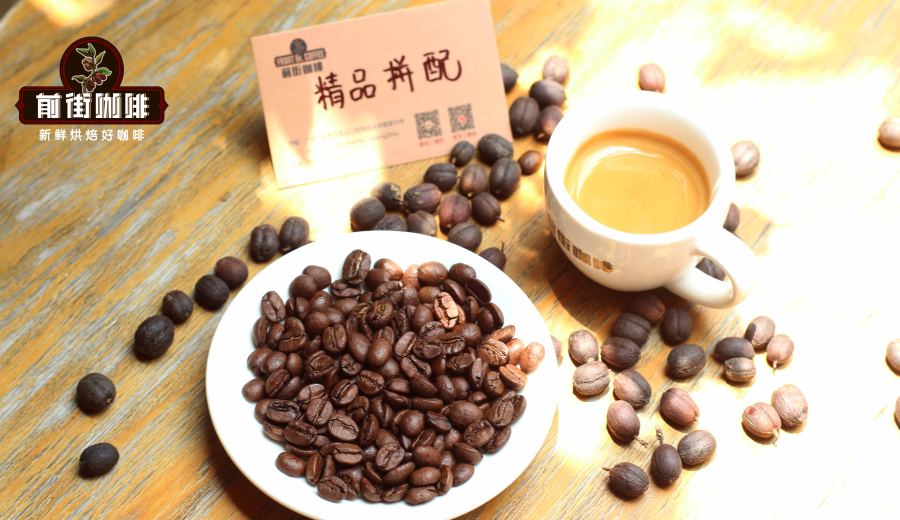
Introduction:Whether you're opening a coffee shop or running a beverage store, choosing the right commercial blend is key to ensuring consistent output and controlling costs. This article takes an in-depth look at five common types of espresso blends—covering their composition, roast levels, flavor profiles, and ideal use cases. From medium-dark roasted blends that highlight nutty sweetness, to commercial formulas with a touch of Robusta for enhanced crema, to budget-friendly options that still deliver basic quality, and even high-end blends crafted for ultimate taste and fruity-floral complexity, this guide will help you make informed decisions based on your shop’s positioning.
For coffee shop owners, selecting the right commercial coffee beans is one of the crucial factors affecting output consistency and cost control. There are various espresso blend options on the market, which not only differ in flavor expression but also significantly impact crema production, extraction performance, and overall cost efficiency. This article will detail five common types of commercial espresso blends, including medium-dark roasted blends that emphasize nuttiness and sweetness, commercial formulas with a hint of Robusta for added crema, the budget-conscious Black Cocoa blend that meets basic needs, as well as more advanced options that pursue rich textures and fruity-floral notes. These insights will assist you in making the right choices according to your actual operational needs.
Premium Blend: Medium-Dark Roast with a Dual-Origin Americas Profile
This blend primarily uses two Americas-grown coffees—Brazil and Colombia—and is roasted to a medium-dark level, with processing methods including honey and washed. The overall flavor profile leans towards richness and nuttiness, while also delivering noticeable sweetness when milk is added. The original intent of this formula is to use stable Americas beans as the base, emphasizing sweet and nutty flavors while effectively suppressing excessive bitterness. Through medium-dark roasting, it captures a hint of mild acidity and fresh sweetness in the espresso shot, with a mellow, nutty aftertaste. The crema thickness is moderate, making it suitable for most general coffee beverage preparations. Additionally, this blend undergoes manual screening to remove defective beans before roasting, ensuring batch consistency.
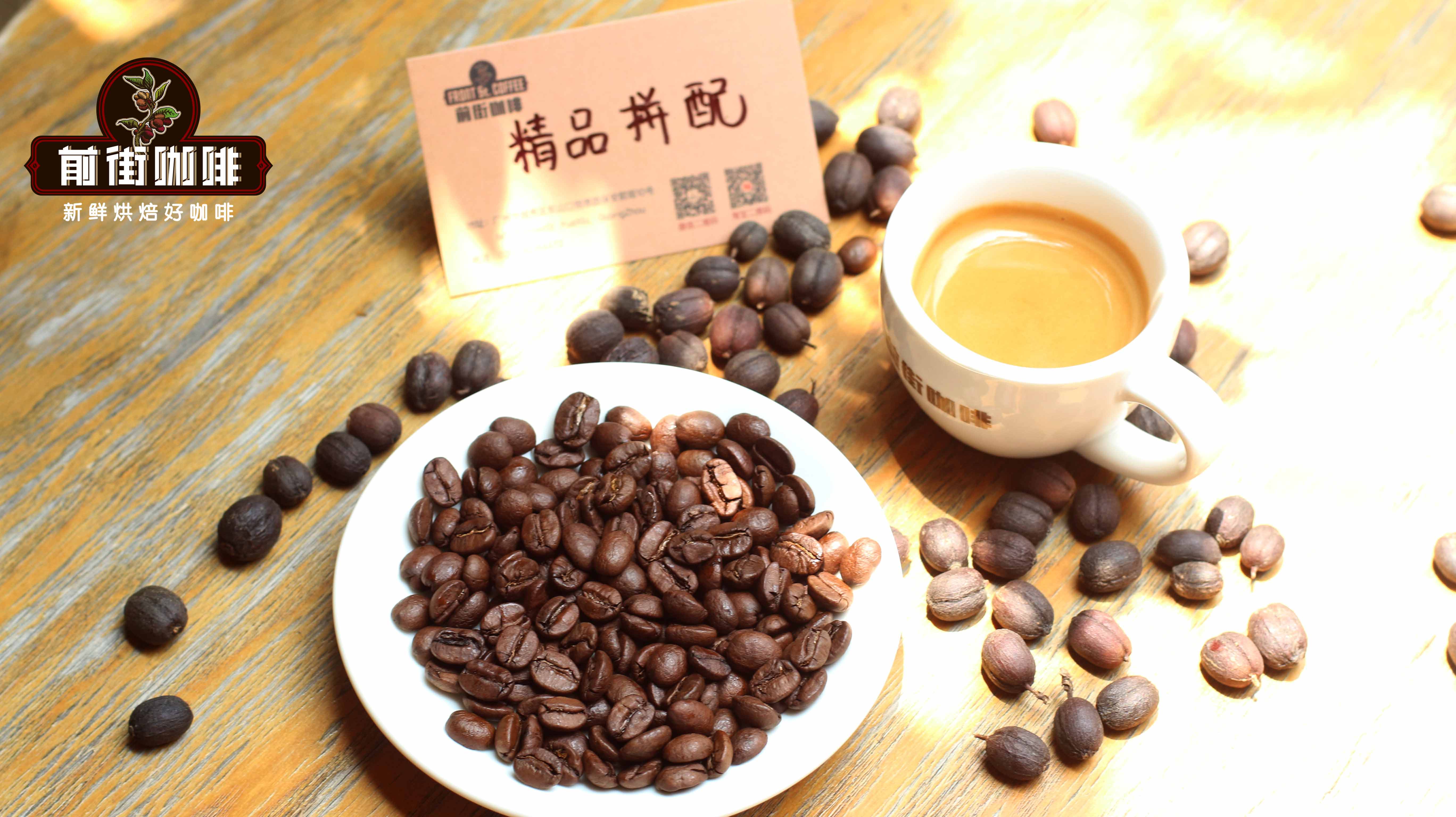
Commercial Blend: A Classic Balanced Option with a Touch of Robusta
For shops aiming to deliver a classic flavor profile along with stable crema output, a commercial blend containing a small amount of Robusta is a great option. Such blends typically combine Colombia, Brazil, and a small portion of Robusta, resulting in overall flavors of caramel sweetness, nuttiness, and dark chocolate, with balanced acidity and sweetness and a long-lasting aftertaste. Colombian beans from the Huila region contribute bright acidity and rich aroma, while Brazilian beans from the Cerrado region provide a smooth, slightly bitter foundation. The addition of Robusta significantly enhances the thickness and volume of crema, making it a practical and cost-effective choice for shops that frequently prepare latte art. This blend is versatile and suitable for everything from small independent coffee shops to large-scale chain beverage stores.
Black Cocoa Blend: Maintaining Basic Quality on a Budget
If your business environment is cost-sensitive but you don’t want to completely sacrifice basic coffee flavor, the Black Cocoa blend is a pragmatic choice. This blend mainly consists of Yunnan AA and Brazilian Cerrado beans, offering relatively mild flavors with soft fruit acidity, distinct caramel sweetness, and nutty and dark chocolate notes in the finish. The high altitude and large diurnal temperature range of the Yunnan growing region result in beans with a fuller body and uniform particle size, along with higher oil content, giving an overall texture close to that of Colombian beans. The Brazilian component provides a smooth, palatable bitter-sweet base, making it suitable for use with appliances that don’t require extreme extraction skills, such as the moka pot. It’s also well-suited for small bakeries, breakfast shops, or budget-oriented coffee stores.
Classic Blend: An Advanced Choice for Rich and Bold Flavor
For shops aiming to offer a high-quality coffee experience, the Classic blend offers a deeper level of flavor complexity. This blend combines Indonesian Mandheling and Brazilian beans, which complement each other in flavor characteristics: Mandheling brings intense spices and herbal notes, while Brazilian beans provide smooth sweetness and a full body. The result is an espresso with flavors of butter, roasted hazelnuts, caramel, and dark chocolate—rich, thick, and layered. Whether served black or with milk in drinks like lattes and cappuccinos, it delivers a refined and smooth drinking experience, making it ideal for mid-to-high-end specialty coffee shops or dining venues.
Strawberry Candy Espresso Blend: A Unique Option Highlighting Floral-Fruity Notes
If your shop aims to offer uniquely flavored coffee products, consider an espresso blend that emphasizes floral and fruity profiles. The Strawberry Candy blend is specifically designed to highlight floral and berry flavors, making it suitable for crafting specialty drinks or appealing to customers who value diverse flavor experiences. Although the full roasting and origin details are not covered here, such blends are generally light to medium roasted, emphasizing bright notes like citrus, cherry, and berries. They can add variety and conversation to a standard espresso menu.

The above content is compiled by CoffeeHunters, a coffee news website.


