







Introduction:Ethiopian Yirgacheffe coffee beans are renowned for their complex floral and fruity profiles, but the differences between their G1 and G2 grades often cause confusion. This article delves into the region’s unique dual grading system based on defect rates and cupping scores, offering a visual comparison of G1 and G2 from green bean appearance, roast performance, to brewing flavors. It also provides expert pour over parameters to help you choose the grade that best suits your taste.
As natural agricultural products, coffee beans’ flavors and quality are influenced by factors such as variety, growing environment, and processing methods. Therefore, the international market generally employs grading systems to assist green bean traders in evaluating quality and making purchasing decisions. However, grading criteria vary significantly across regions: some classify by altitude (e.g., Central and South America), others by bean size (e.g., Kenya), while Ethiopia combines defect rates and cupping results to form a unique grading system. This article focuses on the G1 and G2 grades of the Sidamo region, analyzing their classification standards, practical differences, and through comparison with Yirgacheffe, helping you understand how grades impact coffee flavor.
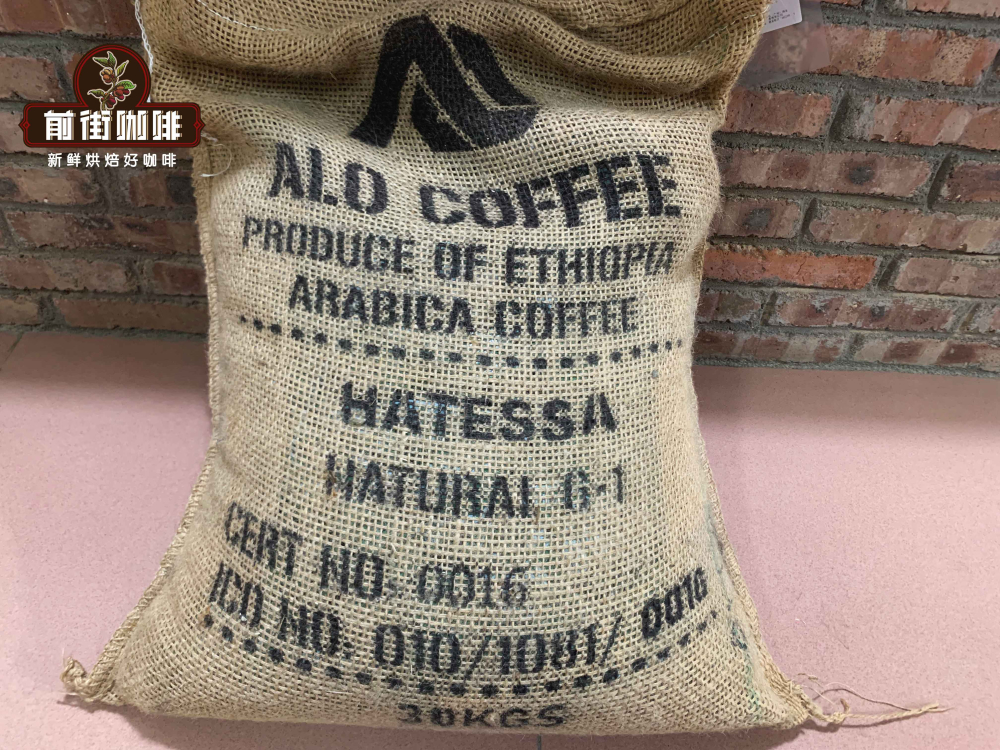
When you see “G1” or “G2” on a coffee package, these are actually quality grading terms used by exporters. However, it’s important to note that there is no globally unified coffee bean grading standard—Central and South America often classify by altitude, Kenya emphasizes bean size, while Ethiopia takes a different approach, using defect rates and sensory cupping as core indicators. These differences stem from the unique geographical environments and farming practices of each region, so understanding local grading logic is crucial for accurately selecting green beans.
Why does Ethiopia choose defect rates as the basis for grading? This dates back to the country’s unique status as the birthplace of coffee: it harbors thousands of uncategorized native varieties. To protect these precious genetic resources, the government uniformly classifies them as “Heirloom.” During actual harvesting, farmers often collect ripe cherries from fields with mixed varieties, and processing facilities also mix them directly, resulting in inconsistent bean sizes. Additionally, most Ethiopian coffee farms are located in high-altitude areas with relatively flat terrain, lacking significant altitude variations for grading. Thus, defect rate becomes the most feasible classification criterion.
However, relying solely on defect rates may misjudge beans with high flavor potential but unappealing appearances. Starting in 2009, the Ethiopian government adjusted grading rules: first classifying by defect rate, then conducting a secondary evaluation through cupping and appearance inspection to ensure the grade better reflects actual drinking performance. This “double-check” mechanism makes the distinction between G1 and G2 grades more reliable.
Take the common Yirgacheffe washed beans in Sidamo as an example—the differences between G1 and G2 are immediately visible in green bean appearance. When examining green bean samples, G1 beans appear plumper and firmer, with more uniform color; closer inspection reveals significantly fewer defects compared to G2—this is the most直观 difference. Note that some smaller beans may not necessarily have inferior flavor, but defective beans (such as insect-damaged, black-stained, or broken ones) directly impact cupping performance and are thus strictly filtered out during grading.
The differences after roasting are even more intriguing: since G1 beans are larger and more uniform, heat transfer is more stable, allowing shallow roasts to better preserve floral and fruity aromas and bright acidity. In practice, using a V60 dripper with a three-stage extraction (15g coffee, 1:15 coffee-to-water ratio, 92°C water temperature, EK43 grinder at setting 10), the G1 brew shows a slightly darker liquor color than G2, reflecting its slightly higher density. For pour over, it’s recommended to brew in three pours: the first pour adds twice the coffee weight in water (about 30ml) for a 30-second bloom, the second pour uses a thin stream to add 120ml in a wide circle, and when the water level nears the bottom, the final pour adds 75ml in a small circle, with a total extraction time of about 2 minutes and 30 seconds.
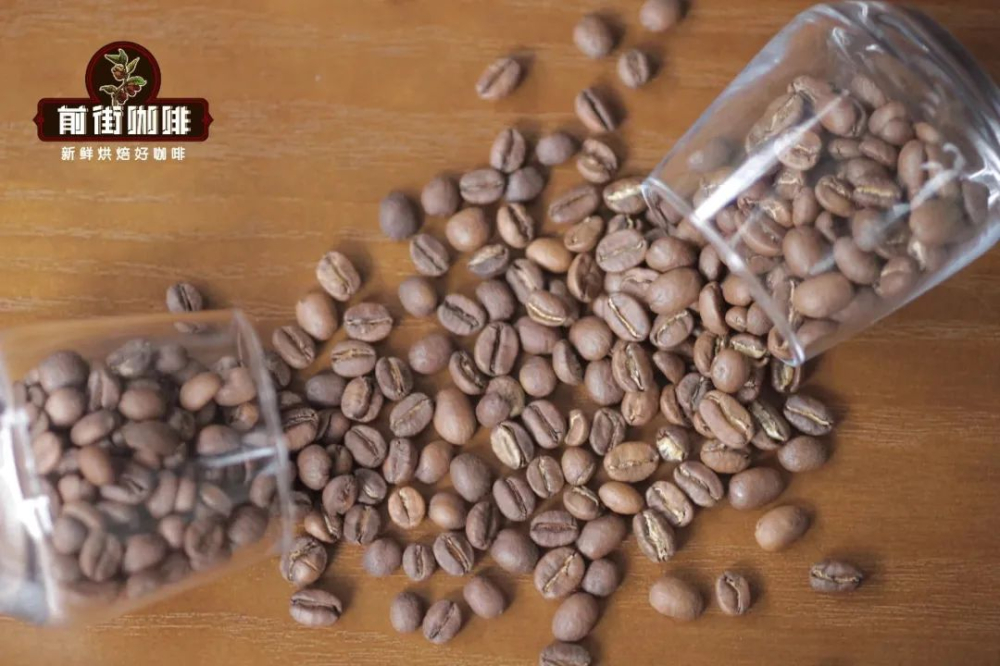
In terms of flavor profile, G2-grade Yirgacheffe showcases typical regional characteristics—crisp lemon acidity, white floral notes, and light citrus tones, with a lingering green tea-like aftertaste; whereas G1, on the same foundation, exhibits livelier and brighter acidity, a cleaner mouthfeel, and a slightly longer aftertaste. However, unless a professional cupper conducts a side-by-side comparison, the differences may be less noticeable in everyday drinking. In fact, aside from the very high-end market, most consumers rarely encounter grades below G3, so there’s no need to overly stress the subtle distinctions between G1 and G2.
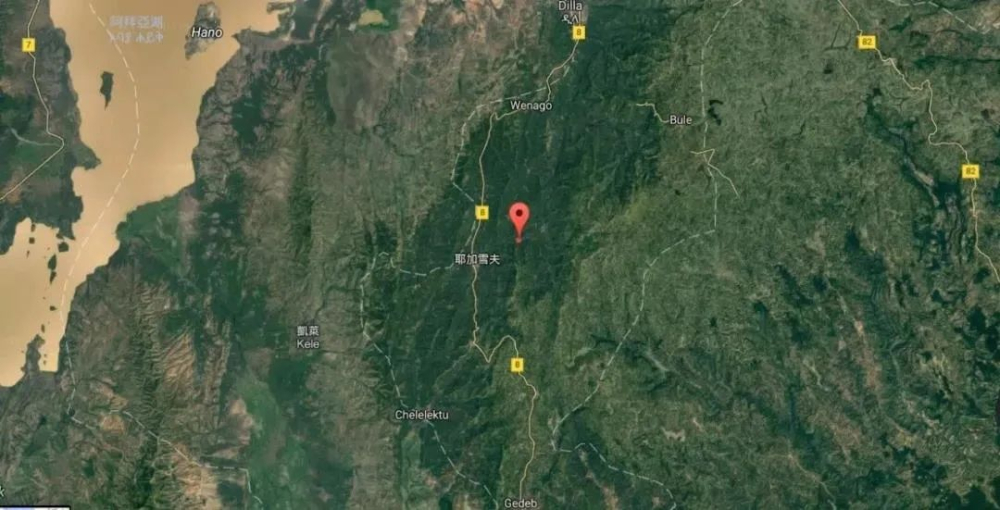
In summary, the G1 and G2 grading in Ethiopia’s Sidamo region primarily reflects the control of green bean defects and basic quality, rather than absolute flavor superiority. For consumers, choosing a reliable supplier and a region that suits your taste is more practical than solely pursuing G1 grade. Mastering pour over parameters (such as 92°C water temperature and medium-coarse grind for shallow roasts) can better highlight the unique potential of each grade, allowing you to enjoy the distinctive floral and fruity journey of Ethiopian coffee.
The above content is compiled by CoffeeHunters, a coffee news website.


