








Introduction:Want to dive deeper into the world’s most celebrated specialty coffee variety—Geisha (also known as Gesha)? This article takes you from its origins in Ethiopia’s Kaffa Forest, explores how it rose to fame in Panama, and provides a full breakdown of the differences among the three mainstream grades (Red, Green, and Blue Label) from Hacienda Esmeralda. Additionally, we offer practical pour over recommendations, including optimal water temperature, brew ratio, and a three-stage pouring process, to help you consistently extract Geisha’s captivating floral and fruity notes.
Geisha coffee can be considered a legend in the specialty coffee world, winning the hearts of coffee lovers worldwide with its unique citrus, jasmine, and bright acidity. Originally discovered in Ethiopia’s Kaffa Forest, this variety later shone brightly in Panama’s Boquete region, becoming a star in the specialty coffee market. Particularly those produced by Hacienda Esmeralda have repeatedly won international competitions, solidifying its top-tier status.
In fact, the name “Geisha” originally comes from Gesha Mountain in southern Ethiopia, at an altitude of about 1700–2100 meters. Although it had good disease resistance in its native land, it was long overlooked due to low yields and underappreciated flavors. It wasn’t until it was rediscovered in Panama that its astonishing potential was revealed. Some speculate that Panama’s unique high altitude and microclimate conditions may have allowed this variety to express entirely different flavor profiles.

The story of how Geisha rose to prominence in Panama begins with the Jaramillo Estate. Later taken over by the Peterson family—now famously known as Hacienda Esmeralda—they purchased the estate in 1996, drawn by its natural environment. However, even though the coffee produced had distinctive citrus and floral-fruity notes, no one at the time knew which variety was responsible. After cupping each batch individually, they finally discovered that the coffee trees originally planted as windbreaks were the key to the unique flavors—later identified as Geisha.
In 2004, this coffee first participated in Panama’s Best of Panama cupping competition and made a sensational debut. It went on to win year after year, propelling Geisha to international fame. Its most notable flavor characteristics include intense citrus and jasmine aromas, paired with dynamic acidity, as well as almond, mango, and honey-like sweetness, delivering a highly layered taste experience.
It’s worth mentioning that although Geisha is the same variety, its flavor profile can vary greatly depending on factors such as growing region, altitude, and processing method. For example, Geisha grown in Panama, Colombia, and Ethiopia each exhibit distinct regional characteristics.
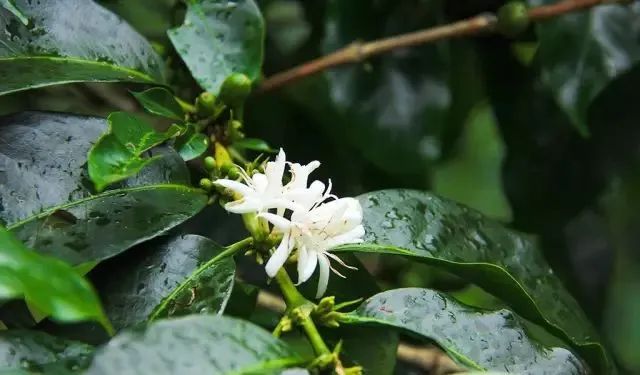
To better understand Geisha’s grade classification, you can refer to Hacienda Esmeralda’s categorization logic. They primarily use altitude as the basis, supplemented by cupping results, dividing Geisha into three grades: Red Label, Green Label, and Blue Label. Among them, Red Label is the highest grade, grown at altitudes between 1600–1800 meters, with traceable specific plot information, showcasing the purest and most delicate Panamanian Geisha flavors. Some of this grade is auction lot coffee, available only through global auctions, while non-auction lots also fall under Red Label but are sold outside of auctions.
Green Label Geisha does not trace specific plots, but its altitude and overall quality remain quite close to Red Label, with a more affordable price, while still showcasing classic Geisha characteristics. Blue Label, on the other hand, is produced at around 1500 meters altitude and was previously positioned as an entry-level option, offering a more accessible price point. However, this grade has been gradually phased out.
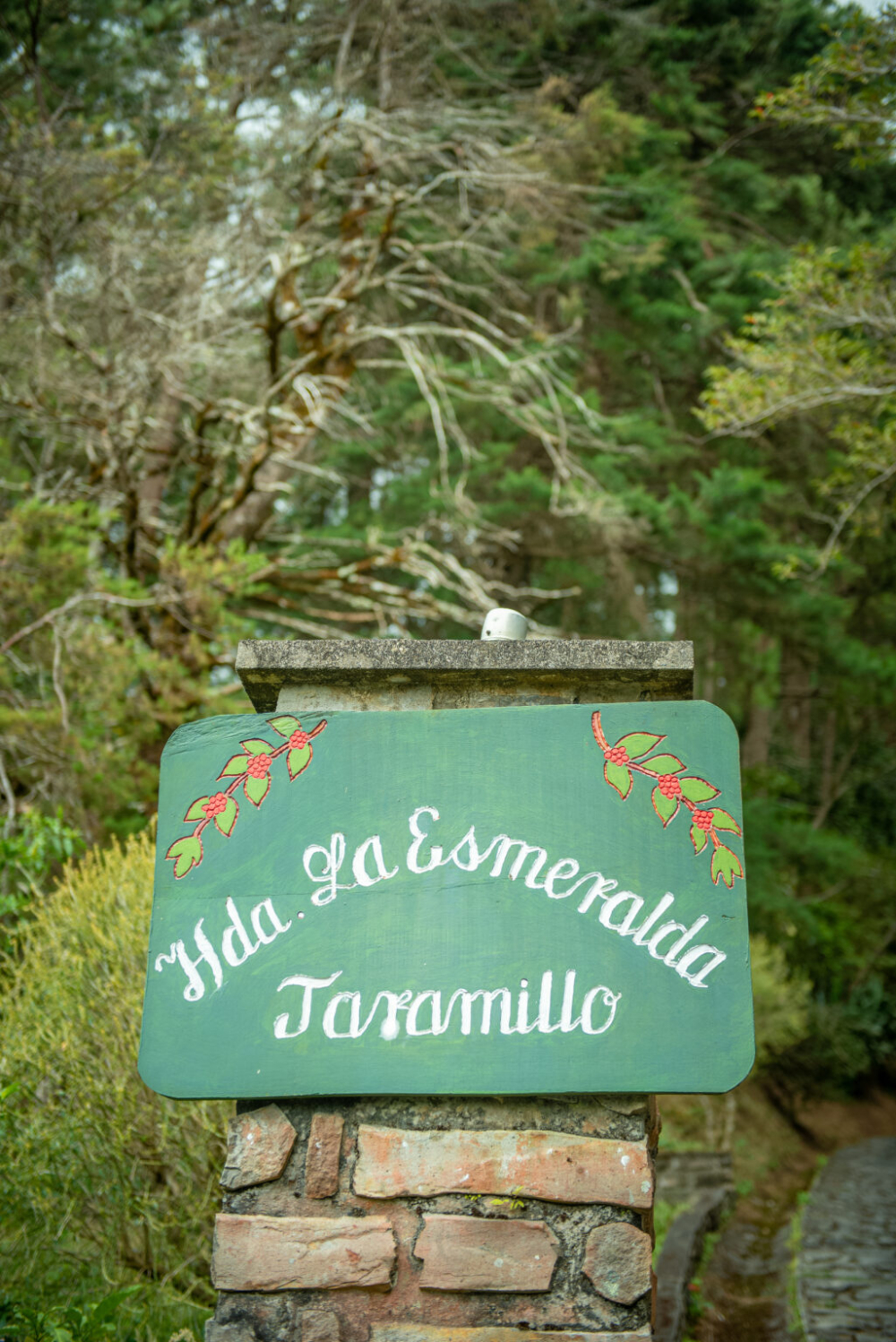
Another noteworthy brand is 90+ (Ninety Plus), an international coffee trader renowned for its high-quality green beans, all of which score above 90 points in cupping. They not only collaborate with coffee farmers across multiple countries but also own their own cultivation bases—including a dedicated Geisha plantation in Panama—where they employ various innovative processing methods to give each coffee a unique flavor personality.
The founder of 90+, Joseph Brodsky, established the company in Ethiopia in 2006 and launched its first stunning coffee in 2007. Although he couldn’t find a variety more outstanding than Geisha, he decided to further enhance its flavor potential through unique processing techniques. In 2009, he officially founded the Ninety Plus Gesha Estate in Panama and named each coffee with poetic titles, such as Nekisse and Juliette.
Here’s a real-world example: the Panamanian Ninety Plus Eleta Geisha, grown in the Volcán region at an altitude of approximately 1400–1800 meters, uses a special processing method and is of the Geisha variety. Its flavor profile often includes bergamot, sweet orange, pineapple, longan, dried fruit, and apple, showcasing rich fruitiness and sweetness.
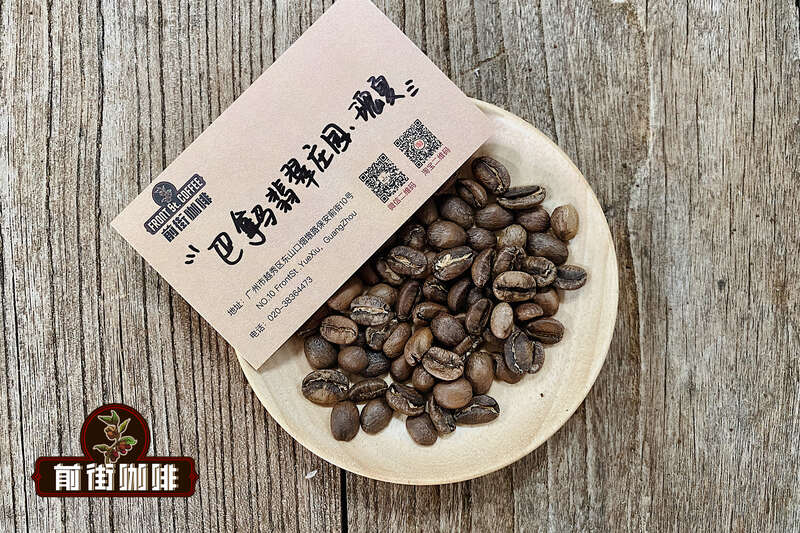
For high-altitude hard beans, which typically have pronounced acidity, it is recommended to use a higher water temperature to fully activate aromatic compounds. In practice, the recommended water temperature range is92–93°C, which helps bring out Geisha’s delicate floral and fruity notes.
Taking Hacienda Esmeralda’s Red Label Geisha as an example, here are the suggested pour over parameters:Use a V60 dripper, control water temperature at 91–92°C, use 15 grams of coffee, a 1:16 coffee-to-water ratio, and a grind size around that of fine sugar (approximately 80% of fines passing through a #20 sieve).For the pour over process, it’s recommended to use a three-stage pouring method:
First stage: pour30 grams of waterfor the bloom, for30 seconds, keeping the water stream small and slowly spiraling from the center outward to ensure even saturation of the coffee bed;
Second stage: switch to a slightly larger stream and pour120 grams of water, aiming to lift the coffee bed. During this stage, the water stream should be vertical and even. The cumulative water volume should reach about150 grams by the 55-second mark;
Third stage: when the liquid level drops to about halfway, pour the final90 grams of waterusing a small stream and controlling the spiral range to avoid over-agitating the coffee bed. The total water volume is240 grams, with the drip-through time finishing at around2 minutes and 10 seconds. After removing the dripper, it is recommended to gently swirl the coffee in the server before drinking.
When served hot, Red Label Geisha often exhibits bright notes of tropical fruit, bergamot, and lemon, along with creamy sweetness and a hint of fermentation. As it cools slightly, the jasmine floral notes become more pronounced, adding greater depth to the flavor profile.
The above content is compiled by CoffeeHunters, a coffee news website.


