







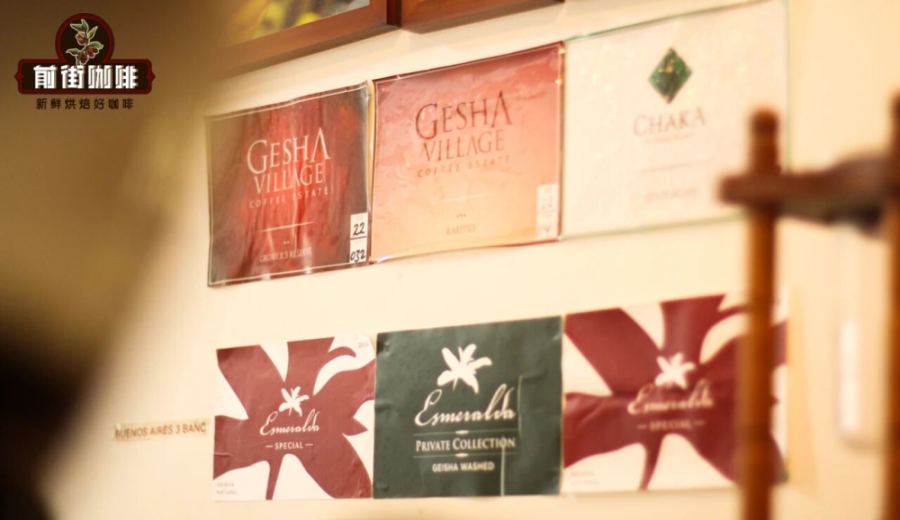
Introduction:Take an in-depth journey to the Boquete region of Panama and discover how this area nurtures top-tier Geisha and other specialty coffees. This article details the core reasons behind the scarce production of Geisha, introduces the planting and processing characteristics of three renowned farms—La Esmeralda, Elida, and Hartmann—and offers practical pour-over brewing tips and precise extraction parameters to help you uncover the outstanding secrets behind Panamanian coffee.
Although Panama is a small Central American country, it has become a mecca for coffee enthusiasts worldwide thanks to its unique geographical environment and specialty coffee cultivation techniques. It is especially renowned for the Geisha variety, which is rare in production and distinctive in flavor, earning widespread acclaim from professional judges and consumers alike. This article will take you into Boquete, Panama’s most important coffee-growing region, analyzing key success factors—from climate, terrain, and farming models to famous estates such as La Esmeralda, Elida, and Hartmann—and revealing why these coffees consistently win international awards and lead trends.
Basic Overview of Panama’s Coffee-Growing Regions
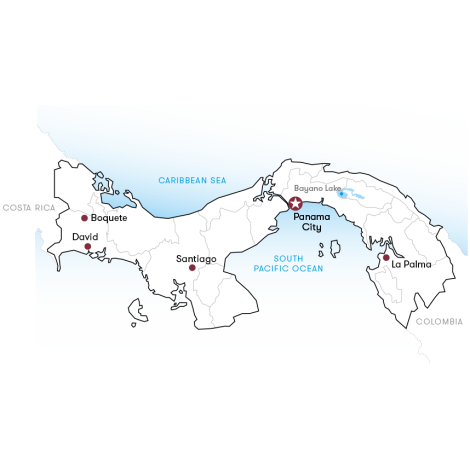
Panama covers a total area of approximately 75,517 square kilometers and is situated at the junction of North and South America, featuring an “S”-shaped landform that connects the two continents. The western part of the country, with its higher elevation and cooler climate, serves as the main region for high-quality coffee production. Panama has a tropical maritime climate, with an average annual temperature of about 23–27°C, distinct wet and dry seasons, and an average annual rainfall ranging between 1,500 and 2,500 millimeters. Among these, the Boquete region (Boquete) in the Chiriquí Province is hailed as the golden belt of Panamanian coffee. Surrounding areas such as Volcán, Santa Clara, and Candela also thrive in high-altitude and cool microclimates, producing high-quality coffee. Generally, only coffee grown at elevations above 1,300 to 1,500 meters can be classified as “specialty coffee,” possessing greater flavor potential.
Three Planting Models: The Key Influence of Shade on Flavor
In the Boquete region, coffee farms are categorized into three types based on shading levels: full shade (over 50 trees per hectare), semi-shade (25–50 trees), and sun-grown (fewer than 25 trees). Shaded environments delay the ripening process of coffee cherries, allowing fruits more time to accumulate flavor compounds. Although this increases management costs and reduces yield, the resulting coffee often exhibits more complex and smoother layers. Notably, in regions like Colombia, a common practice involves intercropping coffee trees with banana trees, where the large banana leaves provide natural shade and also contribute to improved coffee quality.
La Esmeralda: The Birthplace of Geisha Red Label
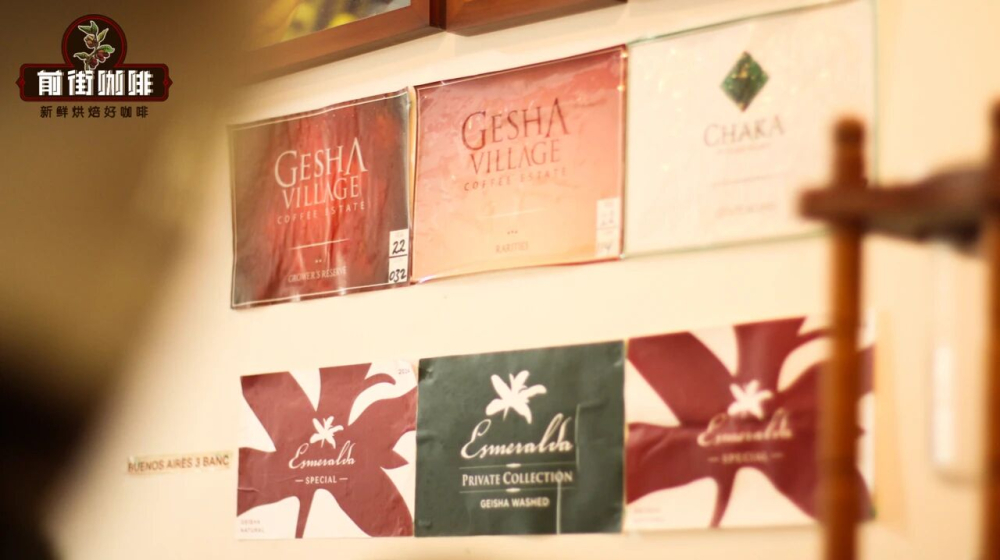
La Esmeralda is located at the foot of the Baru volcano and was initially known as Baru Mountain Coffee due to its geographical location. The farm’s Jaramillo district and the later-developed high-elevation Canas Verdes area both enjoy unique microclimates. La Esmeralda is renowned for its Geisha offerings in Red Label (Esmeralda Special), Green Label, and Blue Label grades. The Red Label Geisha is selected exclusively from specific high-elevation plots (1,600–1,800 meters) with cupping scores above 90, and is available only through auctions or specific distribution channels. Its natural processing method imparts the coffee with rich fruity and floral notes, making it a dream coffee in the specialty coffee world.
Recommended brewing parameters based on actual testing are as follows: use a Hario V60 filter, control water temperature at 90°C, use 15 grams of coffee, with a brew ratio of 1:15, and employ medium-fine grind (approximately 75% passing through a #20 sieve). The step-brewing process is: bloom with 30 grams of water for 30 seconds, then pour in a circular motion up to 125 grams and pause, then continue pouring up to 225 grams before finishing the extraction, with a total brew time of about 2 minutes. In terms of flavor, the Red Label Geisha showcases bright rose and citrus aromas, accompanied by a complex fruitiness of berries, apricots, honey, and rice, offering a juicy mouthfeel with a sweet and layered aftertaste.
Elida: The Pursuit of Ultra-High Elevation and Low-Temperature Ripening
Elida Estate, owned by the Lamastus family, traces its history back to 1918 and is named after the founder’s wife. The farm is situated near the Baru volcano region, at an elevation of 1,670 to 1,850 meters, making it one of the highest-altitude coffee-growing areas in Panama. Nearly half of its land falls within the boundaries of a national park, boasting an extremely pristine ecological environment. The estate’s main varieties include Catuai, Typica, and Geisha, with the Typica natural batch highlighted by flavors of peach, raisin, and orange, complemented by a finish of grapefruit and green tea, demonstrating ultimate balance and finesse.
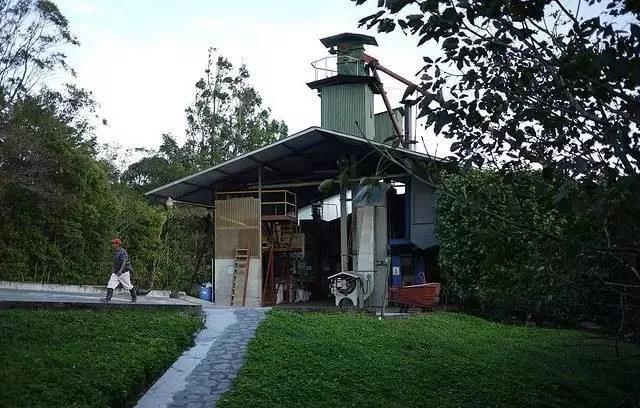
This estate is extremely selective in harvesting, choosing only the ripest coffee cherries, and insists on prolonged low-temperature aging (for at least five months), which helps round out and enrich the flavors. Recommended brewing test parameters: Hario V60 filter, water temperature 91°C, 15 grams of coffee, brew ratio 1:15, medium-fine grind (80% passing through a #20 sieve). The same step-brewing method is used: bloom with 30 grams of water for 30 seconds, pour up to 125 grams and pause, then add water up to 225 grams before finishing, maintaining a total extraction time of 2 minutes. The flavor profile is clear, featuring distinct notes of peach, cantaloupe, and sugarcane sweetness, with a finish that releases hints of grapefruit and tea.
Hartmann: The Understated Powerhouse Behind Wine-Inspired Processing
Managed by the third generation of the Hartmann family, this estate rarely appears on the auction stage but is a key contributor behind many top Panamanian coffees. Its managed properties, including Finca La Mula, have won the Best of Panama title multiple times. The estate primarily grows the Catuai variety, a cross between Caturra and Mundo Novo, which offers good resistance to wind and rain. While its flavor profile is not as layered as other varieties, it is highly stable and has rich mucilage, making it very suitable for special processing methods.
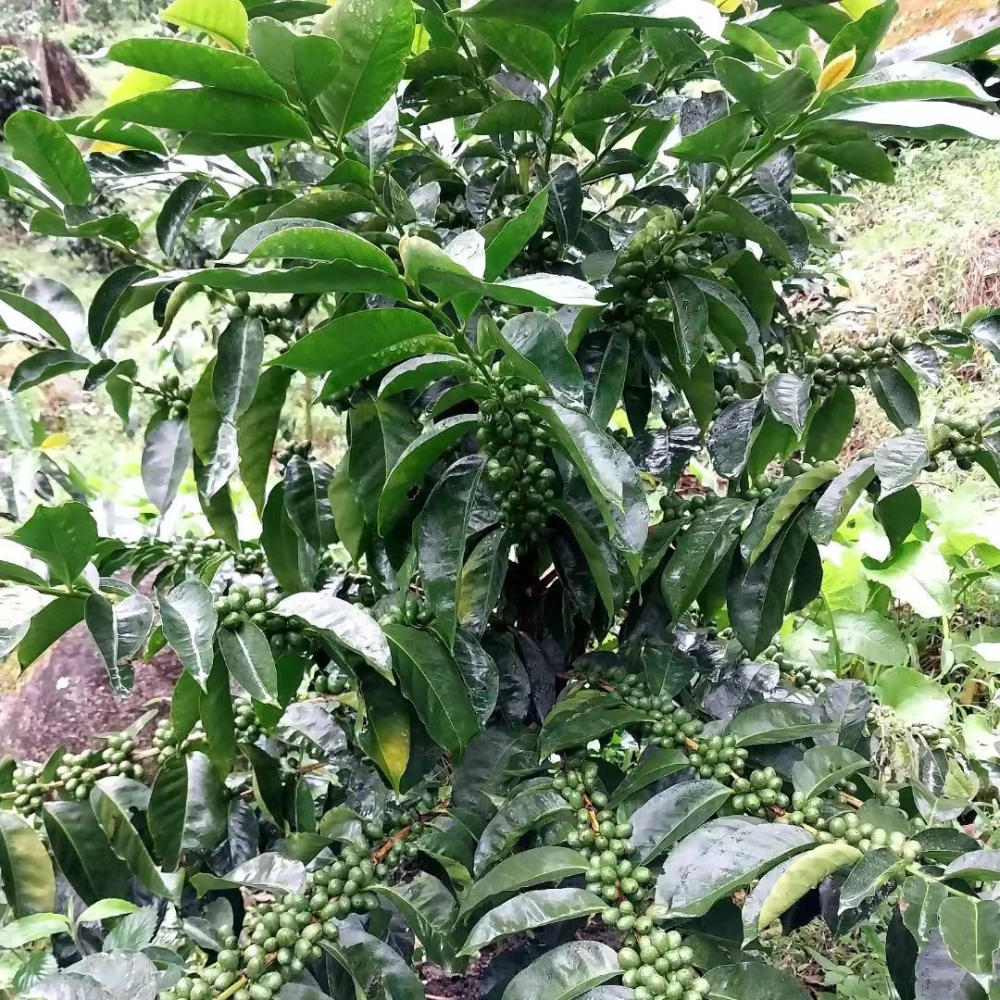
Notably, the wine-process coffee introduced by Hartmann is inspired by the carbonic maceration method used in winemaking. By employing a sealed environment and controlled temperature and humidity, the coffee cherries ferment under anaerobic conditions, producing aromas reminiscent of cherry, banana, and bubblegum, while retaining a rich fruity body. Practical pour-over parameters recommended: Hario plastic V60 filter, brew ratio 1:16, slightly coarser grind (70% passing through a #20 sieve), water temperature 93°C. The brewing process starts with 40 grams of water for a 30-second bloom, followed by pouring up to 140 grams, then adding 60 grams more, with a total extraction time of about 2 minutes. This coffee offers wine-like fermentation aromas, with bright citrus and kiwi acidity on the front, a mid-palate of brown sugar sweetness and winey finish, delivering an overall layered and distinctive experience.
The above content is compiled by CoffeeHunters, a coffee news website.


