







Category: Coffee Knowledge
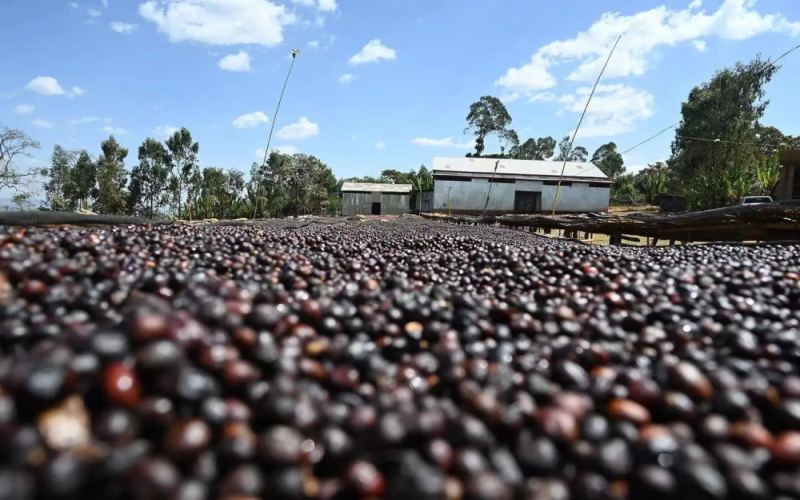
Analysis of Flavor Differences Between Washed and Natural Yirgacheffe | Complete Guide to G1 Grade Varieties and Processing Methods
Yirgacheffe is the most representative specialty coffee region in Ethiopia, renowned for its unique floral notes and bright acidity. This article delves into the regional background, variety classification, grading system, and processing differences of Yirgacheffe, with a focused comparison of typical washed and natural processed beans. It helps you understand how different processing methods influence flavor profiles, while also providing practical roasting and pour over parameters. A must-read for those who love Yirgacheffe or want to gain deeper insight into Ethiopian coffee. [more…]
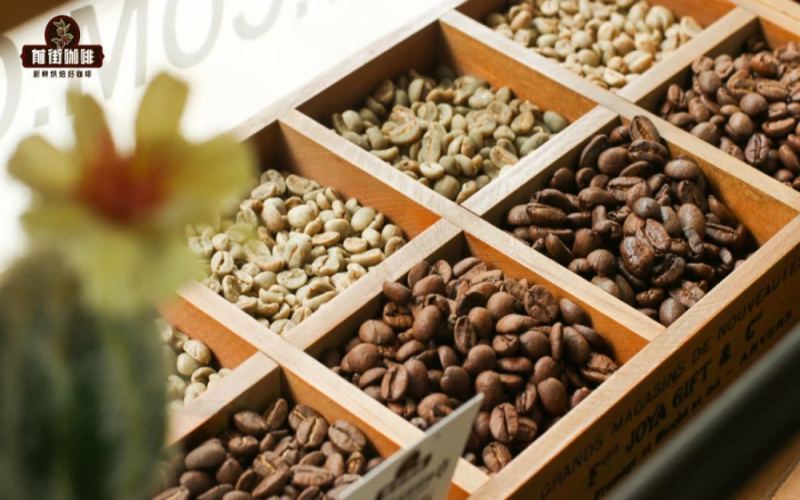
Behind Ethiopia’s Coffee Trademark Battle and a Flavor Analysis of Yirgacheffe’s Five Major Cooperatives
As the birthplace of coffee, Ethiopia’s Yirgacheffe region is one of the representatives of specialty coffee. However, years of trademark disputes with Starbucks revealed the critical impact of regional names on coffee farmers' income. This article delves into the origins and resolution of this controversy, and provides a detailed introduction to five representative cooperatives in Yirgacheffe—including Guji Dingding, Konga, Worka, Hafursa, and Idido—helping you understand their growing environments, processing method characteristics, and more. [more…]
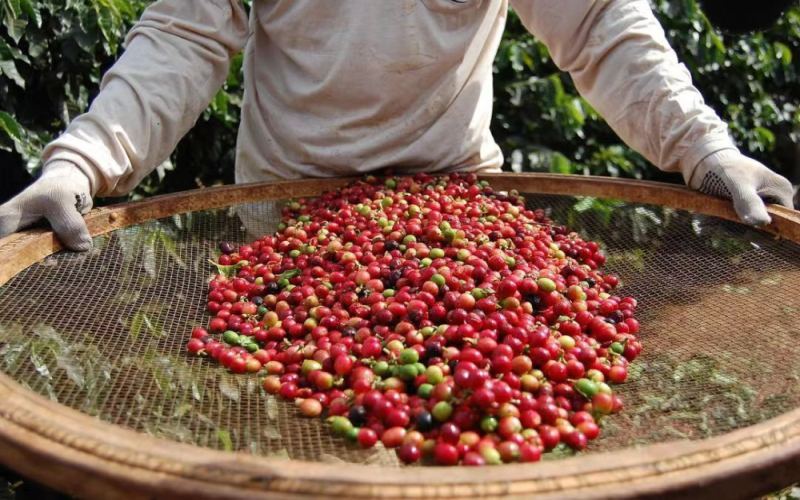
A Complete Guide to Brazilian Coffee Beans: Varieties, Regions, Processing Methods, and Pour Over Parameters
As the world’s largest coffee-producing country, Brazil is renowned for its beans’ consistent sweetness and rich flavors of nuts and chocolate. This article provides an in-depth analysis of Brazil’s coffee grading system, mainstream varieties, and processing techniques. We also test two representative beans—Cerrado Red Bourbon and Fazenda Rainha Natural Yellow Bourbon—to offer a complete flavor profile and V60 pour over recommendations, helping you grasp the essence of this major South American coffee powerhouse. [more…]
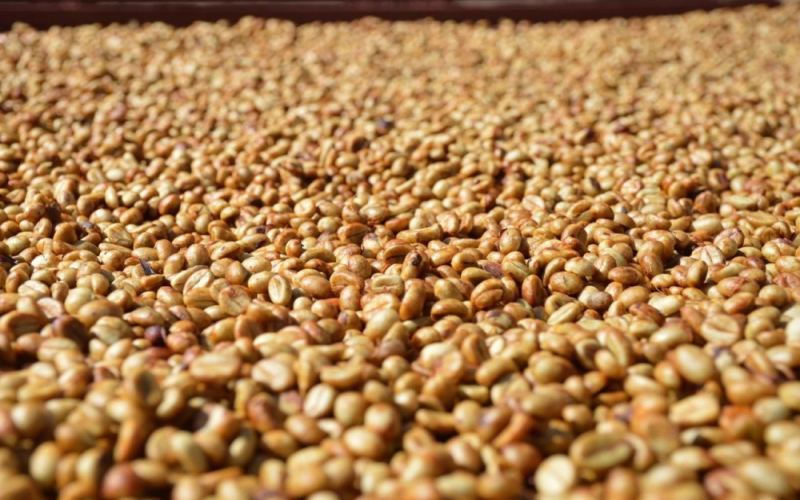
The Ultimate Guide to Costa Rican Honey Processed Coffee: How to Choose from White Honey to Black Honey?
Costa Rica is renowned for its clean, soft, and balanced coffee flavors, but the addition of the honey processing method brings even richer sweetness and body. This article delves into the evolution and classification of Costa Rica’s honey processing techniques—from white honey, yellow honey, red honey to black honey—explaining in detail the varying proportions of mucilage retained, drying times, and flavor profiles of each method. Featuring a classic black honey coffee as an example, it reveals the origins of its grape-like honey aroma and full-bodied taste, helping you find the honey-processed coffee that best suits your palate. [more…]
In-depth Analysis of Kenyan AA TOP Washed Beans: The Complete Guide to K72 Processing and Hive Processing Plant
Delve into the unique flavor origins of Kenyan AA TOP-grade coffee, from the geographical conditions of the origin, the rigorous grading system, to the K72 washed and hive processing techniques—this guide fully explains the keys to creating its bright acidity and rich berry notes. We also share practical pour over parameters and cupping experiences to help you recreate professional-grade Kenyan light roast flavors. [more…]
Kenyan Coffee Flavor Analysis: K72 Washed Process and Brewing & Growing Secrets of SL28/SL34 Varieties
Kenyan coffee is renowned for its bright acidity and rich fruity notes—where do these unique flavors come from? This article delves into the geography of the Kenyan growing region, the background of the classic SL28 and SL34 varieties, and provides a detailed explanation of the fermentation process of the K72 double washed method. It also offers practical V60 pour over parameters and roasting recommendations to help you fully grasp the essence of Kenyan coffee from bean variety to cup. [more…]
Complete Guide to Kenyan AA Coffee Beans: Grade, Processing, and Pour Over Flavor Profile
Kenyan AA coffee beans are renowned for their bright acidity and complex layers, making them a top choice for many coffee enthusiasts exploring African beans. This article delves into its rigorous grading system, washed processing characteristics, and offers practical pour over recommendations along with a flavor profile to help you better understand the allure of this premium Arabica bean. [more…]
A Complete Guide to Kenyan AA Coffee Beans: Regions, Grading, and the Flavor Secrets of Washed Processing
Kenyan AA coffee beans are renowned for their bright acidity and complex fruit flavors, often regarded as a benchmark among specialty beans by many coffee enthusiasts. But do you know what the AA grading standard is? How does it differ from other grades? This article delves into Kenya's coffee grading system, the K72 washed processing method, and the terroir characteristics of core regions such as Nyeri, Kirinyaga, and Murang'a, helping you understand the value behind these highly-rated coffees from a professional perspective. [more…]
What’s the difference between Panamanian Geisha and Gesha? A complete guide to red/green label grading, flavor profiles, and origins
Geisha coffee beans are renowned for their unique floral and fruity aromas and high quality, often regarded as the pinnacle of specialty coffee. However, the term "Gesha" is also commonly seen in the market, causing confusion. Are Geisha and Gesha the same variety? Why is Panamanian Geisha particularly revered? This article delves into the origins of the Geisha variety, its flavor characteristics, and provides a detailed breakdown of the differences between the Emerald Estate’s Red Label and Green Label grading systems. It helps you fully understand this top-tier coffee—from origin and processing methods to tasting notes. [more…]
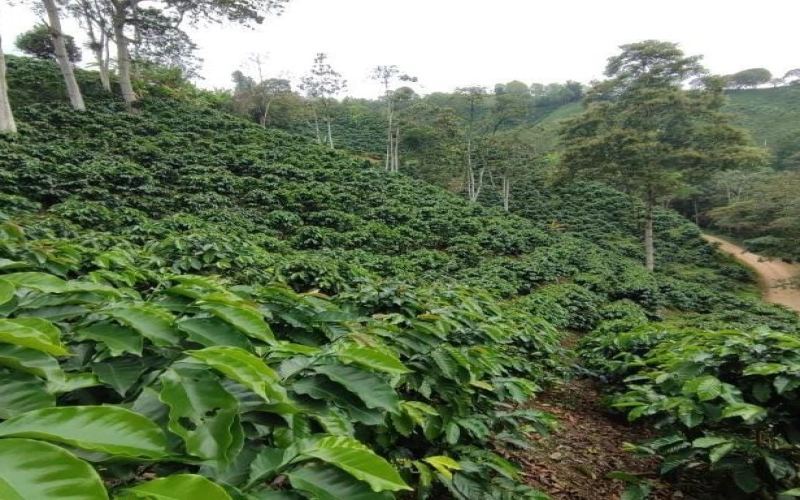
A Comprehensive Guide to Colombia’s Coffee Regions: From the Origins of Geisha to the Flavor Profile of La Esmeralda
This article delves into how Colombia has become a cornerstone of global specialty coffee, starting from the origins of coffee cultivation in the 16th century. It explores the distribution and microclimate characteristics of the country’s two major coffee-growing regions—the north and the south—and details the legendary journey of the Geisha variety from Ethiopia to Panama’s La Esmeralda Estate. Through regional maps, harvest season breakdowns, and flavor profiles, it offers a complete understanding of the cultivation wisdom and terroir secrets behind this green gold. [more…]

Costa Rica Musician Series: Honey Process vs. Grape Natural Honey Process – Flavor Differences & Brewing Guide
The honey process and grape natural honey process in Costa Rica create diverse flavor expressions in coffee. This article delves into the processing differences of the Musician Series (Beethoven, Bach, Mozart) from Finca Canet in the Tarrazú region. From mucilage retention rates and drying procedures to roasting and cupping parameters, it helps you understand the key distinctions and flavor profiles of the two processes, while also providing practical brewing recommendations to guide you toward your preferred coffee flavor. [more…]

Complete Guide to Choosing Home & Office Coffee Equipment: Espresso Machines, Bean Pairings & Brewing Techniques
Want to brew high-quality coffee at home or in the office? Start with the right equipment and beans. This article analyzes the working principles and extraction characteristics of espresso machines based on different drinking needs, and details multiple high-cost-performance coffee beans suitable for home and office environments, including classic blends and specialty single-origin SOEs. It also provides brewing suggestions and flavor references to help you easily create your own unique coffee experience. [more…]

The Truth About Indonesian Sumatra Kopi Luwak: From Colonial History to Pour Over Parameters and Flavor Analysis
Kopi Luwak (civet coffee), as one of the most controversial specialty coffees in the world, is not only exorbitantly priced but also highly debated due to its unique production method. This article delves into this wild civet coffee originating from Sumatra, Indonesia—from its historical background and controversies over bean authenticity, to the green bean processing principles and pour over parameter settings—along with detailed flavor descriptions and practical advice to help you fully understand its uniqueness and potential issues. [more…]
The Secrets of Indonesian Civet Coffee: What You Should Know About Its History, Production, and Flavor
Civet coffee (Kopi Luwak) is one of the most expensive coffees in the world, with legends claiming it can cost over six hundred US dollars per pound. What makes these beans, which pass through the digestive system of civet cats, so special? From its accidental discovery during the Dutch colonial period to today’s industry controversies, this article delves into its historical background, bean sources, animal behavior, as well as how to identify authenticity and recommendations for tasting—offering you a comprehensive understanding of this highly debated Indonesian specialty coffee. [more…]
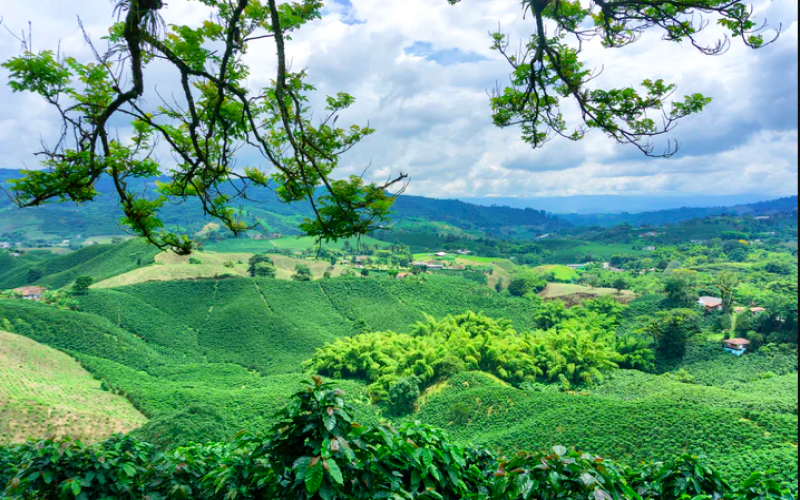
Exploring Colombia’s Coffee Regions: A Deep Dive into Finca La Divisa in Huila and the Sidra Variety
Colombia is the world’s third-largest coffee producer and the largest processor of washed Arabica beans globally, with specialty coffee accounting for up to 40% of its exports. This article will take an in-depth look at the development of Colombian coffee from the 19th century to the present, analyze the geographical characteristics of its major coffee-growing regions, and focus on the renowned Finca La Divisa in the Huila region, as well as the Sidra variety, which has garnered significant attention in recent competitions. We’ll also provide practical pour over parameters and flavor analysis to help you better understand this distinctive coffee profile. [more…]
Colombia’s Top 5 Specialty Coffee Farms: Varieties, Altitudes, and Flavors at a Glance
Colombia is one of the world’s leading regions for specialty coffee, home to numerous coffee farms with distinct profiles. This article will take you on an in-depth journey through five representative top-tier farms: Esperanza, Esmeralda, Roble, Naranjal, and Black Sugar Girl. We’ll explore their unique characteristics and cup profiles by analyzing everything from growing altitude and climate conditions, to main cultivated varieties, processing methods, and international certifications. Whether you’re a beginner in pour over or a professional cupper, you’ll learn how variety, cultivation, and meticulous management shape the final cup. [more…]
Complete Guide to the SCA Coffee Taster’s Flavor Wheel: Classification of Pour Over Coffee Flavors and Practical Sensory Training
Gain an in-depth understanding of the official SCA Coffee Taster’s Flavor Wheel, mastering the characteristics of various flavor profiles from sour, sweet, bitter, and salty to floral, fruity, and roasted notes. Learn how to use professional tools to describe the complex taste of pour over coffee. This article breaks down the four major flavor clusters and common defect flavors, paired with practical training techniques to help coffee enthusiasts build a personal flavor memory bank and enhance their taste recognition ability. [more…]
A Century of Transformation in Colombia's Coffee Industry: From Juan Valdez to Specialty Cafés
Renowned for its elegant Arabica varieties and distinctive national brand image, how has Colombia — a major South American coffee producer — evolved from the iconic 1959 Juan Valdez advertisement to competing with Starbucks by opening its own chain of direct-operated cafés in the 21st century? This article delves into how Colombia’s coffee industry has transformed from a futures market-dependent sector into a model of brand management, while also analyzing the climate, market, and pricing challenges faced by coffee farmers. [more…]

Analysis of Panamanian Geisha and Artisan Varieties: Jade Mountain Estate Grading and Pour Over Flavor Comparison Guide
Geisha and Artisan are actually the same rare coffee variety, referred to differently in various regions due to translation variations. This article delves into the characteristics of the variety, the Red Label / Green Label grading system of Panama’s Jade Mountain Estate, and compares the flavor differences between Candlelight and Geisha. It also provides practical pour over recommendations and entry-level selection guidance to help coffee enthusiasts accurately grasp the unique charm of this high-value bean variety. [more…]
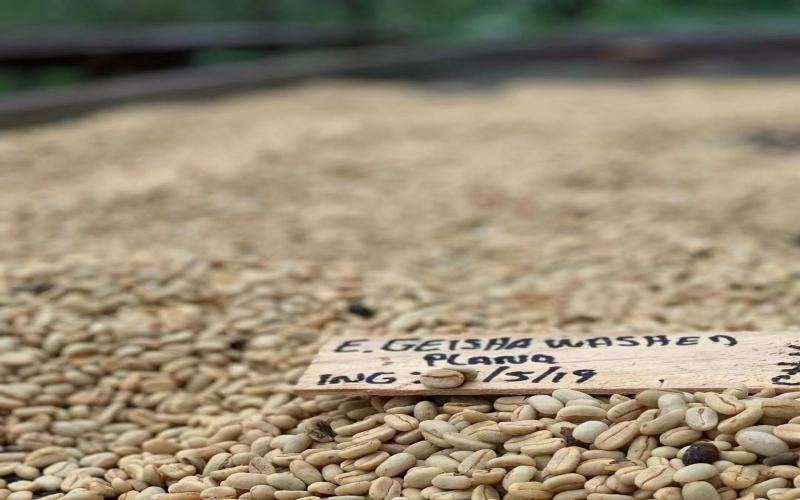
A Complete Guide to Geisha & Geisha-Style (Artisan) Beans from Dota, Tarrazú, Costa Rica | Micro-Lot & Auction Bean Flavor Profiles
This article provides an in-depth look at micro-lot Geisha-style (Artisan) coffees from Dota, Tarrazú, Costa Rica, and traces the evolution of the Geisha variety from Ethiopia to Panama. It also analyzes the grading system and auction criteria for Panama’s Hacienda Esmeralda Red Label, Green Label, and Blue Label beans, as well as the varietal differences and plot numbering systems of Gori Gesha and Gesha1931 at the Gesha Village Estate. Finally, we’ve selected three top-tier Geisha and Geisha-style coffees from different regions, offering detailed [more…]