







Introduction:Colombia is the world’s third-largest coffee producer and the largest processor of washed Arabica beans globally, with specialty coffee accounting for up to 40% of its exports. This article will delve into the development of Colombian coffee from the 19th century to the present, analyze the geographical characteristics of its major producing regions, and focus on the renowned Finca El Diviso in the Huila region, as well as the Sidra variety, which has garnered significant attention in recent coffee competitions. We also provide practical pour over parameters and flavor analysis to help you better understand this uniquely flavorful specialty coffee.
Colombia is not only the world’s third-largest coffee producer but also the largest country for washed Arabica processing, with up to 40% of its exported coffee classified as specialty grade. Walk into coffee shops around the world, and Colombian coffee is almost an indispensable option. Popular pour over beans such as Rose Valley, Flower Moon Night, Big Belly Button, Sidra, and Huila are favored by both consumers and roasters.
This article will begin with the historical origins of Colombia’s coffee industry, then explore the distribution and microclimate characteristics of the country’s major coffee-producing regions, and take an in-depth look at the famous Finca El Diviso in the Huila region, as well as the Sidra variety that has shone brightly in world coffee competitions in recent years. We’ve also compiled practical pour over recommendations and parameters to help you more fully experience this uniquely flavored coffee.
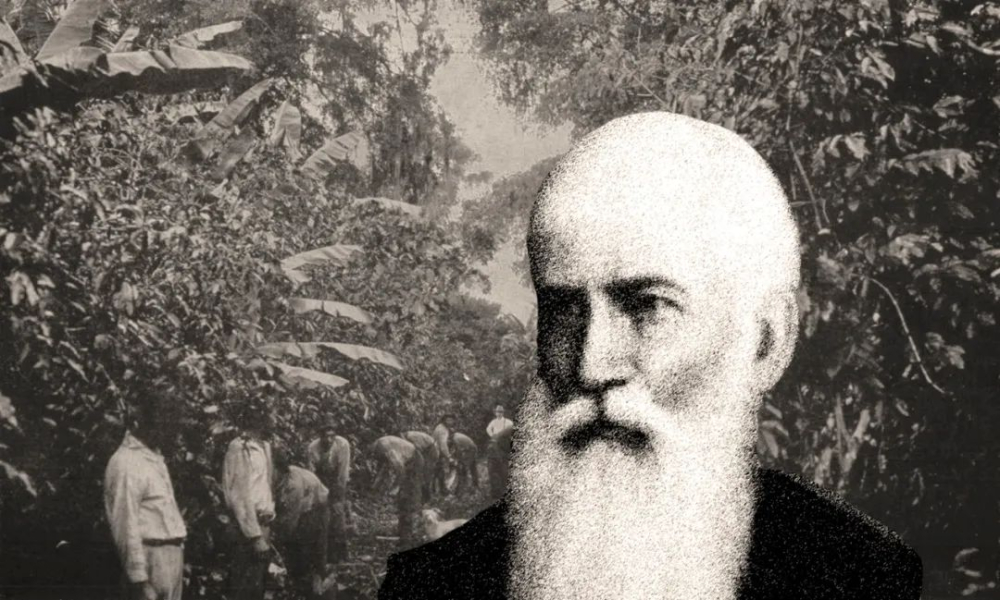
The history of coffee cultivation in Colombia dates back to the early 19th century. It is documented that Don Mariano Ospina Rodriguez was one of the earliest pioneers to experiment with coffee cultivation in the region. In 1835, he established the first experimental coffee plantation in Fredonia, Antioquia, and actively promoted planting techniques and experience to local farmers.
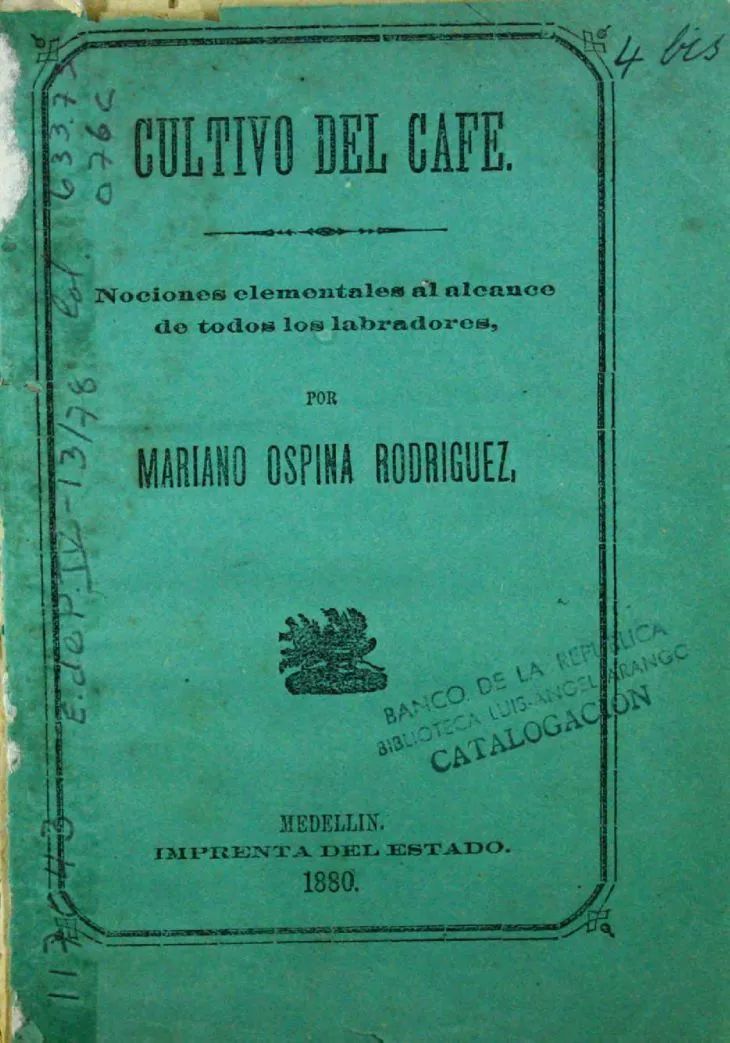
Don Mariano was elected President of Colombia in 1857, and in 1879, the government officially enacted the “Coffee Act,” laying the policy foundation for the industry. In 1880, he published Colombia’s first systematic coffee cultivation textbook, Coffee Cultivation: Basic Concepts for All Farmers, which had a profound impact on the industry’s subsequent development. Subsequently, between 1887 and 1893, the market price of Colombian coffee in New York City rose from 10.6 cents per pound to 18.8 cents, indicating a gradual increase in international demand.
Entering the 1920s and 1930s, the Colombian government implemented land reforms to support small-scale coffee farmers. Among the most influential was the founding of the Colombian National Federation of Coffee Growers (FNC) in Medellín in 1927. This organization, comprising over 560,000 coffee farming families across 22 provinces nationwide, not only integrated domestic resources but also leveraged a powerful international marketing strategy to promote Colombian coffee globally, making it a key pillar of the country’s economy.

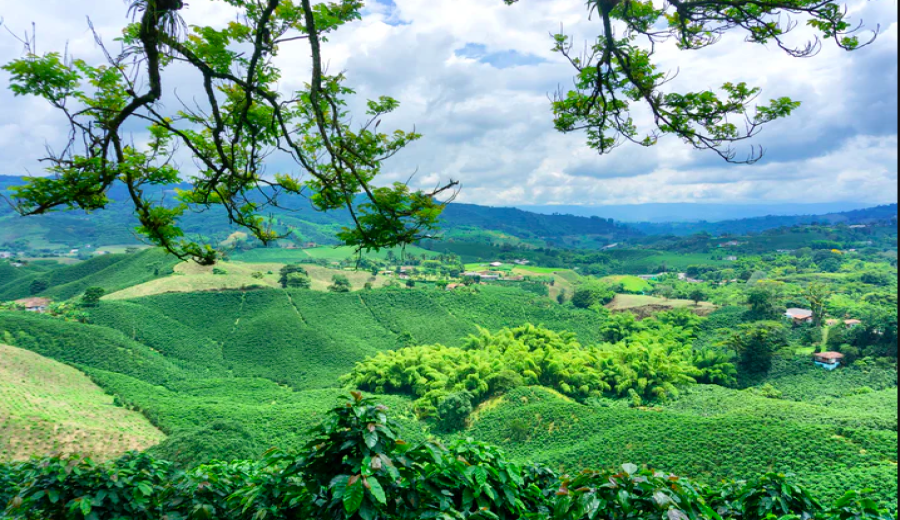
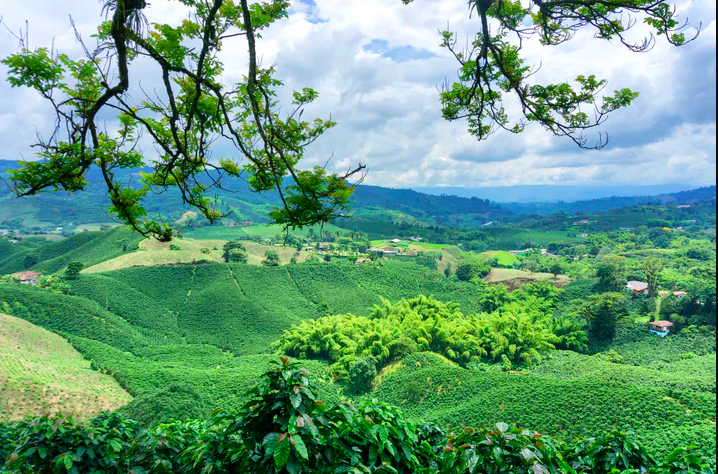
Colombia’s coffee-growing belt is primarily distributed along the Andes Mountains, stretching from south to north across the western region. The diverse terrain and rich climate result in year-round harvest seasons. Most of the country’s coffee is grown at elevations between 1,000 and 2,500 meters, where complex microclimates and a stable average annual temperature of around 18°C create the excellent flavor potential of Colombian coffee.
Most coffee farms are small-scale, often family-run, with plots of around two hectares. Many farmers plant shade trees such as bananas or native hardwoods around their coffee trees, which not only regulate temperatures but also help maintain ecological balance. Approximately 30% to 40% of the rural population relies on the coffee industry for their livelihood, making it a vital economic source locally.
Geographically, Colombia’s coffee-producing regions can be broadly divided into three major blocks: northern, central, and southern. Southern regions such as Huila, Cauca, Nariño, and Santander are generally considered important sources of specialty coffee due to their higher elevations and favorable microclimatic conditions.
When it comes to specialty coffee farms in Colombia, the Sidra variety, which has shone in international competitions in recent years, cannot be overlooked. In the 2019 and 2022 World Barista Championships, the winning baristas used Sidra coffee from Ecuador and Colombia respectively, bringing this variety gradually into the public eye.
Sidra originated in Pichincha Province, Ecuador, also known as Sydra, and is an experimental variety hybridized from Typica and Red Bourbon. Subsequent genetic research has shown that it shares some genetic similarities with Ethiopian landraces, leading to speculation that it may be a cross between a laboratory-exported Ethiopian variety and an Ecuadorian Bourbon. It is currently mainly grown in Colombia and Ecuador, typically at elevations between 1,650 and 1,800 meters.
Finca El Diviso is a renowned coffee farm in Colombia’s Huila region and one of the key producers of the Sidra variety. Located at an altitude of approximately 2,100 meters, the farm spans a total area of 14 hectares. It was founded in 1996 by Jose Uribe Lasso and has over 25 years of cultivation history.
It is now managed by Nestor Lasso, who, under the influence of a family-oriented environment, has a strong pursuit of coffee cultivation and post-harvest processing techniques. The farm grows twelve coffee varieties, including Caturra, Colombia, Sidra, Castillo, Gesha, and Bourbon. Through meticulous management, the coffee beans produced have received accolades in both domestic and international competitions, gradually propelling this family-owned farm onto the international stage.
Nestor believes that the fertile soil and favorable microclimate of the Huila region are key to growing high-quality coffee. His goal is to build a larger new farm to continue cultivating and developing even higher-quality coffee varieties.
Sidra coffee plants are tall, reaching up to 4 meters, and require appropriate shading during cultivation, along with vigilance against leaf rust and coffee berry disease. Although resistant to certain pests and diseases, careful management is still necessary. The leaves of Sidra are slender, it produces white five-petaled flowers, and yields large quantities of fruit. The beans are larger and rounder than those of typical Arabica varieties. The green beans are slightly elongated in shape, with an appearance similar to that of Gesha.
Due to the limited scale of Sidra cultivation and its distinctly floral and fruity aroma reminiscent of Gesha, it often features layered flavors of peach, citrus, grape, and honey. With a soft acidity and round mouthfeel, it holds relatively high market value.
The Sidra coffee beans from Finca El Diviso introduced by this coffee shop are processed using a double anaerobic washed method, fully bringing out its unique fruit acidity and aromatic layers. After medium-light roasting, cupping reveals intense fruit notes such as apricot, citrus, and grape, making it suitable for coffee enthusiasts who enjoy bright acidity and complex flavors.
If you’d like to try pour over with this Sidra coffee, here are our recommended practical pour over parameters: Use 15 grams of coffee grounds, set the coffee-to-water ratio at 1:15, and control the water temperature at 91°C. It is recommended to use a medium-fine grind (approximately 80% through a #20 sieve). During pour over, it is suggested to brew in three pours: the first pour involves adding 30 ml of water for a 30-second bloom, followed by pouring 120 ml in small circular motions. When the water level drops to half, pour the final 90 ml in the same manner. The total extraction time should be controlled at around 2 minutes to fully showcase the flavor layers and aromatic expression of Sidra.
The above content is compiled by CoffeeHunters, a coffee news website.


